I’m a Londoner, born and bred in South London. I’ve lived and worked in this city for most of my life, from my university days in Shepherd’s Bush to years in Fulham and Tooting. I worked on the South Bank and Kings Cross for over 15 years, and I’ve commuted in and out of the capital for over 30 years. Even now, living in outer London, I still know the West End and South London like the back of my hand.
And yet, London still surprises me. Even after decades here, there are many pockets I haven’t explored. That’s the magic of this city. It’s vast, eclectic, and each neighbourhood feels completely different to the next. Nearly 9 million people live here cheek by jowl, and it’s a wonderful mix of different cultures and influences.
From the curry houses of Brick Lane to the dim sum restaurants of Chinatown, the Caribbean flavours of Brixton, the Turkish bakeries of Harringay’s Green Lanes, and the Punjabi grocers of Southall. London is one of the most multicultural cities on earth, and you feel it on every high street. It can feel overwhelming if you’re visiting for the first time.

So where should you stay? The best places to base yourself depend on what matters most to you. Location is everything in London, and getting it right can make or break your trip. This guide covers the best neighbourhoods to stay in, how to get around, and the practical details you need to plan your first visit.
Quick answer: Best areas to stay in London for first-time visitors
- Best for sightseeing: Westminster and the West End – walking distance to Big Ben, Buckingham Palace, Trafalgar Square and the West End theatres
- Best for families: South Kensington –home to the Natural History Museum, Science Museum and V&A, with Hyde Park on your doorstep
- Best for culture and riverside walks: South Bank – the Tate Modern, London Eye and Borough Market are all within a short walk
- Best for trendy food and nightlife: East London (Shoreditch and Spitalfields) – Brick Lane, street food markets and independent shops
- Best for shopping and a modern experience: Battersea – the reimagined Power Station with 150+ shops and restaurants, plus its own Northern line station
- Best for charm and village feel: North London (Camden, King’s Cross and Bloomsbury) – Camden Market, Regent’s Park and the British Museum
- Best for value: Slightly further out in zones 2-3, with easy access on the Tube

How London works (before you book)
London isn’t like most cities. There’s no single centre. Instead, it’s a patchwork of neighbourhoods, each with its own personality, strung together by one of the best public transport networks in the world.
The city is divided into travel zones 1 to 9, with zone 1 being the heart of central London. Most of the key sights sit within zones 1 and 2, and that’s where you’ll want to base yourself for a first visit.
Here’s what I always tell friends visiting for the first time: stay as central as your budget allows. Yes, you’ll pay more for a hotel in zone 1, but you’ll save hours on travel time and be able to walk between many of the major attractions. If the budget is tight, zones 2 and 3 offer brilliant value with quick Tube connections into the centre.
A rough guide to hotel prices (per night in 2026):
- Budget (hostels and 2-star hotels): £50-£150
- Mid-range (3-star hotels and chains like Premier Inn or Travelodge): £150-£250
- Upper mid-range (4-star hotels): £250-£400
- Luxury (5-star hotels): £400+ (and the sky really is the limit in London)
Prices fluctuate wildly depending on the season. January and February are the cheapest months, while summer (June to August) and the Christmas period are peak. Booking well in advance — at least 2 to 3 months – can save you a fortune.
Central London: the West End and Westminster
Best for: First-time visitors who want to be in the thick of it
Nearest Tube stations: Leicester Square, Covent Garden, Piccadilly Circus, Westminster, Green Park
Walking distance to: Buckingham Palace, Big Ben, Westminster Abbey, Trafalgar Square, the National Gallery, West End theatres, Oxford Street, Regent Street
This is the beating heart of tourist London, and for good reason. If it’s your first visit and you want to tick off the big sights, staying here puts you within walking distance of almost everything.
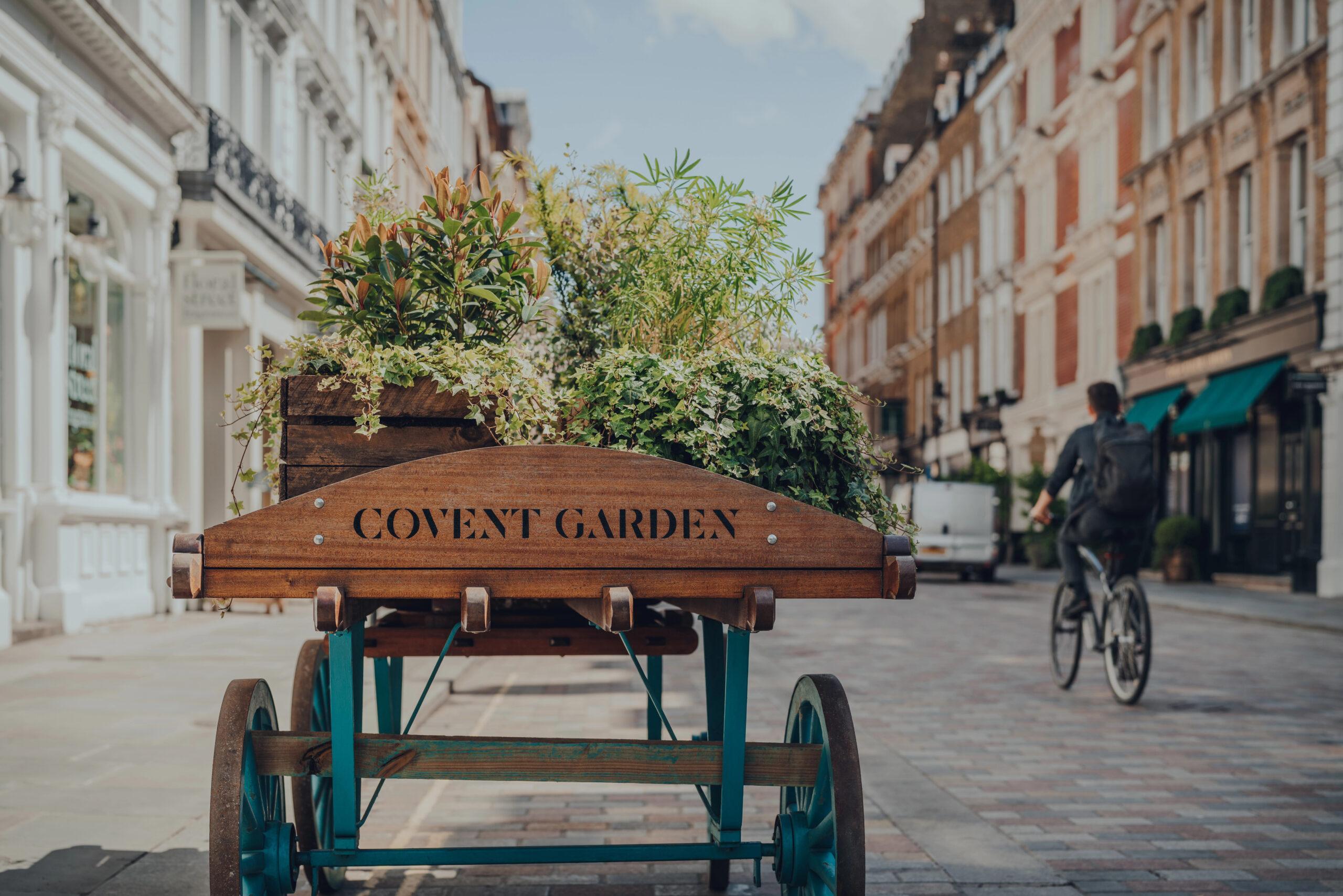
Covent Garden is one of my favourite spots, regardless of whether it’s touristy. The old piazza buzzes with street performers and independent shops, and you’re right on the doorstep of theatreland. The Royal Opera House is here too, and the surrounding streets are packed with restaurants for every budget. It’s touristy, yes, but step down a side street, and you’ll find proper London pubs and cafes that still feel local.
Westminster is where you’ll find the postcard London: the Houses of Parliament reflected in the Thames, Westminster Bridge, and the parks that connect Buckingham Palace to Whitehall. Green Park and St James’s Park are two of the prettiest green spaces in the city, and perfect for a wander after a day of sightseeing.
The West End stretches from Soho to Piccadilly Circus, Leicester Square and beyond. Oxford Street is London’s main shopping high street, while Regent Street has the more upscale shops.
Soho is where you’ll find some of London’s best restaurants and bars – some of my favourites include Polpo on Beak Street for Venetian-style sharing plates, the Old Compton Brasserie for modern British food and cocktails, and proper old-school pubs like the Star and Garter on Poland Street and the Blue Posts. It comes alive at night.
Just north of Soho, Charlotte Street in Fitzrovia is one of my favourite areas in London for eating out. It’s packed with restaurants, and the whole street has a lovely buzz in the evenings. The Charlotte Street Hotel is a beautiful boutique stay – designed by Kit Kemp with Bloomsbury Group-inspired interiors, a screening room and its own restaurant, Oscar, which spills out onto the street in summer (they do amazing cocktails!). It’s a minute’s walk from Soho Square and right in the middle of theatreland.
My kids love Circolo Popolare on nearby Rathbone Place – a big, buzzy Italian from the Big Mamma group, with walls lined floor to ceiling with thousands of coloured bottles and generous sharing plates of Neapolitan pizza and fresh pasta. It’s loud, lively and great fun for families. Just round the corner, Mowgli Street Food on Charlotte Street serves vibrant Indian street food in a fairy-lit space where you can even sit on swing seats – the children think it’s brilliant.
The trade-off? Hotels here are expensive. Expect to pay £200-£400+ per night for a decent room. The streets are busy, and it’s noisy — particularly around Leicester Square and Piccadilly Circus, which I’d personally avoid staying too close to. They’re great to visit, not to sleep next to.
My tip: Look for hotels around the quieter edges of Covent Garden, or slightly north towards Bloomsbury and Fitzrovia, where you’ll get a more residential feel while still being a 5 to 10-minute walk from everything.
South Kensington and the west
Best for: Families, museum lovers and anyone who wants a more residential feel
Nearest Tube stations: South Kensington, Gloucester Road, Earl’s Court, High Street Kensington
Walking distance to: Natural History Museum, Science Museum, V&A Museum, Hyde Park, Kensington Gardens, Harrods
South Kensington is quintessential London. White stucco townhouses, leafy squares, and three of the best museums in the world – all free to enter. The Natural History Museum, Science Museum and Victoria and Albert Museum are within a few minutes’ walk of each other, making this the perfect base for families.
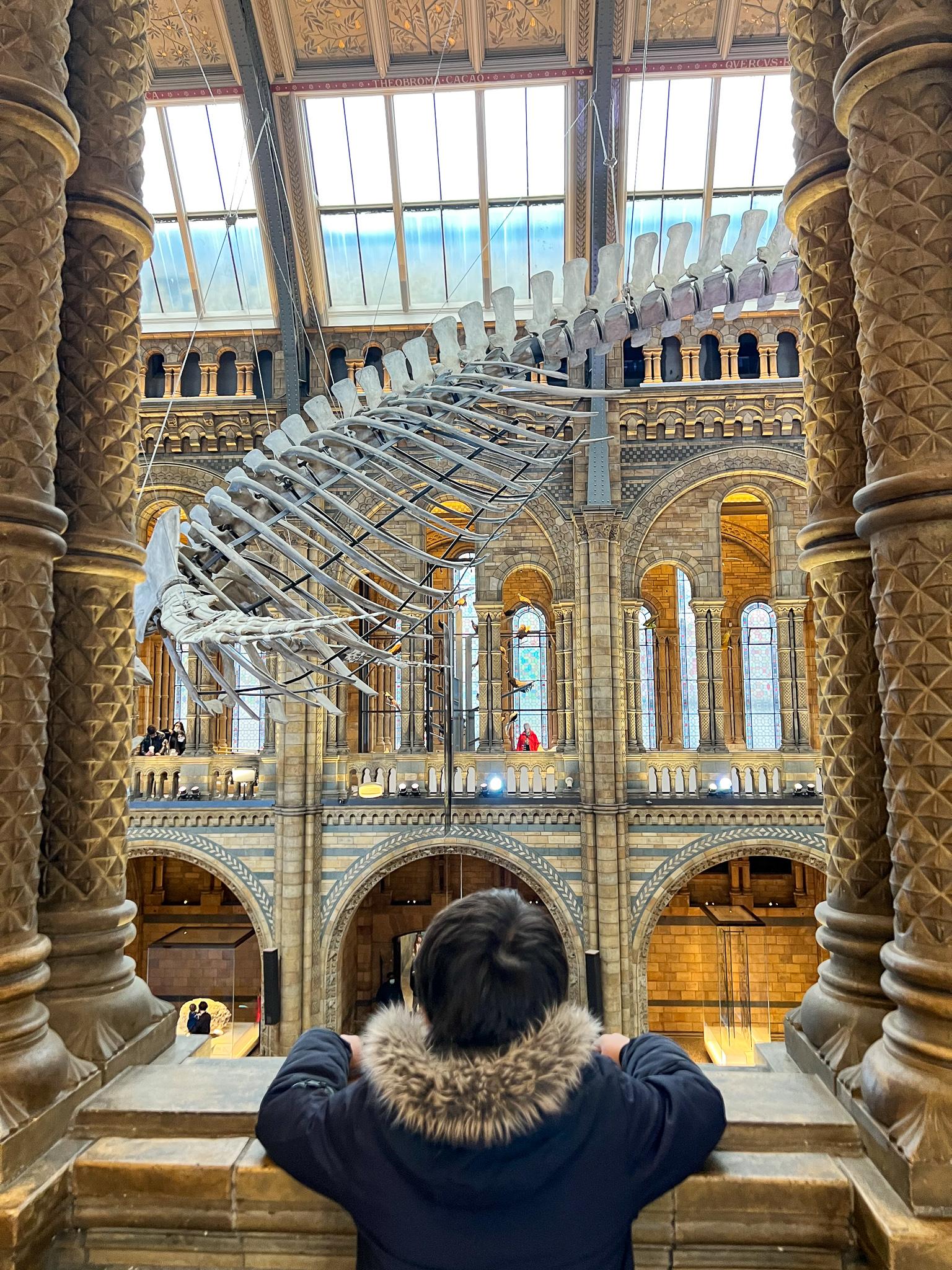
What I love about this area is that it feels like a proper neighbourhood, even though it’s firmly in zone 1. There are excellent cafes and restaurants along Exhibition Road and the surrounding streets, and Hyde Park and Kensington Gardens are right there for when you need green space. In spring, the wisteria draped over the mews houses is genuinely beautiful.
Heading slightly west, Earl’s Court and Kensington are a touch more affordable while still offering easy access on the District and Piccadilly lines. Earl’s Court has long been a favourite with travellers, and there’s a good range of mid-range hotels.
Further west, Notting Hill has its famous pastel-coloured houses and Portobello Road Market (best on Saturdays). It’s charming and quieter than the West End, though it’s a little further from the main sights. It’s well connected, though – Notting Hill Gate is on the Central line, which takes you straight to Oxford Street, Holborn and the City of London in minutes.
Price range: £150-£350 per night for mid-range to upscale hotels. Earl’s Court and Bayswater tend to be at the lower end.
The South Bank and Waterloo
Best for: Culture, riverside walks, food lovers
Nearest Tube stations: Waterloo, Southwark, London Bridge
Walking distance to: Tate Modern, Shakespeare’s Globe, Borough Market, London Eye, South Bank Centre, Tower Bridge, St Paul’s Cathedral
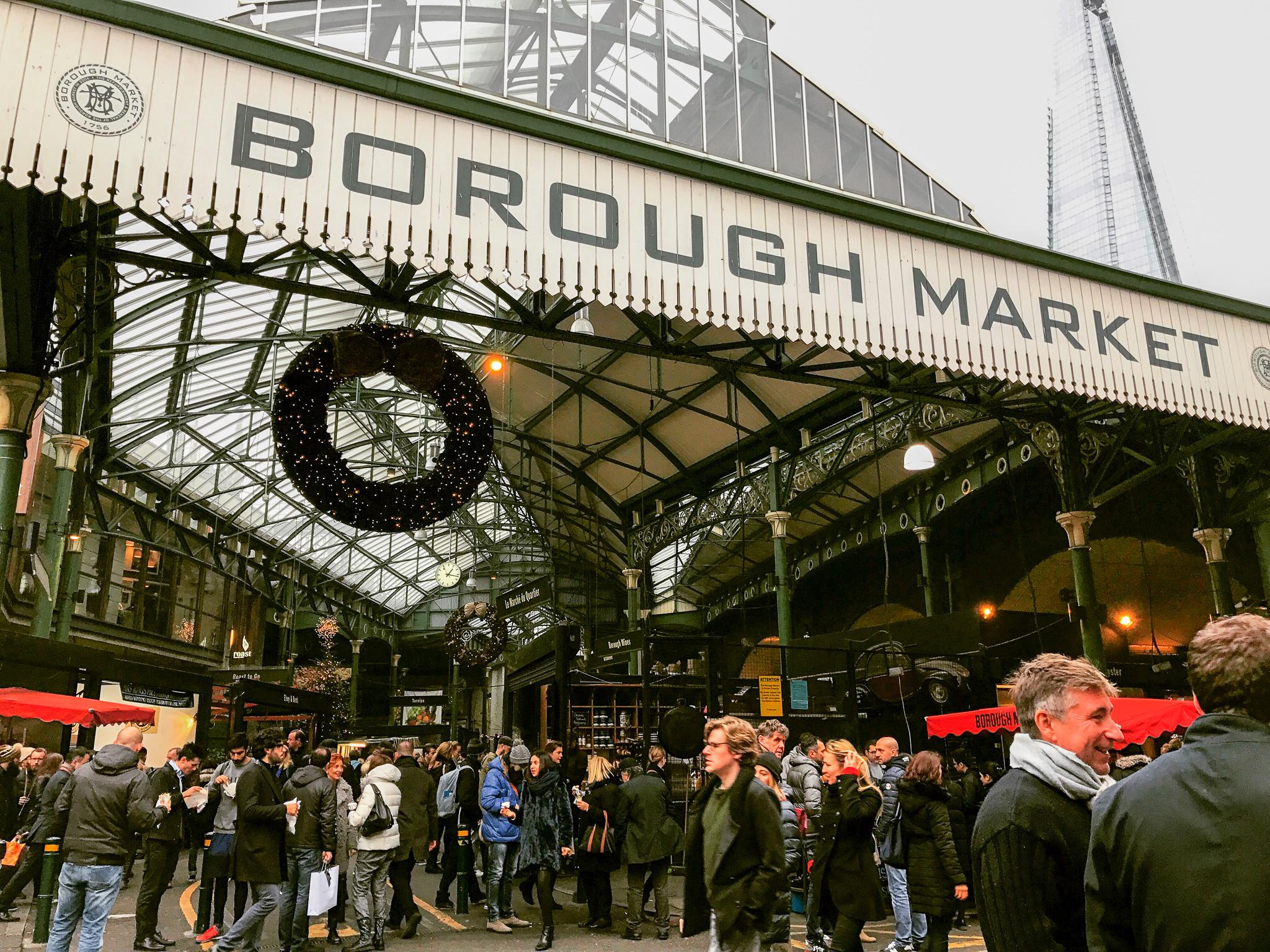
The South Bank runs along the Thames from the London Eye east towards Tower Bridge, and the walk between the two is one of the best free things you can do in London. You pass the Tate Modern, cross the Millennium Bridge with views of St Paul’s Cathedral, and end up at Borough Market – one of the best food markets in the country.
If you have the time, try and grab a table at Roast – a restaurant in the Floral Hall above the market with views over the stalls below (it’s a treat, not a cheap lunch, but worth it for a special meal). Or hang out in the tiny but cosy The Market Porter, a proper Victorian pub right on Stoney Street with up to 12 real ales on tap. It’s card-only, and it gets packed at weekends – with people spilling out onto the street in warmer weather, but it’s a Borough institution.
Waterloo and Southwark are brilliant bases. Waterloo is one of London’s biggest transport hubs, with the Tube, National Rail services and buses all converging here. You’re a short walk across Westminster Bridge to Big Ben, and the South Bank arts scene – the National Theatre, BFI, Hayward Gallery – is right on your doorstep.
For authentic pubs away from the tourist crowds, I’d highly recommend The King’s Arms on Roupell Street – a Grade II listed pub on one of London’s most photogenic terraces (it’s been used as a filming location for everything from BBC1’s Call the Midwife to Doctor Who). It has eight real ale pumps and a brilliant Thai kitchen out the back – the prawn crackers are to die for! A short walk away, The White Hart on Cornwall Road is another proper local, tucked among the old Dickensian workers’ cottages near Waterloo station, with good pub food and a warm, buzzy atmosphere. I’ve spent many nights here with friends.
London Bridge and Southwark have become increasingly popular with visitors, and for good reason – there are tons of fantastic bars and restaurants around the station and Borough Market, and the area around The Shard has excellent hotels across all price ranges.
Cross the river, and you’re straight into the City of London, where you’ll find shopping at One New Change with city views from the rooftop at Ivy Asia and Madison Rooftop bar and restaurant, plus the stunning Royal Exchange near Bank station. County Hall, the grand building next to the London Eye, houses several hotels and is a fantastic central location.
I have a real soft spot for this part of London. I worked here for over 15 years, so I know it inside out. It’s where the city shows its layers – medieval churches next to glass skyscrapers, old wharves converted into restaurants, and the Thames tying it all together. The walk from the London Eye to Tower Bridge along the river is one of the best free things you can do in the city, and I never got tired of it, even after all those years of commuting here.
Price range: £120-£300 per night. You can find good mid-range options here, especially around Waterloo Station.
Local tip: One of my favourite walks is along the South Bank towards Covent Garden and Soho. Walk across the Golden Jubilee Bridges (the pedestrian walkways alongside Hungerford Bridge), and you come out at the back of Charing Cross station. From here you can head into the heart of Covent Garden and Soho, or explore the Embankment. Stop off for a drink at Gordon’s on Villiers Street – London’s oldest wine bar, established in 1890, with a candlelit vaulted cellar that feels like stepping back in time.
Battersea and Nine Elms
Best for: Shopping, riverside walks, a modern London experience
Nearest Tube station: Battersea Power Station (Northern line, zone 1)
Walking distance to: Battersea Park, Chelsea (across the bridge), Thames riverfront
Battersea Power Station has been completely reimagined. The iconic Art Deco building – you’ll recognise those four white chimneys from the Pink Floyd album cover — reopened in 2022 and now houses over 150 shops, restaurants and bars spread across the two original turbine halls. The Chimney Lift (Lift 109) takes you to the top of the north-west chimney for 360-degree views across London, and the riverside park with its free deckchairs is a lovely spot in summer.
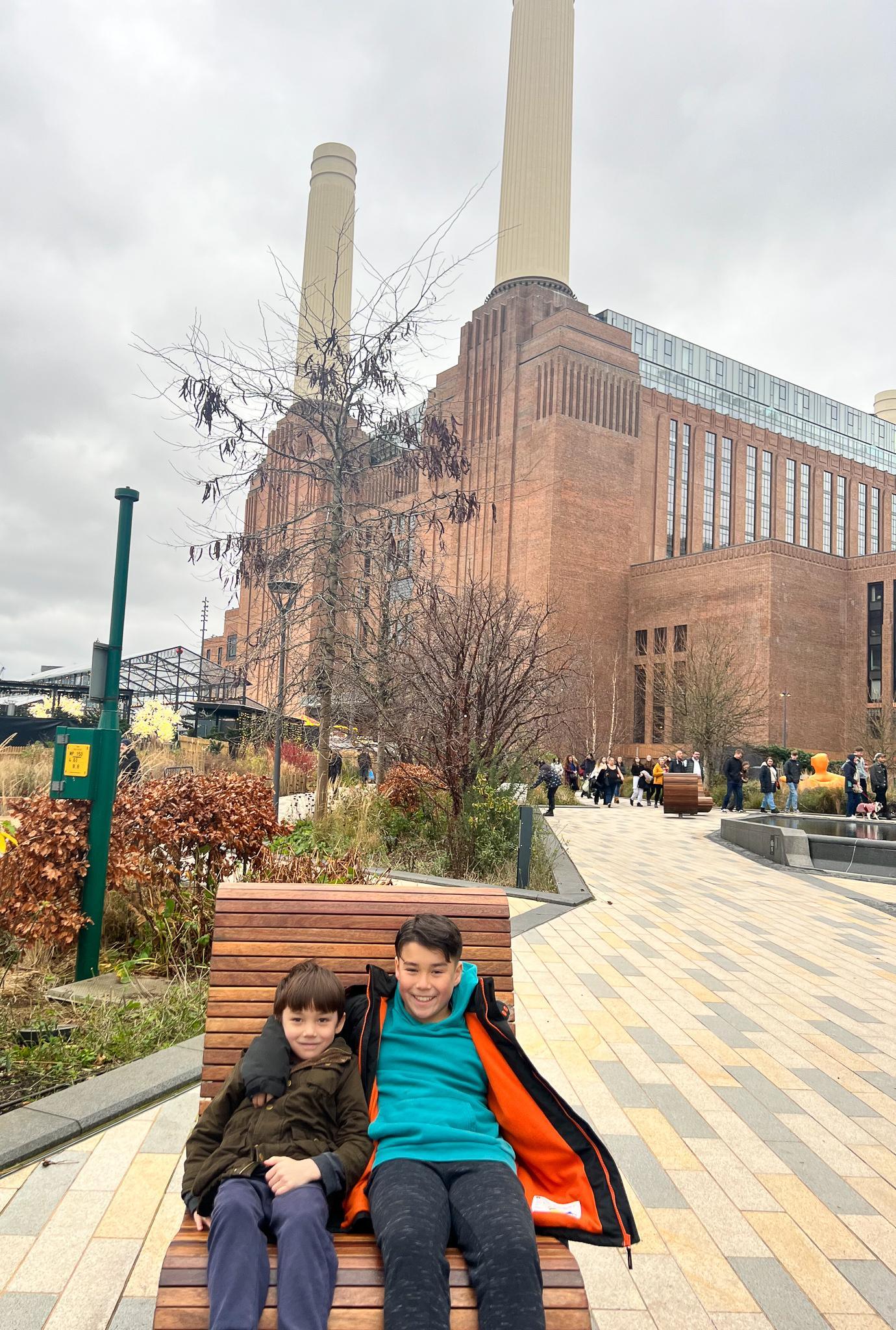
The area has its own Northern line station, putting you just 15 minutes from the West End. You can also take the Uber Boat by Thames Clippers from the Power Station pier – it’s a gorgeous way to travel into central London. The art’otel is the only hotel right on the Power Station’s doorstep, with a rooftop infinity pool and views over the chimneys, while Battersea Park next door is one of London’s loveliest green spaces for a morning run or a wander with the kids. We love coming here.
It’s a very different London experience – modern, polished, and a world away from the cobbled backstreets of Soho – but if you want a shiny new base with great transport links and plenty to do on your doorstep, it’s worth considering.
Price range: £150–£350 per night. Still a relatively new area for hotels, so options are more limited than in central London. But great option for self-catering or Airbnbs.
East London: Shoreditch, Spitalfields and the City
Best for: Foodies, nightlife, street art, independent shops
Nearest Tube stations: Liverpool Street, Shoreditch High Street (Overground), Aldgate East, Tower Hill
Walking distance to: Brick Lane, Spitalfields Market, Tower of London, Tower Bridge, Sky Garden

East London is where the city feels most alive and evolving. Shoreditch has gone from an edgy artists’ quarter to one of London’s trendiest areas, with rooftop bars, street food markets and vintage shops. It’s still got character, though — the street art around Brick Lane is worth exploring, and the curry houses on Brick Lane itself are a London institution.
Spitalfields sits between Shoreditch and the City of London, and it’s a lovely middle ground — independent coffee shops and the Old Spitalfields Market during the day, with easy access to Liverpool Street station and the financial district.
The City of London (London’s historic financial centre) is a smart choice that many visitors overlook. Hotels here are often better value than the West End, especially at weekends when the business crowd disappears. You’re within walking distance of Tower Bridge, the Tower of London, and the free Sky Garden viewing platform at 20 Fenchurch Street. St Paul’s Cathedral is here too.
One thing to note: The City is genuinely quiet at weekends. Restaurants and pubs can be closed on Sundays, so it’s worth checking before you venture out.
Price range: £100–£250 per night. The City of London offers some of the best value in central London, particularly Friday to Sunday.
North London: King’s Cross, Bloomsbury and Camden
Best for: British Museum, Regent’s Park, train connections, a village-like feel
Nearest Tube stations: King’s Cross St Pancras, Russell Square, Camden Town, Euston
Walking distance to: British Museum, Regent’s Park, Primrose Hill, Camden Market, St Pancras International (Eurostar)
King’s Cross has been completely transformed over the past decade. The area around Granary Square (where I’ve also worked) and Coal Drops Yard is full of restaurants, independent shops and a lovely canalside walk. In the summer, it’s great to just grab a few drinks and find a space alongside the canal.
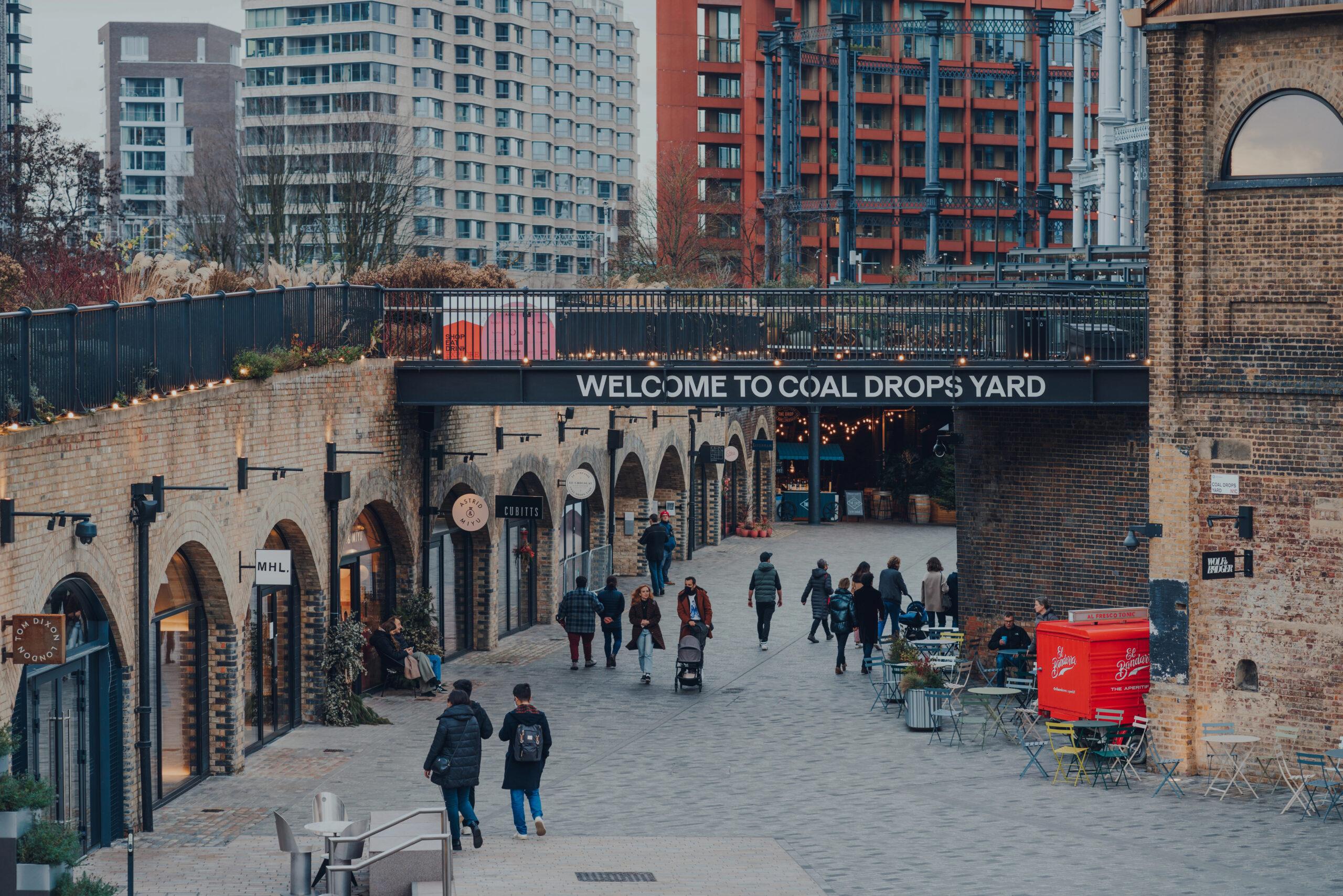
Some of my recommendations include Caravan on Granary Square for great food and coffee (they roast their own beans on site), and Happy Face Pizza for proper Neapolitan pizza at reasonable prices – it’s brilliant for families.
If you have time to queue, Dishoom is fantastic for Bombay-inspired street food; the bacon naan roll at breakfast is legendary. And if you’re arriving on the Eurostar from Paris or Brussels, you step out of St Pancras International, and you’re already at your hotel.
Bloomsbury is where London’s literary and academic heart beats. The British Museum – free to enter and home to the Rosetta Stone and the Elgin Marbles – is the centrepiece. The squares here are green and peaceful, and you’ll find plenty of small hotels in converted Georgian townhouses.
A little further north, Camden Town is where London gets loud and colourful. Camden Market is a maze of food stalls, vintage clothing, and independent traders. It’s brilliant for an afternoon, and the walk along Regent’s Canal from Camden Lock to King’s Cross is a hidden gem. Nearby Regent’s Park is one of London’s finest green spaces, and the climb up Primrose Hill for sunset views across the city is not to be missed.
Price range: £100-£250 per night. Bloomsbury and King’s Cross have good mid-range options. Camden is generally more affordable.
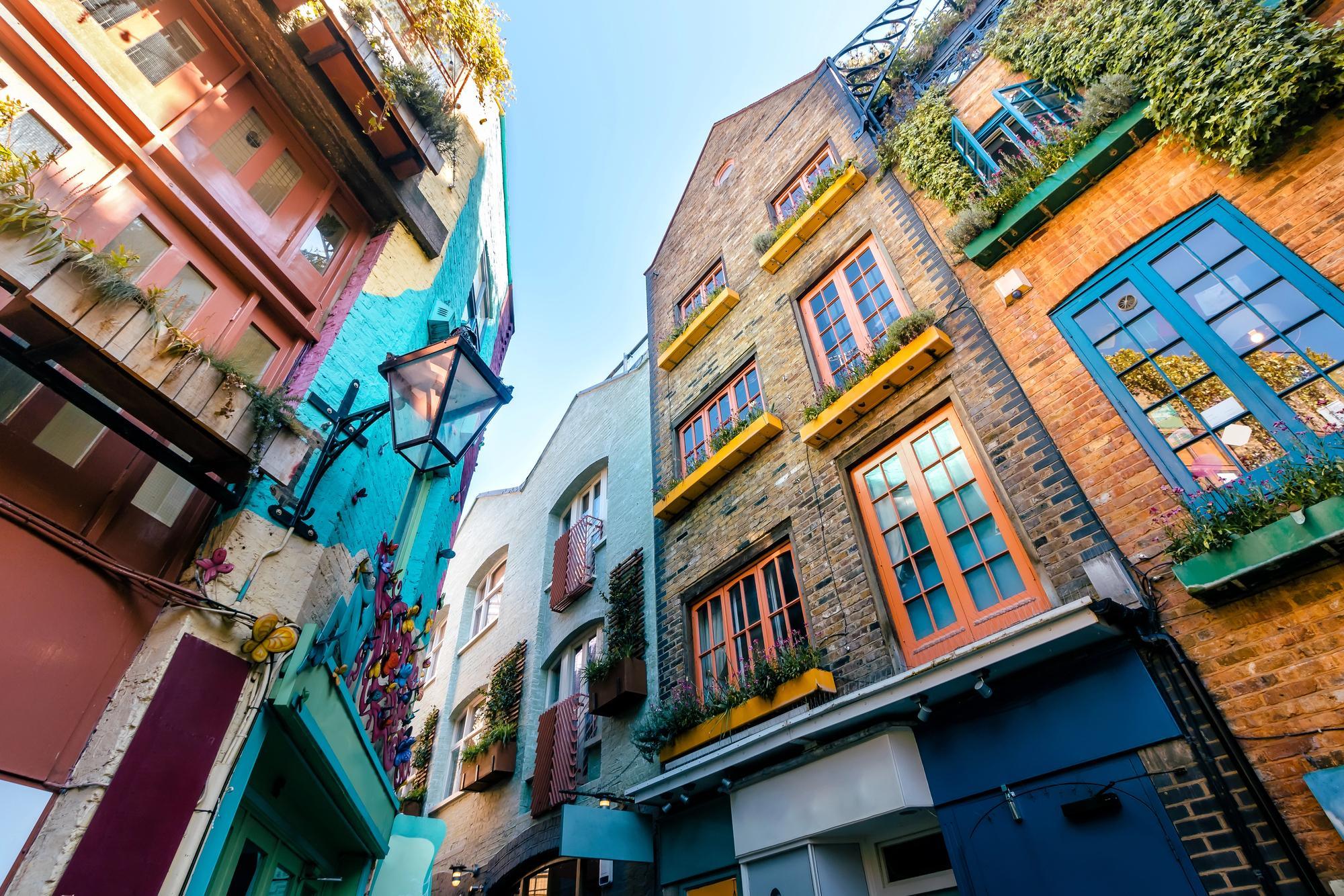
Staying further out: Getting more for your money
If your budget doesn’t stretch to central London, don’t panic. London’s public transport is excellent, and staying in zones 2 or 3 can cut your hotel costs significantly while keeping you well connected.
Areas worth considering include:
- Wimbledon (south west, zone 3) – far more than just the tennis. (I used to live and work here, too). Wimbledon Village has a lovely high street with independent restaurants and cafes, and Wimbledon Common is a huge open green space that feels like proper countryside. The District line runs directly to central London, or you can take a mainline train from Wimbledon to Waterloo in about 17 minutes. If you’re visiting during the Championships (late June to early July), the atmosphere here is electric. A couple of my favourite pubs in the village include The Dog & Fox and Fire Stables. If you’re heading to the Common, The Crooked Billet is another excellent choice.
- Richmond (south west, zone 4) – one of London’s prettiest areas and well worth the slightly longer journey. Head towards the river and find plenty of great bars and restaurants. One of my favourites is Peggy Jean at Riverside Green – where you can sit on deck, enjoy a great brunch and river views.
Richmond Park is the largest Royal Park in London – over 2,500 acres of woodland and open grassland where wild deer roam freely. The riverside is gorgeous for a walk, and nearby Kew Gardens (a short hop on the District line) is a world-class botanical garden. Richmond is on the District line and also has fast trains to Waterloo. It feels like a village, not a city – but you’re still only about 30 minutes from the West End on the Tube - Greenwich (south east) – home to the Cutty Sark, the Royal Observatory and a fantastic weekend market. The DLR or Thames Clipper gets you into central London in about 20 minutes

- Hammersmith and Shepherd’s Bush (west) – well-connected on the Piccadilly, District and Central lines. Westfield shopping centre is here, and you’re about 20 minutes from the West End on the Tube
- Islington and Angel (north) – trendy restaurants, independent shops and a village atmosphere, with Northern line access into the centre
The general rule: if you can see a Tube station within a 5 to 10-minute walk of your hotel and it’s on a line that runs direct to zone 1, you’ll be fine.
Getting around London
London’s transport network is one of the best in the world, and you don’t need a car. In fact, do not drive in central London. The congestion charge is £18 per day (as of January 2026), parking is almost impossible, and you’ll spend most of your time sitting in traffic.
The Tube (London Underground) is the fastest way around. Trains run roughly every 2 to 5 minutes during peak times. It operates from around 5am to midnight (and 24 hours on some lines on Friday and Saturday nights).
Buses cover routes the Tube doesn’t and are a great way to see the city. A single bus journey costs £1.75, and you can make unlimited bus journeys within one hour for the same fare. Buses do not accept cash – contactless or Oyster only.
Getting to and from the airports:
- Heathrow: Piccadilly line direct to central London (about 50 to 60 minutes, around £5.90 on Oyster/contactless). The Heathrow Express to Paddington takes 15 minutes but costs £25 on the day (from £10 if booked in advance). Children under 16 travel free on the Heathrow Express
- Gatwick: Gatwick Express to Victoria (30 minutes, about £20) or Southern/Thameslink trains (35 to 45 minutes, from about £12)
- Stansted and Luton: Both connected by express coaches and train services into central London
Paying for transport:
The simplest option is a contactless bank card or your phone (Apple Pay or Google Pay). Tap in and out on the Tube, tap in on buses. Fares are capped daily at £8.90 for zone 1 travel, meaning you never pay more than that no matter how many journeys you make. Weekly caps also apply (currently £44.70 for zone 1).
Alternatively, pick up an Oyster card (£7 from any Tube station). The fares are identical to contactless. An Oyster card is useful if you don’t want to use a bank card, or if you’re travelling with children who need their own card.
My top tip: Download Citymapper before you arrive. It’s free, and it’s the app most Londoners actually use. Pop in your start point and destination, and it shows you every option – Tube, bus, walking, cycling, river bus — with live departure times, journey costs and step-by-step directions. It’s genuinely brilliant for navigating a city this size. The official TfL Go app is also useful for live Tube and bus times and checking for service disruptions.
Watch out for rush hour. London’s Tube is packed with commuters between roughly 7.30am and 9.30am and 5pm and 7pm on weekdays. If you can, avoid travelling during these times – you’ll have a far more comfortable journey. This is especially important if you’re travelling with children or luggage. Outside rush hour, the Tube is much quieter and more manageable.
Visiting London with kids
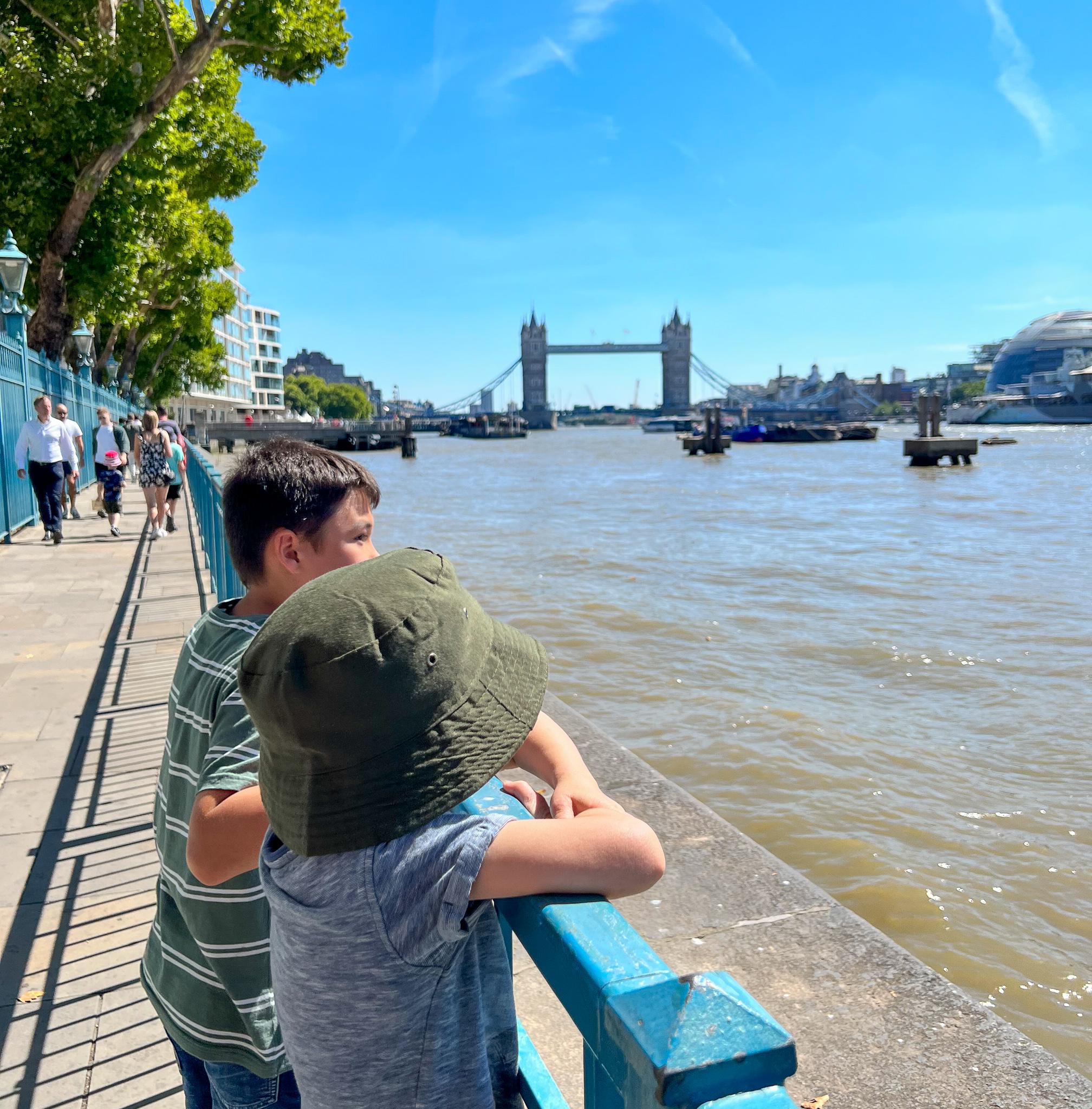
London is a fantastic city for families, thanks to so many free museums, parks and open spaces. But getting around with little ones does take some planning, especially if you’re using a buggy.
The Tube with a buggy – it’s doable, but plan ahead. Buggies are allowed on the Underground, but many older stations have no lift access, which means navigating stairs and escalators. Plenty of Londoners take buggies on escalators daily, but it’s not ideal, and it’s much harder during rush hour when trains and platforms are packed with commuters. Avoid travelling between 7.30am and 9.30am and 5pm to 7pm on weekdays if you can. Outside those times, the Tube is far more manageable with a pushchair.
Use the TfL Go app to plan step-free journeys – it has a specific setting that filters routes to stations with lifts. Over 90 Tube stations now have step-free access from street to platform, and all DLR and Elizabeth line stations are fully accessible. The newer lines and stations (Jubilee line extension, Elizabeth line, most of the Overground) are generally much easier with buggies than the older deep-level lines like the Central and Northern.
Consider the bus. Every London bus is low-floor with a ramp and dedicated buggy space, and you don’t have to worry about stairs or escalators at all. For short distances, buses can actually be faster than the Tube once you factor in getting down to the platform and back up again with a pushchair. A single bus fare is £1.75, and you can hop on as many buses as you like within one hour for the same price.
My tip for families: A lightweight, easily foldable buggy makes life much simpler on public transport. If you’re travelling with a toddler who can walk short distances, a carrier or sling can be easier than a pushchair for Tube journeys. And if there are two of you, one can manage the buggy while the other holds the child on the escalators – it’s how most London parents do it.
Family-friendly areas to stay: South Kensington (free museums and Hyde Park on the doorstep), the South Bank (flat riverside walks, the London Eye and Borough Market), and King’s Cross (Regent’s Park, the canal walk and good connections) are all excellent bases for families.

Practical tips from a Londoner
Book in advance. London hotel prices creep up the closer you get to your dates, especially in summer and around Christmas.
Consider apartment rentals for longer stays. If you’re staying more than 3 or 4 nights, a serviced apartment with a kitchen can save a significant amount on eating out, especially for families.
Factor in location over price. A cheap hotel 45 minutes from the centre on the Tube might seem like a bargain, but you’ll spend hours commuting and extra money on transport. A slightly more expensive hotel in zones 1 or 2 often works out better overall.
Free attractions add up. London’s biggest museums and galleries are free – the British Museum, National Gallery, Tate Modern, Natural History Museum, Science Museum, V&A, and many more. That’s a huge saving compared to most capital cities.
Eat like a Londoner. Skip the tourist-trap restaurants around Leicester Square and Covent Garden. Head to Borough or Greenwich Markets for incredible street food, Chinatown for dim sum (one of my favourites), or the curry houses of Brick Lane. Camden Market has brilliant food stalls from every corner of the world.
If you want to experience London’s multicultural food scene beyond the centre, Brixton Market serves up jerk chicken and Caribbean flavours, while Tooting has some of the best South Asian food in London. My favourite Tooting curry house is called Mirch Masala. Pre-theatre dinner menus in the West End also offer great value – around £15 to £25 for two or three courses.
There are too many restaurants to choose from in London, but I guarantee you’ll find something to suit all tastes and budgets.

Frequently asked questions
What is the best area to stay in London for first-time visitors?
For a first visit, the West End (Covent Garden, Soho, Westminster) is hard to beat. You’re within walking distance of Buckingham Palace, Big Ben, Trafalgar Square, the West End theatres and Oxford Street. It’s the most expensive area, but the convenience is worth it if your budget allows.
Is London safe for tourists?
Yes. London is generally very safe for visitors. Like any major city, use common sense – keep your belongings secure on the Tube and in crowded areas. Central tourist areas like Westminster, South Kensington and the South Bank are well-lit and well-policed.
How many days do you need in London?
I’d recommend at least 3 to 4 days for a first visit to cover the key sights without rushing. You could easily spend a week and still not see everything – I’ve lived here my whole life, and I’m still discovering new corners.
Is it better to stay north or south of the Thames?
Most first-time visitors stay north of the Thames, where the majority of sights and transport links are concentrated. However, the South Bank (Waterloo, Southwark, London Bridge) is an excellent alternative – central, well-connected and often better value.
Do I need an Oyster card, or can I use contactless?
A contactless bank card or mobile payment (Apple Pay, Google Pay) works identically to an Oyster card and is the simplest option for most visitors. Fares and daily caps are the same. You don’t need to buy an Oyster card unless you prefer to use one.
When is the cheapest time to visit London?
January and February offer the lowest hotel prices – often 30 to 40% cheaper than summer. The weather is cold (average 4-8°C), but London’s museums, theatres and cosy pubs make it perfectly enjoyable.
How much should I budget per day in London?
A realistic daily budget (excluding accommodation) is around £50-£80 per person for a mid-range visit, covering transport, meals and a couple of paid attractions. Budget travellers can manage on £30-£50 by sticking to free museums, street food and walking.
Can I do day trips from London?
London is perfectly positioned for day trips by train. Bath, Oxford, Cambridge, Stonehenge and Brighton are all reachable within 1 to 2 hours.
Is London easy to visit with young children?
Yes – London is one of the most family-friendly cities in Europe. Most major museums are free, the parks are brilliant, and there’s plenty to keep kids entertained. The main challenge is navigating the Tube with a buggy, especially at stations without lift access. Buses are generally easier with pushchairs, and travelling outside rush hour makes a big difference.