We stayed out by the beach, a few streets back from the sand, in an apartment I’d book again tomorrow if it still existed. It has since vanished from Airbnb listings, so I can’t point you to it, but the area itself, El Cabanyal, was the real find. Mornings were spent wandering the local area, past washing strung between balconies and kids playing on the local football pitches, then a short walk to breakfast by the sea.
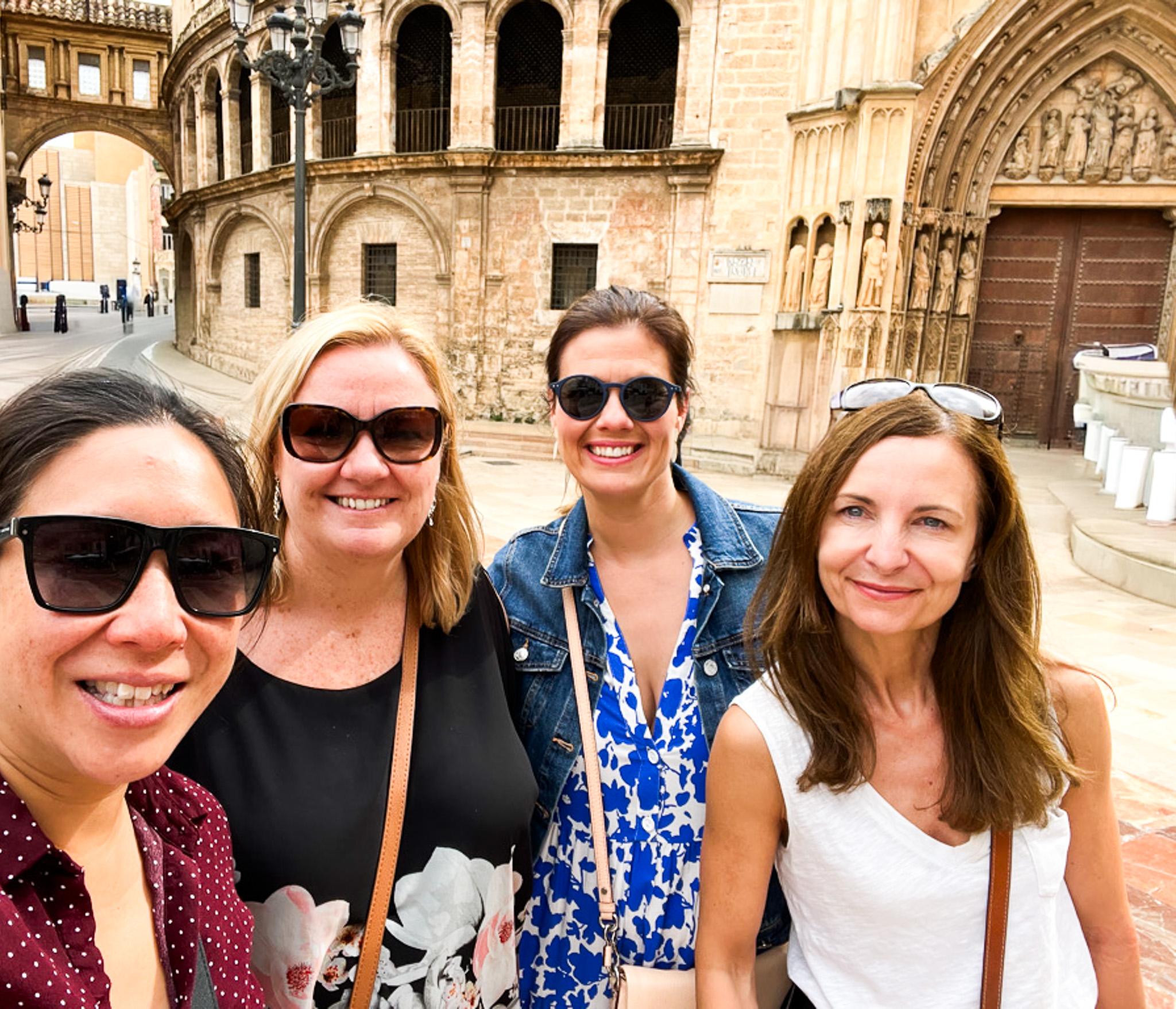
Where you stay in Valencia comes down to what you’re planning to see and do. For a first trip and sightseeing on foot, stay in the old town. For the best food and nights out, pick Ruzafa. For sand, relaxation and space, especially with kids, go for the beach around El Cabanyal.
For quiet, smart comfort, look at Eixample, and for a modern base near the Oceanogràfic, the streets around the City of Arts and Sciences. Here’s how each one feels, and where to book in each.
At a glance
- First time and sightseeing: the old town, Ciutat Vella
- Food, cafes and nights out: Ruzafa
- Beach and families: El Cabanyal and the seafront
- Quiet, upmarket comfort: Eixample and El Pla del Remei
- Modern base near the Oceanogràfic: the City of Arts area (Camins al Grau and Quatre Carreres)
- Best all-rounder: Ruzafa, close to the centre but calmer than the old town
Ciutat Vella and El Carmen, best for a first visit
If it’s your first time in Valencia, stay in the old town (Ciutat Vella). You wake up a short walk from the cathedral, the Central Market and La Lonja de la Seda, the UNESCO-listed silk exchange, with Plaza de la Virgen and Plaza del Ayuntamiento on your doorstep. You can do most of the city on foot without ever touching a metro.
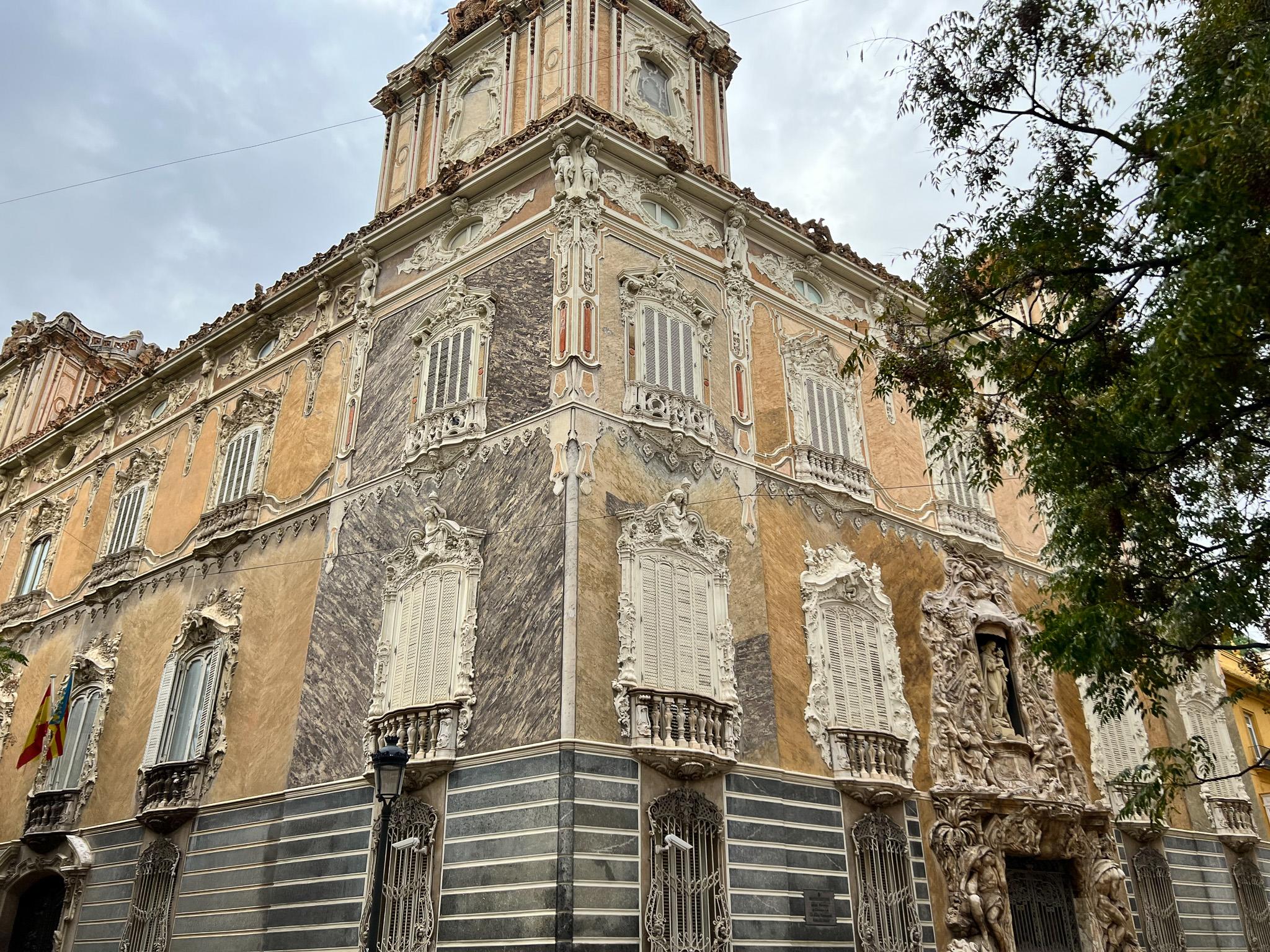
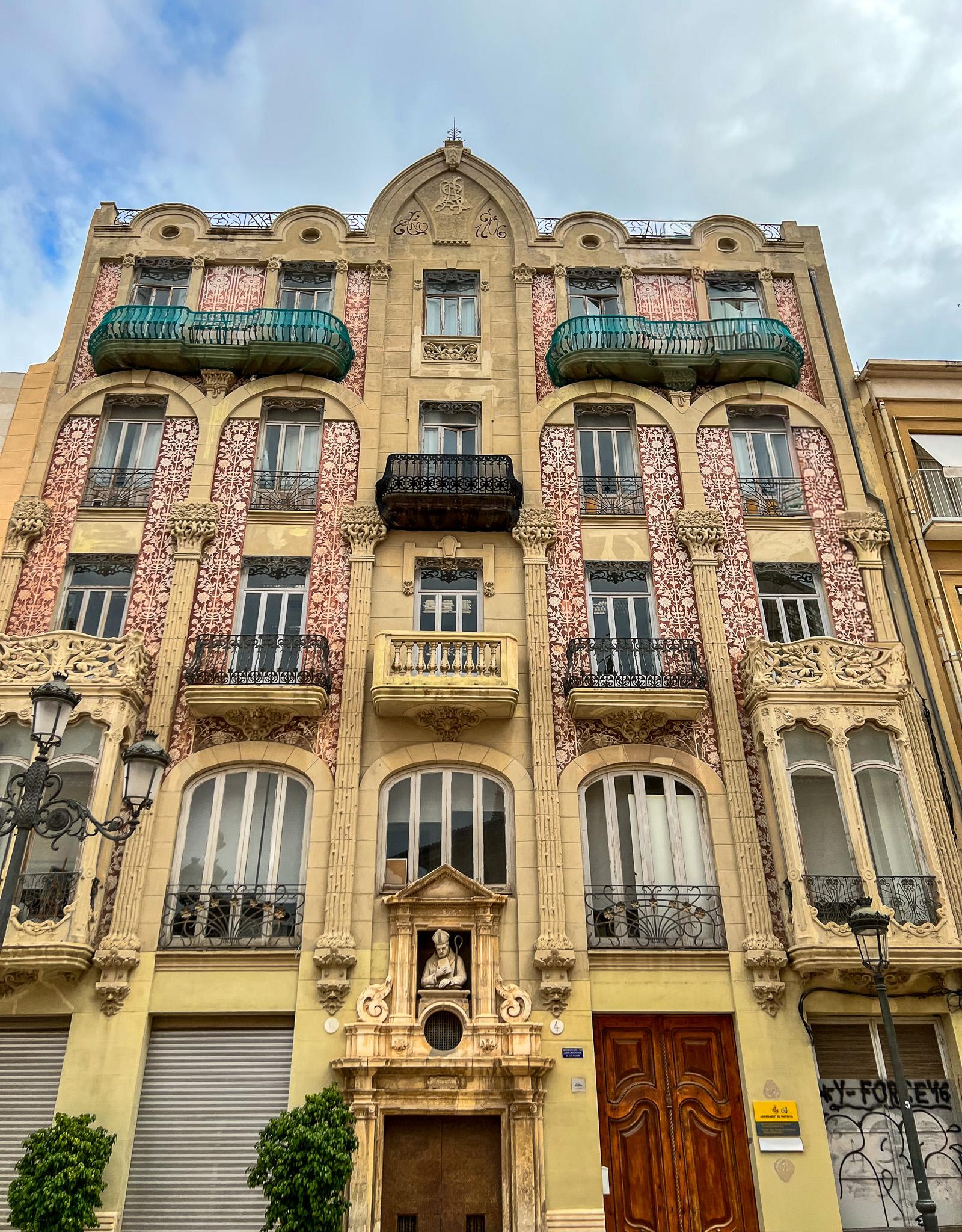
One thing to know. El Carmen, the old town’s northern corner, is the prettiest part and the loudest, with bars that run late, so light sleepers should look at the quieter streets around La Xerea or Sant Francesc instead. This is where you’ll find most of Valencia’s boutique hotels set inside historic buildings.
The five-star Caro Hotel is built over a stretch of Roman wall and is one of the loveliest places to stay in the city, and the MYR Palacio Vallier is a newer five-star boutique in a restored palace, with a rooftop bar. For mid-range, Vincci Mercat sits a minute from the Central Market, and the Valentia Cabillers is a reliable pick near the cathedral.
Ruzafa, best for food and going out
Ruzafa (Russafa) sits just south of the old town, about a 15-minute walk from the cathedral and a few minutes from the main train stations, handy if you arrive by AVE. If you’re a foodie and want to base your stay on eating out, this is the perfect spot for you. The streets are full of cafes, wine bars and small restaurants, there’s the Mercat de Russafa at its centre and some of the city’s best street art on the walls, and it stays busy into the evening without the old town’s late-night roar.
It’s more an apartment-and-boutique area than a big-hotel one. Petit Palace Ruzafa and Blanq Ruzafa are comfortable mid-range bases, and aparthotels like Líbere Valencia Ruzafa suit anyone who wants a kitchen and a bit more room. It’s also one of the easier areas for solo travellers, well lit and lively late.
El Cabanyal and the beach, best for families and sand
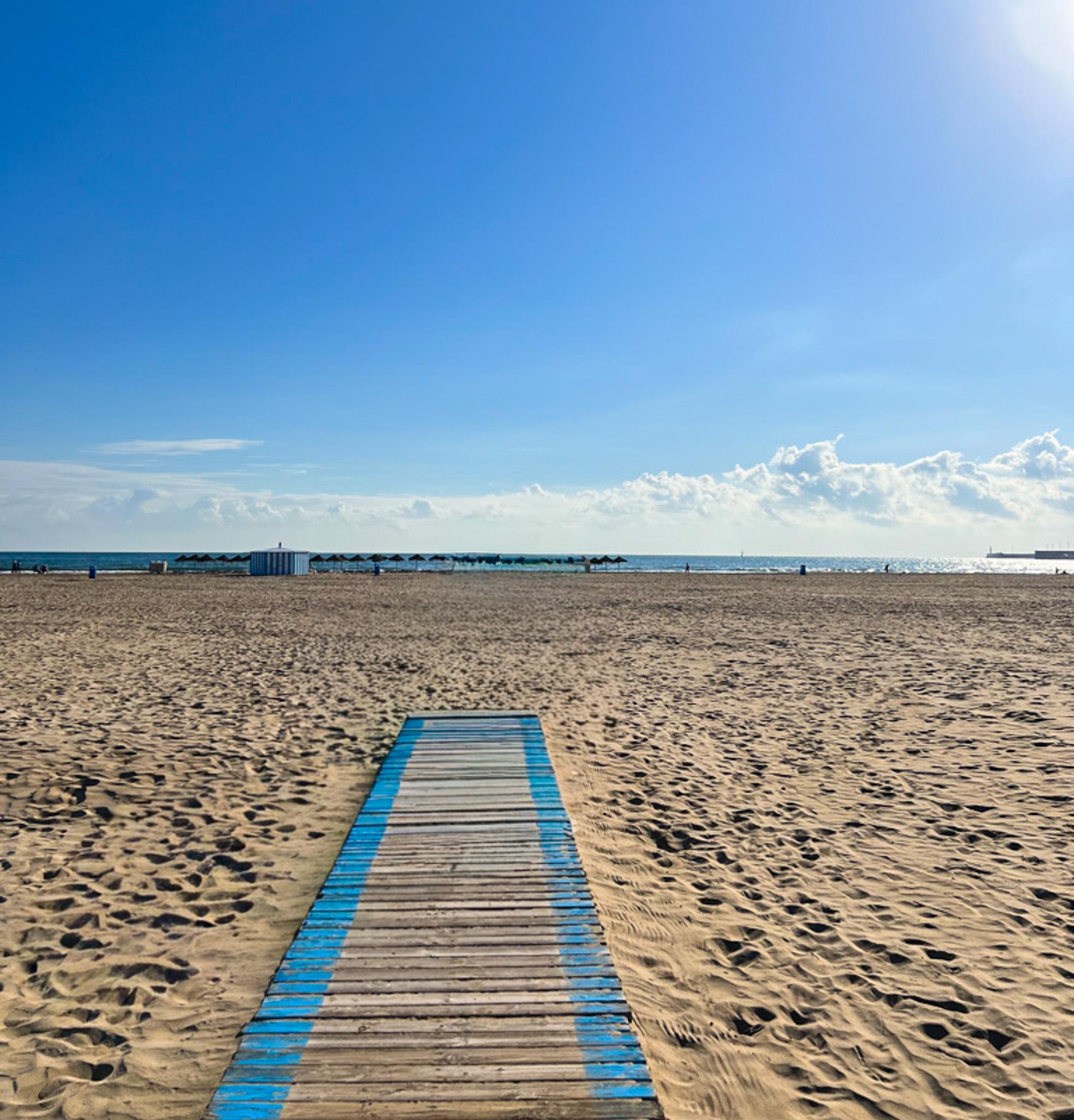
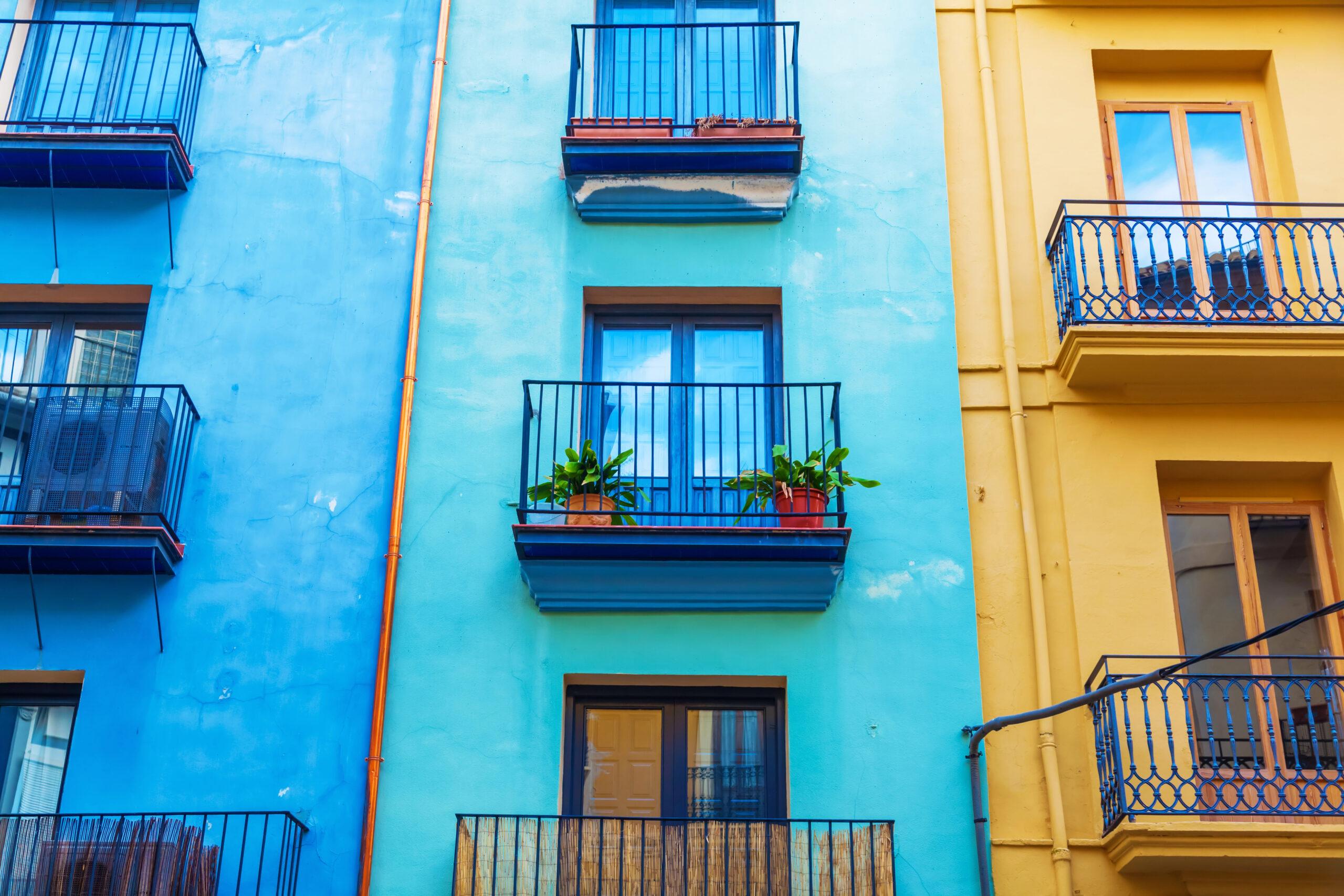
This is where we stayed, and where I’d come back with the kids. El Cabanyal is the old fishermen’s quarter behind Malvarrosa and Las Arenas beaches, a grid of low houses with painted-tile fronts that’s been slowly done up over the past decade. The beach is wide, sandy and a short walk away, and the seafood is some of the best in the city.
The trade-off is distance. You’re about 15 minutes by metro or tram from the old town, so it suits a longer, slower trip more than a two-night dash. Families do well here because there are plenty of apartments with kitchens, which helps when small people need feeding on their own schedule. For a beachfront splurge, the Hotel Las Arenas Balneario Resort is a grand old spa hotel right on the sand, Hotel Boutique Balandret is a small design hotel on the Paseo Neptuno seafront, and Sol Playa is a straightforward budget option by the water.
Eixample and El Pla del Remei, best for quiet comfort
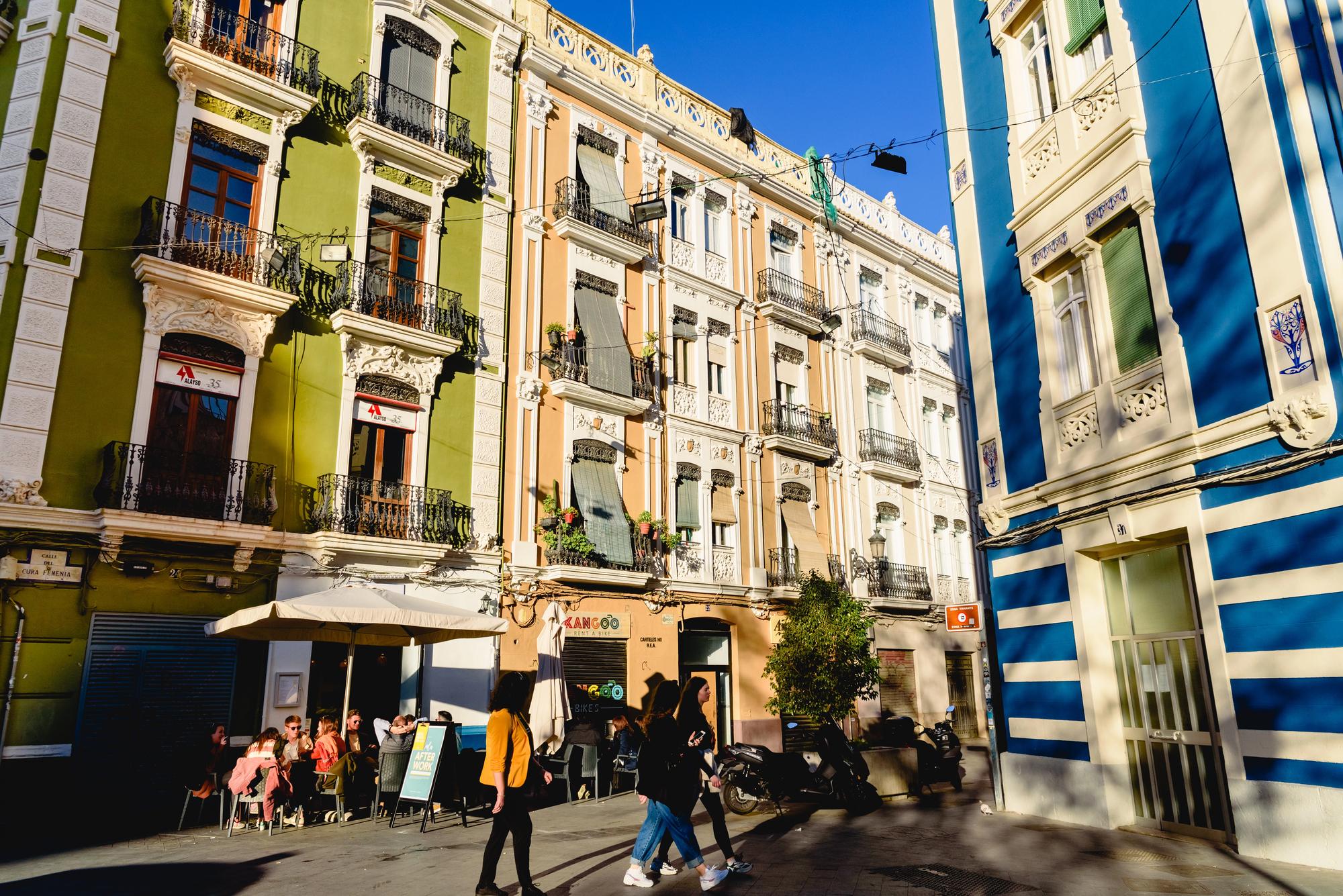
If you’d rather trade atmosphere for calm, look at Eixample, the elegant grid of early-1900s buildings between the old town and Ruzafa. The El Pla del Remei end, around Calle Colón, is Valencia’s smart shopping district, wide pavements and tree-lined streets, and an easy, grown-up place to come back to at the end of a day.
This is where the city’s big names sit. The Hospes Palau de la Mar fills a restored palace near the old town edge, and The Westin Valencia is a five-star with a garden courtyard, a short walk or ride from most of the sights.
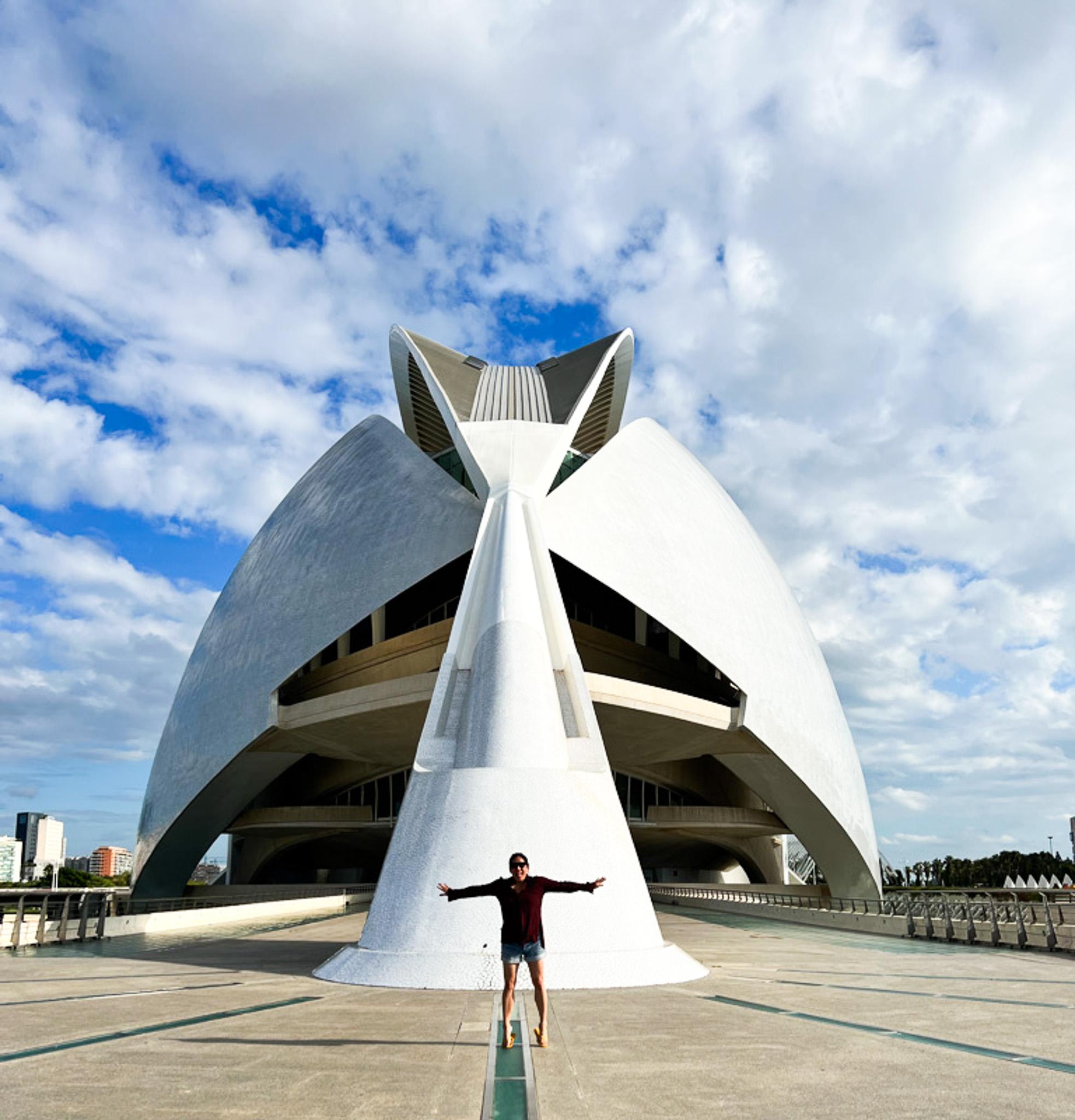
Near the City of Arts and Sciences, best for modern comfort and families
If the City of Arts and Sciences is top of your list, or you’re travelling with kids set on the Oceanogràfic, the modern districts beside the complex, Camins al Grau and Quatre Carreres, put you a short walk from Santiago Calatrava’s white buildings and the science museum. They’re quieter and newer than the centre, and they sit at the eastern end of the Turia Gardens, so you get green space and a traffic-free run into town on foot or by bike.
This is big-chain territory rather than boutique. Ilunion Aqua 4 is right next to the Oceanogràfic, and the Barceló Valencia faces the opera house at the complex’s edge, both with the pools and family rooms that earn their keep with children. The centre is about 15 minutes by metro or tram.

Hotel or rental, which to pick
For a short stay, a hotel is usually the easier call. You get a central location, breakfast sorted, someone on the desk at midnight and, at the smarter end, a pool to cool off in. For a longer trip, a family, or anyone who’d rather not eat out three times a day, a rental wins on space and a kitchen, and it drops you into a normal residential street rather than a lobby.
The other thing a good rental can give you is a local. We were lucky with ours. Our host, Carmen, left us pages of her own recommendations, the paella spot locals actually use, which market stalls to hit and when, and the walk home we’d never have found on a map. That kind of advice is worth more than any guidebook, and it’s the main reason I’d book a well-reviewed host over a faceless listing.
How to choose your area
For a short city break of two or three nights, stay central in the old town or Ruzafa so you’re not spending half of it commuting. For a longer or slower stay, or one built around the beach, the extra 15 minutes from El Cabanyal stops mattering and the sand more than makes up for it.
Travelling with kids, weigh the beach apartments of El Cabanyal against the modern hotels near the City of Arts. And if you’re planning day trips out to Albufera or along the coast, anywhere near a metro or train station keeps things simple.
Tip. Valencia gets hot from June to September, so check that your room has air conditioning. If you’re visiting in summer, a rooftop pool or terrace is worth paying a little more for.
Getting between the areas
Wherever you land, Valencia is flat and easy to cross, with good public transport and a metro station near every area. The old town, Ruzafa and Eixample are all within a 15 to 20-minute walk of each other, the tram and metro reach the beach in about the same time, and the Turia Gardens give you a green, car-free route right across the city. For airport transfers and getting around in full, see my things to do in Valencia guide.
Once you’ve settled on an area, my where to eat in Valencia guide covers the best of each, and the 3-day Valencia itinerary ties it all together. If you’re pairing cities, our Madrid guide picks up the capital.
Where to stay in Valencia FAQs
Where should I stay in Valencia for the first time?
The old town, Ciutat Vella. You’ll be within walking distance of the cathedral, the market and La Lonja, and you can see most of the city on foot.
Which area is best for families?
El Cabanyal and the beach, for the sand and the apartments with kitchens. If you’d rather be central, the quieter La Xerea side of the old town works well too.

Where should I stay in Valencia for the beach?
El Cabanyal, Malvarrosa or Las Arenas. You’re steps from the sand, though about 15 minutes from the old town by tram or metro.
Where should I stay to visit the City of Arts and Sciences?
Stay in Camins al Grau or Quatre Carreres, the modern districts beside the complex, and you can walk to it and the Oceanogràfic in minutes. It’s a good shout for families, with modern hotels and the Turia Gardens on the doorstep.

Is El Carmen too noisy to sleep in?
It can be, as the bars run late. If you’re a light sleeper, pick a quieter street in La Xerea or Sant Francesc, or stay in Ruzafa or Eixample instead.
Is Valencia a safe city to stay in?
Yes, it’s one of Spain’s more relaxed big cities, and Ruzafa in particular is busy and well lit at night. Take the usual care with bags and phones in crowded spots and on the beach.
Is Valencia cheaper than Barcelona for hotels?
Generally, yes. Room rates tend to sit below Barcelona and Madrid for a similar standard, which is a big part of its appeal for a city break.