My friends and I landed in Valencia on a sunny October afternoon and went out on foot looking for lunch. Within 10 minutes, we were lost in a knot of narrow streets, orange trees overhead, and had fallen into a tiny tapas bar loud with locals. That first wander set the scene for the rest of our long weekend in Spain’s third largest city, and it didn’t disappoint. In just a few days, we managed to combine relaxation, good food and unhurried exploring.
Valencia can be enjoyed at a slower pace. You get a walkable old town, a riverbed turned into a nine-kilometre park, white futuristic buildings that look like they’ve landed from another century, long golden beaches and the birthplace of paella, all in one place.
Here’s how to spend your time, from the headline sights to the local corners we loved most. A fair bit of what follows came from our Airbnb host, a local who kindly gave us her own tips, and they beat anything in the guidebooks.

At a glance
- Ideal for: first-time visitors who want the main sights plus a few local corners, families included.
- Time needed: two to three days for the city, plus a day for Albufera or the beach.
- Best time to go: spring or autumn. Summer gets hot and crowded.
- Book ahead: the Oceanogràfic and City of Arts and Sciences, especially in summer and during Las Fallas.
- Don’t miss: the old town, Mercado Central, the Turia Gardens, Malvarrosa beach and paella by the sea.
Explore the City of Arts and Sciences
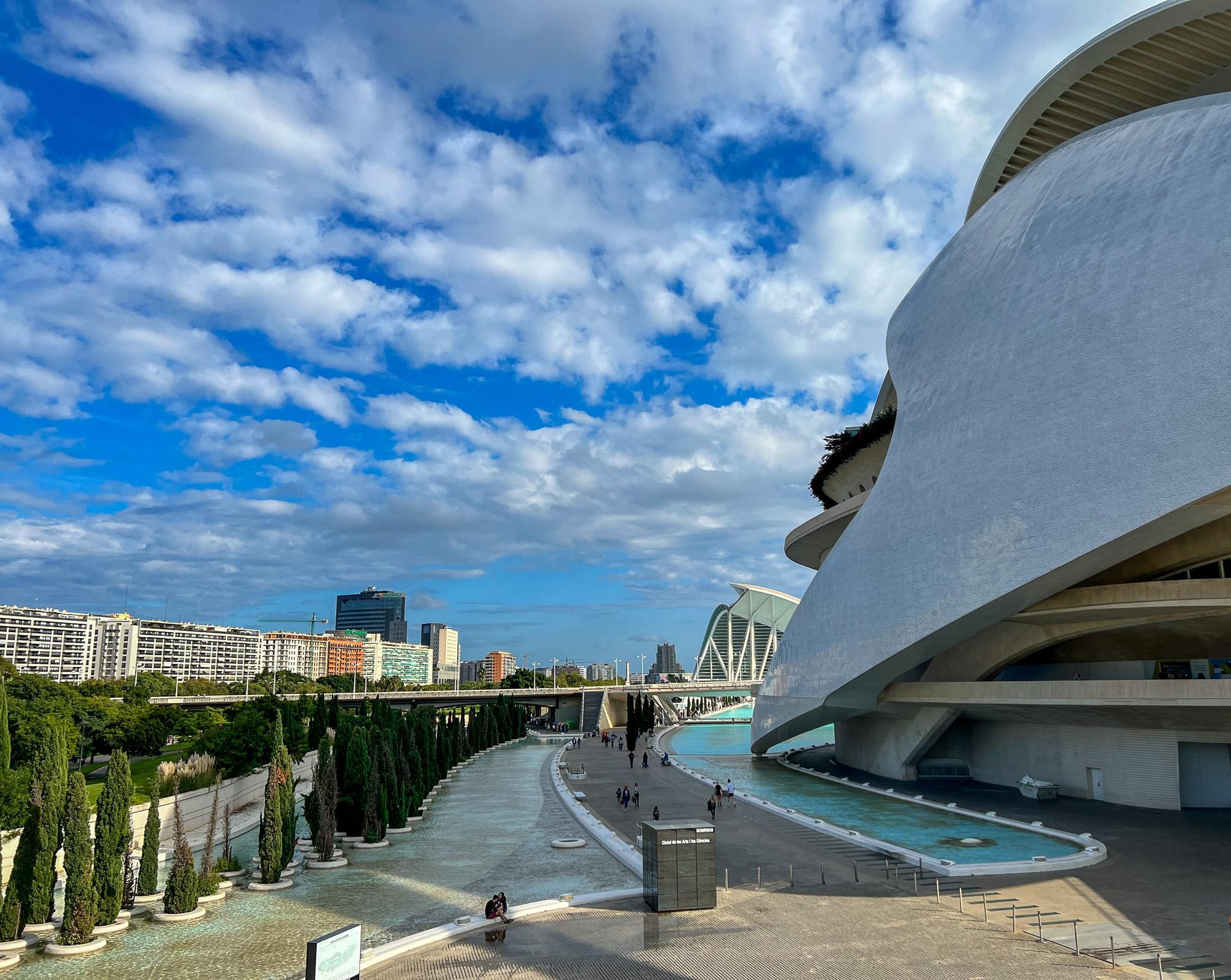
If you see one thing in Valencia, make it the City of Arts and Sciences. Santiago Calatrava’s white, curving buildings rise out of the old Turia riverbed like a film set, and come dusk, the shallow pools go glassy and double them. You can happily spend an hour wandering between them with a camera before you even step inside.
The Oceanogràfic is the largest aquarium in Europe, with sharks, belugas and a walk-through tunnel – perfect if you’re travelling to Valencia with kids. There’s also the Hemisfèric IMAX cinema and a hands-on science museum, and entry to the aquarium runs around €34 for adults, or about €48 for the combined ticket covering all three. Buy online in advance to skip the queues, and allow at least half a day for the aquarium.
Get lost in the old town and El Carmen
Back in the centre, the old town is made for strolling with no particular plan. Narrow streets open onto squares like Plaza de la Reina, washing strung between the balconies above and the smell of someone’s lunch drifting from an open window. You’ll pass blue-and-white tiled facades and the odd orange tree before you realise you’re happily lost-on-purpose.
The old town is also where to do your shopping, from ceramics and souvenirs to the big-name stores. My boys had decided an authentic Valencia CF shirt was non-negotiable, so part of the wandering turned into a happy hunt for the right one.

Two stops are worth building a morning around. La Lonja de la Seda, the 15th-century silk exchange, is a UNESCO World Heritage Site, and at just €2, free on Sundays, its twisted stone columns are one of the best-value things you’ll do here. Across the square, the Mercado Central is one of Europe’s largest fresh-produce markets, all iron and stained glass, free to wander, where you can buy jamón over the counter and a vermouth to go with it. For a treat, squeeze into Central Bar, the no-bookings counter run by Michelin-starred chef Ricard Camarena.
El Carmen is also where to try Agua de Valencia, the local mix of cava, fresh orange juice and a hit of gin and vodka that goes down far too easily. Our host sent us to Café de las Horas, all chandeliers and over-the-top decor, which turned out to be exactly the right shout.

Wander Ruzafa, the city’s coolest corner
Just south of the old town, Ruzafa (Russafa) is where Valencia feels most authentic. A once working-class barrio turned into the city’s most creative quarter, it’s all independent cafes, wine bars, vintage shops and street art, with the Mercat de Russafa, a neighbourhood food market, at its heart.
There’s no single sight to tick off here. The point is to wander, stop for a coffee, browse the shops and watch the place fill up as the afternoon turns to evening. It’s a 15-minute walk from the cathedral, and an easy one to fold into any day.

Make time for the museums
Valencia isn’t a museum-first city the way Madrid is, but a couple are worth visiting if you’re after some art and culture. The Museum of Fine Arts (Museo de Bellas Artes) is the second largest art gallery in Spain, with a room of Sorolla and works by Goya, Velázquez and El Greco, and it’s free to enter.
In the old town, the National Ceramics Museum is worth seeing for the building alone: the Marqués de Dos Aguas palace, fronted by an extravagant baroque doorway carved from alabaster. Inside are centuries of Valencian ceramics and a set of gilded 18th-century carriages. For modern art, the IVAM near the Turia Gardens is the city’s contemporary gallery.

Climb the Miguelete and see the Holy Grail
Valencia Cathedral sits right in the heart of the old town and blends Romanesque, Gothic and Baroque after centuries of rebuilding. Entry is around €8 to €10 and takes you into the chapel that holds a small agate chalice, said to be the Holy Grail, the cup from the Last Supper. Whether you buy that or not, it’s a quiet, strange thing to stand in front of.
For the view, climb the Miguelete, the cathedral’s octagonal bell tower, a couple of euros more on top of the cathedral ticket. It’s 207 steps up a tight spiral, and the whole city opens out at the top, old roofs on one side and the sea in the distance. If you’re around on a Thursday at midday, go to the Plaza de la Virgen to watch the Water Court, where farmers settle irrigation disputes out loud, a ritual that has run for a thousand years and is UNESCO-listed too.

Walk or cycle the Turia Gardens
My favourite way to see Valencia is from the Turia Gardens. After a flood devastated the city in 1957, the river was diverted, and the old bed became a park that runs nine kilometres through the centre. It’s full of joggers, cyclists, kids on the grass and families picnicking under the bridges.
Rent a bike, and you can ride the whole thing, from the leafy western end down to the City of Arts and Sciences. Families should stop at the Gulliver Park, a giant sculpture you climb up and slide down. It’s free, it’s green, and it’s where you see how locals actually spend their weekends.

Hit the beach and eat paella where it belongs
Valencia is one of the few big cities where you can finish a morning of sightseeing with your feet in the sand. Malvarrosa and Las Arenas are a short tram or bike ride from the centre, backed by a long promenade where people spill out of the bars, runners and cyclists weave past, and you’ll end up browsing the shops, including ALE-HOP like everyone else. For those of you who travel to Spain often, you’ll know this fantastic knick-knack store that sells everything from electronics to sunglasses and kids’ toys.

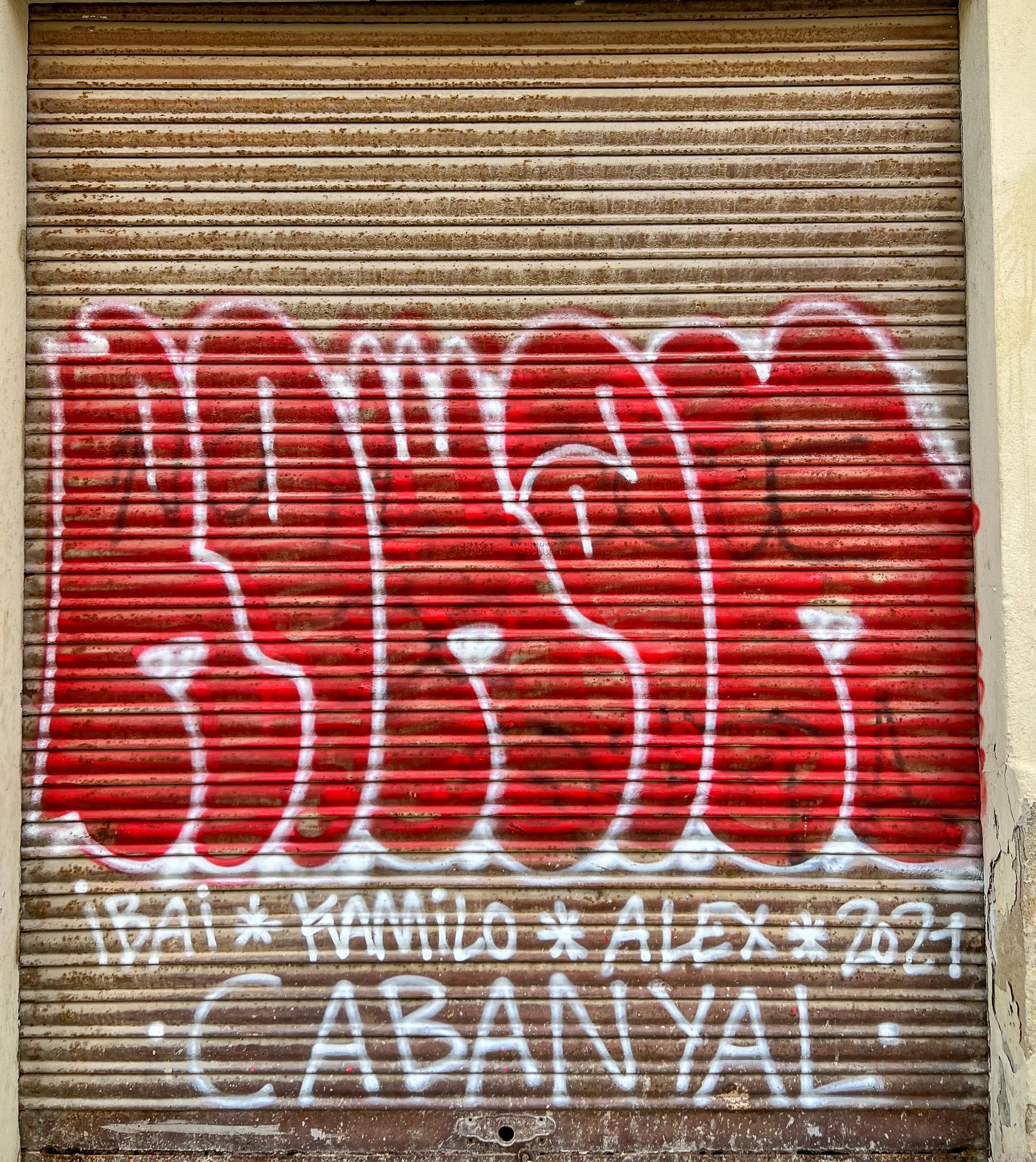
This is the place to eat paella, and paella is a Valencian dish, so you’re having it at the source. We ate ours at a beachfront table with the sea breeze ruffling the lights overhead, prawns and mussels and the day’s fish folded into a moreish, saffron-stained rice. Order it to share, go for lunch and don’t rush. Behind the beach, the old fishermen’s quarter of El Cabanyal is worth an afternoon for its painted-tile houses and its own run of bodegas.
Watch the sun set over Albufera
Half an hour south of the city, Albufera Natural Park is where the rice for your paella is grown, in flat green fields that stretch to the horizon around a freshwater lagoon. It’s the simplest way to swap the city for water and birdsong without hiring a car.
Time it for late afternoon and take a small boat out onto the water for sunset, which runs about €5 to €10 per person. The light turns gold then pink, the water goes mirror-still, and the only sound is the oars and the birds coming in to roost. Several places by the shore serve paella cooked the traditional way if you want to make an evening of it.

Time your trip for a festival
If you can line your trip up with a festival, do. Las Fallas runs 1 to 19 March, when the city fills with giant satirical sculptures and daily firework displays, before a final night when they’re all set alight. It’s loud, smoky and unforgettable, and it’s UNESCO-listed.
We came in October instead and caught the 9 d’Octubre celebrations, the Valencian Community’s own day, with processions through the streets and fireworks over the river. On our last night, we watched them from our rental balcony as they lit up the inky sky right across the city, a cold drink in hand. One of those travel moments you can’t plan for, and a hard act to leave on.

Best time to visit Valencia
Spring and autumn are the best times to visit. You get warm, walkable days without the summer crush, and the sea is still swimmable into October.
Summer is hot and busy, with locals heading to the beach alongside you. March brings Las Fallas, a brilliant experience but a packed, pricey one, so book early. Winter is mild and quiet, good for sightseeing if not for the beach.
How many days do you need in Valencia?
Two to three days cover the city itself, the old town, the City of Arts and Sciences, the market and the beach. Add a fourth day if you want to get out to Albufera or take a slow morning by the sea, which I’d recommend. If you’re mapping it out hour by hour, my three-day Valencia itinerary walks through the lot.
Getting from the airport to the centre
The airport sits about 8km out in Manises, and the easiest way in is the metro. Lines 3 and 5 run straight from the terminal to the centre in around 20 minutes for roughly €5, including the reusable card, and you get off at Xàtiva or Àngel Guimerà for the old town.
A taxi takes 15 to 20 minutes and costs around €20 to €25, which is worth it with luggage or a late flight, and ride-hailing apps like Uber, Cabify and Bolt work here too. The line 150 bus is cheaper again but slower, so I’d only bother if you’re counting every euro.
How to get around the city
Once you’re in, Valencia is flat and very walkable, and most of the main sights sit within the old town or a short stretch of the Turia. A single metro or bus ticket is about €1.50, and the tram out to Malvarrosa beach is the one you’ll use most.
For everything else, grab a Valenbisi public bike and ride the old riverbed, or pick up a Valencia Tourist Card for unlimited transport plus discounts on the big attractions. We walked almost everywhere – or ordered a cab, which tells you how compact it is.
Where to stay in Valencia
The old town and El Carmen keep you a short walk from almost everything, Ruzafa is the trendy, food-led corner, and the beach areas like El Cabanyal are quieter and better for families. Each one feels like a different city, so it’s worth picking with some care. I’ve pulled it all together in a separate guide to where to stay in Valencia.

Where to eat in Valencia
You’ll eat well almost anywhere, but paella by the beach and tapas in the old town are the two things to prioritise. There’s a full rundown in my guide to where to eat in Valencia. If you’re combining cities, our Madrid guide covers the capital too.
Valencia travel FAQs
Is Valencia worth visiting?
Yes, and I’d argue it’s the most underrated of Spain’s big cities. You get a walkable old town, striking modern architecture, city beaches and world-class paella without the crowds or prices of Barcelona, Seville or Madrid.
How many days do you need in Valencia?
Two to three days is enough for the main sights. Add a fourth if you want to visit Albufera or have a proper beach day.

Is Valencia a walkable city?
Very. It’s flat, compact and easy to cross on foot, and the Turia Gardens give you a traffic-free route right through the middle. Bikes and the metro cover anything further out.
How do I get from Valencia airport to the city centre?
The metro, on lines 3 and 5, runs from the terminal into the centre in about 20 minutes for around €5. A taxi takes 15 to 20 minutes and costs roughly €20 to €25.
When is the best time to visit Valencia?
Spring and autumn, for warm weather without the summer heat and crowds. Go in March for Las Fallas if you want the festival, and expect higher prices and bigger crowds if you do.
Is Valencia cheaper than Barcelona or Madrid?
Generally yes. Food, drinks and accommodation tend to cost less than in Barcelona or Madrid, which is part of why it makes such an easy city break.
Is paella really from Valencia?
It is. Paella was born in the rice fields of the Albufera wetlands just south of the city, which is why eating it here, ideally by the beach or out by the lagoon, is a must.