I remember turning to my friends, a glass of cold rosé in hand, as a table of tapas landed in front of us, overlooking the sparkling Mediterranean. How was it that a few hours ago we were in cold, wet England, and now here we were in the Spanish sunshine? That’s why I love travel, and why I love Spain. For those of us lucky enough to live only a few hours away, it’s so quick and easy to reach.
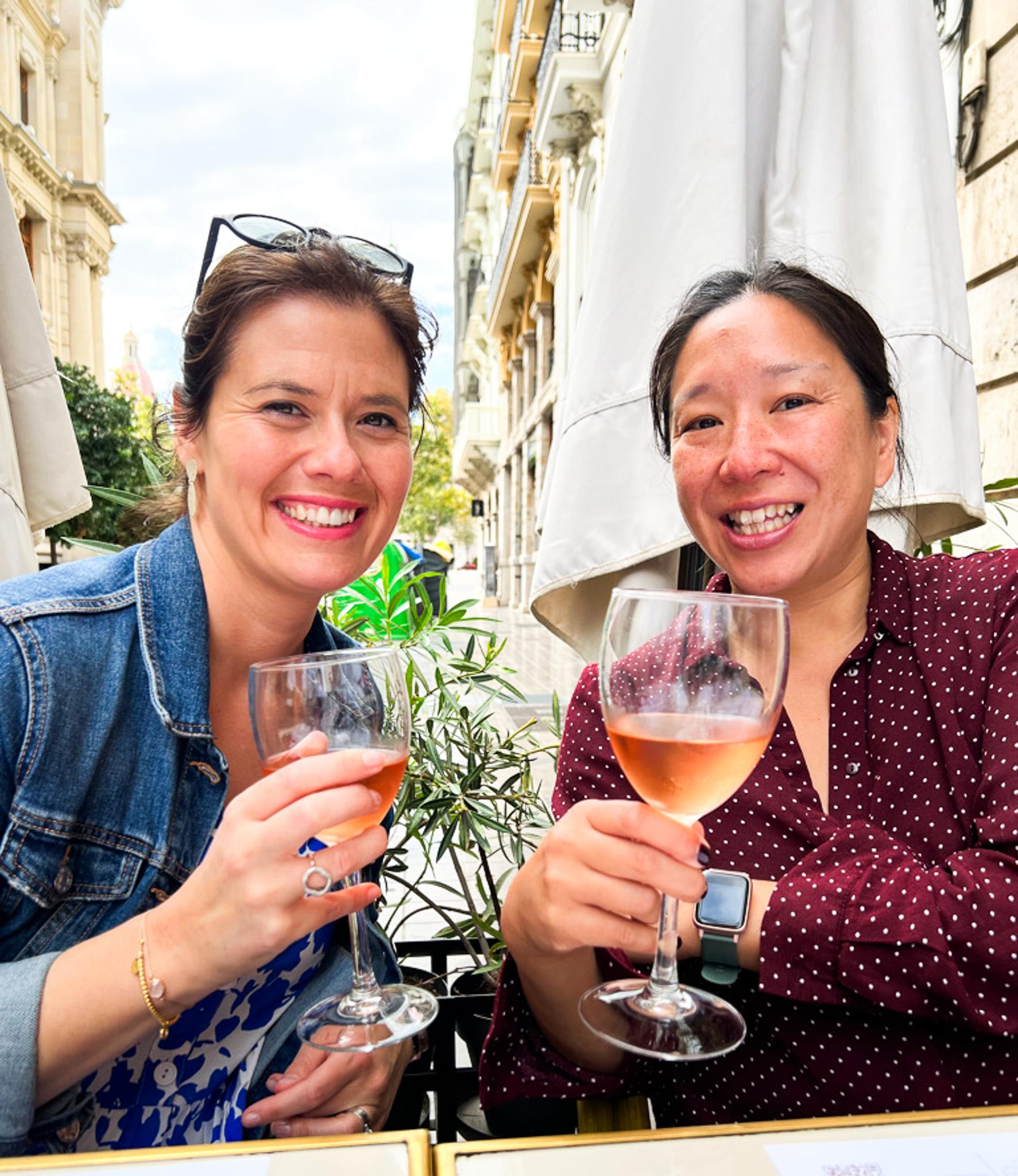
We ate our way through Valencia, and I’d go back tomorrow for the food alone. It’s the birthplace of paella, so we had our fill of rice, but the meals that stuck with me were the slow ones, long lunches by the sea, cold horchata in the afternoon heat, and tapas and wine that turned into far longer evenings than we’d planned.
Below are what I’d call the best restaurants in Valencia, the places we loved and the best of what we ate, plus a few more worth your time.
At a glance
- Best paella: La Pepica or Casa Carmela, both by the beach
- Best tapas: Casa Montaña in El Cabanyal
- Best brunch: Boa Beach, right on the sand
- Best bars and rooftops: Àtic at Palau Alameda and Café de las Horas
- A special meal: Ricard Camarena or Flores Raras, two Michelin stars each
- Don’t leave without: horchata and fartons
Know your paella
Traditional paella valenciana is a meat dish, chicken, rabbit, flat green beans and butter beans, with snails when they’re in season. No seafood, no chorizo. The yellow rice heaped with prawns on menus is called paella de marisco, a separate dish, and delicious in its own right, just not the original Valencian dish.

You can find paella at just about any hour in most restaurants, and most will cook one for you there and then. Traditionally, though, it’s a lunch dish, eaten slowly in the early afternoon, and a few of the old-school spots still like a day’s notice for the real thing. If you’ve set your heart on a particular restaurant, a quick call ahead never hurts.
Must-try Valencian food and drink
- Paella valenciana – the original, chicken, rabbit and beans over rice
- Arròs del senyoret – peeled-seafood rice, no shells to fight
- Fideuà – paella’s noodle cousin, from the coast
- Esgarraet – roasted red pepper and salt-cod salad
- Clóchinas – small local wild mussels, summer only
- All i pebre – eel and potato stew from the Albufera
- Esmorzaret – the big mid-morning sandwich, with a drink
- Horchata and fartons – tiger-nut drink with soft pastry fingers for dipping
- Agua de Valencia – cava, orange juice, gin and vodka, by the jug
- Cremaet – Valencian coffee laced with rum and spices
- Bunyols de carabassa – pumpkin fritters shaped like doughnuts, the taste of Las Fallas in March
Where to eat paella
Paella is one thing you have to try, but Valencia’s rice runs wider than that. Order arròs del senyoret and the seafood comes already peeled, so there’s no shelling at the table, or arròs a banda, cooked in a rich fish stock and served as just the rice. The best-known paella restaurants line the Malvarrosa and Las Arenas seafront, about 15 minutes from the old town by tram or metro, so leave time to get out there and back.

La Pepica is where we ate our first paella, on the Malvarrosa seafront and serving since 1898. There’s real theatre to the arrival, a waiter bent under a pan so wide it takes over half the table. A lovely, easy introduction to Valencian rice, right by the water. We had a lovely evening here.
Casa Carmela, a few minutes along the beach, is where our Airbnb host Carmen, a Valencia local, sent us for the wood-fired version – and it was amazing. Open since 1922, it cooks its rice over orange wood for a smoky edge and a crisp socarrat at the base of the pan. It’s reservations only and fills fast, so book.
La Marcelina is the other Malvarrosa classic, on the Paseo de Neptuno with tables looking straight out to sea. Its set arrocería menu is good value, and you choose your rice, from the traditional valenciana to its own seafood ‘Marcelina’. Book a table on the terrace.
La Riuà is the old-town choice if you’d rather not head to the coast. A tiled, family-run classic in the historic centre, it has been serving rice and seafood for decades and does a fine traditional paella.
Casa Roberto is the one to head for in the city centre, a long-running, old-school arrocería where locals book in for a rice lunch. The arròs del senyoret, all peeled seafood, is what to order.

The best tapas in Valencia
Sabbia was our first long lunch, a bright, open, contemporary space right on Las Arenas beach. The signature patatas bravas were the standout, served not as the usual pile but as individual small potatoes each filled with aioli, and the octopus tacos were sublime. Modern Mediterranean cooking a few steps from the sand, and in the evenings it turns into more of a scene, with live music.

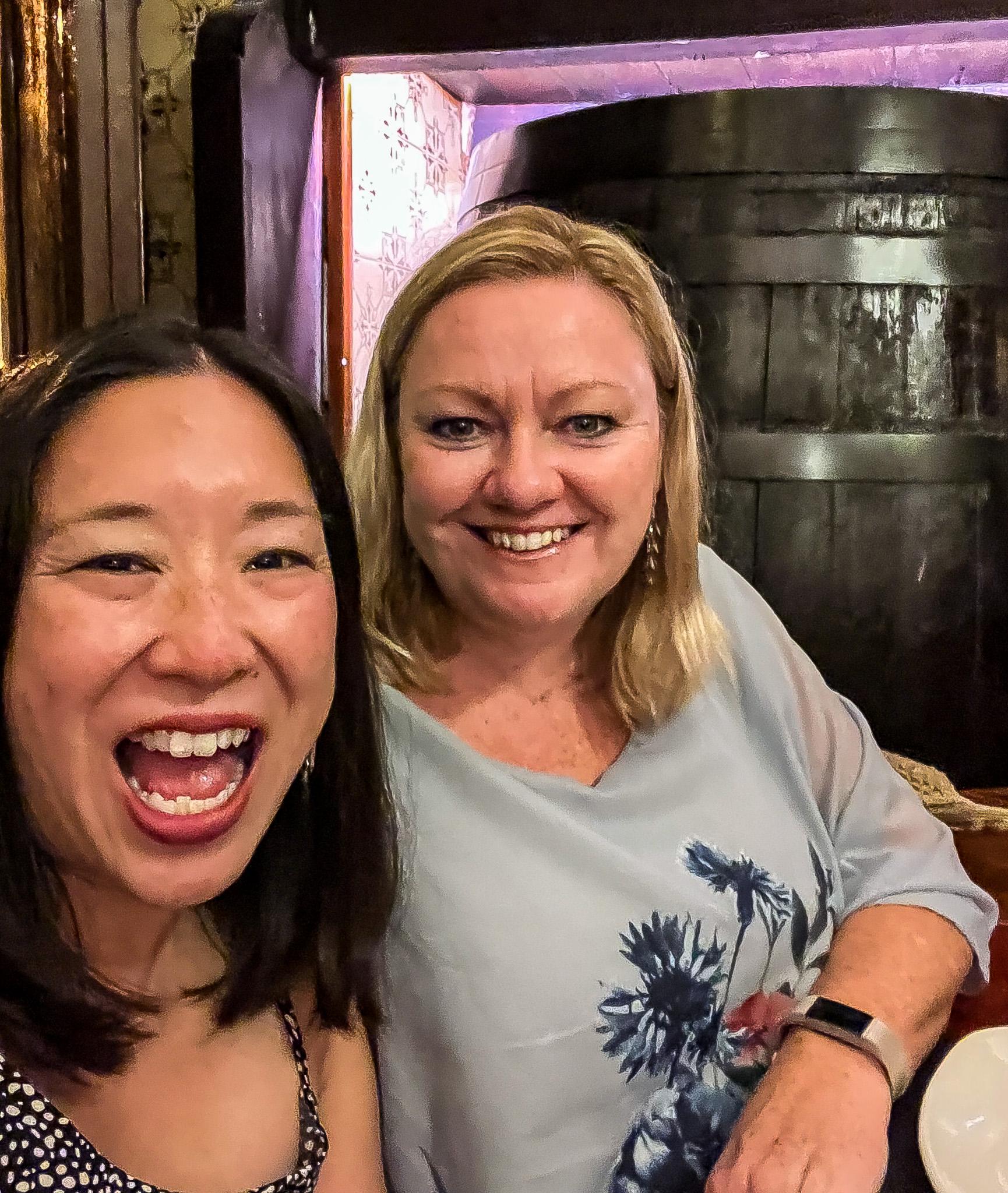
Casa Montaña was the best meal we had, and it isn’t paella. This bodega in the El Cabanyal neighbourhood, the old fishermen’s quarter by the beach, has been going since 1836. Giant oak barrels line the walls, and the wine list runs hundreds deep. It gets packed, so we booked a table ahead, which I’d strongly recommend, then settled in and kept ordering: clóchinas, anchovies, croquettes and more wine.
Central Bar, inside the Mercado Central (Mercat Central in Valencian), is the no-bookings counter from two-Michelin-starred chef Ricard Camarena. Order the cuttlefish or the house bocadillo, stand at the marble and watch the market move around you. It’s some of the best value in the city, and a fine spot for jamón ibérico too.
Tasca Ángel is a standing-room tapas bar behind La Lonja, going since 1946 and loud with regulars. The fried sardines are the house dish, with snails, grilled artichokes and all i pebre alongside. Squeeze in if you can.
La Pilareta is one of the oldest tapas bars in the old town, near the Torres de Quart. Come for the clóchinas in summer and the famous calamares, among barrels of vermouth and a floor made for dropping your toothpicks on.
Brunch and breakfast
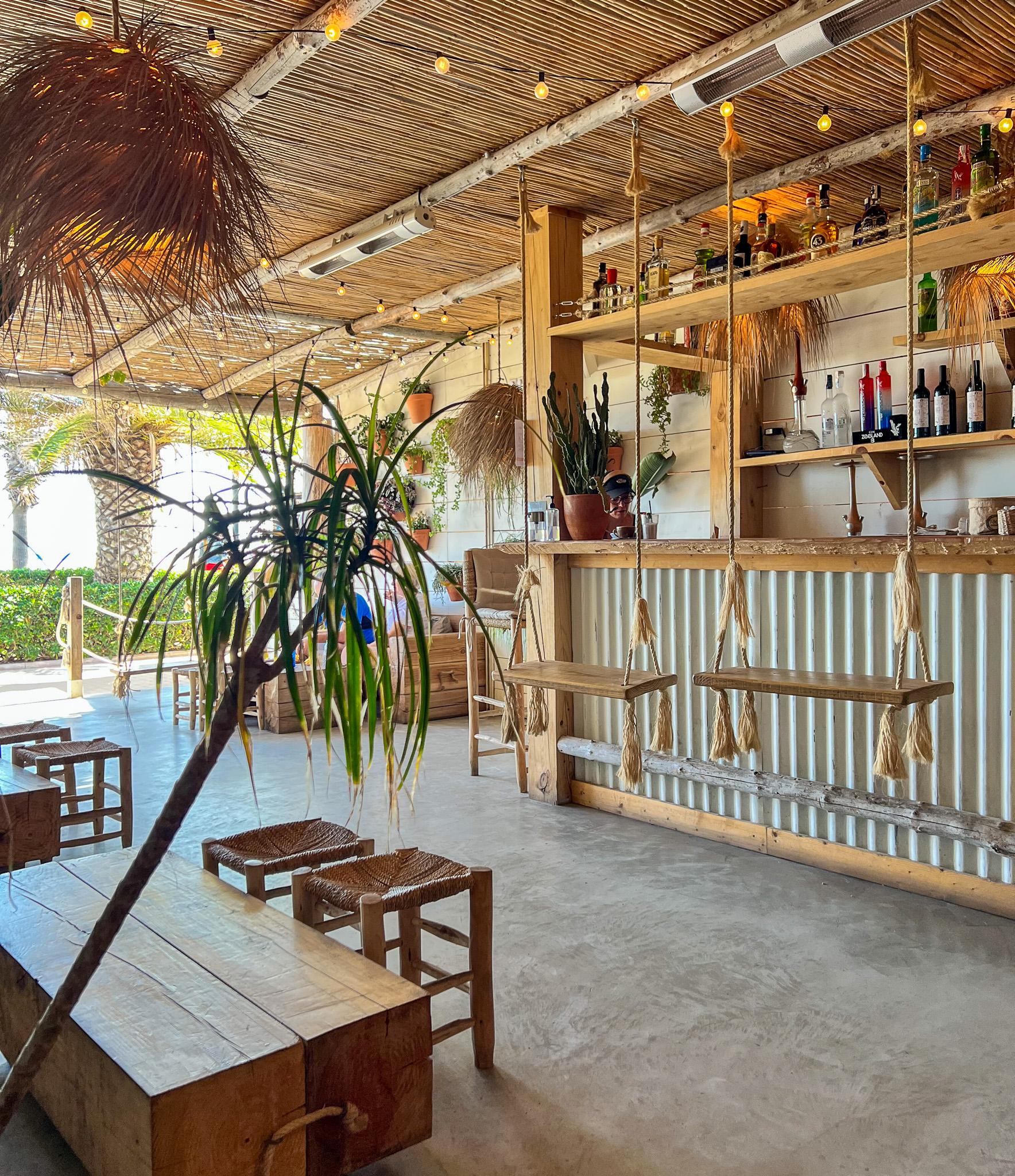
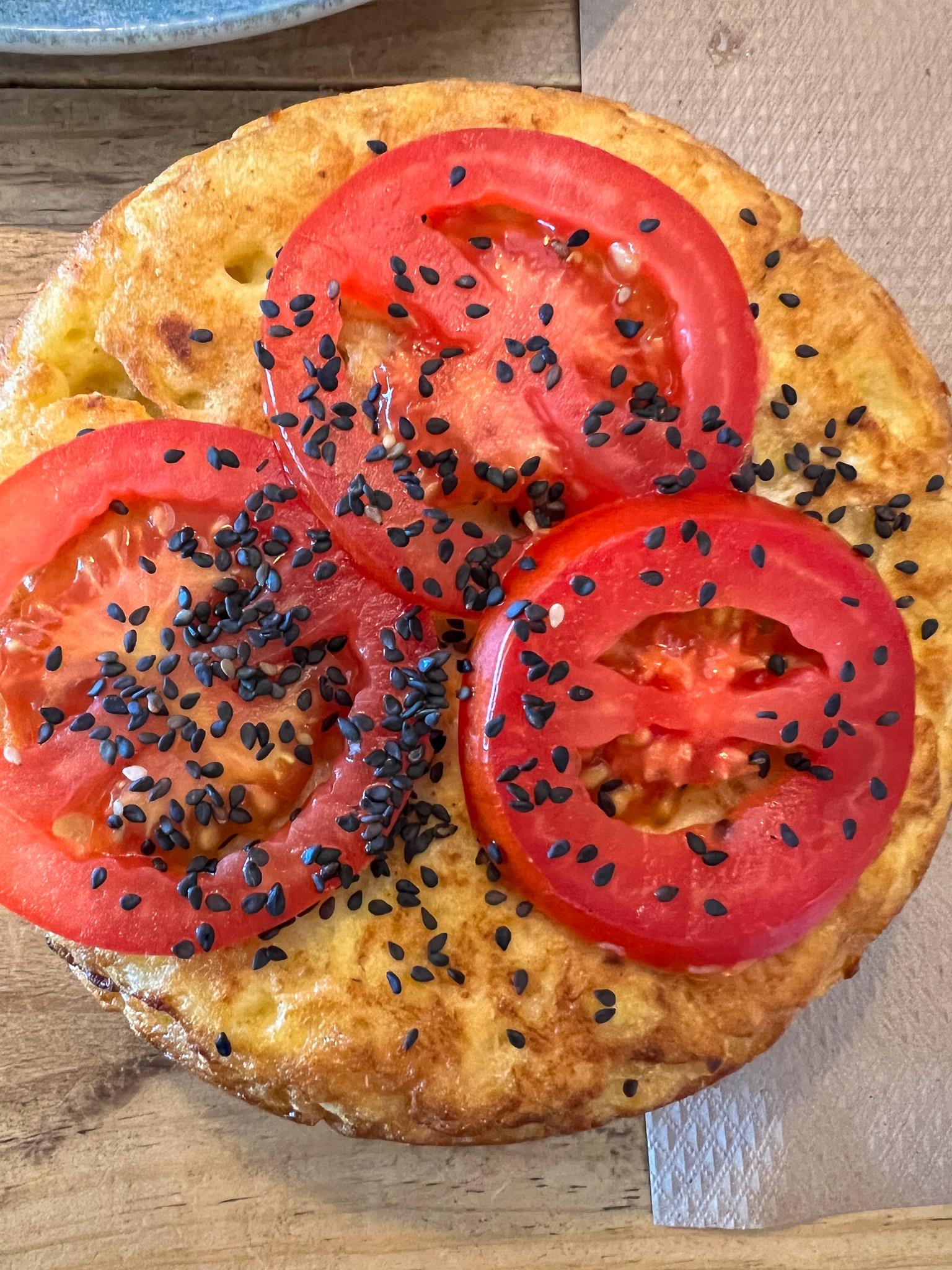
Boa Beach was our breakfast favourite, right on the sand near where we stayed. Great menu, a warm welcome, and poached eggs I still think about. Come for a slow morning before the beach fills up.
Bodega La Pascuala, another of Carmen’s steers, is the more local morning option in the beach neighbourhood. It’s the kind of place that’s full of regulars by 10am, good for a strong coffee, esmorzaret and something simple.
Federal Café in La Xerea does an Australian-style brunch, strong coffee, good pastries and a menu built for a lazy weekend morning, in a bright, busy room in the old town.
Voltereta, a local favourite with leafy, tropical decor, is the trendier brunch pick, popular enough that you’ll want to go early or book. Good for smoothie bowls and brunch plates with a crowd.
The best bars and rooftops in Valencia
Àtic at Palau Alameda was one of our smarter nights out, a panoramic rooftop across the river with sunset views and a contemporary, brasserie feel. Go for the terrace and make sure you order some cocktails – they went down well!

Café de las Horas in the old town is the place to try an Agua de Valencia. It’s the city’s own cocktail, a mix of cava, fresh orange juice, gin and vodka, served by the jug and far more potent than it tastes. The room helps, all chandeliers and velvet, opulent and over the top, but in a good way.
Café Madrid is where the Agua de Valencia was invented, back in 1959, and it still makes a good one, either downstairs in the old café or up on its small rooftop. A lovely slice of the city’s drinking history.
For a sunset drink with a view, the rooftop bar at the MYR Palacio Vallier looks straight over the Plaza de la Virgen and the cathedral domes. Smart cocktails, open to non-guests, best an hour before the light goes.
Do try horchata
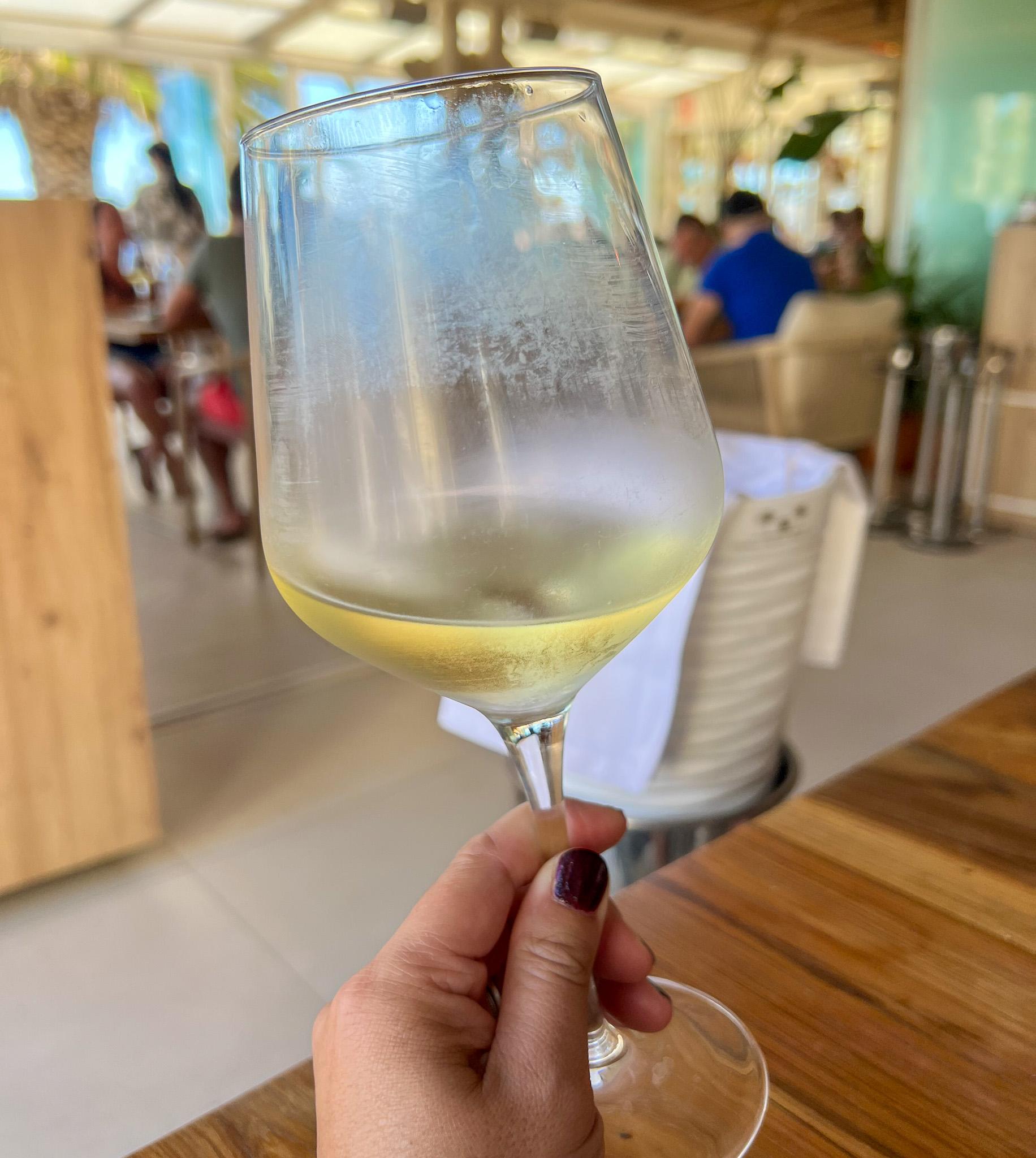
Valencia’s own drink is horchata (orxata), cold, sweet and milky, made from tiger nuts grown just north of the city. You dip fartons into it, long, soft, glazed pastry fingers made for exactly that, which soak up the horchata as you go. Skip the supermarket cartons entirely. It doesn’t sound very appetising, I grant you, but it’s really delicious and cooling.
Horchatería Santa Catalina in the old town is the tiled, two-century-old classic, busy and often a queue – but worth the wait.
Horchatería Daniel started out in the tiger-nut fields of Alboraya and has a counter in the Mercado de Colón, a good central spot for the real thing.
Horchatería El Siglo, on the same square as Santa Catalina, is the quieter local alternative when the classic is heaving.

For a special meal
For a romantic dinner, a milestone date night or other special occasions, the city is in strong form. Valencia has eight Michelin-starred restaurants, with several more carrying Repsol Suns, Spain’s other major rating.
Ricard Camarena is the city’s best-known table, with two Michelin stars and three Repsol Suns for a vegetable-led tasting menu built on local produce, much of it from his own garden, in a converted factory. Book well ahead and go at lunch if you want to be kinder to your wallet.
Flores Raras is Quique Dacosta’s fine-dining room near the town hall, with two Michelin stars and two Repsol Suns, which you may know as El Poblet until it was renamed earlier this year. Creative Valencian cooking for a seriously special occasion.
Below them sit the city’s one-star rooms. Fierro in Ruzafa seats barely a dozen and books out weeks ahead, while nearby La Salita, chef Begoña Rodrigo’s one-star restaurant, is known for a creative, vegetable-led tasting menu. For Quique Dacosta’s cooking at a gentler price, Llisa Negra does open-fire meat and rice in the centre with no tasting-menu commitment.

Other places worth a visit
We didn’t make it everywhere. However, here are a few more recommendations the guides and locals kept steering us towards, and worth booking a table if you’re staying for longer than a weekend – or on a return visit.
Rausell, over in Arrancapins, is where Valencian chefs eat on their day off, a family-run seafood bar open since the 1940s, with fresh fish straight from the market, pristine sepionet, cigalas and some of the best patatas bravas in the city.
Canalla Bistro in Ruzafa is Ricard Camarena’s casual dining spot, playful and fun, with global small plates at a fraction of his tasting-menu price. A good way to eat his cooking without the occasion.
Lambrusquería on Conde Altea is the local shout for a night off from rice, a popular Italian in Eixample where you’ll need to book or turn up early.
El Timbre on Plaza Cánovas is a busy local tapas bar in El Pla del Remei, always full, with a terrace and a short menu of grilled plates, the octopus and the chistorra among them.
Food tours and paella classes
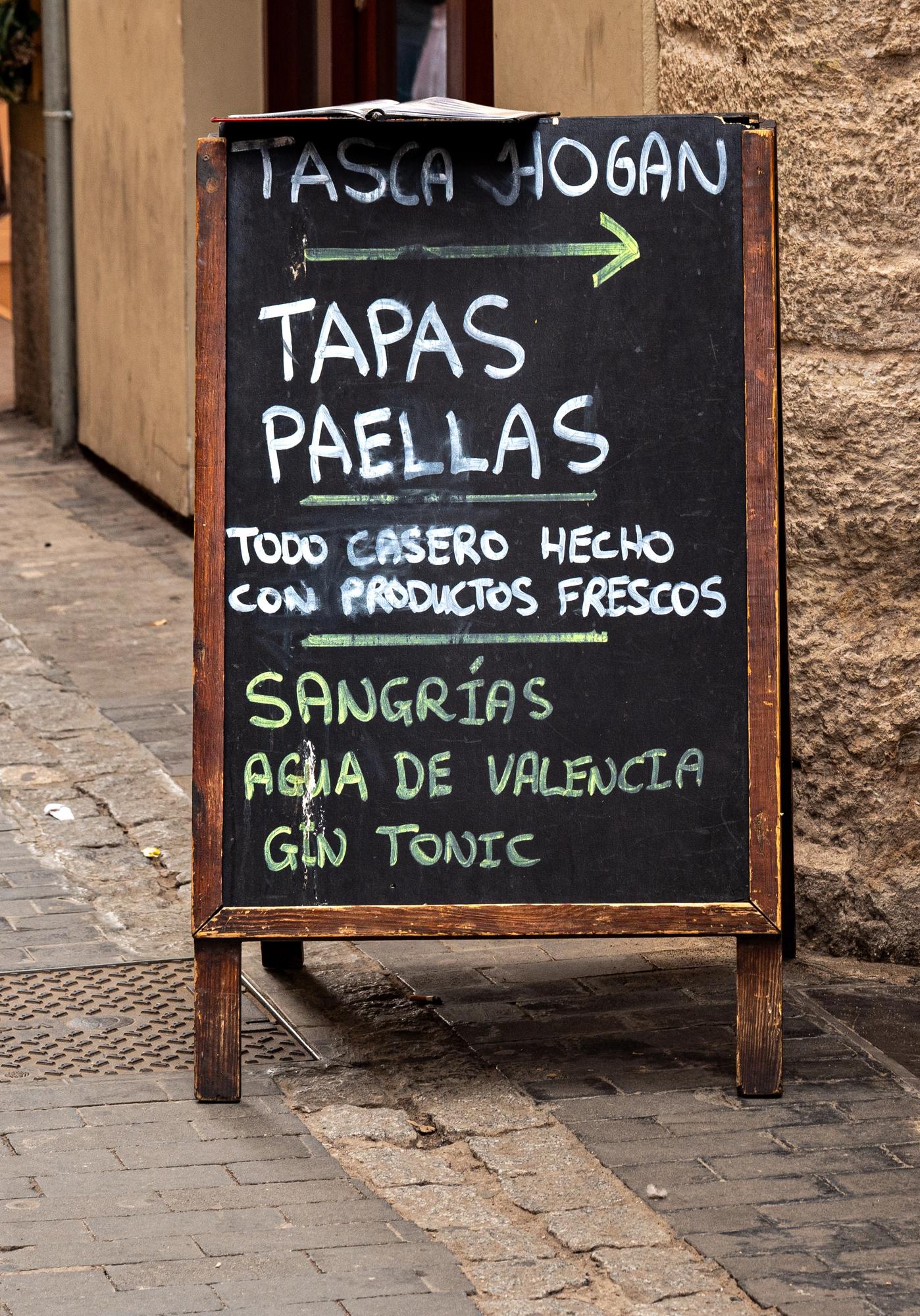
This is the home of paella, so learning to cook it is one of the better ways to spend a half-day here. The classic format is a market-and-cook class, where a chef walks you round the Mercado Central to buy the ingredients, then talks you through your own pan, usually finishing with tapas and wine. Sea Saffron runs one of the best-rated, at around four hours.
If you’d rather eat than cook, a tapas and wine tour or a morning market walk is the easiest way to taste a lot at once, the esmorzaret included. Most book through the usual platforms, so check recent reviews before you pick one.

Eating well on a budget
You don’t need a big budget to eat well here. At lunch, look for the menú del día, a set three-course meal with a drink that locals rely on, usually €14 to €16. It’s the most affordable way into home-style Valencian cooking, and the neighbourhood restaurants away from the tourist strips have the best prices.
Once you’ve eaten your way round, my things to do in Valencia and where to stay in Valencia guides cover the rest, and the 3-day Valencia itinerary works the best of these meals into a plan.
Best restaurants in Valencia FAQs
What are the best restaurants in Valencia?
For traditional paella, La Pepica and Casa Carmela on the beach. For tapas, Casa Montaña in El Cabanyal. For a special meal, the two-Michelin-starred Ricard Camarena or Flores Raras.
Where are the best tapas in Valencia?
Casa Montaña in El Cabanyal is the standout, a bodega going since 1836. In the old town, Central Bar inside the Mercado Central, Tasca Ángel and La Pilareta are all worth squeezing into.

What are the best bars in Valencia?
Café de las Horas for an Agua de Valencia, Café Madrid where the cocktail was invented in 1959, and the rooftops at Àtic and the MYR Palacio Vallier for a sunset drink.
What is in authentic paella valenciana?
Chicken, rabbit, flat green beans, butter beans, saffron, olive oil and bomba rice, with snails when in season. It contains no seafood and no chorizo.
Is seafood paella not authentic?
Seafood paella can be ordered everywhere and is a popular dish, called paella de marisco. It’s just a separate thing from the original paella valenciana, which is made with meat.
When do locals eat paella?
Traditionally at lunch, in the early afternoon, often on a Sunday. That said, you’ll find it served all day in the tourist-facing restaurants, and most will cook one to order on the spot.
What time do Valencians eat?
Later than you might expect. Breakfast is light, then many stop for almuerzo (the esmorzaret, a mid-morning sandwich and a drink) around 10.30am. Lunch, the main meal, runs from about 2pm to 3.30pm, and dinner is late, with kitchens often not opening until 8.30 or 9pm. Afternoons are for horchata.
What is a farton?
A farton is a long, soft, lightly glazed sweet pastry made to be dipped into horchata. It soaks up the drink and softens as you eat, and the two are almost always served together.
Where do locals eat in Valencia?
The old bodegas of El Cabanyal, the counters inside the Mercado Central, and the restaurants and Mercado de Ruzafa stalls over in Ruzafa. For everyday value, locals go where the menú del día is good.