Every time friends visit London for the first time, they ask me the same thing: where do we even start? And I get it. London is vast – overwhelming, even. You can stare at a map of the Tube and feel like you need a month just to scratch the surface.
You don’t. Four days is the sweet spot for a first visit. Enough to see the main landmarks, wander through popular neighbourhoods, and feel the personality of this city – not just the postcard version.
I’ve been showing people around London my whole life. As a born-and-bred Londoner, I know which sights are worth the queue, which ones you can skip, and which streets to duck down for the experiences that don’t make it into the guidebooks.
I’ve organised each day geographically so you’re not wasting half your trip on the Tube, and I’ve included the places I’d genuinely take you if we were doing this together. Plus, this 4 day itinerary in London guide works for any traveller – whether you’re a family, a couple, with friends, or solo.

In this guide:
- A detailed 4-day London itinerary, day by day
- Practical tips on getting around, costs and what to book ahead
- A 3-day condensed version if you’re short on time
- Where to stay recommendations (with a link to my full neighbourhood guide)
At a glance: 4 day itinerary in London
- Day 1: Westminster, the South Bank and Borough Market
- Day 2: The City, Tower of London and East London
- Day 3: South Kensington museums, Hyde Park and the West End
- Day 4: Camden, Regent’s Park, the British Museum, King’s Cross and Notting Hill
Before you go: The practical bits
Getting around London
London’s public transport network is one of the best in the world. Use a contactless bank card or phone to tap in and out on the Tube, buses and trains. Fares are the same as an Oyster card and there’s a daily cap of £8.90 in zones 1–2, so you’ll never overpay.
The Tube is fastest for longer distances. Buses are brilliant for sightseeing – the top deck of a red double-decker is free city views. And honestly, walking is often the best option in central London. Many of the big attractions are closer together than the Tube map suggests.
Local tip: Avoid the Tube during rush hour (8–9.30am and 5–6.30pm). It’s packed and miserable. If you’re travelling with a buggy or luggage, buses are generally easier – and several key routes, like the number 11, pass some of London’s most famous landmarks.
How much does 4 days in London cost?
London isn’t cheap, but it doesn’t have to break the bank either. Here’s a realistic daily breakdown per person:
- Transport: Around £8.90 per day with the contactless daily cap (zones 1–2)
- Paid attractions: £30-35 each for sites like the Tower of London, Westminster Abbey and St Paul’s Cathedral. Many of London’s best museums are completely free
- Food: A mid-range day costs about £40-60, covering a café breakfast, market lunch and pub dinner
- Total estimate: Around £100-150 per person per day, excluding accommodation
What to book in advance
Pre-book tickets for the Tower of London and Westminster Abbey to avoid queues. The British Museum, Science Museum and Natural History Museum are free but require a timed entry slot or advanced booking, especially on weekends. Everything else on this itinerary can be done on the day.

Day 1: Westminster, the South Bank and Borough Market
This first day covers London’s most iconic sights along both sides of the River Thames. You’ll walk a lot, but the views are worth every step.
Morning: Westminster and the big landmarks
Start at Westminster Tube station and take the exit towards Bridge Street. You’ll emerge with Big Ben and the Houses of Parliament right in front of you – it’s one of those views that stops you in your tracks, even for Londoners.
Walk across Westminster Bridge for the classic photo of the Houses of Parliament reflected in the Thames. From the bridge, you’ll see the London Eye on the South Bank side. It’s a good ride if you want aerial views of the city, though I’d say the views from the top of St Paul’s Cathedral (day 2) are just as good and far cheaper.
Head back across and walk up towards Westminster Abbey (£31 per adult, multimedia guide included). This is where every British monarch has been crowned since 1066, and the interior is breathtaking – Poets’ Corner, the Coronation Chair, the Lady Chapel ceiling. Allow about 90 minutes to two hours inside.
From the Abbey, stroll through St James’s Park towards Buckingham Palace. The park itself is one of London’s prettiest, with views across the lake towards the palace. If you time it right, you can catch the Changing of the Guard (11am on Monday, Wednesday and Friday – check the schedule in advance as dates are confirmed monthly and can change at short notice). Don’t expect to see much unless you get there early – the crowds are enormous.
Lunch: Grab something around Trafalgar Square
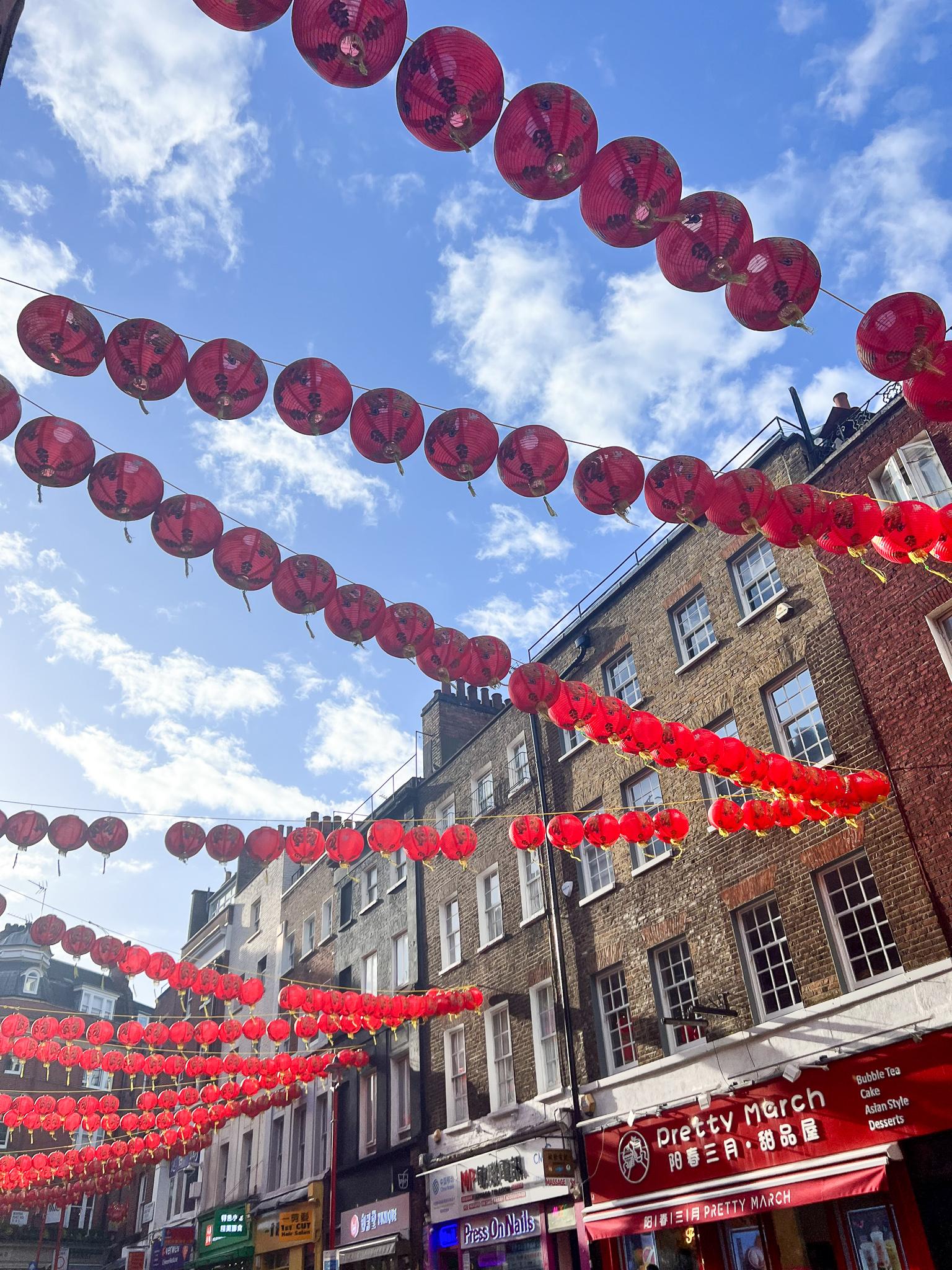
Walk up The Mall to Trafalgar Square, home to Nelson’s Column and the famous stone lions. From here, you’re spoilt for choice. Chinatown is a five-minute walk away – it’s a favourite of mine – where you’ll find excellent dumplings and roast duck. For something quick, the cafes around Covent Garden (a short walk northeast) are lively, with street performers in the piazza to keep you entertained.
Here’s a full guide on where to eat in London.
Afternoon: South Bank river walk
After lunch, head to the National Gallery on Trafalgar Square (free entry). You don’t need to spend hours here – even 45 minutes wandering through the Turner and Van Gogh rooms is time well spent.
Then cross the Golden Jubilee Bridges to the South Bank. The riverside walk east from here is one of the best free things to do in London. You’ll pass the Southbank Centre, the BFI, then the Tate Modern (free entry) in the old Bankside Power Station. Even if contemporary art isn’t your thing, the Turbine Hall alone is worth popping in for — it’s vast and always has an immersive installation.
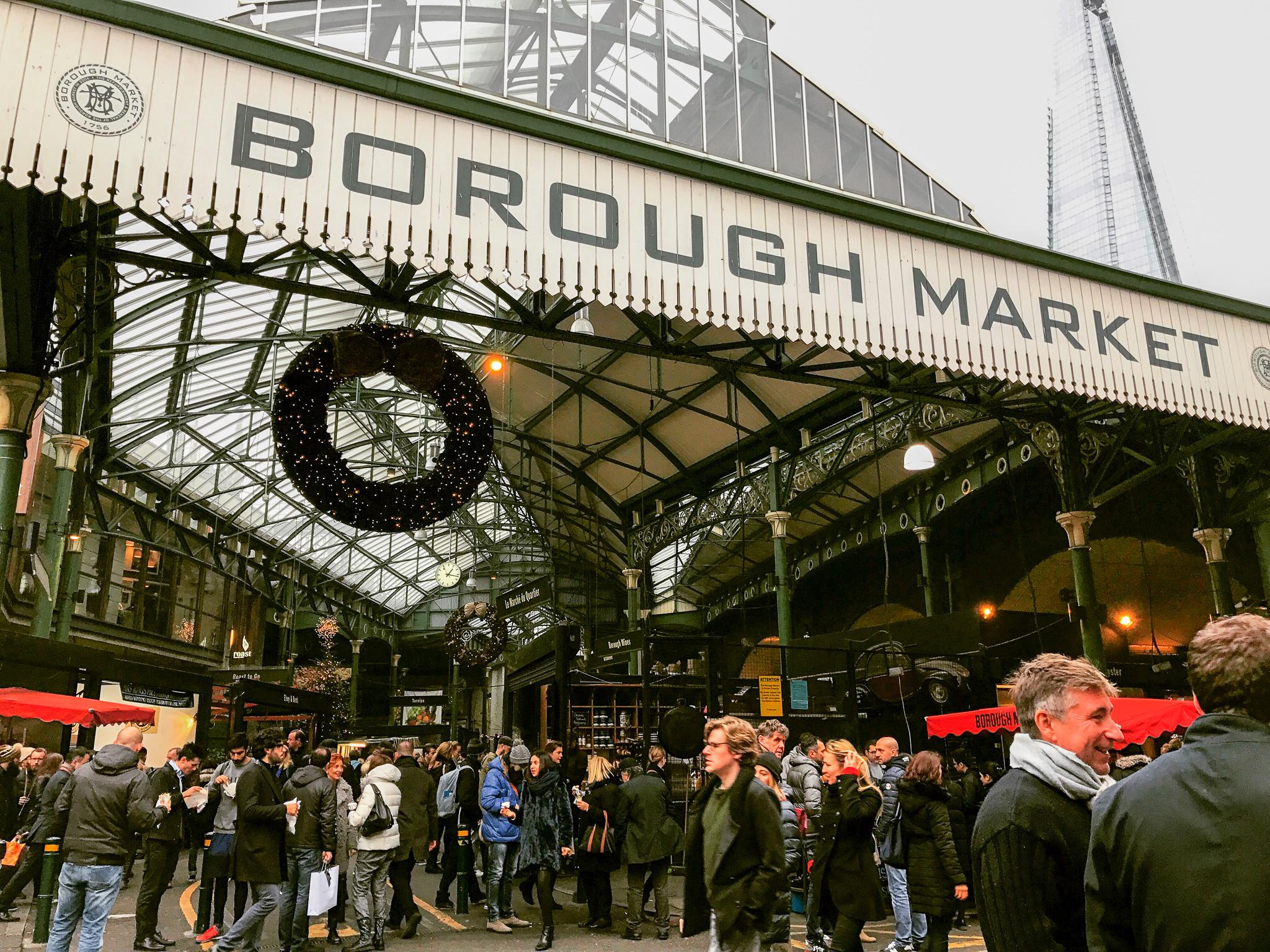
Continue along the river, crossing the Millennium Bridge (with views of St Paul’s Cathedral) or keep walking east to Borough Market. This is London’s finest food market, running since the 13th century, and it’s open Tuesday to Sunday (closed Mondays). Saturdays are the busiest — arrive early if you can. The raclette, the scotch eggs from Ginger Pig, and the fresh pasta at Padella (expect a queue but it moves fast) are all worth seeking out.
End the day with a drink in one of the pubs around Borough or grab dinner at one of the market’s sit-down restaurants. You’ve earned it.
Day 2: The City, Tower of London and East London
Today takes you through London’s oldest areas – from a medieval fortress to modern street art – with brilliant food along the way.
Morning: Tower of London and Tower Bridge
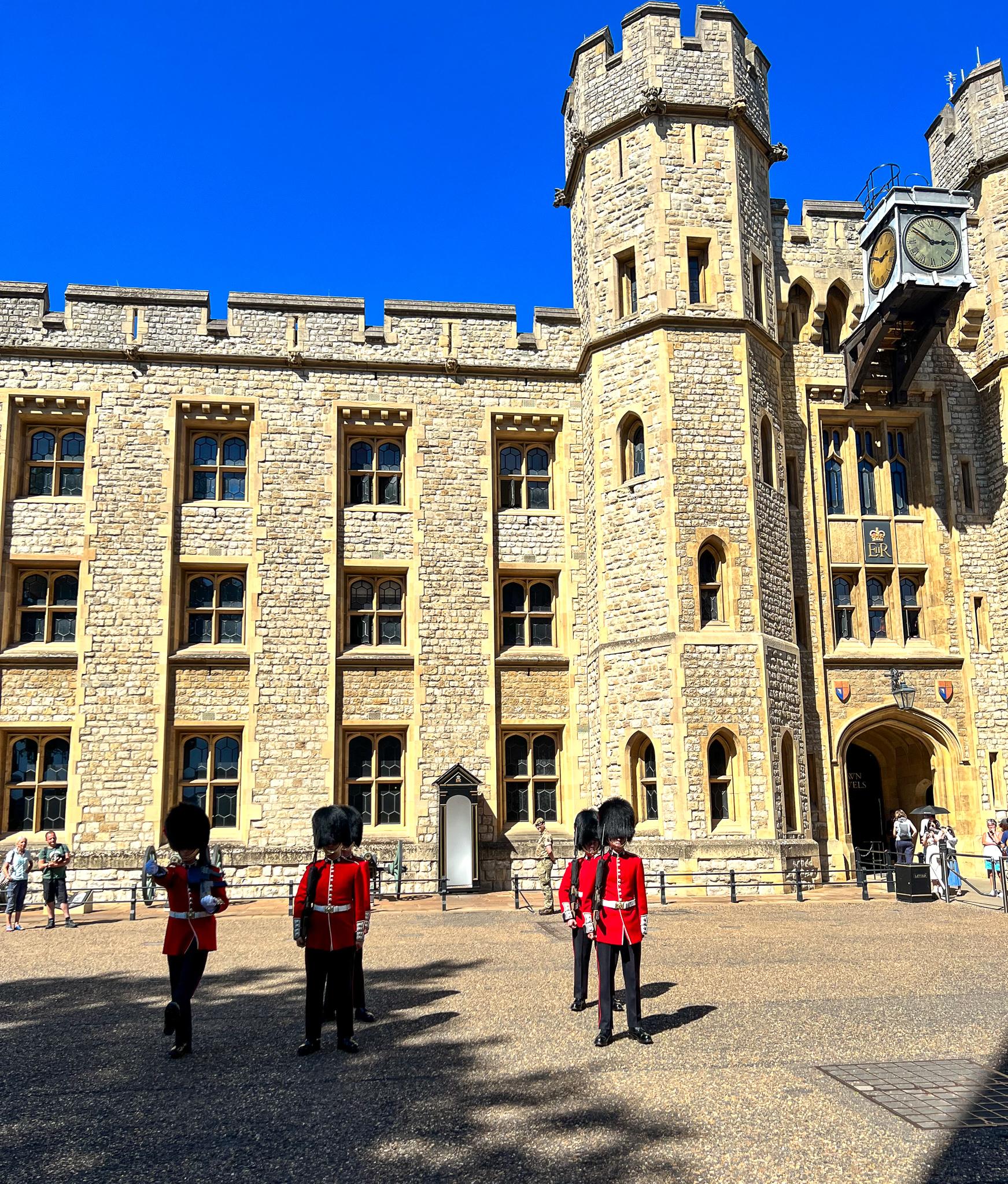
Head to Tower Hill Tube station and walk to the Tower of London (£34.80 online, book in advance). This is a UNESCO World Heritage Site with nearly 1,000 years of history packed inside its walls. The Crown Jewels are the main draw – arrive early and head straight there to beat the crowds. Then join a free Yeoman Warder tour (they run every 30 minutes and are entertaining). Allow two to three hours.
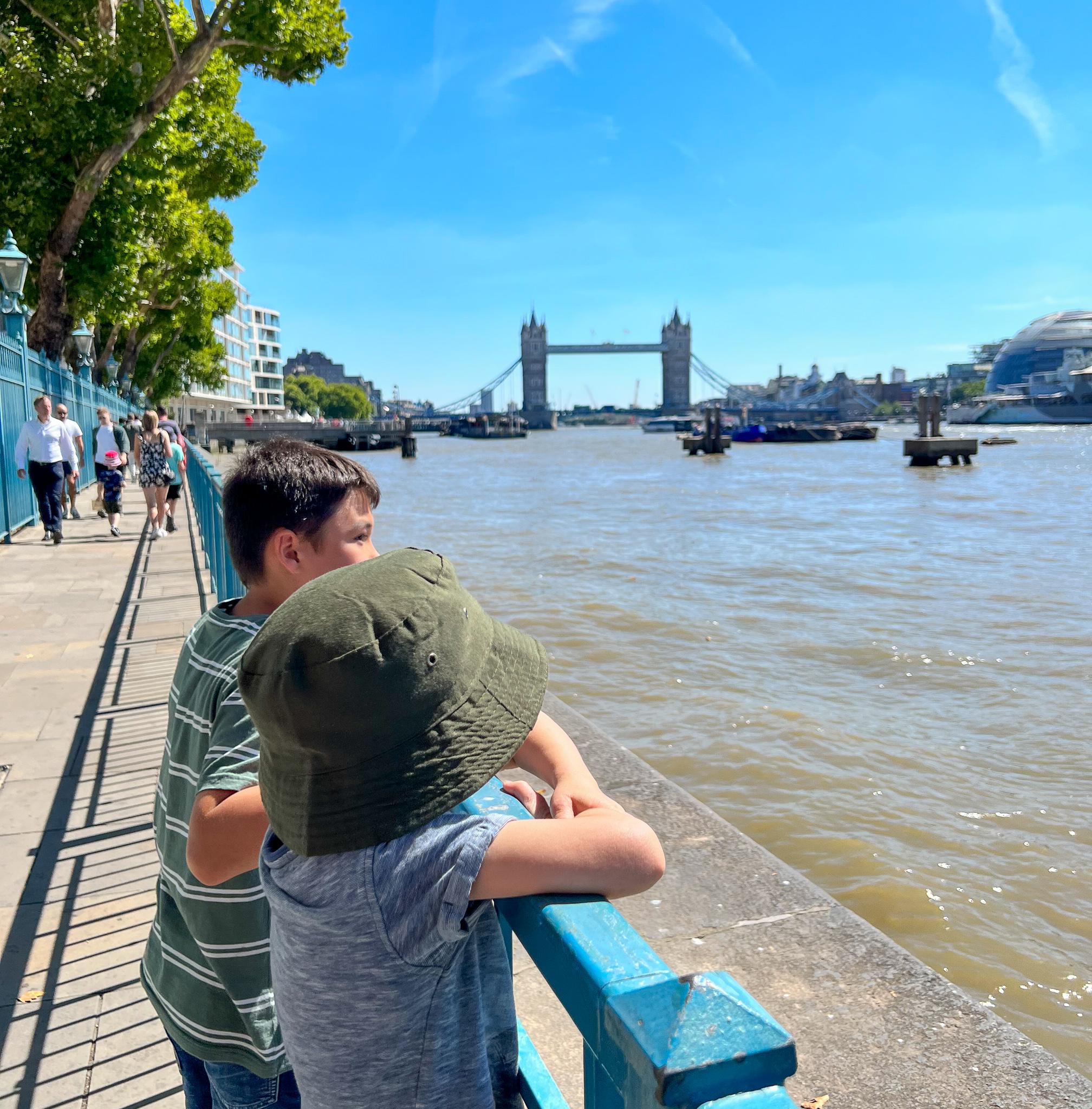
From the Tower, it’s a short walk to Tower Bridge. Cross over for the views back towards the City skyline – you can see The Shard, the Gherkin and the Walkie Talkie building (The Fenchurch) all from here. If you want to walk the glass-floored walkway at the top, tickets are around £12.
Late morning: St Paul’s Cathedral
Take the Tube one stop from Tower Hill to St Paul’s, or walk it in about 15 minutes along the river. St Paul’s Cathedral (£27 per adult) is Christopher Wren’s masterpiece, rebuilt after the Great Fire of London in 1666. Climb the 528 steps to the Golden Gallery at the very top for panoramic views across London – genuinely one of the best views in the city. On your way up, stop at the Whispering Gallery inside the dome – whisper against the wall and someone on the opposite side can hear you clearly.
Local tip: St Paul’s is free to attend services, including the beautiful Evensong at 5pm (Monday to Saturday). If you’d rather save your money, this is a lovely way to experience the cathedral.

Lunch: Street food in East London
From St Paul’s, take the Central line to Liverpool Street and walk into Spitalfields Market. This covered market has a great mix of street food, independent shops and vintage stalls. It’s open daily, but Thursdays and Sundays have the biggest selection of traders.
Alternatively, walk five minutes east to Brick Lane for curries, bagels from the famous Beigel Bake (open 24 hours), and some of London’s best street art.
Afternoon: Explore Shoreditch and the East End
Wander through Shoreditch and the surrounding streets. This is where London feels most alive and evolving — old warehouses converted into galleries, independent coffee shops on every corner, and murals covering entire buildings. It’s a world away from the polished tourist trail of Westminster.
If you’d prefer something more structured, the Sky Garden at 20 Fenchurch Street offers free panoramic views from the 35th floor. Book a free slot in advance online – they go quickly.
Day 3: South Kensington museums, Hyde Park and the West End
A day of world-class museums (all free), green spaces and London’s famous theatre district.
Morning: Museum Mile in South Kensington
South Kensington is home to three of the world’s finest museums, and they’re all free to enter. My order of priority:
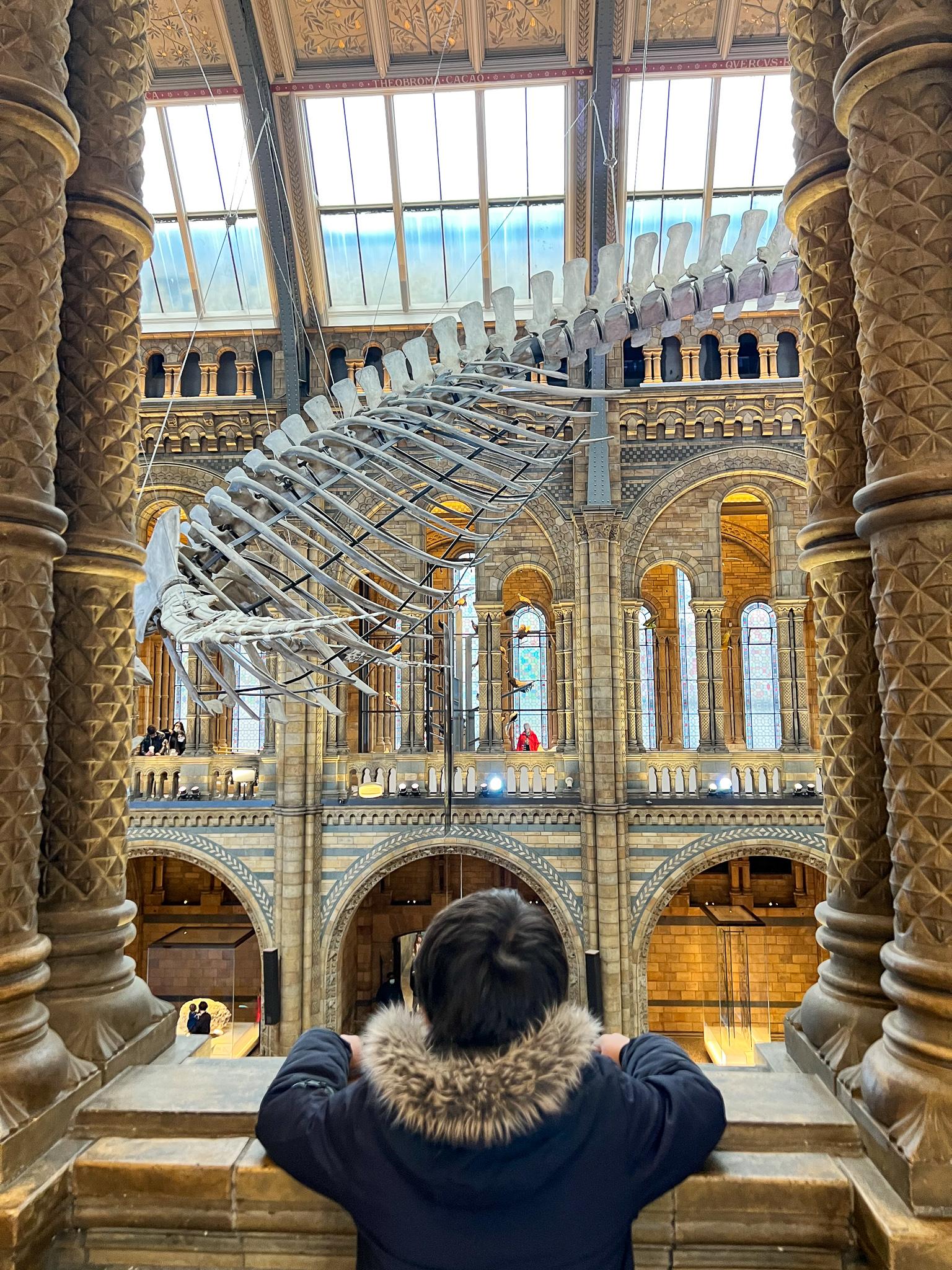
The Natural History Museum is extraordinary – the blue whale skeleton suspended in Hintze Hall takes your breath away, and the dinosaur gallery is brilliant for kids and adults alike. The building itself, a Romanesque cathedral of terracotta tiles, is as impressive as anything inside it.
Next door, the Science Museum is interactive and hands-on, particularly good if you’re visiting with children. The V&A (Victoria and Albert Museum) is across the road – the world’s largest museum of decorative arts. The fashion galleries and medieval rooms are highlights, and the courtyard cafe is one of the prettiest lunch spots in London.
Local tip: Don’t try to do all three in one morning – pick two and give yourself at least 90 minutes in each. They’re enormous. While the V&A doesn’t require pre-booking, the Natural History Museum and Science Museum do, so you will have to pre-book tickets for timed slots.
Lunch in South Kensington or Hyde Park
Grab something from one of the cafes along Exhibition Road, or pick up a takeaway and eat it in Hyde Park – right at the top of Exhibition Road, a 10-minute walk from the museums. Kensington Gardens adjoins Hyde Park and is home to the Peter Pan statue and Kensington Palace (an extra ticket if you want to go inside).
Afternoon: The West End
From Hyde Park, take the Tube from Knightsbridge or walk through Green Park down to Piccadilly Circus and Leicester Square. This is the heart of London’s West End – the theatre district, the neon signs, the buzz. It’s touristy, yes, but it’s London at its most energetic.
From Piccadilly Circus, walk down Regent Street for the grand architecture, then duck into Carnaby Street for independent shops. Oxford Street is a block north if you want the big department stores – Selfridges is the standout — though it’s heaving with people most of the time. I’d skip it unless you specifically want to shop. Wander through Soho instead – it’s packed with restaurants, bars and a real sense of neighbourhood despite being in the centre of everything.
Covent Garden is a short walk east, and it’s particularly atmospheric in the late afternoon when the street performers are in full swing. The covered market has some lovely independent shops, and the surrounding streets are full of good restaurants.
Evening: See a West End show
If you’re going to see a West End show, tonight’s the night. Book in advance for popular productions, or try the TKTS booth in Leicester Square for discounted same-day tickets. A matinee works well too if you’d rather keep your evening free.
Day 4: Camden, Regent’s Park, the British Museum and Notting Hill
Your final day mixes quirky markets, one of London’s finest parks, one of the world’s greatest museums, and a neighbourhood with serious charm.
Morning: Camden Market and Regent’s Park
Start at Camden Town Tube station and walk into Camden Market. It’s loud, colourful and crammed with street food, vintage clothing, crafts and curiosities. The best bits are along the canal – Camden Lock Market and the stalls inside The Stables. It’s open daily from 10am, and mornings are quieter before the crowds build.
From Camden, walk south through Regent’s Park. This is one of London’s most beautiful green spaces – rose gardens, a boating lake, and London Zoo in the northern corner if you fancy it. The walk from Camden through the park to the south side takes about 20–25 minutes and is a lovely way to escape the noise of the city.
Late morning: The British Museum
Exit Regent’s Park to the south and you’re a short walk from the British Museum in Bloomsbury (free entry, but book a timed slot in advance). This is one of the greatest museums in the world and you could spend days here. If time is limited, head straight for the highlights: the Rosetta Stone, the Parthenon Marbles, the Egyptian mummies, and the stunning Great Court with its glass-and-steel roof.
Allow at least two hours, though you could easily fill a full morning. The museum is open daily from 10am to 5pm, and stays open until 8.30pm on Fridays if you’d prefer a quieter evening visit.
Lunch: King’s Cross and the canal
From the British Museum, it’s a 15-minute walk north-east to King’s Cross – and the area behind the station is one of London’s best regeneration stories. Walk through to Granary Square, where over 1,000 choreographed fountains play across the paving (kids love these in summer). The wide steps down to the Regent’s Canal are a perfect spot to sit with a coffee and watch the narrowboats pass.
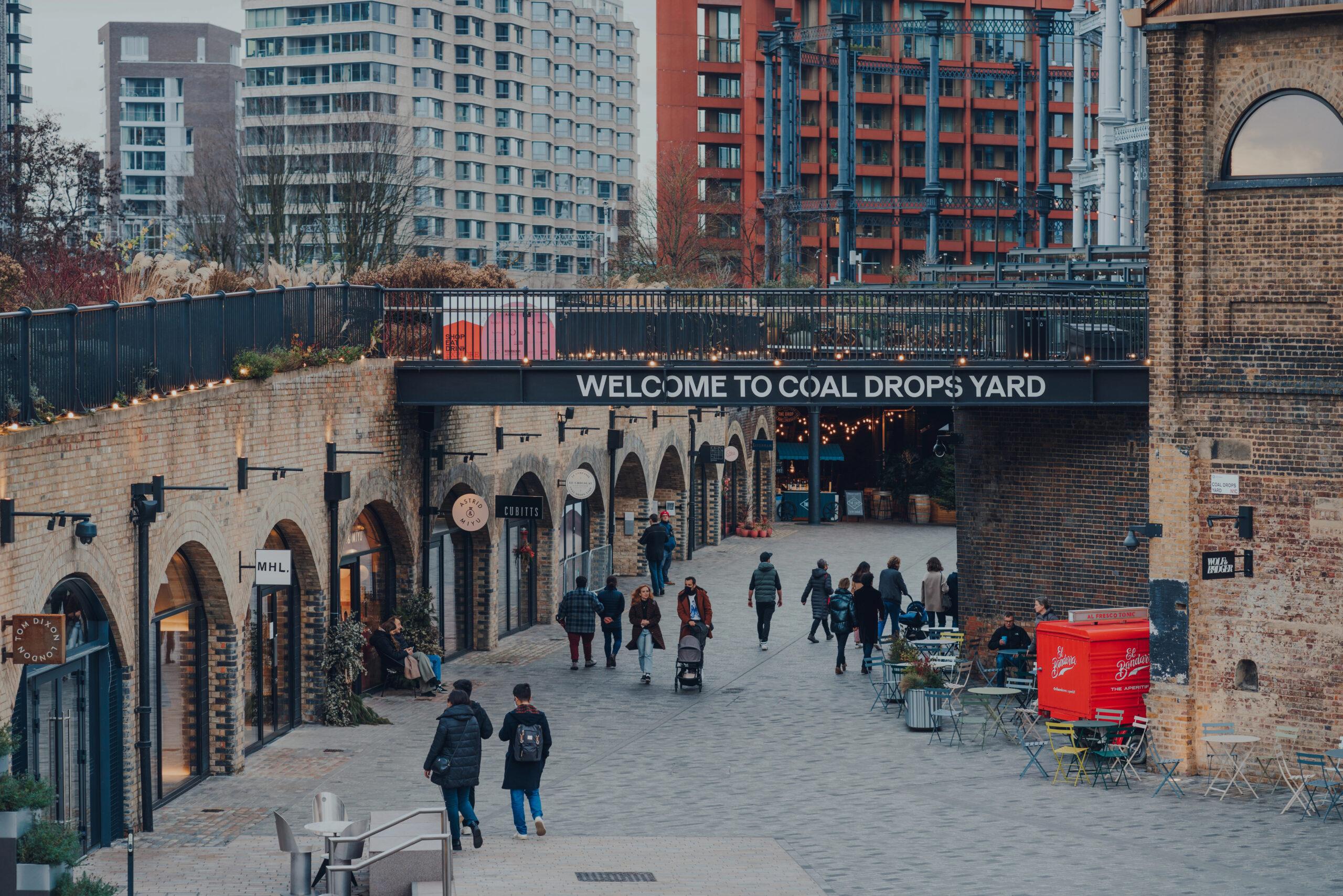
Behind the square, Coal Drops Yard is a converted Victorian coal warehouse now home to independent shops, restaurants and cafes tucked into the original brick arches. Dishoom on Stable Street does some of the best Indian food in London (expect a queue at weekends – it’s worth it). For something quicker, grab lunch from one of the canal-side spots on Granary Square or head to Happy Face Pizza (a favourite of mine).
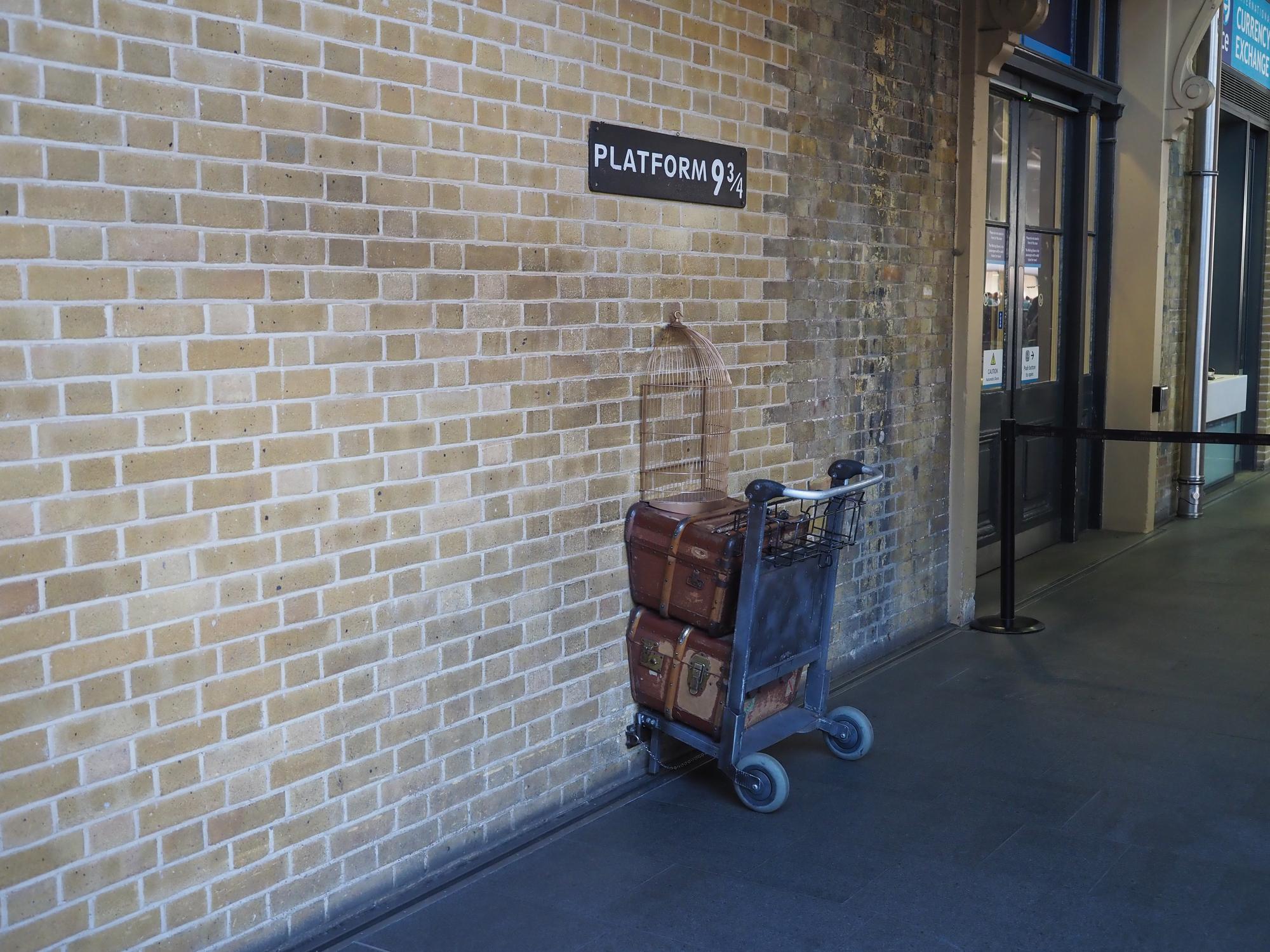
If you’re travelling with kids – or Harry Potter fans of any age – don’t miss the Platform 9¾ trolley inside King’s Cross Station. The photo opportunity is just outside the Harry Potter Shop, where you can pose with a luggage trolley half-disappearing through the wall. There’s no ticket needed, but arrive early to avoid the queue – it can stretch to 30 minutes or more during busy periods. The shop itself is open Monday to Saturday 8am–10pm, Sunday 9am–8pm and is packed with wands, robes, house scarves and Honeydukes sweets. You’re welcome to take your own photos, or their photographers will take professional shots you can buy in-store.
Afternoon: Notting Hill and Portobello Road
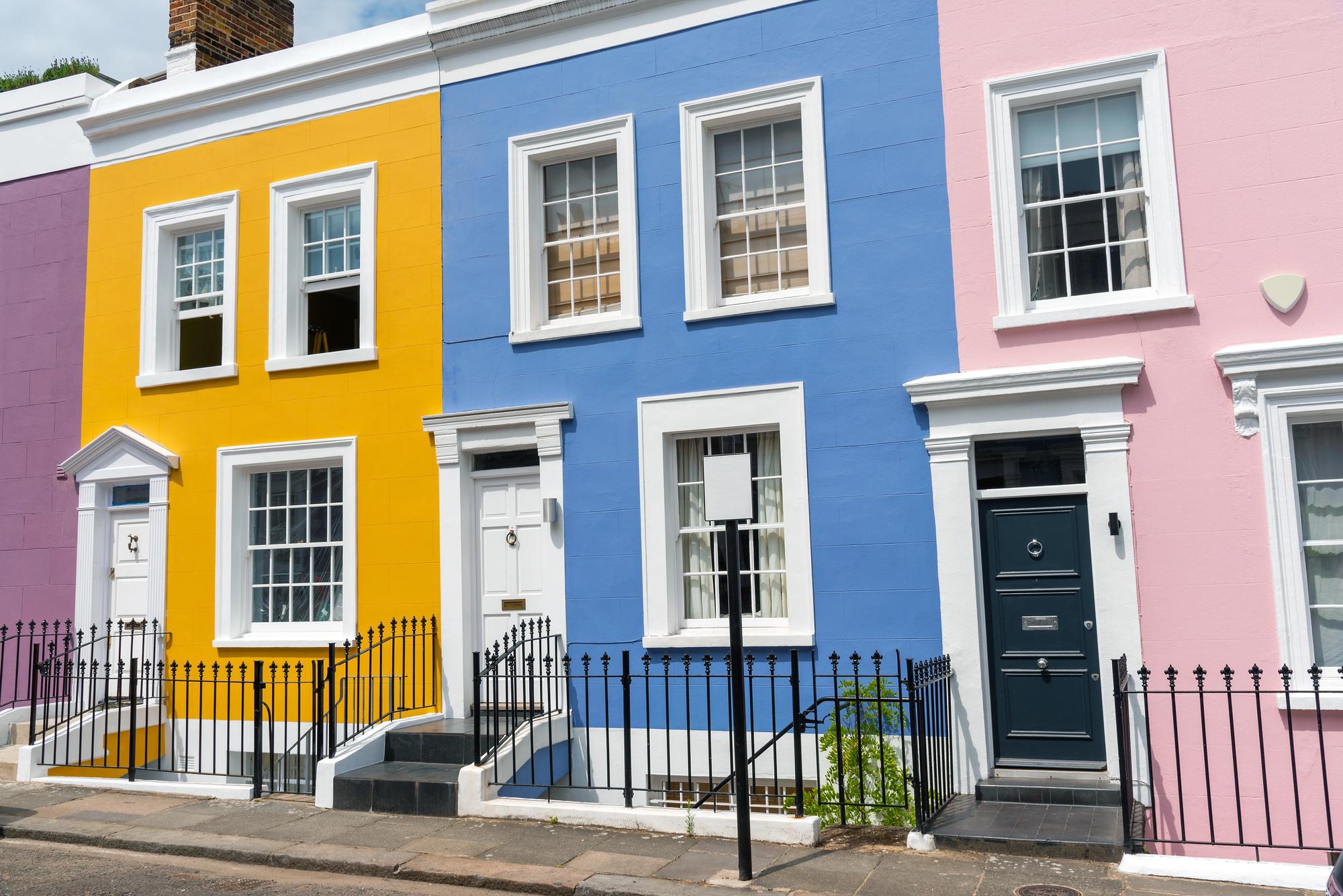
Take the Tube from King’s Cross to Notting Hill Gate (about 20 minutes on the Circle line). This west London neighbourhood is a favourite of mine – pastel-coloured townhouses, independent bookshops, and the famous Portobello Road Market (best on Saturdays for antiques, but the permanent shops and cafes are open all week).
Wander the backstreets off Portobello Road for quiet residential squares and hidden mews houses. Grab a coffee, browse the vintage shops, and soak up the atmosphere. It’s a perfect way to end four days in London – away from the tourist crowds, in a part of the city that feels like a village.
For families: Notting Hill is just a short Tube ride from Paddington Station, where younger children can visit the bronze statue of Paddington Bear on Platform 1 – hat, suitcase, and a label reading “Please look after this bear.” There’s a dedicated Paddington Shop in the station, too. And if your kids are fans of the films, the fictional Brown family home at 32 Windsor Gardens was inspired by the streets around the Notting Hill and Paddington area – you’ll spot the terraced houses that could easily pass for it.
Short on time? A 3-day London itinerary
If you only have three days, here’s how I’d adjust:
Day 1: Combine the Westminster morning with the South Bank walk and Borough Market (as day 1 above). This day stays exactly as it is – it covers the must-sees.
Day 2: Do the Tower of London and St Paul’s in the morning, then head straight to the West End and Covent Garden for the afternoon and evening. This combines the best of days 2 and 3.
Day 3: South Kensington museums in the morning, then the British Museum in the afternoon, followed by King’s Cross for an evening wander and something to eat. If you’ve got energy left, squeeze in either Camden or Notting Hill before dinner.
The things to cut are Camden Market and Notting Hill – lovely as they are, they’re not essential for a first visit. Everything on days 1 and 2 of this itinerary is what I’d consider unmissable.
Where to stay in London
Location makes or breaks a London trip. Here’s a quick summary of the best areas for first-time visitors:
- Westminster and the South Bank – walking distance to the big sights, ideal for sightseeing-heavy trips
- South Kensington – brilliant for families, with free museums on your doorstep and Hyde Park nearby
- King’s Cross and Bloomsbury – great value, well connected, and close to the British Museum
- Shoreditch and East London – food, nightlife and street art in one of London’s most exciting neighbourhoods
For a full breakdown of every neighbourhood with prices and my personal recommendations, read my complete guide to where to stay in London for first-time visitors.
London travel tips from a local
A few things I always tell friends before their first visit:
Wear comfortable shoes. You’ll walk far more than you expect – most visitors cover 10 to 15 miles a day without realising it. London rewards walking, but your feet won’t thank you if you’re in new shoes.
Don’t eat in Leicester Square. The restaurants around Leicester Square and Piccadilly Circus are mostly overpriced tourist traps. Walk five minutes in any direction – into Soho, Covent Garden or Chinatown – and the food is infinitely better and cheaper.
Check for free events. London always has something on – free lunchtime concerts at St Martin-in-the-Fields, outdoor theatre in the parks during summer, gallery openings and late-night museum events. The Southbank Centre and Barbican often have free foyer performances too.
Download the TfL Go app. It’s Transport for London’s free journey planner and shows you real-time Tube arrivals, bus routes and walking directions. Google Maps works well too, but the TfL app is specifically designed for London’s network. I also recommend downloading the Citymapper app, as this can help you plan all your journeys in London, whether you’re walking, using the bus or taking the tube.
Get out of zone 1 if you have longer. Some of London’s best experiences are slightly outside the tourist centre. Greenwich (home to the Royal Observatory and the Cutty Sark), Richmond (with its deer-filled park and river views), and Hampstead Heath (with views across the entire city from Parliament Hill) are all easy to reach by Tube or train and feel like a different world.
Tipping is optional but appreciated. In restaurants, a 10-12.5% service charge is often added to the bill automatically — check before tipping twice. In pubs, tipping isn’t expected. For taxis, rounding up to the nearest pound or two is standard.
FAQs: Planning 4 days in London
Is 4 days enough time in London?
Four days is a great amount of time for a first visit. You’ll comfortably cover the main sights, explore several neighbourhoods, and still have time to wander without rushing. If you can stretch to five to six days, you could add a day trip to places like the seaside town of Whitstable and Brighton, or Windsor Castle and Bath, all reachable within one to two hours by train.
What is the best time of year to visit London?
Late spring (April to June) and early autumn (September to October) offer the best weather, longer daylight hours and slightly fewer crowds than peak summer. The summer months are busiest but have the longest days. Winter is cold and often wet, but hotel prices drop – January and February can be 30 to 40% cheaper – and London’s museums, theatres and pubs make it perfectly enjoyable year-round.
Do I need an Oyster card?
No. A contactless bank card or phone works on all London public transport and charges the same fares with the same daily cap. You don’t need to buy a separate Oyster card unless you prefer to use one.
Can I do this itinerary with kids?
Absolutely. London is one of the most family-friendly cities in Europe. Most major museums are free, the parks are brilliant, and there’s plenty to keep children entertained. The main challenge is navigating the Tube with a buggy – not all stations have step-free access. Buses are generally easier with pushchairs, and travelling outside rush hour makes a big difference.
How much should I budget per day in London?
A realistic daily budget (excluding accommodation) is around £100-120 per person for a mid-range visit covering transport, meals and a couple of paid attractions. Budget travellers can manage on £40-60 by focusing on free museums, street food and walking.
What are the best free things to do in London?
Some of London’s greatest attractions are completely free: the British Museum, Natural History Museum, Tate Modern, National Gallery, V&A and the Science Museum. The South Bank river walk, Hyde Park, Regent’s Park and wandering through neighbourhoods like Shoreditch, Camden and Notting Hill are some of the best free experiences in the city.
Is there more beyond this 4-day itinerary in London?
So much more. Four days covers the essentials, but London could keep you busy for weeks. You could ride the Emirates Air Line cable car across the Thames at Greenwich, take a Jack the Ripper walking tour through Whitechapel, follow in the footsteps of Sherlock Holmes around Baker Street, take a stroll through Battersea Park or spend the day at Kew Gardens. There are food tours through Borough Market and Soho, canal boat rides through Little Venice, afternoon tea in grand hotels, and entire neighbourhoods like Brixton, Greenwich and Hampstead that deserve a day each. This itinerary is a starting point – London has a way of pulling you back. So, maybe next time?