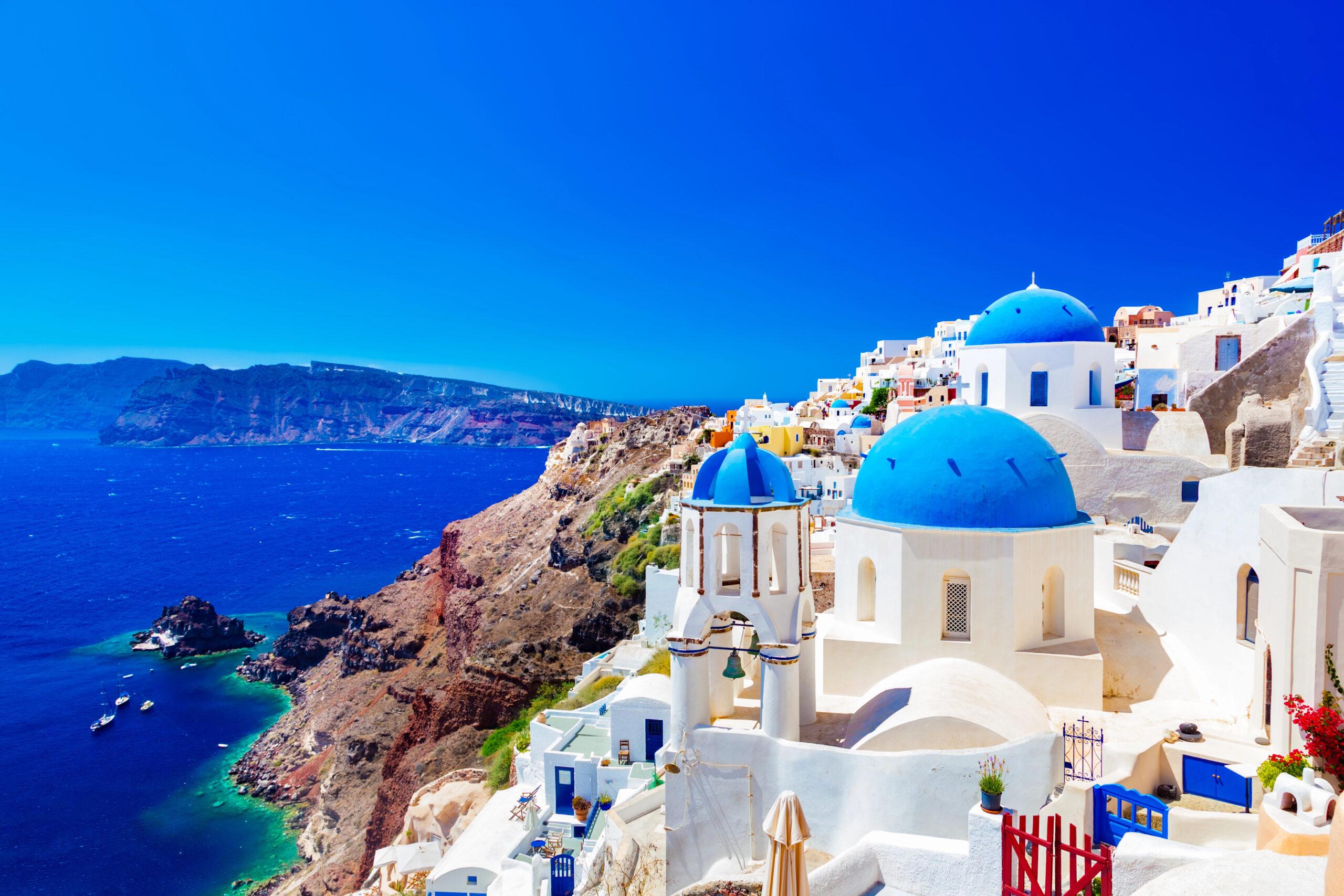
Santorini is a destination full of surprises – an island shaped by a catastrophic volcanic eruption – it’s astonishing to comprehend that Santorini rises up above the crater of a submerged volcano. While most people associate this captivating Greek island with its iconic white Cycladic buildings and blue roofs that dot the cliffs of caldera towns of Oia and Fira, glorious sunsets and a maze of cobblestone streets, there is so much more to Santorini than first meets the eye.
Quick facts about Santorini
- Best time to visit: April-June and September-October for fewer crowds
- Currency: Euro (€)
- Language: Greek (English widely spoken)
- Getting around: Hiring a car is recommended, buses are available, and ATV rentals are popular
- Main towns: Fira (capital), Oia, Imerovigli, Firostefani
- Airport: Santorini (JTR) with direct flights from major European cities
Why visit Santorini?
There is no denying the spectacular pull of Santorini’s towns surrounded by the clear turquoise Aegean Sea, or the gastronomic delights of stellar restaurants and bars, but there is also a treasure trove of history and ancient sights, distinctive volcanic beaches, as well as an abundance of wineries. Yes, the wine in Santorini is really good – I drank quite a lot of it.
When we spent a week in Santorini, we hired a car and explored as much as we could at our own pace. And while there is also plenty of relaxing by the pool and on the beach, it is well worth discovering some of the island’s most-loved attractions as well as experiencing its mesmerising landscapes.

Where to stay in Santorini
If you want to have 24-hour sea views across the caldera, then choose Santorini hotels on the western side of the island – in Fira, Oia, Imerovigli, and Firostefani. The choice of luxury hotels in Santorini, where contemporary chic meets timeless elegance, is mind-blowing. Many of them are carved into the cliff face – so picture yourself swimming with a drink in hand and looking out at one of the world’s most photographed landscapes.
If you fancy accommodation that is a bit more low-key and away from the main attractions, then head to the south-east of the island, where you will find laidback villages and seaside towns including Perissa and Kamari. These coastal areas offer excellent value with direct beach access and a more traditional Greek island atmosphere.
We stayed in the delightful Hotel Zorzis – and found it to be a perfect base for our week-long Santorini stay. Not only were we close to the beach and restaurants, but also away from the day-trippers and crowds.
Is Santorini suitable for families?
Santorini, like any destination, has its pros and cons for visiting with children. While there are plenty of beaches, historical hotspots from the Bronze Age and Roman periods, great walks and ice cream shops galore, it is a hilly terrain, so not great for pushchairs.
Oia and Fira in particular can get busy with tourists, particularly when those gargantuan cruise ships come to dock for the day, and hordes of cruisers come onto the island for a few hours. And hotel accommodation is more on the boutique, luxurious side. It’s the place for fine dining and wines – so many of the restaurants are on the high-end scale.
That said, there are plenty of self-catering accommodation options instead of hotels for families in Santorini. The quieter seaside towns are much more relaxed – as are their eateries. Imagine more tavernas and beach-style restaurants. You can also catch ferries to visit other islands in the Cyclades and hire boats to swim in the caldera. Children will love exploring the island.
Best time to visit Santorini
Timing your visit to Santorini can make all the difference between battling crowds and having space to breathe. The Greek island experiences distinct seasons that dramatically affect both your experience and your budget.
Peak season (July-August) brings scorching temperatures around 27-30°C, packed caldera viewpoints, and premium prices. All attractions are open, but expect queues at sunset spots and cruise ships disgorging thousands of day-trippers. It’s not my idea of fun.
Shoulder season (April-June and September-October) is when Santorini truly shines. We visited in late spring and found the weather perfect for exploring – warm enough for swimming (especially by late May) but comfortable for hiking and sightseeing. The caldera towns feel manageable, and you’ll actually find tables at popular restaurants.
September might just be the sweet spot. The sea has warmed all summer, reaching 23-25°C, while the fierce heat mellows and cruise ship arrivals decrease. Hotel rates drop by 30-50% compared to August.
Winter (November-March) transforms Santorini into a quiet retreat. Many hotels and restaurants close, but those that remain offer authentic experiences and rock-bottom prices. It’s too chilly for swimming, but perfect for photography and cultural exploration without crowds.
How to avoid crowds in Santorini
Let’s be honest – Santorini can feel overwhelmingly busy, especially when those enormous cruise ships dock at the port and disgorge thousands of day-trippers into Fira and Oia. On peak days in July and August, you might find yourself shoulder-to-shoulder with tourists, queuing for the cable car for hours, and struggling to find a restaurant table.
But here’s the thing: with smart planning, you can experience Santorini’s magic without the mayhem.
Time your visits strategically. Oia transforms from peaceful to pandemonium based purely on the clock. Visit in the morning (8am-11am) when most tourists are still at breakfast and the streets are yours to explore. The light is gorgeous for photography, the shops are just opening, and you’ll actually see locals going about their day. We wandered Oia at 9am and had the iconic blue domes practically to ourselves.
Late afternoon before the sunset rush (2pm-5pm) can also be surprisingly quiet. Most people are at the beach or resting at their hotels. Once the sunset crowd arrives around 6pm, evacuate to dinner elsewhere and return later in the evening when things calm down again.
Check the cruise ship schedule. This is absolutely crucial. Some days see 3-4 massive cruise ships in port, while others have none. When multiple ships dock, Fira and Oia become almost unbearable from roughly 10am-5pm as cruise passengers flood ashore for their brief visit. You can check cruise ship arrivals online through websites like CruiseMapper – plan your Caldera town visits on ship-free days, or use those busy days to explore beaches and archaeological sites instead.
Base yourself away from the crowds. We found that staying in the quieter coastal towns like Perissa or Kamari offers tremendous advantages. These black sand beach communities on Santorini’s east coast feel like a different island entirely – relaxed, affordable, with excellent tavernas that locals actually frequent. The beaches are far less crowded than the caldera viewpoints, and you’re still only a 15-20 minute drive from Fira.
Other peaceful alternatives include Pyrgos village in the centre, or Megalochori with its traditional charm. You get authentic Greek island life, better value accommodation, and can visit the famous spots strategically when they’re quieter.
Embrace the alternative experiences. While everyone queues for Oia Castle at sunset, you could be hiking Skaros Rock with just a handful of other people, enjoying equally spectacular views. The Santo Wines terrace offers sunset viewing with comfortable seating and wine in hand – far more civilised than jostling for position on Oia’s crowded streets.
Similarly, Ammoudi Bay below Oia gets far fewer visitors than the town above, yet offers an incredible atmosphere and fresh seafood by the water. The ancient sites like Akrotiri and Ancient Thera rarely feel crowded, even in peak season.
Visit in shoulder season. This bears repeating because it makes such a dramatic difference. April-May and September-October give you pleasant weather and swimming opportunities without the summer chaos. We visited in late spring and while certainly not deserted, the experience felt manageable. You could actually walk Fira’s pedestrian street without being funnelled along in a human river.
The crowds are part of Santorini’s reality in summer, but they don’t have to define your experience. With thoughtful timing and willingness to explore beyond the greatest hits, you’ll discover the island’s quieter magic.
Best things to do in Santorini, Greece
From ancient archaeological sites to world-class wineries, volcanic beaches to dramatic hiking trails, Santorini offers far more than Instagram-worthy sunsets. Here are the best ways to experience this remarkable volcanic island.
Watch the sunset in Oia
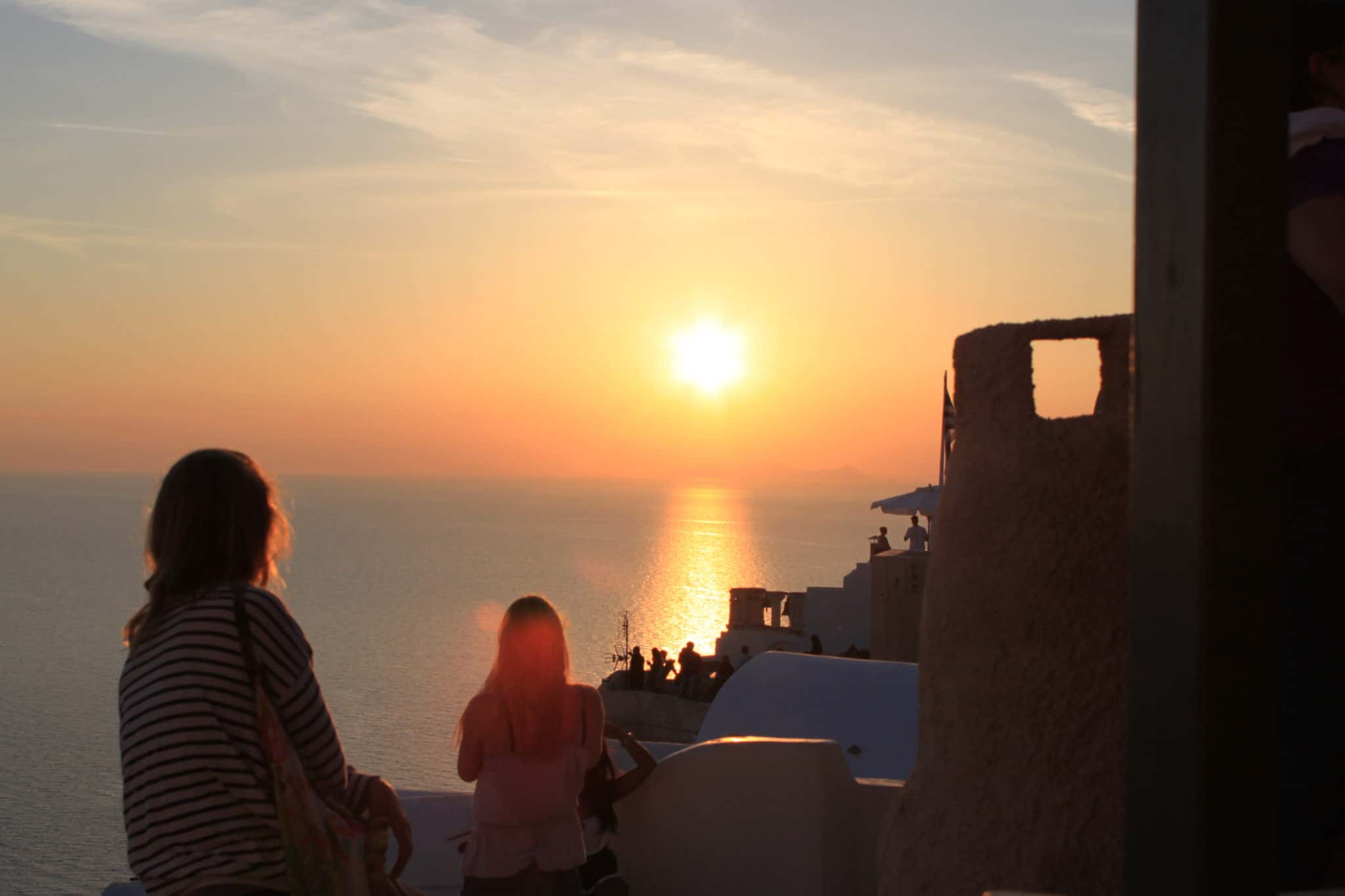
The sunsets in Oia are world-famous. So much so that everyone wants to catch a glimpse of this natural spectacle that sees a burnt orange glow wash over the windmills and white buildings and the sun disappear into the sparkling sea. It’s such a spectacular event that the whole town erupts in a round of applause after darkness finally falls.

Be warned, it is busy. Yes, you have to secure a spot early, but it is worth it even just once. From Oia Castle (the most popular spot), restaurant terraces (you get charged a premium but it’s nice to have a drink) or street corners, everyone has the same idea.
If you’d rather move away from the crowds, you could watch the sunset from many different vantage points on the island, including in Imerovigli or from Santo Winery – which we also did. And it was just as breathtaking.
Visit Santo Wines for wine tasting
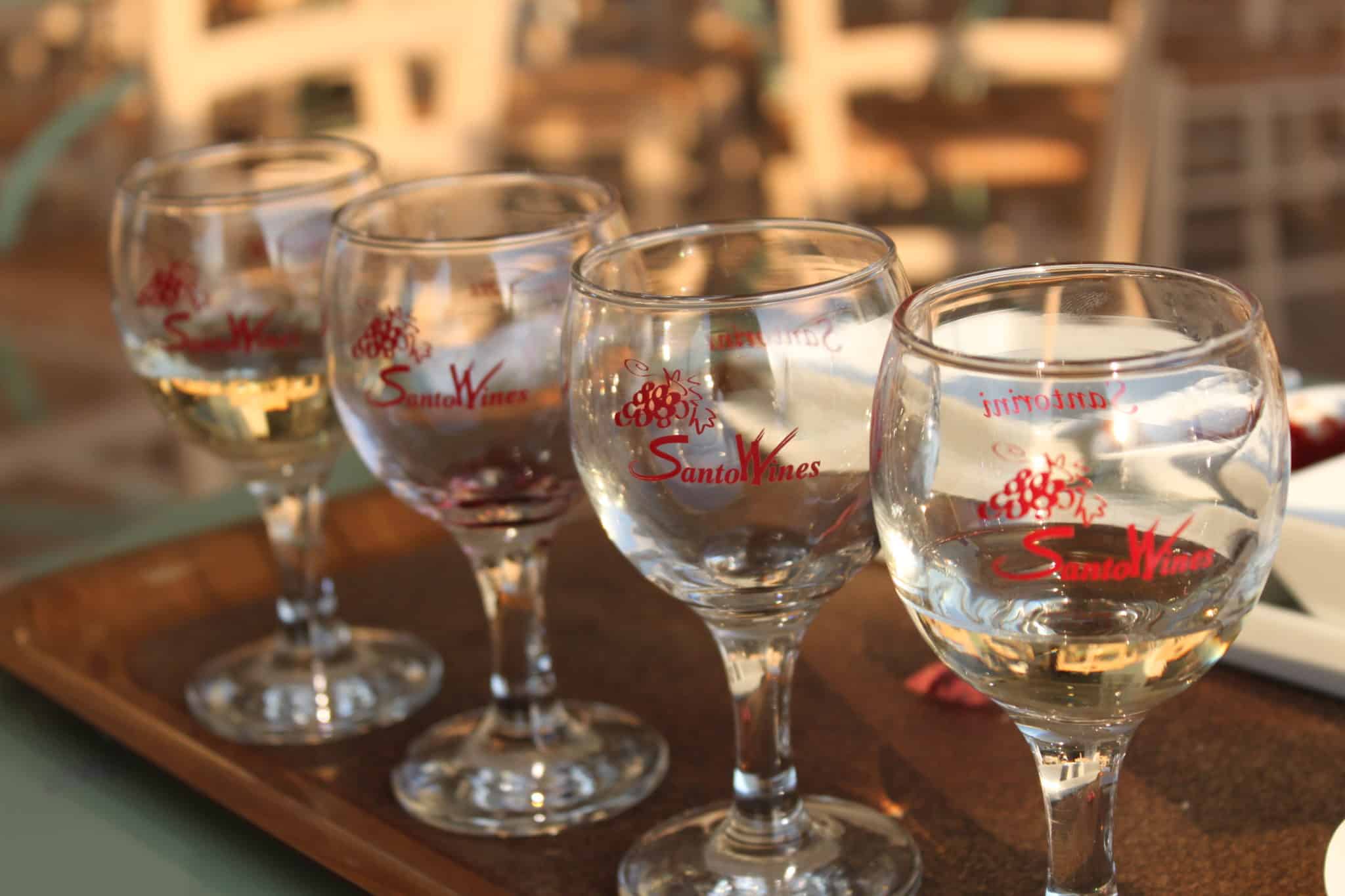
Santo Wines perches on the caldera rim near Pyrgos village, offering what Wine Enthusiast Magazine calls Santorini’s best wine tasting experience. This isn’t just hype – the combination of exceptional volcanic wines and panoramic caldera views makes it unmissable.
The cooperative winery, established in 1911, represents over 1,200 local grape growers and produces Santorini’s most celebrated wines. Try the crisp Assyrtiko, a white wine that captures the island’s volcanic terroir with mineral notes and citrus flavours, or the sweet Vinsanto dessert wine made from sun-dried grapes.
Wine tastings start from around €18-22 for flights of 4-6 wines with local accompaniments like fava, tomato paste, cheese and bread. The terraced seating allows you to savour your glass while watching the sun set over the caldera – an experience that rivals any Oia sunset spot.

Santo Wines is open 9am-10pm daily (until midnight in summer). You can easily reach it by bus from Fira, Perissa or Akrotiri, or include it in a wine tour covering multiple wineries.
Hike to Skaros Rock
One of our favourite discoveries was Skaros Rock – a dramatic promontory jutting from the sea between Fira and Oia. This isn’t just a pretty viewpoint; it’s a slice of medieval history with one of the best hikes in Santorini.
The trail starts near the Grace Hotel in Imerovigli, known as “the balcony to the Aegean” for its elevated position. You’ll descend around 300 steps through a winding path that reveals layers of volcanic rock and remnants of cave houses.
Skaros was once Santorini’s most fortified settlement – a 13th-century Byzantine fortress and later the island’s Venetian capital. Successive volcanic eruptions and earthquakes from the 1600s-1800s crumbled most buildings into the sea, leaving haunting ruins clinging to the rock.
The hike takes 45 minutes to 1 hour return and rewards you with 360-degree views of the caldera, the volcano, and distant Oia. You can also continue to the small Panagia Theoskepasti Chapel perched on the far side.
Go early morning or late afternoon to avoid the midday heat. Wear proper trainers – the path includes loose gravel and steep sections. It’s free to access, which makes it even better.
Explore Akrotiri archaeological site
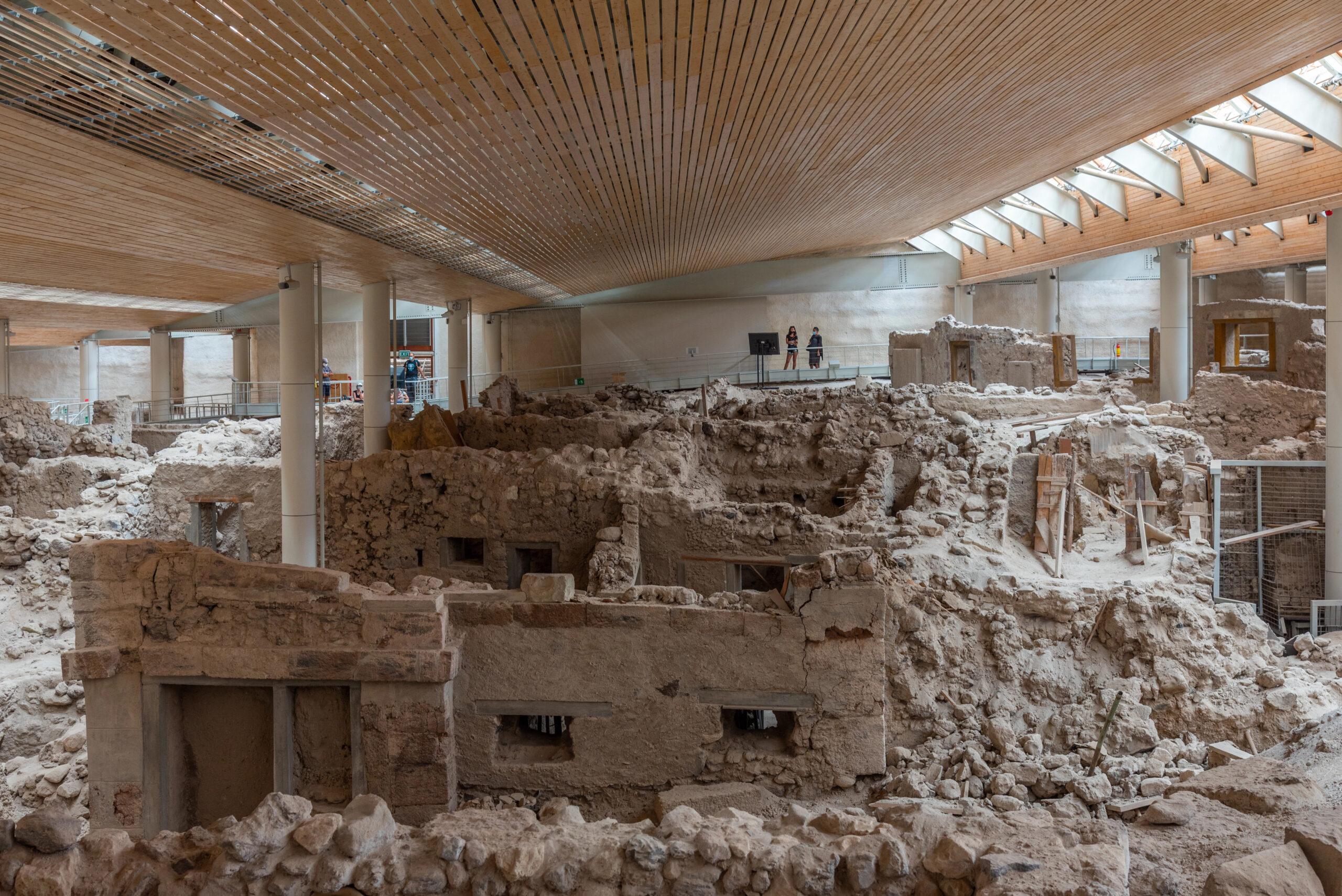
Known as the Greek Pompeii, the Bronze age settlement of Akrotiri is a fascinating archaeological site where you’ll travel back in time and get a glimpse of life in the Bronze Age. This Minoan port town was enveloped by volcanic ash after a catastrophic eruption around 1600 BC (the exact date remains debated among archaeologists)
Now you wander across suspended walkways and discover the excavations, including two and three-storey buildings, millennia-old frescoes, and an intricate system of drainage canals. The protective canopy keeps you comfortable even in summer heat.
Although the earliest habitation dates to around 6,000 years ago, Akrotiri flourished as a major urban centre about 4,000 years ago. The estimated settlement covered 20 hectares, though only a fraction has been excavated.
The site opens 8am-8pm daily (with shorter hours 8:30am-3:30pm on Mondays and Thursdays). Entry costs €20 for adults. Reaching Akrotiri is straightforward – buses from Fira take about 20 minutes and cost around €2.
The artefacts discovered here, including stunning frescoes, are displayed in Fira’s Museum of Prehistoric Thera (covered below). Allow 1-2 hours for your visit. Many find hiring a guide brings the ancient city to life, though the site is well-signed for independent exploration.
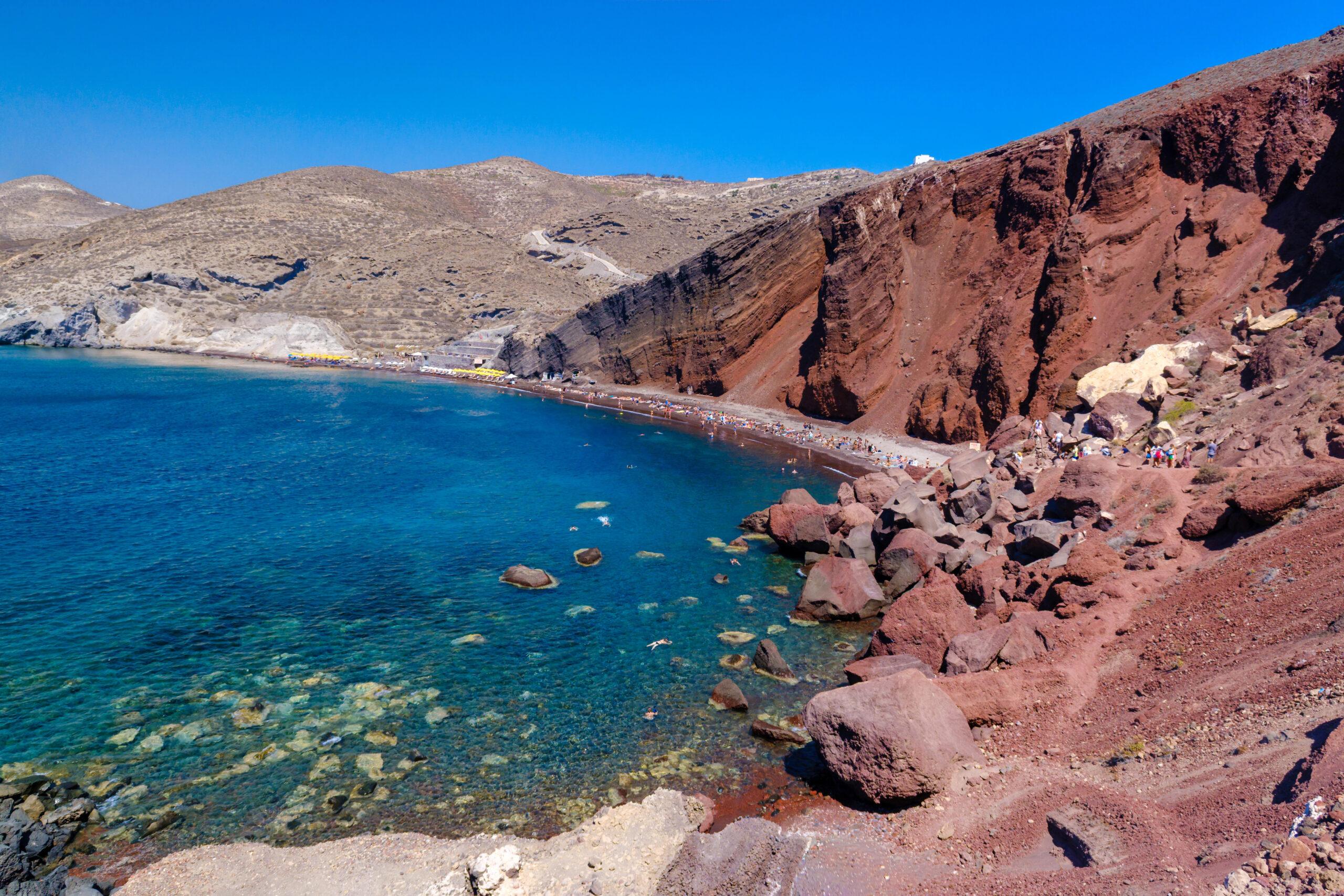
Head to the Red Beach
With its glorious red sand, imposing red cliffs juxtaposed against the blue hues of the Aegean Sea, the Red Beach could be plucked from Mars – so otherworldly is the landscape. And while many holidaymakers will expect the atypical white sands of other Greek islands, the volcanic aftermath has left its distinctive legacy.
Located near Akrotiri archaeological site, Red Beach (Kokkini Paralia) gets its dramatic colour from the oxidised iron-rich volcanic rock. The beach is relatively small and accessed by a 10-minute walk on a rocky path from the car park.
The striking red-and-black cliffs tower above the pebbly shore, creating one of Santorini’s most photogenic spots. The water is crystal clear and perfect for snorkelling. Come early in the day as it gets very busy by midday, and bring water shoes as the pebbles can be uncomfortable.
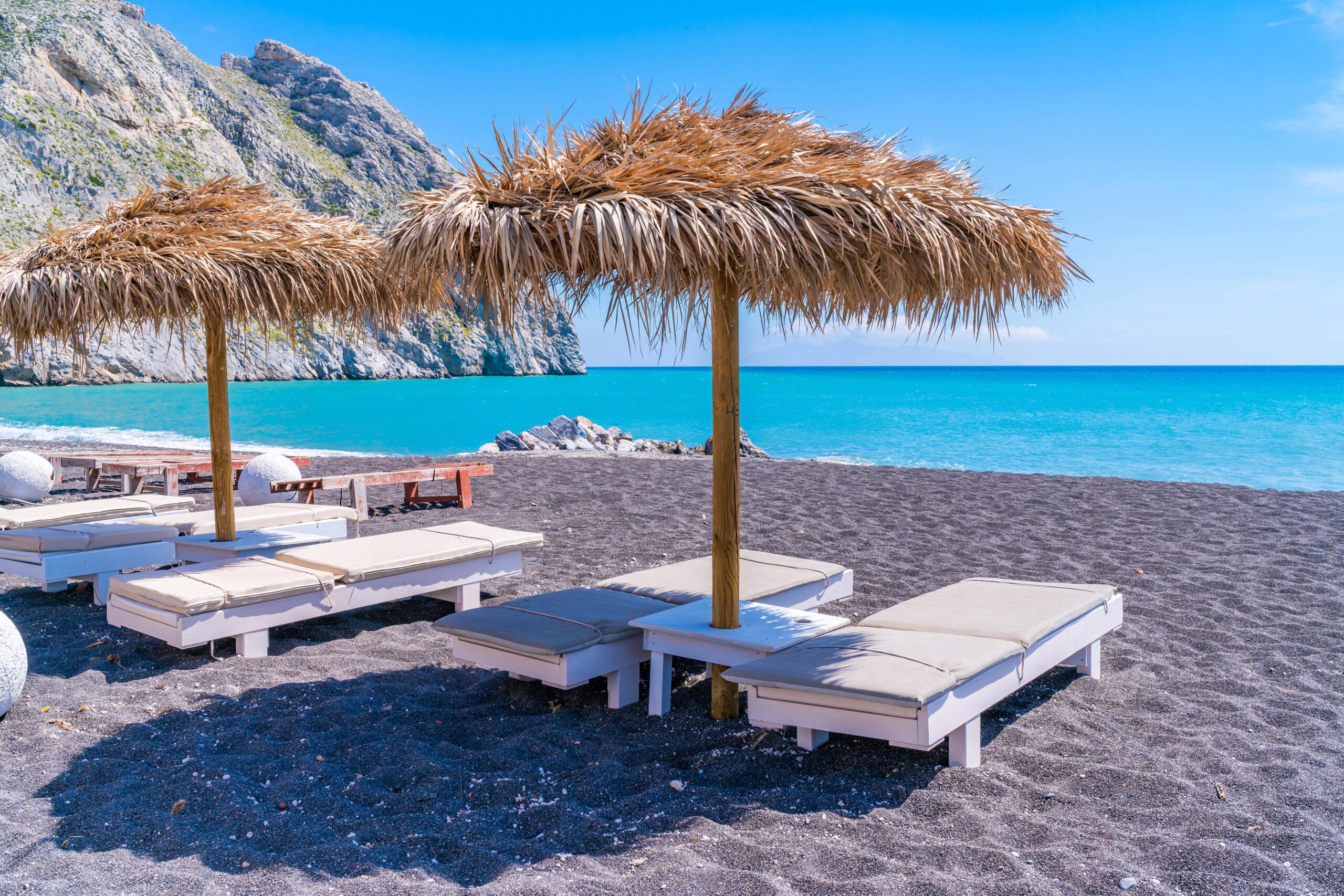
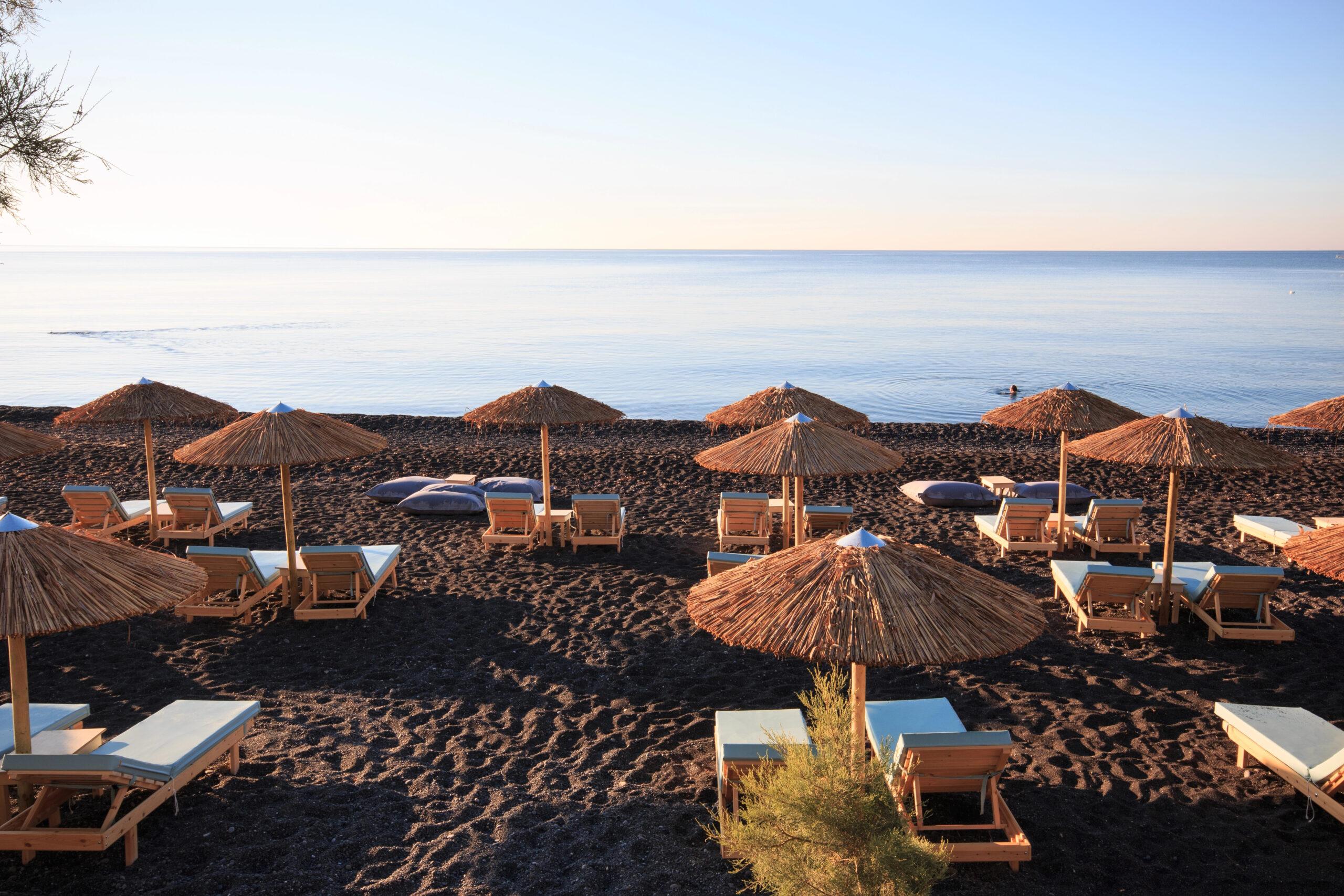
Discover black sand beaches
Meanwhile, the black sands of Perissa, Perivolos and Kamari are also worth visiting. These volcanic beaches stretch for kilometres along Santorini’s eastern coast, offering a completely different beach experience from the dramatic caldera side.
Perissa Beach is the longest, with fine black sand that gets hot in summer – bring sandals or rent a sunbed (around €8-10 for two loungers and umbrella). The beachfront promenade is lined with tavernas, cafes and water sports centres.
Kamari Beach offers similar volcanic sands but with a more developed resort feel. The seafront features numerous restaurants, bars and shops. It’s particularly popular with families as the waters are generally calm and shallow near shore.
Both beaches have excellent swimming from May through October. The black sand absorbs heat, so the water warms up nicely by late spring. Amenities include changing rooms, showers, and a full range of water sports from jet skiing to parasailing.
Wander the caldera towns
The views from the Caldera towns of Fira, Oia, Imerovigli and Firostefani are simply incredible. You will never tire of the white-washed buildings and pretty churches that cling to the cliff faces. And the best way to explore the winding streets is on foot. Just see where your route takes you – you’ll discover little hidden nooks, cafes, restaurants and shops away from the main thoroughfares.
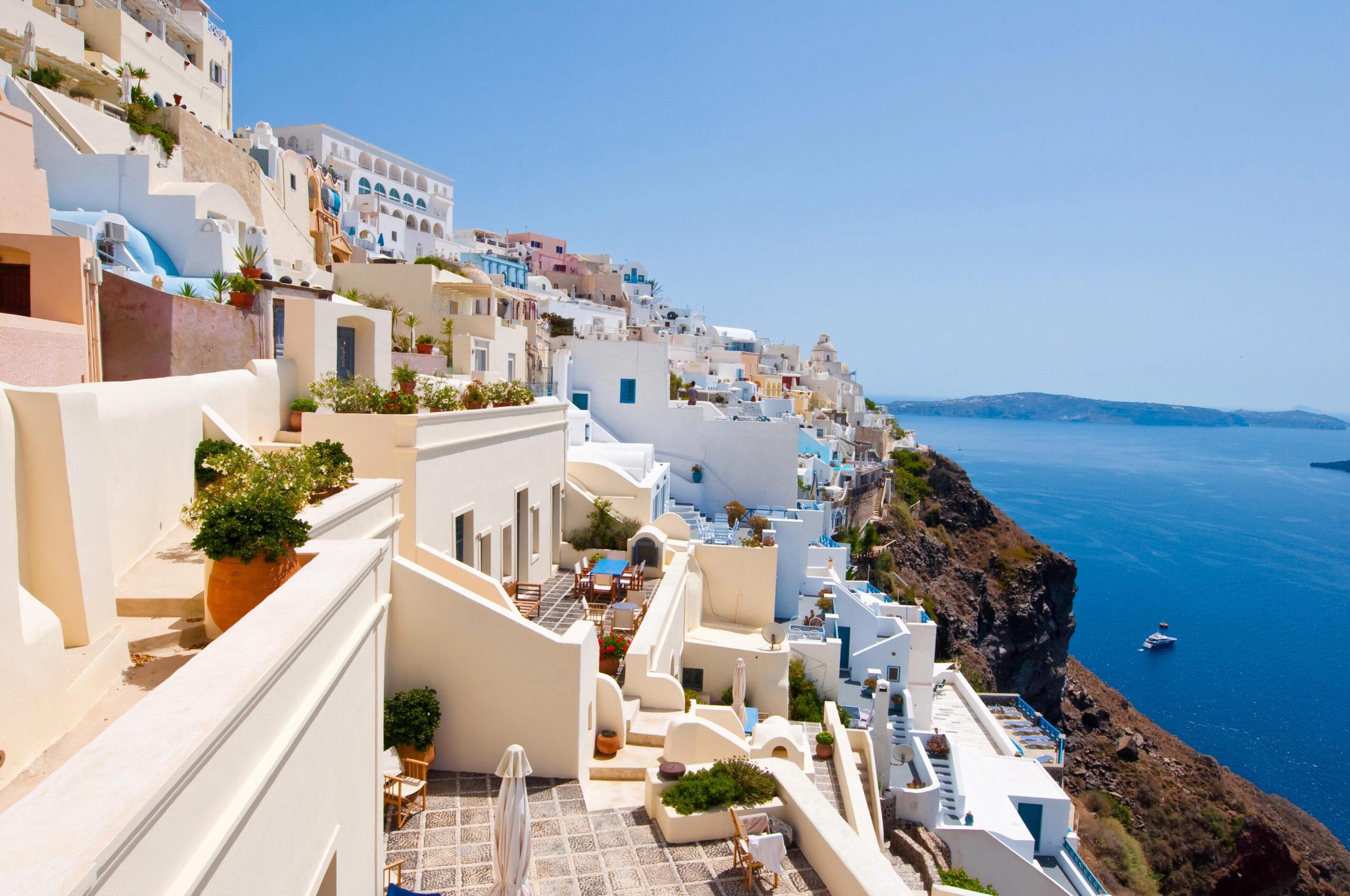
Fira, Santorini’s capital, balances cosmopolitan energy with traditional charm. The main pedestrian street, Erythrou Stavrou, is lined with jewellery shops, art galleries and designer boutiques. But venture into the side alleys, and you’ll find authentic tavernas where locals still gather.
Oia needs no introduction – it’s the postcard-perfect village of blue domes and sunset crowds. Go early morning or late afternoon outside peak sunset hours to appreciate its beauty properly. The narrow streets hide excellent bookshops (like Atlantis Books), art galleries and surprisingly good coffee shops.
Imerovigli sits at the highest point of the caldera and feels quieter than its famous neighbours. It’s ideal for sunset viewing without Oia’s chaos, and serves as the starting point for the Skaros Rock hike.
Firostefani connects Fira and Imerovigli via a scenic footpath hugging the caldera rim. The 20-minute walk offers continuous panoramic views and passes numerous chapels and viewpoints.
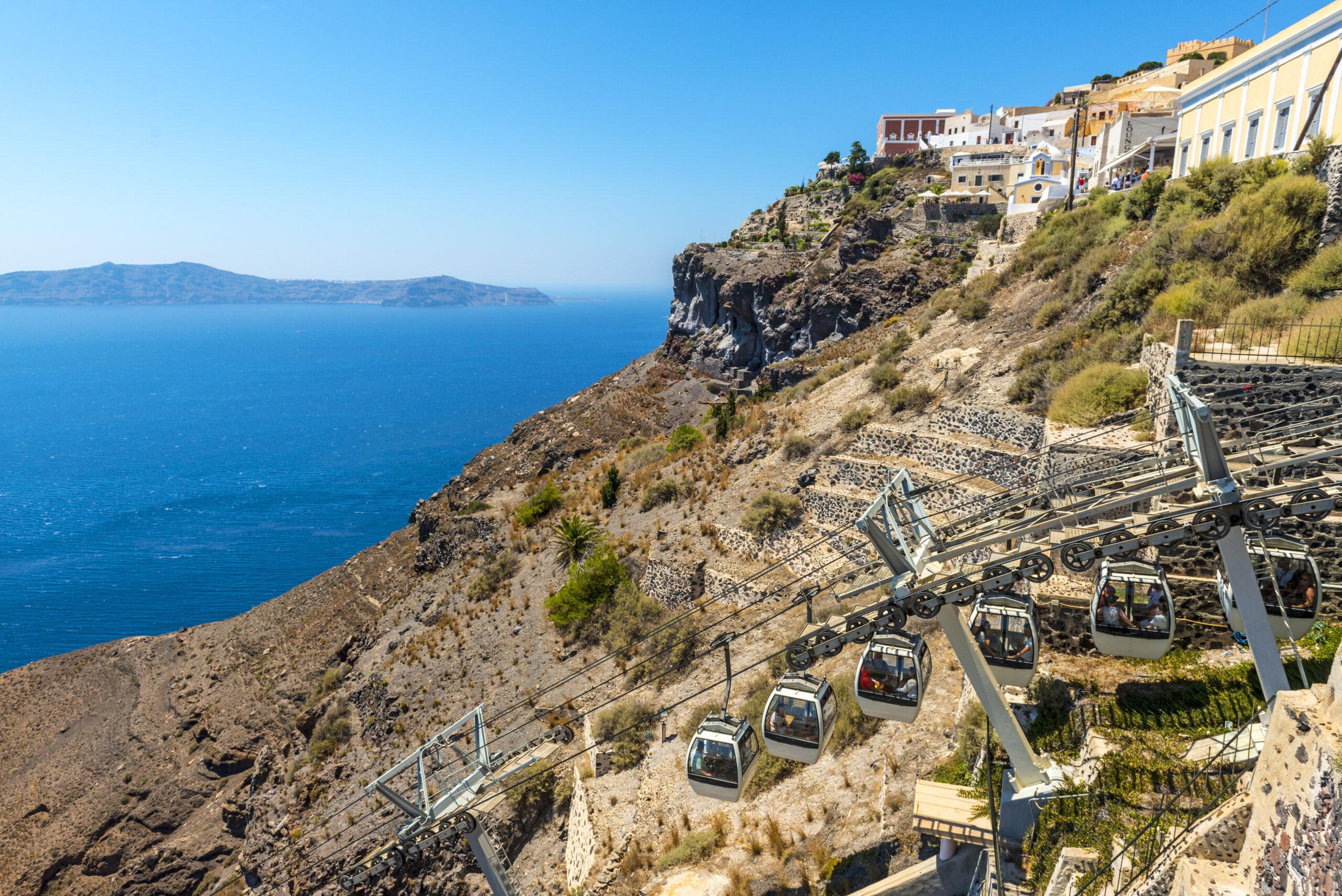
Take the cable car from Old Port
The cable car connecting Fira to the Old Port offers one of Santorini’s most scenic three-minute journeys. From the old harbour, you’ll ascend 220 metres up the dramatic caldera cliffs, watching the Aegean Sea and white-washed houses unfold below.
The cable car operates from early morning until late evening (6am-11pm in high season), transporting 1,200 people per hour in gondola-style carriages that seat six passengers. It’s the fastest and most comfortable way to reach Fira from below – especially welcome after boat tours or if you’re arriving by cruise ship.
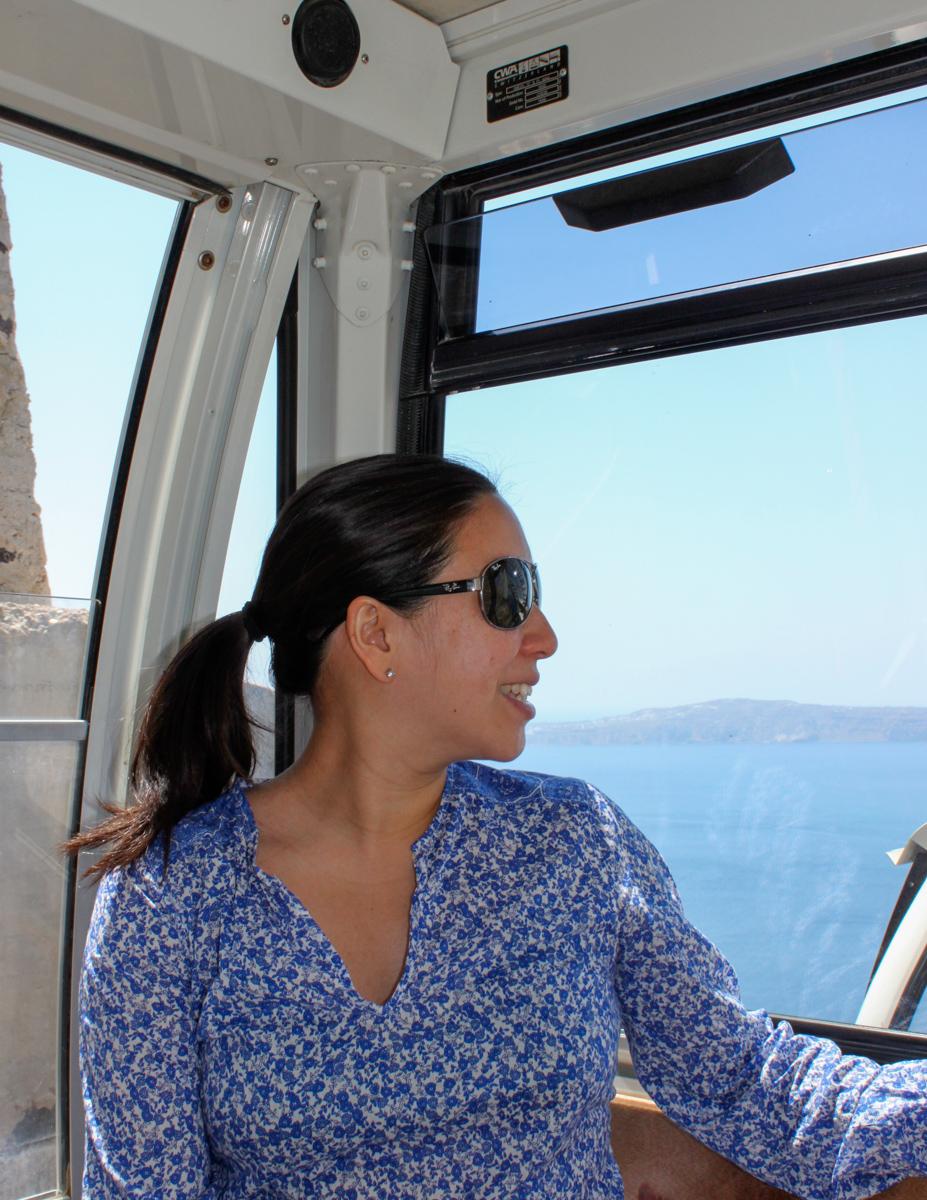
A one-way ticket costs €10 for adults and €5 for children (prices increased in 2025). Cash and cards are accepted at the ticket booth. On cruise ship days, expect queues of 1-2 hours, so factor this into your planning.
The alternative is walking the 588 steps up (or down), which takes about 20-30 minutes depending on fitness. The steps are steep but manageable, offering great photo opportunities. We recommend walking down and taking the cable car up to save your legs.

Visit Ammoudi Bay
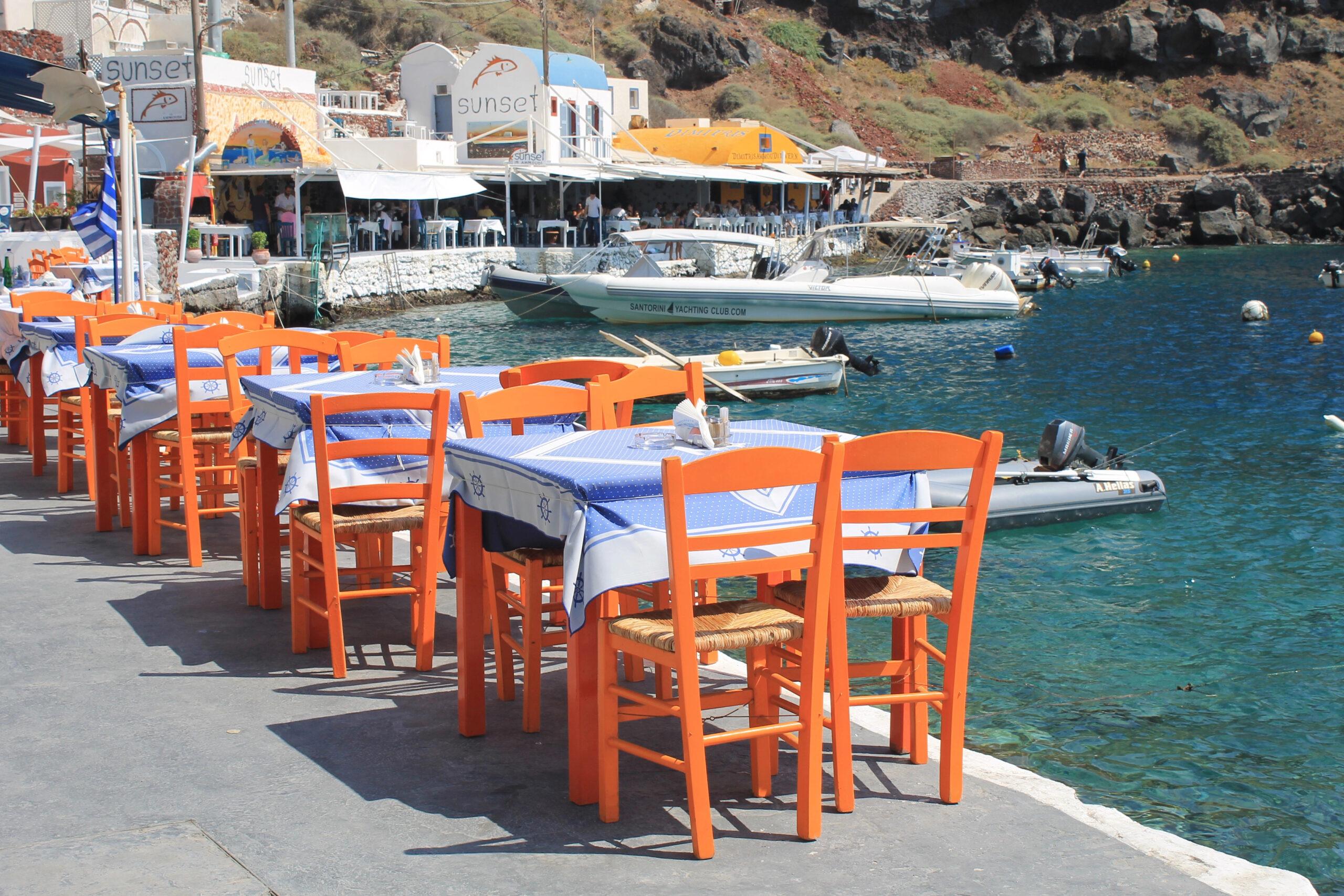
Below Oia, accessed by 300 steps or a winding road, Ammoudi Bay offers a completely different perspective of Santorini. This tiny fishing harbour, nestled at sea level below the caldera cliffs, feels worlds away from the crowds above.
The handful of seafood tavernas here is legendary. Fresh fish and octopus are delivered daily by local fishermen, and you’ll see your meal grilled right at your table. Sunset dinner here rivals Oia’s famous sunset spots – you watch the sun disappear while waves lap at your feet.
Brave souls swim from the small platform or the rocks, diving into the deep blue Aegean. The water is incredibly clear and inviting, especially on hot summer days.
Walking down the 300 steps from Oia takes about 15 minutes. Walking back up takes considerably longer and is strenuous – many opt for donkey rides up (though this remains controversial) or a taxi via the road.
Visit the Museum of Prehistoric Thera
Before or after exploring Akrotiri, visit Fira’s Museum of Prehistoric Thera to see the treasures excavated from the ancient city. This excellent museum displays stunning frescoes, pottery, and artefacts dating back 3,600 years.
The highlight is the collection of Minoan frescoes removed from Akrotiri, including the famous fresco of blue monkeys and the beautiful Spring Fresco showing swallows and lilies. These vibrant artworks reveal the sophistication of Bronze Age Santorini.
Other exhibits include elaborate pottery, bronze tools, furniture fragments and trade goods from across the ancient Mediterranean world. Everything is well-labelled in English.
The museum is open 8:30am-3:30pm daily except Tuesdays. Entry costs €10 (or buy a combined ticket for €15 covering multiple archaeological sites). Allow 1-1.5 hours for your visit.
Take a boat tour to the volcano
To see Santorini in all its splendour, you have to enjoy it from the sea. And by taking a boat trip, you can climb up to where active craters are, visit Palea Kameni’s hot springs and also swim in the gorgeous warm waters of the caldera itself. Some have dinner and dancing, too. It’s a touristy thing to do, but the rewards of seeing the volcano up close is part of the attraction. Plus, kids will love the adventure if you’re planning on travelling to Santorini with kids.
Most volcano tours visit Nea Kameni, the volcanic island in the centre of the caldera. You’ll hike 20-30 minutes across black volcanic rock to reach still-steaming craters. It’s an otherworldly landscape that really brings home Santorini’s volcanic nature.
The hot springs at Palea Kameni aren’t exactly hot – more lukewarm – but swimming in the orange-tinted waters is a memorable experience. The colour comes from sulphur and iron oxide from underwater thermal springs.
Tours typically last 3-6 hours and cost €25-60 depending on what’s included. Sunset cruises command premium prices but offer magical views of the caldera bathed in golden light. Most depart from either Fira’s Old Port or Athinios Port.
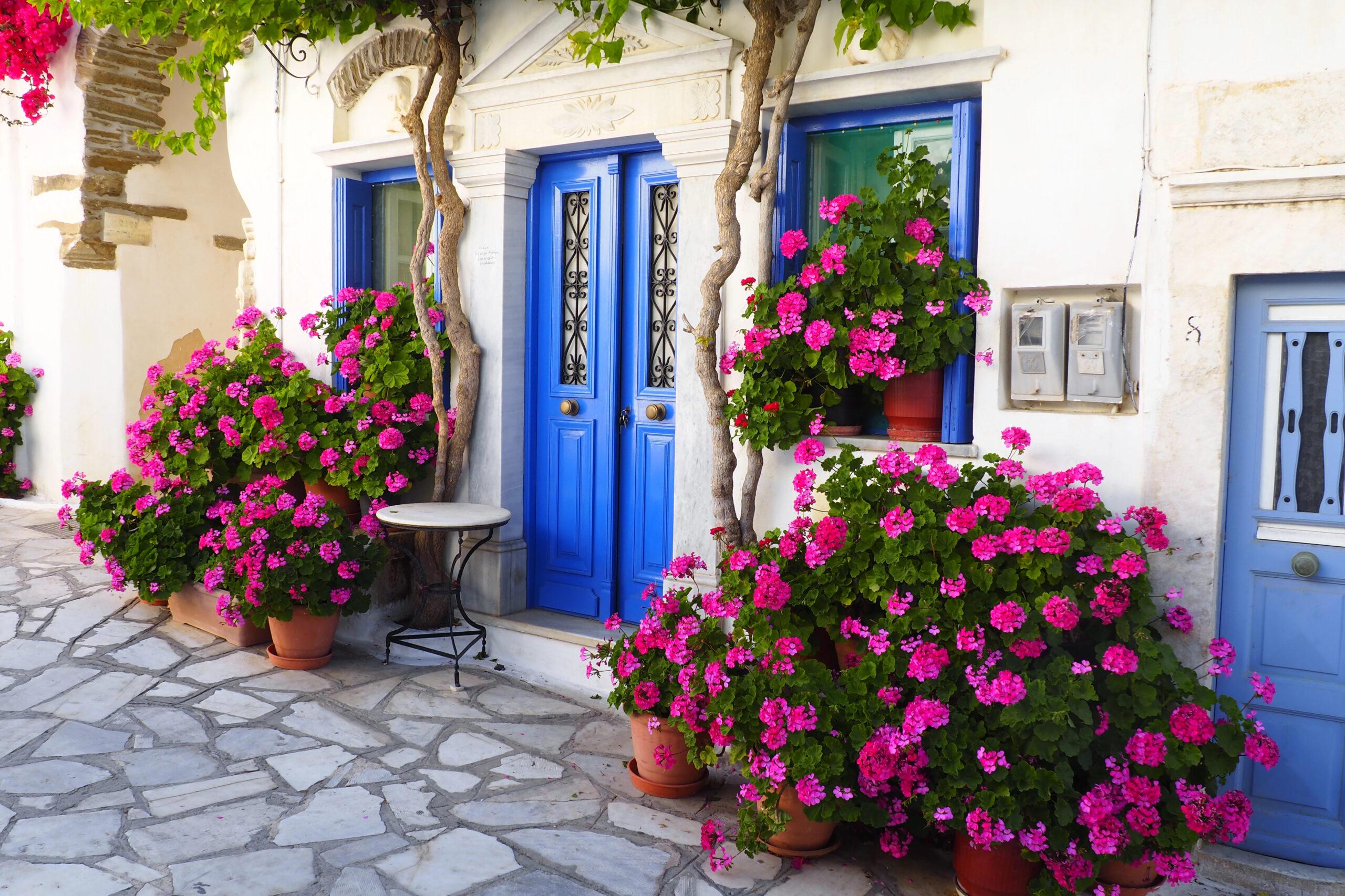
Explore traditional villages
Beyond the famous caldera towns, Santorini’s traditional inland villages offer authentic glimpses of island life. Pyrgos village crowns a hill in Santorini’s centre, built in concentric circles around a Venetian castle dating to the 15th century.
Wandering Pyrgos’s maze of narrow alleys and archways feels like stepping back in time. Locals still outnumber tourists here, and tavernas serve traditional dishes at reasonable prices. The village is also home to numerous churches – count them if you can!
Megalochori is another charming village with traditional architecture, old mansions, and cave houses. The village square with its church and bell tower is picture-perfect, and the surrounding area hides several excellent wineries, including Venetsanos Winery, which offers tours and tastings with spectacular caldera views.
Emporio is Santorini’s largest inland village, built defensively around another Venetian castle. The preserved medieval quarter (Kasteli) remains largely intact, with its maze of covered passages and blue-painted doorways.
Visit Ancient Thera
While Akrotiri gets more attention, Ancient Thera, perched on Mesa Vouno mountain, offers a different historical perspective. This ancient city, inhabited from the 9th century BC through Byzantine times, provides insights into Greek, Roman and early Christian periods.
The site sits at 369 metres elevation, reached by a winding road from Perissa or Kamari (or a more challenging hiking trail). The ruins include temples, houses, a theatre, and an early Christian basilica, all enjoying spectacular views over the eastern coast.
Ancient Thera is open daily except Wednesdays (8:30am-3:30pm). Entry costs €10. The exposed mountainside position means it gets extremely hot in summer – go early morning or late afternoon. Many find the views alone worth the visit.
Try a cooking class
What better way to bring Santorini home than learning to cook authentic Greek dishes? Several cooking classes across the island teach you to prepare traditional Cycladic specialities using local ingredients.
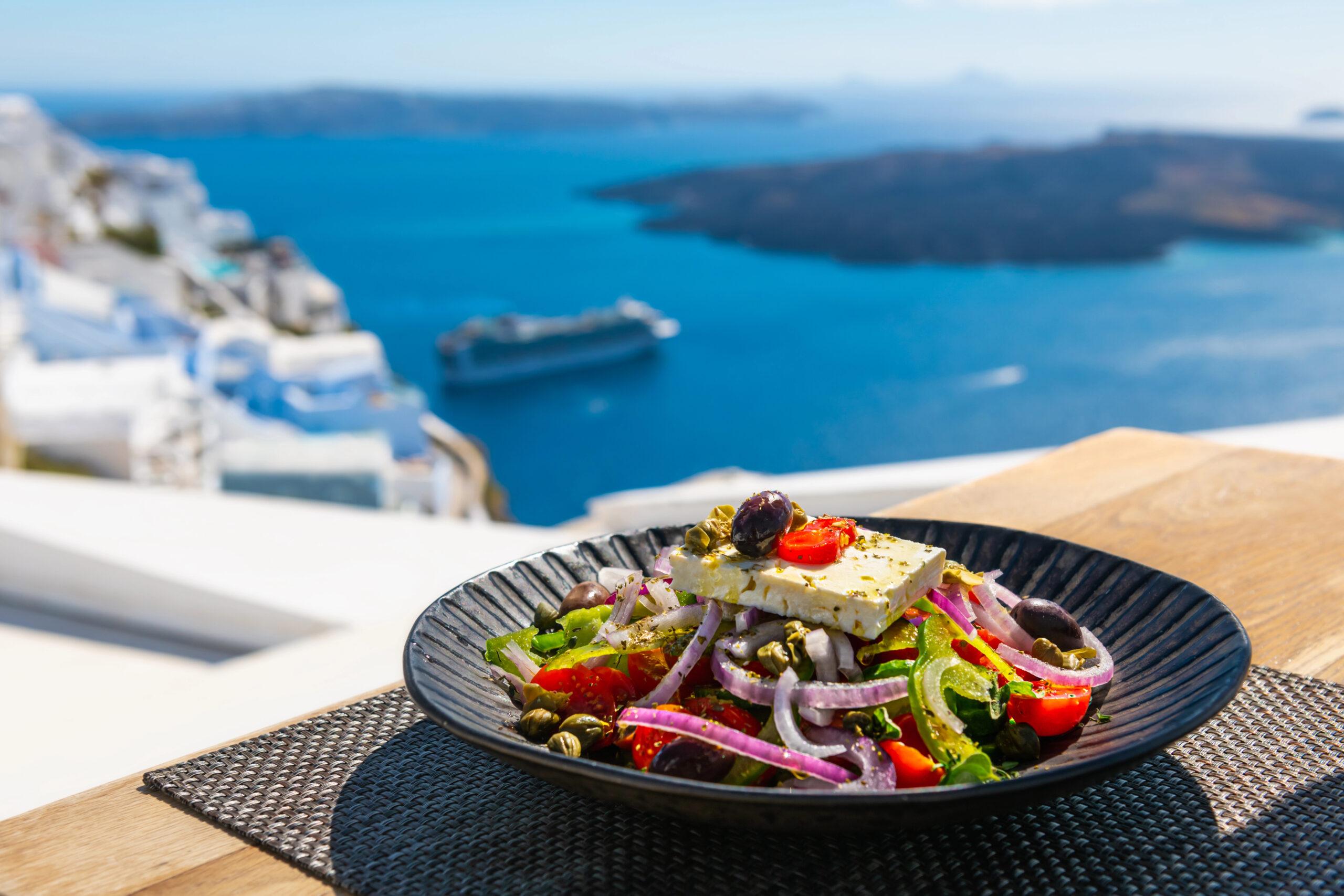
You’ll typically learn to make classics like moussaka, Greek salad with Santorini tomatoes, fava (yellow split pea puree – a Santorini speciality), dolmades (stuffed grape leaves), and various meze dishes. Classes often include a market visit to select ingredients.
Most classes last 4-5 hours, including preparation, cooking and dining on your creations. They cost around €70-90 per person and often include wine from local producers. It’s a wonderful way to understand Greek food culture beyond restaurant dining.
Classes suit all skill levels and provide recipes to recreate dishes at home. Many participants say it’s one of their most memorable Santorini experiences.
Getting around Santorini
While Santorini is relatively small (roughly 18km long), the winding roads and dispersed attractions make transport planning essential. Here’s what you need to know.
Hiring a car is what we did, and we’d recommend it. Prices start around €30-40 per day in shoulder season. Roads are generally good, though narrow in places, and parking in Fira and Oia can be challenging. Having your own wheels gives you freedom to explore at your own pace and reach beaches and villages independently.
ATV/Quad bikes are hugely popular, starting from €20-30 per day. They’re easier to park but less comfortable for longer journeys and offer no protection from the sun. You’ll need an appropriate licence.
Public buses operate from Fira to major destinations including Oia, Akrotiri, Perissa, Kamari and the airport. They’re frequent, reliable and cheap (€1.80-2.50 per journey), but get extremely crowded in peak season. Timetables are at the station and online at KTEL Santorini.
Taxis are available but limited in number. Expect to pay €15-25 for common routes like the airport to Fira, or €25-35 for longer journeys. Pre-book through your hotel or apps.
Frequently asked questions about visiting Santorini
How many days do you need in Santorini?
We spent a full week, which allowed us to explore thoroughly without rushing. However, 3-4 days is ideal for most visitors to see the main attractions, enjoy some beach time, and experience the sunsets. Two days feel rushed unless you’re just wanting a quick taste.
Is Santorini expensive?
Santorini is one of Greece’s pricier islands. Caldera-view hotels command premium rates (€200-500+ per night in summer), and restaurants in Oia and Fira cost more than elsewhere in Greece. That said, inland villages, eastern coast beaches, and local tavernas offer excellent value. Visit in shoulder season to reduce costs significantly.
Can you swim in Santorini?
Absolutely! The beaches offer excellent swimming from May through October. The volcanic black sand beaches (Perissa, Kamari) on the east coast are best for extended swimming, with gradually shelving shores. The caldera side has rockier access points but crystal-clear waters. Peak water temperatures (23-25°C) occur in August-September.
Do you need a car in Santorini?
Not essential, but highly recommended. Buses cover main routes but are crowded and infrequent in some areas. Having a car or ATV gives you the flexibility to explore beaches, villages, wineries and archaeological sites at your own pace. If you’re staying exclusively in Fira or Oia and taking organised tours, you can manage without one.
What should I not miss in Santorini?
Beyond the famous sunset in Oia, don’t miss: Akrotiri archaeological site for history, Santo Wines for wine tasting with views, Skaros Rock hike for dramatic scenery, Red Beach for otherworldly landscapes, and a boat trip to the volcano. Also explore at least one traditional inland village like Pyrgos for authentic island life.
Where are the famous blue domes in Santorini?
The most photographed blue-domed churches are in Oia at the northern end. Look for the Church of Agios Spyridonas and the Three Bells of Fira (actually in Firostefani, between Fira and Imerovigli). These iconic structures appear in countless Santorini postcards and Instagram posts.
Santorini rewards exploration beyond the Instagram hotspots. From ancient civilisations to volcanic landscapes, world-class wines to dramatic hikes, this remarkable Greek island offers experiences that linger long after you leave. Whether you’re watching molten sunsets from Oia, hiking to medieval ruins on Skaros Rock, or swimming in the warm Aegean off black sand beaches, Santorini delivers magic at every turn.