The first time I flew into Nantes, my only encounter with the city was from the motorway. I’d been whisked away from the airport straight to theme park Puy du Fou, about an hour south. I was gutted not to have explored what locals call one of the nicest cities in France. Set on the Loire River, and the producer of my favourite wine, Muscadet, Nantes is a city that blends art, history and seriously good food in a way that feels entirely its own.
So on my return to France a few months later, during our road trip from Brittany to the Dordogne, we stopped a few nights in Nantes to discover for ourselves why this former industrial centre has become a thriving cultural hub. And while this guide focuses on the best things to do in Nantes, we went as a young family. We found it to be a brilliantly child-friendly city, too – from climbing frames and potting gardens dotted along the river to attractions the whole family can enjoy.
Quick answer: Top things to do in Nantes
- Les Machines de l’île – ride the Grand Elephant and explore the Galerie des Machines
- Follow the green line – a 20km art trail painted on the ground connecting 70+ stops
- Château des ducs de Bretagne – free rampart walks, plus the Nantes History Museum inside
- Passage Pommeraye – a 19th-century three-level shopping arcade with a glass ceiling
- Jardin des Plantes – one of the four largest botanical gardens in France
- Nantes Cathedral – recently reopened after five years of restoration
- Memorial to the Abolition of Slavery – a powerful underground memorial on the Quai de la Fosse
- Trentemoult – a colourful former fishing village, 10 minutes by boat
Ride the Grand Elephant at Les Machines de l’île
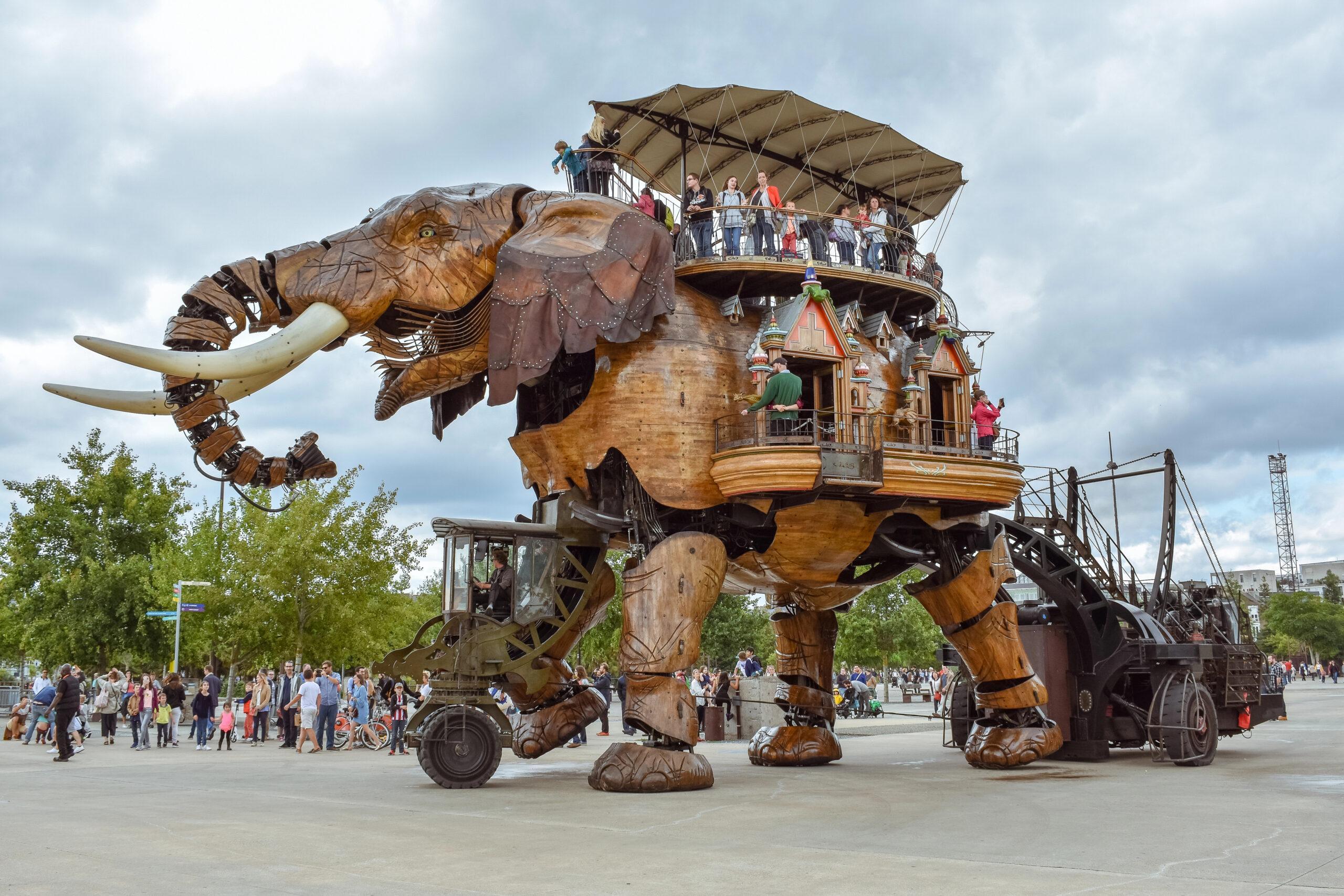
The famous Les Machines de l’île on the Île de Nantes really is as extraordinary as everyone makes out. Built on the site of the city’s former shipyards, this project was designed and developed by artists François Delarozière and Pierre Orefice, who brought to life a mechanical world inspired by Jules Verne’s invented worlds and Leonardo da Vinci’s notebooks.
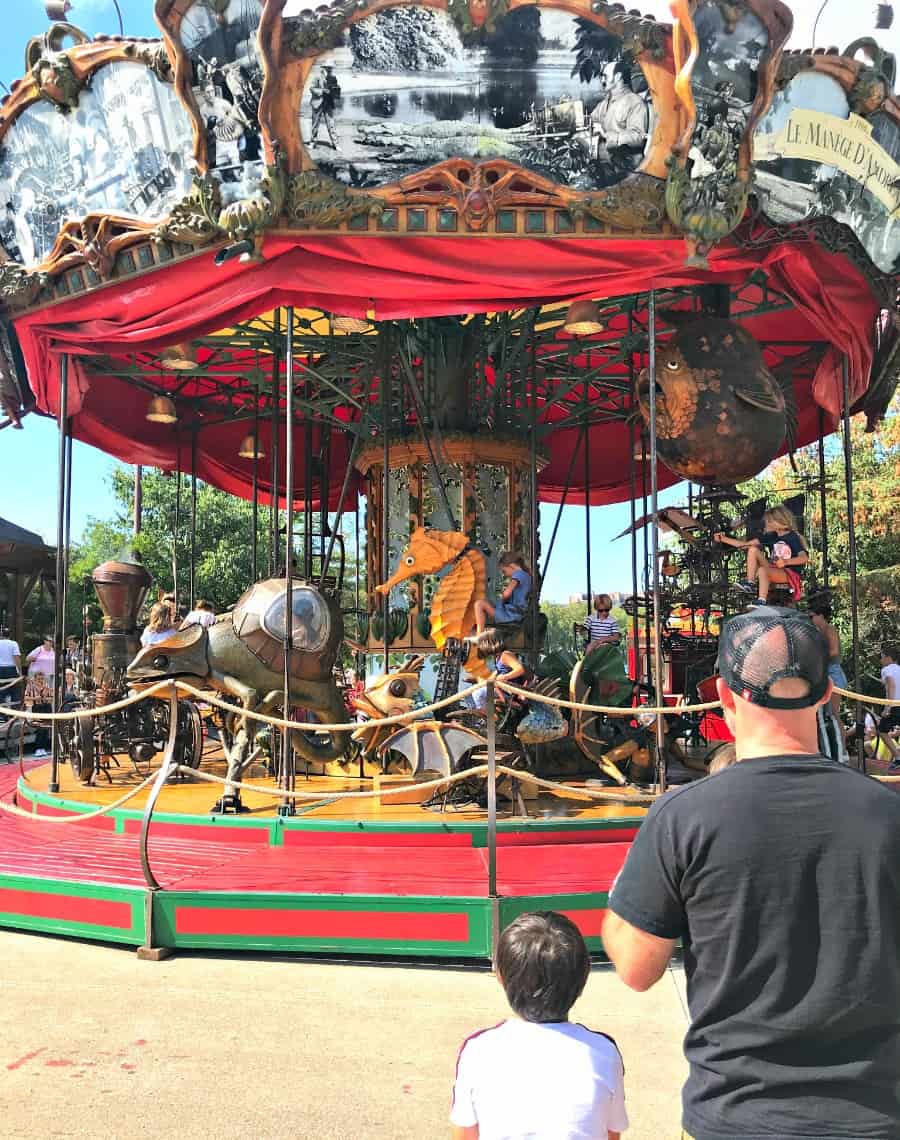
We took a ride on the Grand Elephant – a 12-metre-tall, 48-tonne mechanical beast that roams the banks of the Loire – and it was an event in itself. We loved the grind of gears and metal as we moved along the riverbank, and laughed out loud as the trunk sprayed water over the crowds below and us. Later, the children screamed with delight as they were spun around on the Carrousel des Mondes Marins, a three-storey carousel of fantastical sea creatures.
The Galerie des Machines is worth the visit alone. Staff demonstrate each mechanical animal one by one, and you can watch the workshop where new creations are being built. You’ll also find prototype creatures from the Heron Tree project – a giant steel tree currently under construction, due to open in 2027 – including a giant hummingbird, a flock of wild geese and a mechanical chameleon.
Tickets cost €12 per adult for each activity (Elephant ride, Galerie, or Carrousel), with combo passes available. Children aged 4-12 pay €8. Book in advance on the official website, especially during weekends and school holidays. You can watch the Elephant parade from the ground for free if you don’t fancy the ride.
Follow the green line through the city
One of the most distinctive things about Nantes is the green line – a painted trail on the ground that winds over 20 kilometres through the city, connecting more than 70 artistic and heritage stops. It’s the backbone of Le Voyage à Nantes, an art initiative that has turned the city into a sort of open-air museum since 2012.
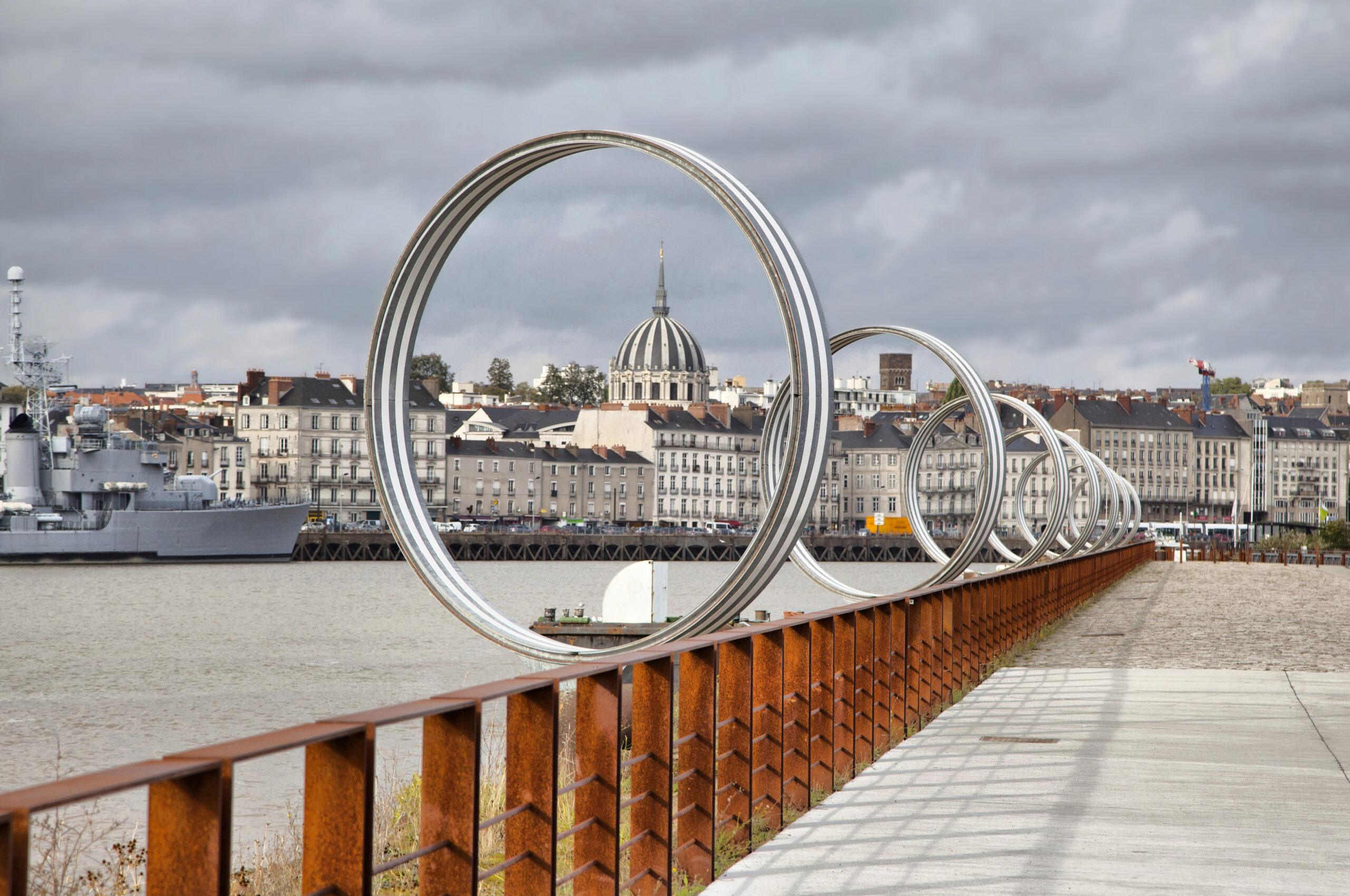
You can follow the green line all year round, at your own pace, for free. It links the major landmarks – the château, the cathedral, Les Machines – but also takes you past unexpected public artworks, tucked-away courtyards and streets you’d never find on your own. Daniel Buren and Patrick Bouchain’s Les Anneaux (The Rings) on the Quai des Antilles are among the permanent installations you’ll pass – 18 illuminated rings along the quayside that glow at night.
Every summer from July to early September, Le Voyage à Nantes adds new temporary installations along the route. The 2026 edition (4 July – 6 September) opens a four-year cycle dedicated to the natural elements, starting with the theme of Earth, with works by ten French and international artists.
Explore the Château des ducs de Bretagne
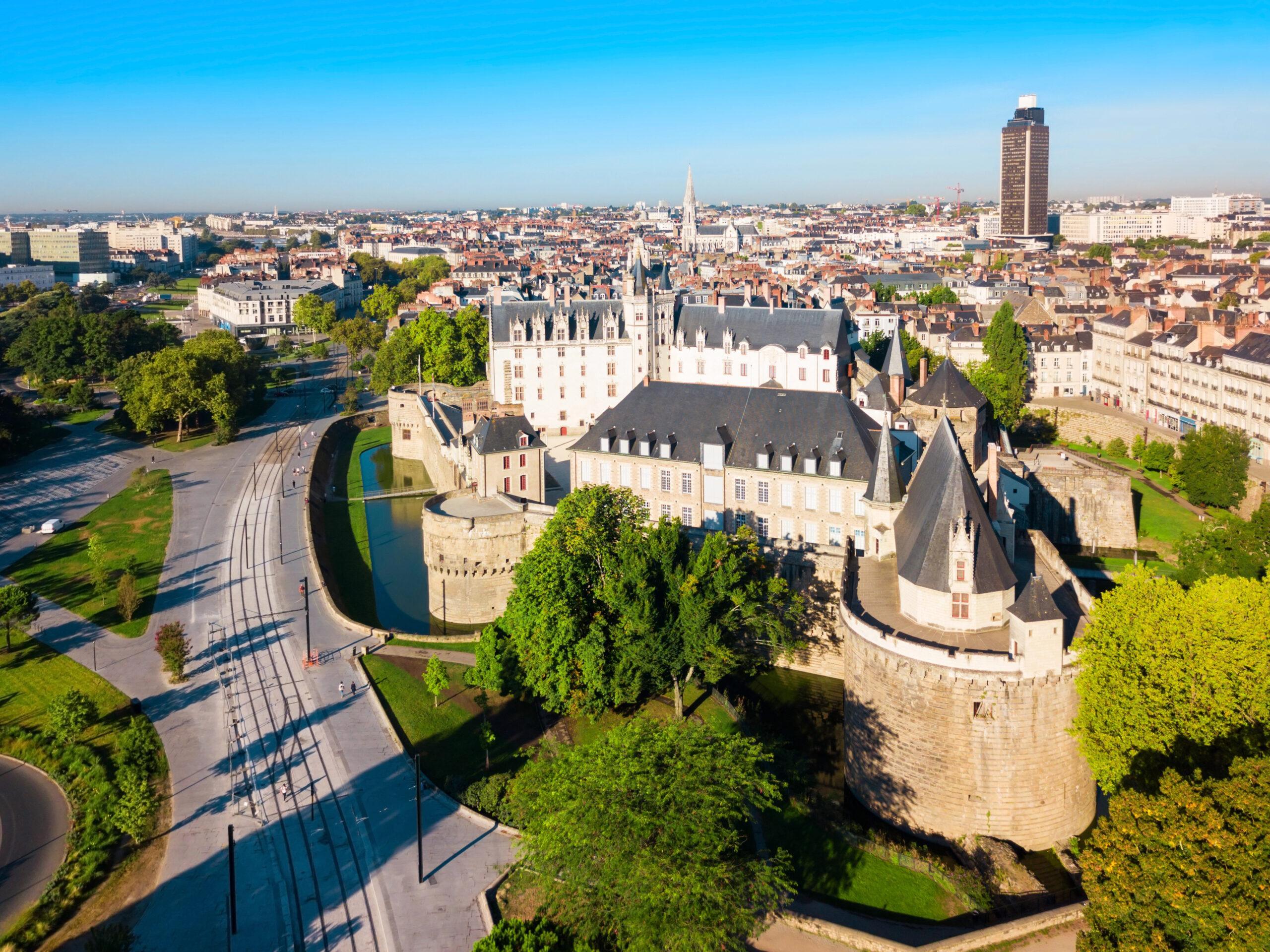
It’s easy to find châteaux in Brittany, but the Château des ducs de Bretagne is something else entirely. Built in the late 15th century by François II, the last Duke of Brittany, this fortified castle dominates the heart of the city with its imposing white limestone facade and thick defensive ramparts.
The best bit? It’s free to walk the ramparts and the grassy courtyards – and the views across the Nantes skyline from up on the walls are well worth the climb. Inside, the Nantes History Museum takes you through the city’s story, from the Dukes of Brittany through to Nantes’s complex past as France’s busiest slave-trading port in the 18th century, and onwards to the present day. The interactive exhibits are engaging enough to hold older children’s attention, and in summer, there’s even a slide in the courtyard.
Wander the Bouffay district
The Bouffay is Nantes’s medieval old town, and it’s the kind of neighbourhood where you just want to get a bit lost. Narrow streets open onto small squares lined with restaurants, crêperies and bars. The half-timbered buildings lean at slightly improbable angles. Place du Bouffay itself is a good spot for a coffee or a galette – it’s lively without being overwhelming.
From here, it’s a short walk to Place Royale, with its elaborate fountain representing the Loire and its tributaries, and on to Place Graslin, where the elegant neoclassical Théâtre Graslin faces a cluster of brasseries perfect for people-watching over a glass of Muscadet.
Step inside the Passage Pommeraye
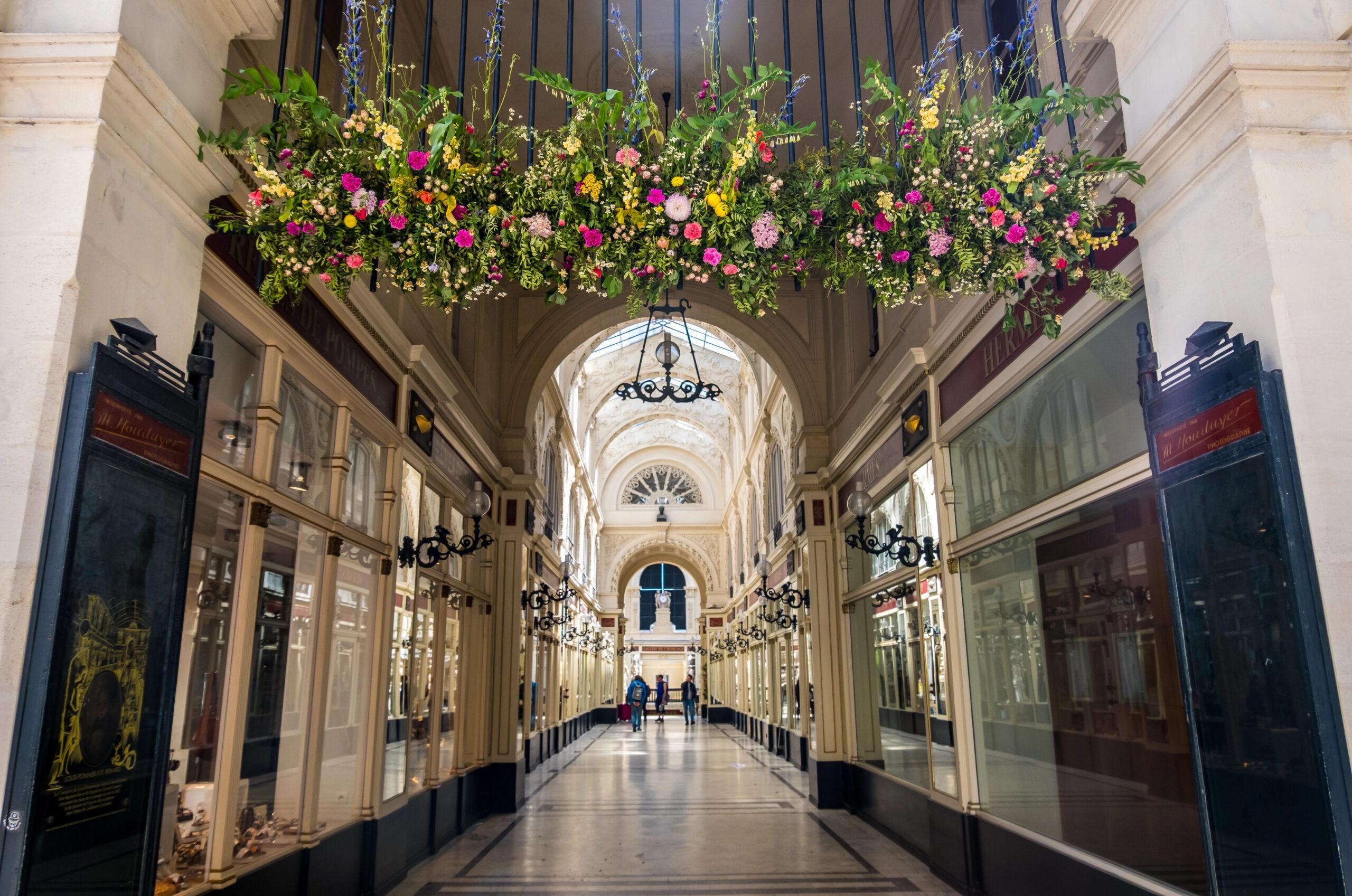
Tucked between Rue de la Fosse and Rue Santeuil, the Passage Pommeraye is one of the most beautiful covered shopping arcades in Europe. Built in 1843 on a steep incline, the three-storey passage is connected by a grand central staircase flanked by neoclassical columns, allegorical statues and a glass ceiling that floods the space with natural light.
It’s free to walk through and worth visiting purely for the architecture – the ornate ironwork, the sculptural details, the way the light shifts depending on the time of day. Filmmaker Jacques Demy used it as a backdrop for his films Lola and Une chambre en ville. The passage has been classified as a historic monument since 1976 and was restored in 2015.
Open all week. Individual shop hours vary.
Reflect at the Memorial to the Abolition of Slavery
On the Quai de la Fosse, between the Anne-de-Bretagne Bridge and the Victor-Schoelcher footbridge, you’ll find one of Europe’s most important memorials. Nantes was France’s busiest slave-trading port in the 18th century – ships transported over 550,000 African captives from here to the colonies – and this memorial, opened in 2012, confronts that history head-on.
The walkway is lined with 2,000 glass inserts embedded in the ground: 1,710 bearing the names of slave ships and their departure dates from Nantes, the remaining 290 naming ports of call across Africa, the Americas and the Indian Ocean. An underground passage beneath the quay leads you closer to the waterline, where texts from abolitionists and the Universal Declaration of Human Rights line the walls. It’s sombre, powerful, and important.
Free access, open daily.
Find peace in the Jardin des Plantes
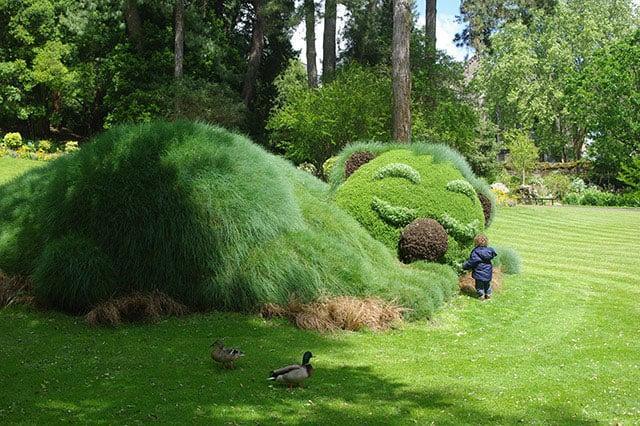
Be blown away by the Jardin des Plantes – one of the four largest botanical gardens in France, with seven hectares of green space right in the centre of town. Wander among 10,000 different species, from sweeping flower beds and manicured lawns framed by ancient magnolias, sequoias and Japanese maples, to several duck ponds and impressive fountains. We stayed here for some time.
The tropical glasshouse (Serre de l’Île de Palmiers) is a warm retreat on a grey day, while kids will enjoy the playground and petting zoo. During Le Voyage à Nantes, the gardens often feature playful large-scale installations made from shrubs and wood.
Entry is free.
Discover the art scene at Musée d’Arts and Le Lieu Unique
The Musée d’Arts de Nantes is a destination in its own right. The collection spans nine centuries, from 13th-century Old Masters through to contemporary work, with pieces by Monet, Picasso, Delacroix and Soulages among the 12,000-plus works.
For something more contemporary, head to Le Lieu Unique, the former LU biscuit factory with its distinctive tower. It’s now a cultural centre with theatre, dance, music, exhibitions, a bookshop, a waterside bar and restaurant, and one of the largest traditional hammams in France. The building itself – all industrial beams and faded factory charm – is half the appeal.
Also worth a look is the Jules Verne Museum, on a hill overlooking the Loire. It’s a small museum dedicated to Nantes’s most famous son, with manuscripts, early editions and models from his novels.
Take a boat to Trentemoult
About 10 minutes by Navibus (the city’s river shuttle) from the centre, the former fishing village of Trentemoult feels a world away from urban Nantes. The narrow lanes are lined with brightly coloured facades – pinks, blues, yellows – and open onto riverside restaurants and cafés. It’s the kind of place where you go for lunch and end up staying for the afternoon, watching the light change over the Loire.
Visit Nantes Cathedral
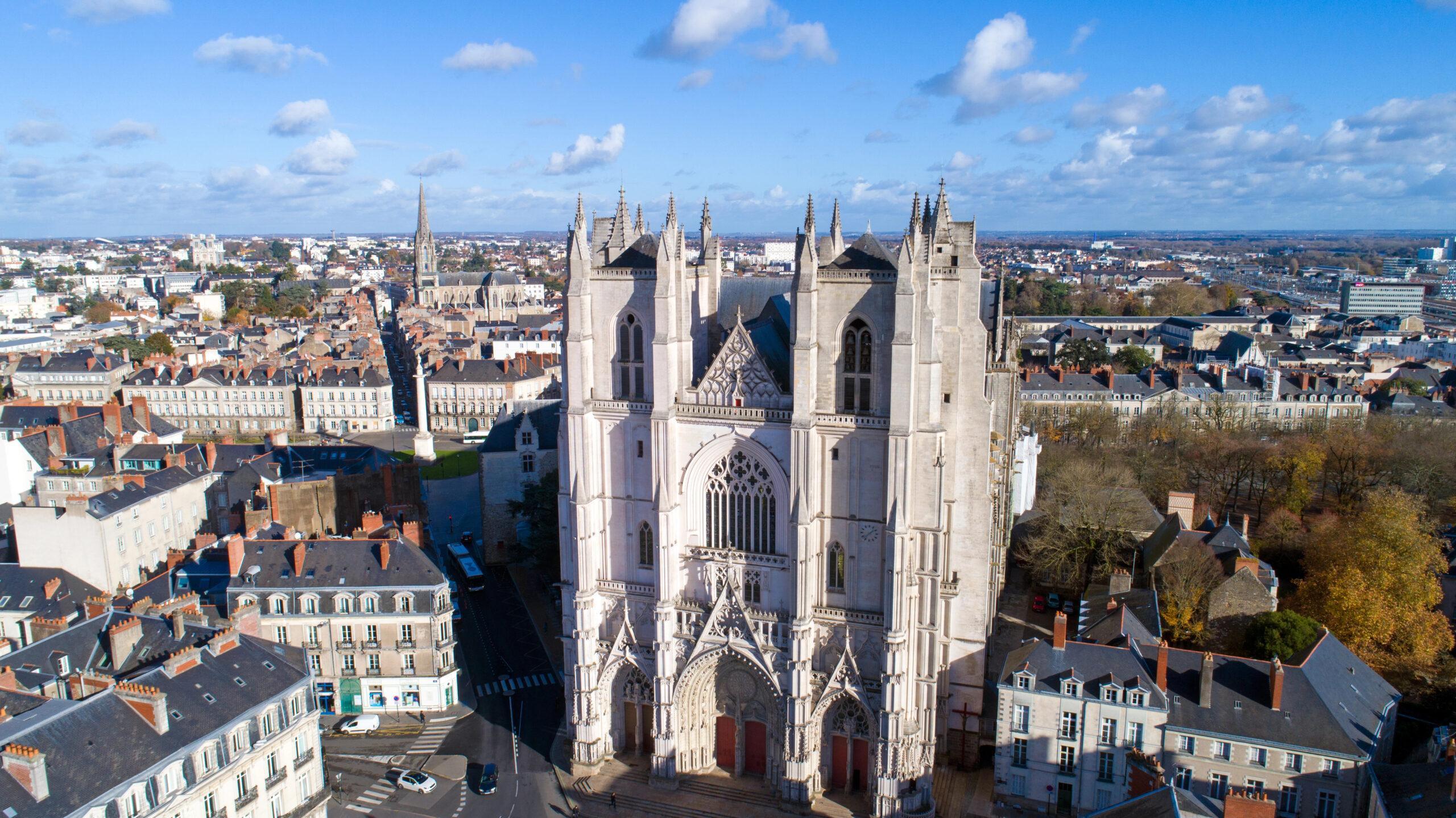
Nantes Cathedral – the Cathédrale Saint-Pierre-et-Saint-Paul – reopened to visitors in September 2025 after five years of restoration following a fire in July 2020. The blaze destroyed the historic 17th-century organ and several priceless artworks, but the main structure was saved.
Construction of the cathedral began in 1434 and wasn’t completed until 1891, giving it a layered mix of Gothic styles across the centuries. Inside, the soaring white stone nave feels remarkably light. Some scaffolding remains as restoration continues on the western facade, and a competition for new contemporary stained-glass windows is underway.
Free entry.
Cruise the Loire estuary
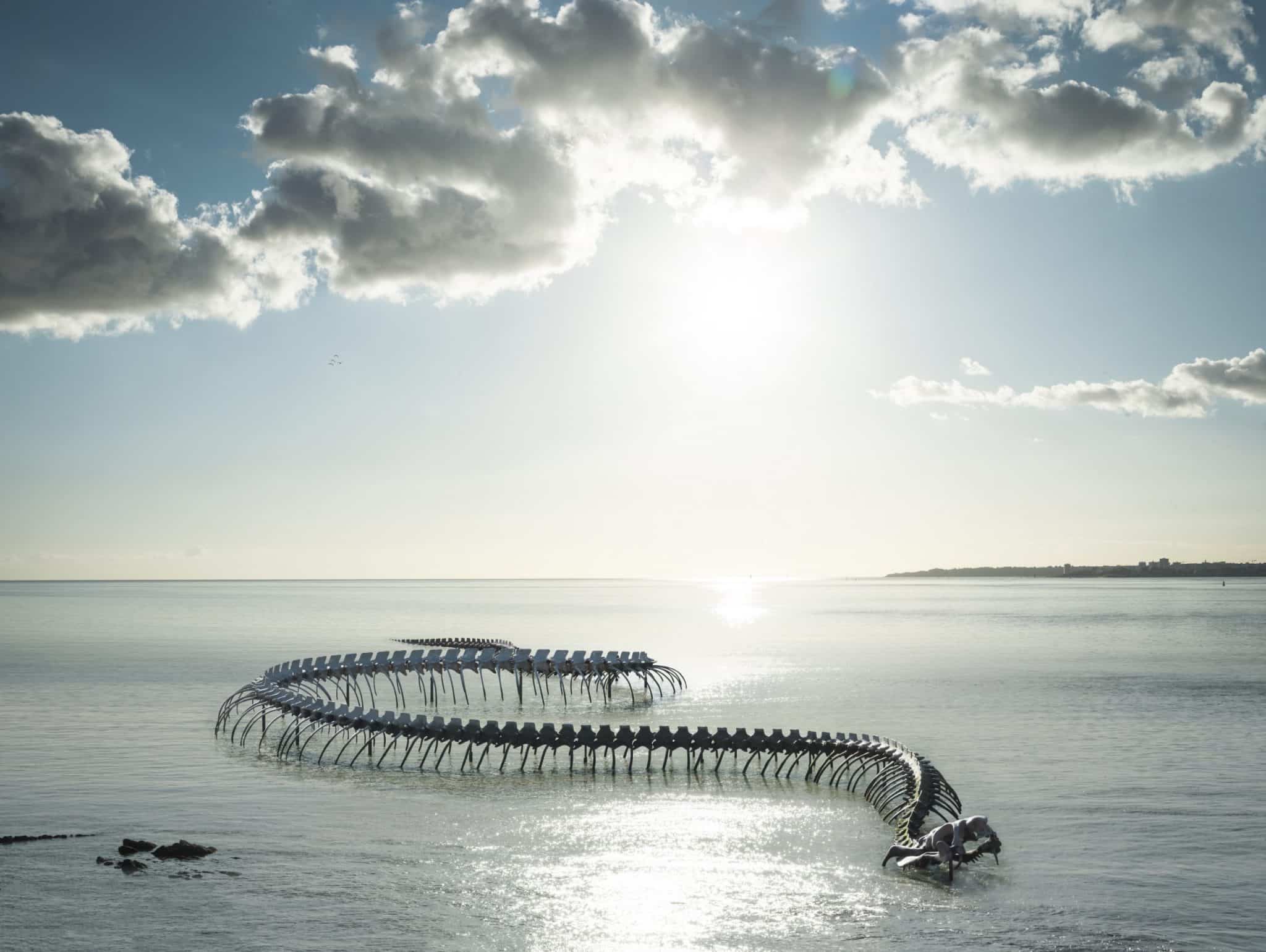
If you head out of Nantes by boat towards the Loire estuary, where the river meets the Atlantic at Saint-Nazaire, you’ll pass remarkable things along the banks – a half-submerged house, wild animals carved into tree trunks, and other permanent art installations left from the Estuaire biennials, scattered among fishing villages, farms and wetlands. At the mouth of the estuary itself, at Saint-Brevin-les-Pins, Huang Yong Ping’s Serpent d’Océan – a 130-metre aluminium sea serpent skeleton – rises from the sand at low tide. Boat cruises between Nantes and Saint-Nazaire take around 2.5-5 hours, depending on the route.
Escape to the Île de Versailles
For a quieter moment, the Île de Versailles is a small island on the Erdre River in the centre of Nantes, laid out as a Japanese-inspired garden with rock gardens, waterfalls and wooden walkways. The Maison de l’Erdre here has exhibits on the river’s ecology. It’s a lovely spot for a slow wander or a picnic, well away from the main tourist trail.
Where to stay in Nantes
Nantes is a compact city, and most of the main sights are within walking distance of each other, so wherever you base yourself in the centre, you won’t be far from anything. That said, the neighbourhood you choose does shape the feel of your trip. Here’s a breakdown of the best areas to stay.
Bouffay and Centre Ville – Best for first-time visitors
If this is your first time in Nantes, Bouffay is hard to beat. You’re right in the medieval heart of the city, steps from the château, the cathedral and plenty of restaurants. The narrow pedestrianised streets are full of crêperies, wine bars and independent shops, and the green line passes right through. It’s lively in the evenings without being rowdy, and you can walk to almost every attraction on this list.
Graslin – Best for culture and dining
Just west of Bouffay, Graslin is the more elegant side of central Nantes. This is where you’ll find the Passage Pommeraye, the neoclassical Théâtre Graslin, Place Royale and Rue Crébillon – the city’s main shopping street. It’s a lovely area to wander in the evening, with brasseries spilling onto the pavements around Place Graslin. La Cigale, the ornate Art Nouveau brasserie on the square, is worth a look even if you don’t eat there.
Near the station and Jardin des Plantes – Best for convenience
The area around Nantes station is more practical than pretty, but it puts you within a two-minute walk of the Jardin des Plantes and an easy stroll to the château. If you’re arriving by TGV from Paris or planning day trips by train, it’s a smart base. The streets south of the station towards the botanical gardens are quieter and greener than you might expect.
Île de Nantes – Best for Les Machines and a modern vibe
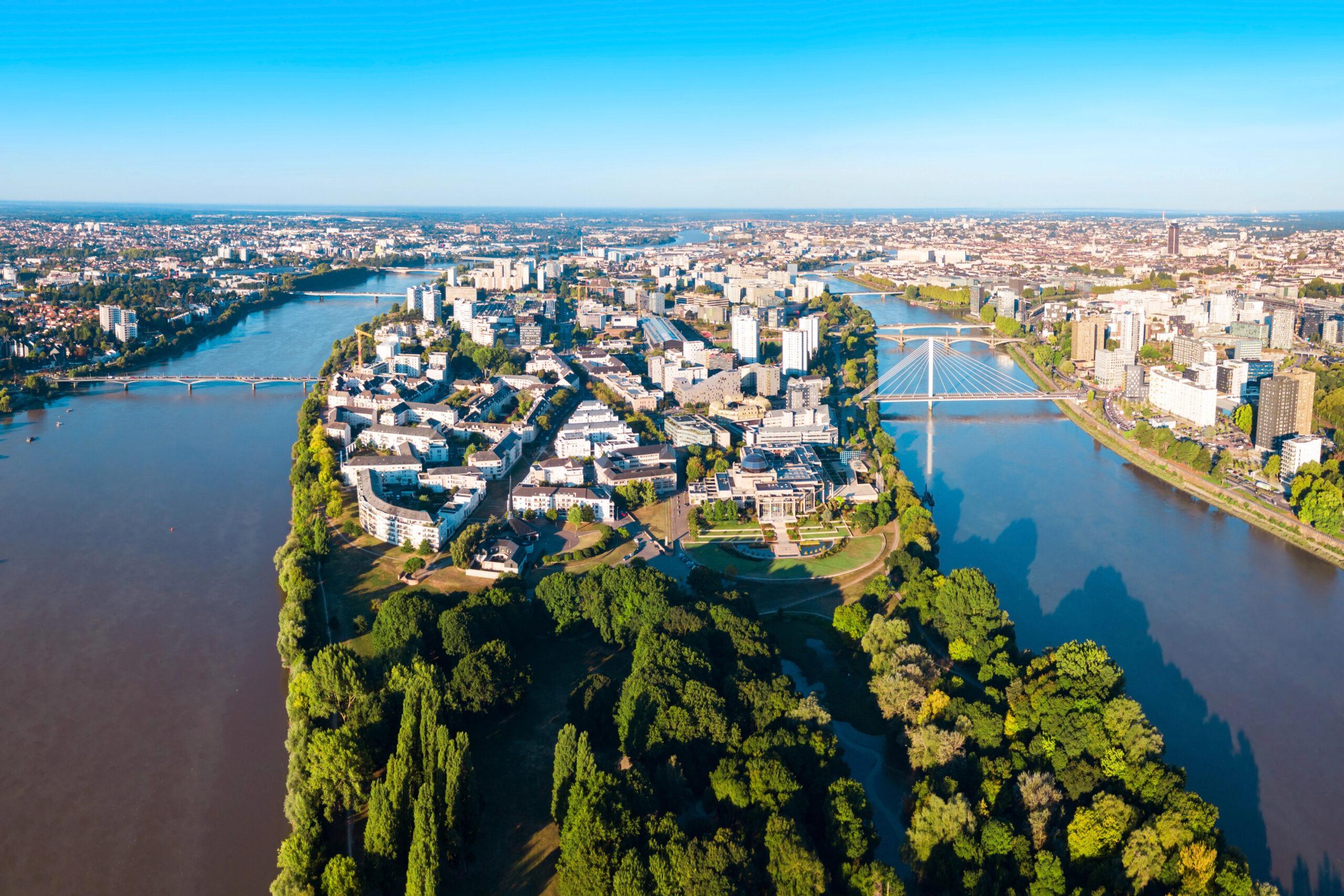
If you want to be close to Les Machines de l’île and prefer a more contemporary setting, the Île de Nantes is worth considering. This former industrial island has been transformed into a creative district with modern architecture, riverside bars and a relaxed atmosphere. It’s a short walk or tram ride across the river to the centre, and the Navibus connects the island to Trentemoult. A good option for families who want a bit more space and easy parking.
How to get to Nantes
By train: Direct TGV services from Paris Montparnasse take around 2 hours 15 minutes. There are also direct trains from Lyon, Lille, Rennes, Bordeaux and Strasbourg. The train station is right in the city centre, a short walk from the Jardin des Plantes and the château.
By air: Nantes Atlantique Airport is about 10km from the city centre, with a regular shuttle bus to the station and centre.
By car: Nantes is accessible via the A11 from Paris, the A83 from Bordeaux/Niort, and the N137 from Rennes. Park-and-ride facilities connect to the tram.
Getting around: The city centre is very walkable, and the tram and bus network (Naolib) covers everywhere you’d want to go. The Navibus river shuttle connects the centre to Trentemoult. Consider picking up a Pass Nantes (available for 24h, 48h, 72h or 7 days), which includes free access to museums, Les Machines (Galerie and Carrousel), public transport and guided tours.
Frequently asked questions about visiting Nantes
Is Nantes worth visiting?
Absolutely. It’s France’s sixth-largest city, but it feels smaller and more manageable than Paris or Lyon. The mix of art installations, excellent food, Loire-side walks, and a creative cultural scene makes it a brilliant city break – especially if you want somewhere less crowded.
How many days do you need in Nantes?
Two to three days is ideal. That gives you time to explore Les Machines, follow sections of the green line, visit the château and cathedral, and still have an afternoon to take the boat to Trentemoult or wander the Bouffay. If you have longer, a day trip to the Loire estuary or the vineyards around Clisson is well worth it.
What is the green line in Nantes?
It’s a painted trail on the ground that stretches over 20 kilometres through the city, connecting more than 70 art installations, monuments and cultural venues. It’s free to follow year-round, and the best way to discover Nantes on foot. In summer, new temporary artworks are added as part of Le Voyage à Nantes festival.
Is Nantes good for families?
Very much so. Les Machines de l’île is a hit with children of all ages, the Jardin des Plantes has a playground and petting zoo, and the château courtyard has activities in summer. The city is flat and easy to walk with a pushchair, and the green line works well as a self-guided treasure hunt for older kids.
What is the best time to visit Nantes?
Late spring (May-June) and early autumn (September) offer pleasant weather without the summer crowds. If you want to experience Le Voyage à Nantes at its fullest, visit between early July and early September when the temporary summer installations are up. Winters are mild but grey.
What food is Nantes known for?
Nantes sits in Muscadet wine country, so a chilled glass of the local white is essential. The city is also a brilliant spot for galettes (buckwheat crêpes) and fruits de mer. Les Halles de Talensac, the city’s covered market, is where locals shop for fresh produce and regional specialities – worth a morning visit.