Seville is one of the most beautiful cities in southern Spain – a place of rich history, flamenco rhythms and Andalucian warmth that gets under your skin quickly. Ask any well-travelled local where to stay, and they will say Santa Cruz without hesitation. They are right – but not entirely right. The best neighbourhood depends on who you are travelling with, what you want from the trip and how much you want to spend. Seville is compact enough that wherever you base yourself, the main attractions are within easy reach. What changes is the atmosphere on your doorstep.
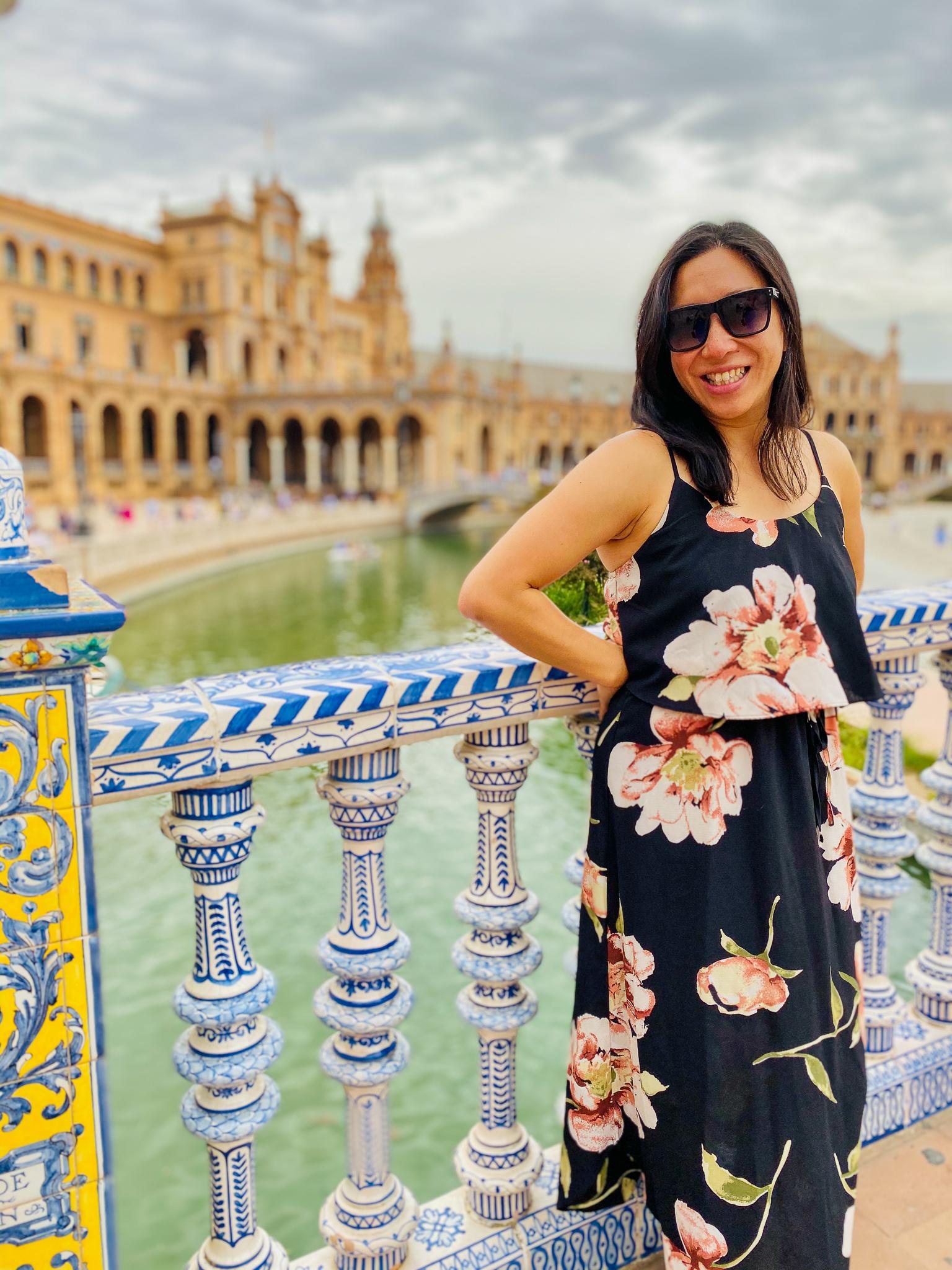
On my own visit – a long weekend in late October with a group of friends – we stayed in a stylish apartment in the Old Town, and it was the perfect base. We could walk everywhere, come back between sights, and spend evenings wandering back through narrow cobblestone streets with no thought of taxis. For a city this walkable, where you sleep genuinely shapes the whole experience.
Here is a neighbourhood-by-neighbourhood guide to help you choose – with honest notes on who each area suits best.
Planning what to see while you are there? My 3-day Seville itinerary covers the main sights, and my full guide to Seville covers everything else.
Hotels vs apartments in Seville: Which is right for you?
Seville is one of the best cities in Spain for self-catering. The Old Town has a strong supply of well-converted apartments, particularly in the Barrio Santa Cruz, El Arenal and El Centro, and the local markets – especially the Mercado de Triana – make grocery shopping genuinely enjoyable. For stays of three nights or more, or groups travelling together, an apartment often works out significantly cheaper than a hotel and gives you a proper home rather than a room.
Apartments in Triana and La Macarena tend to offer the best value, and both neighbourhoods have a strong residential character that suits self-catering well. Old Town apartments in Santa Cruz and El Arenal cost more but deliver an unbeatable central location.
Hotels make more sense for very short stays of one or two nights, if you want amenities like a rooftop pool, fitness centre or daily breakfast, or if you are travelling as a couple for a special occasion and want the romance of a beautiful boutique property. Several of Seville’s best hotels are genuinely extraordinary buildings – the kind you would not want to simply sleep in and leave.
Both work. The key is getting the neighbourhood right first.
At a glance: which area is right for you?
First-time visitors and couples: Barrio Santa Cruz – the most atmospheric, most central, closest to the main attractions.
Foodies and riverside lovers: El Arenal – slightly quieter, better value, excellent restaurants on the doorstep.
Maximum convenience: El Centro – Plaza Nueva, Las Setas, shops and transport all within minutes.
Local atmosphere and longer stays: Triana – across the Guadalquivir River, a completely different world, cheaper than the centre.
Budget travellers and nightlife: La Macarena or Alameda de Hércules – authentic, affordable, a 15-minute walk from the Cathedral.
Families and Feria de Abril visitors: Los Remedios – quiet, residential, ideal for the April Fair.
Barrio Santa Cruz – best for first-time visitors and couples
The Barrio Santa Cruz is Seville’s old Jewish quarter and, for most visitors, the heart of Seville itself. A maze of narrow streets shaded by orange trees, hidden courtyards and whitewashed walls, it is the most famous and most beautiful neighbourhood in Seville – and for good reason. The Santa Cruz neighbourhood sits directly beside the Cathedral, the Real Alcázar and the Archivo General de Indias, all UNESCO World Heritage sites and all within a short walk of virtually any hotel or apartment in the area.
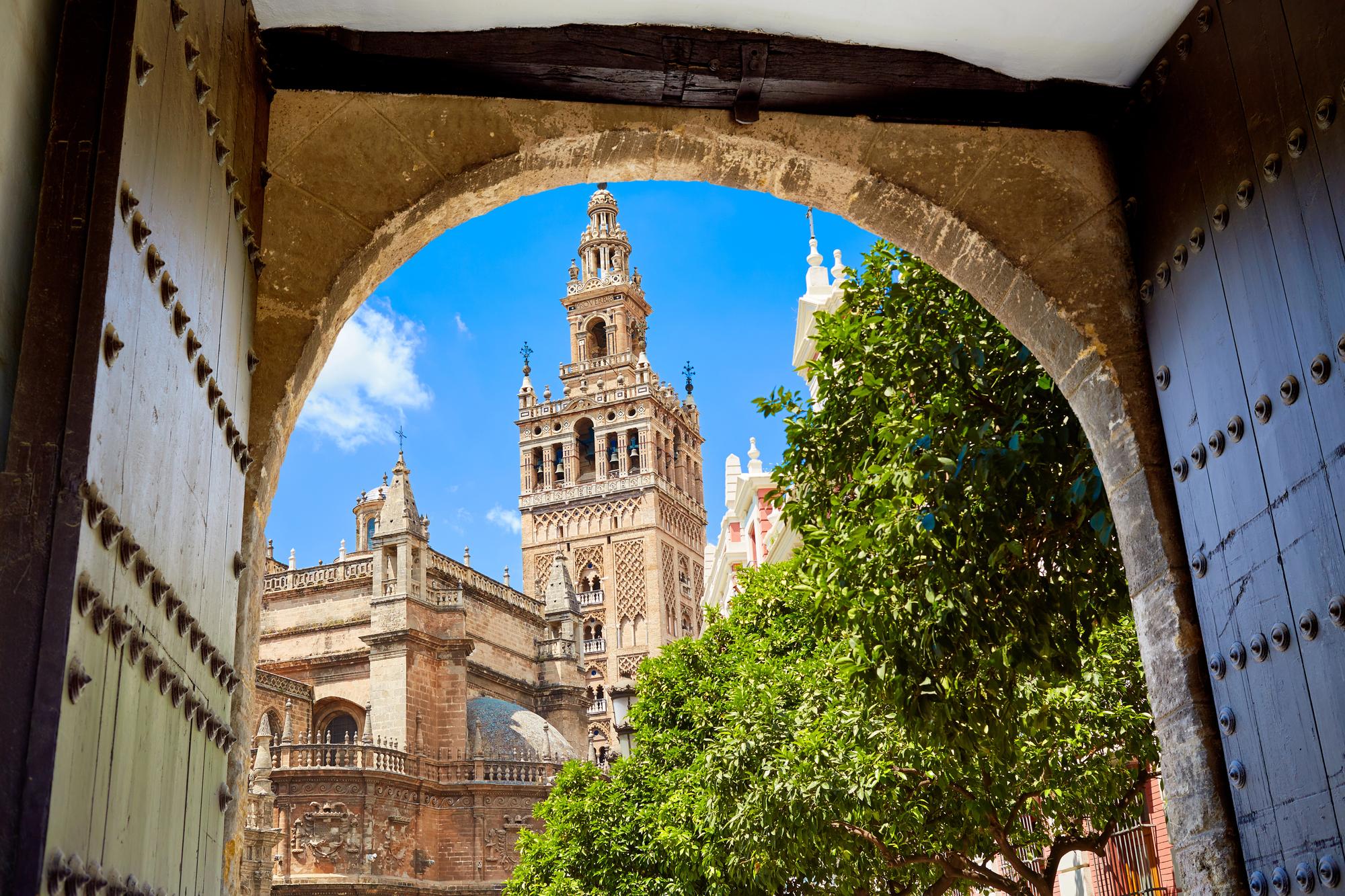
The Seville Cathedral – the largest Gothic cathedral in the world – is a constant presence here, visible from rooftops and narrow alleys alike. The Real Alcázar, with its lush gardens and Mudéjar tilework, is a few minutes on foot. The Plaza de España and María Luisa Park are a comfortable 15-minute walk. The Santa Cruz neighbourhood also has the highest concentration of good restaurants, rooftop terraces and boutique hotels in the city – everything you have come to Seville to see and do is within easy reach.
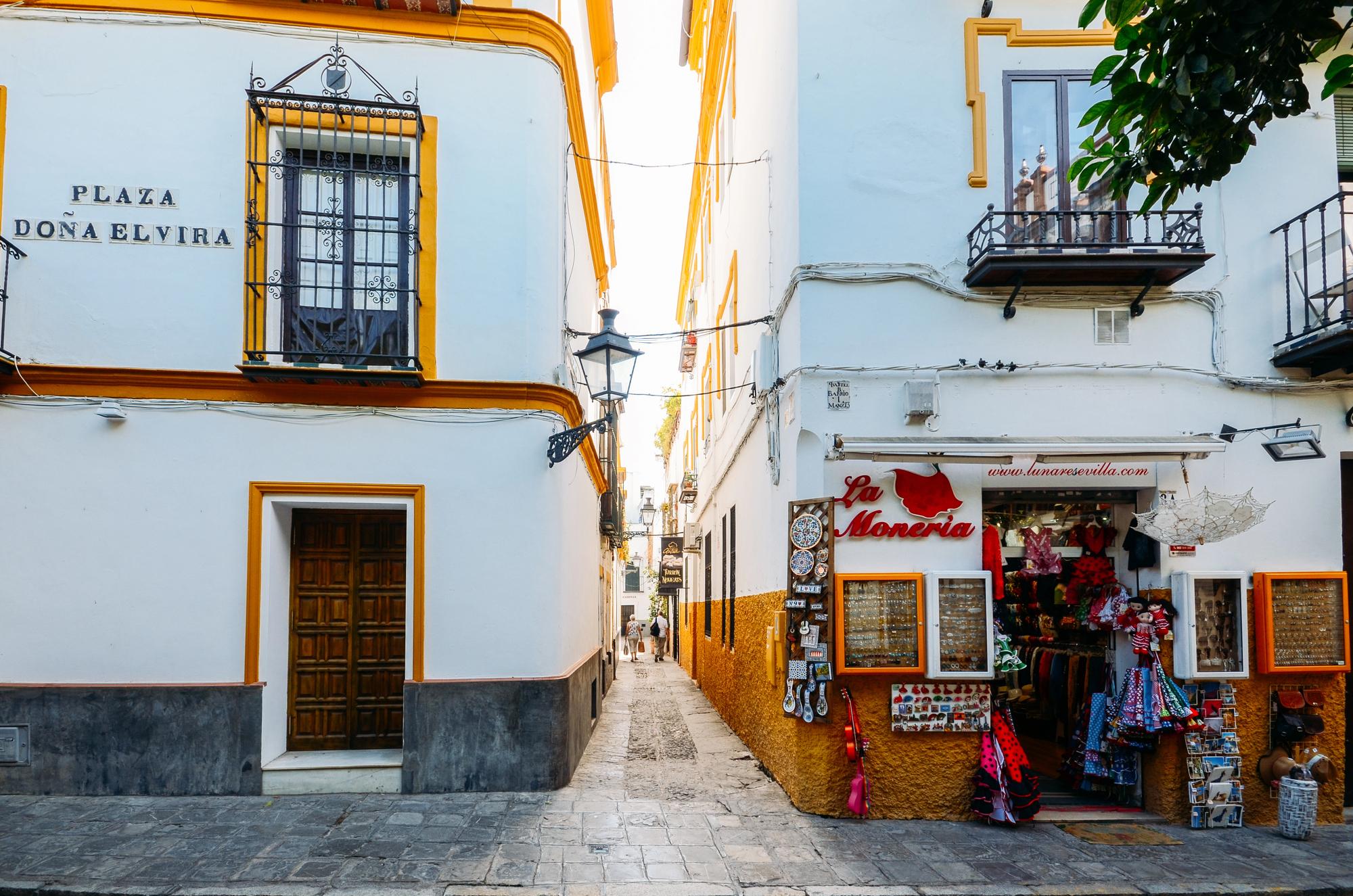
It is a prime location for a first visit. That said, the trade-offs are equally obvious: this is the most expensive part of the city, and the most tourist-heavy. Some streets close to the Cathedral can be noisy late into the evening. If you are sensitive to noise, look carefully at the exact location of any property – one street back from the main tourist routes makes a significant difference. Away from the narrow cobblestone streets immediately around the Cathedral, the Santa Cruz neighbourhood has quiet corners that feel genuinely residential.
Worth noting: Casa de Pilatos, one of Seville’s most beautiful Renaissance palaces and far less visited than the Alcázar, is right on the edge of Santa Cruz – an easy addition to a morning’s sightseeing that most visitors miss entirely.
Best for: first-time visitors, couples, romantic city breaks, special occasions.
Price range: mid-range to luxury.
Walking distance to Cathedral: 1-5 minutes.
Notable hotels in Santa Cruz include the landmark Hotel Alfonso XIII – the grandest address in Seville, commissioned by King Alfonso XIII for the 1929 Ibero-American Exhibition – and the boutique EME Catedral Mercer Hotel, which has a spectacular rooftop pool with views directly across to La Giralda. For something more intimate, Hotel Casa del Poeta is a charming hotel tucked into one of the neighbourhood’s prettiest streets, consistently well-reviewed for its atmosphere and central location.
El Arenal – best for foodies and the riverside
El Arenal is Seville’s old port district – the harbour that once connected Spain to the Americas – and it still carries a character that Santa Cruz’s more polished streets lack. The Torre del Oro stands on the bank of the Guadalquivir River here, the Real Maestranza bullring (one of the oldest in Spain) dominates the southern end of the neighbourhood, and the river itself is a five-minute walk from most properties.
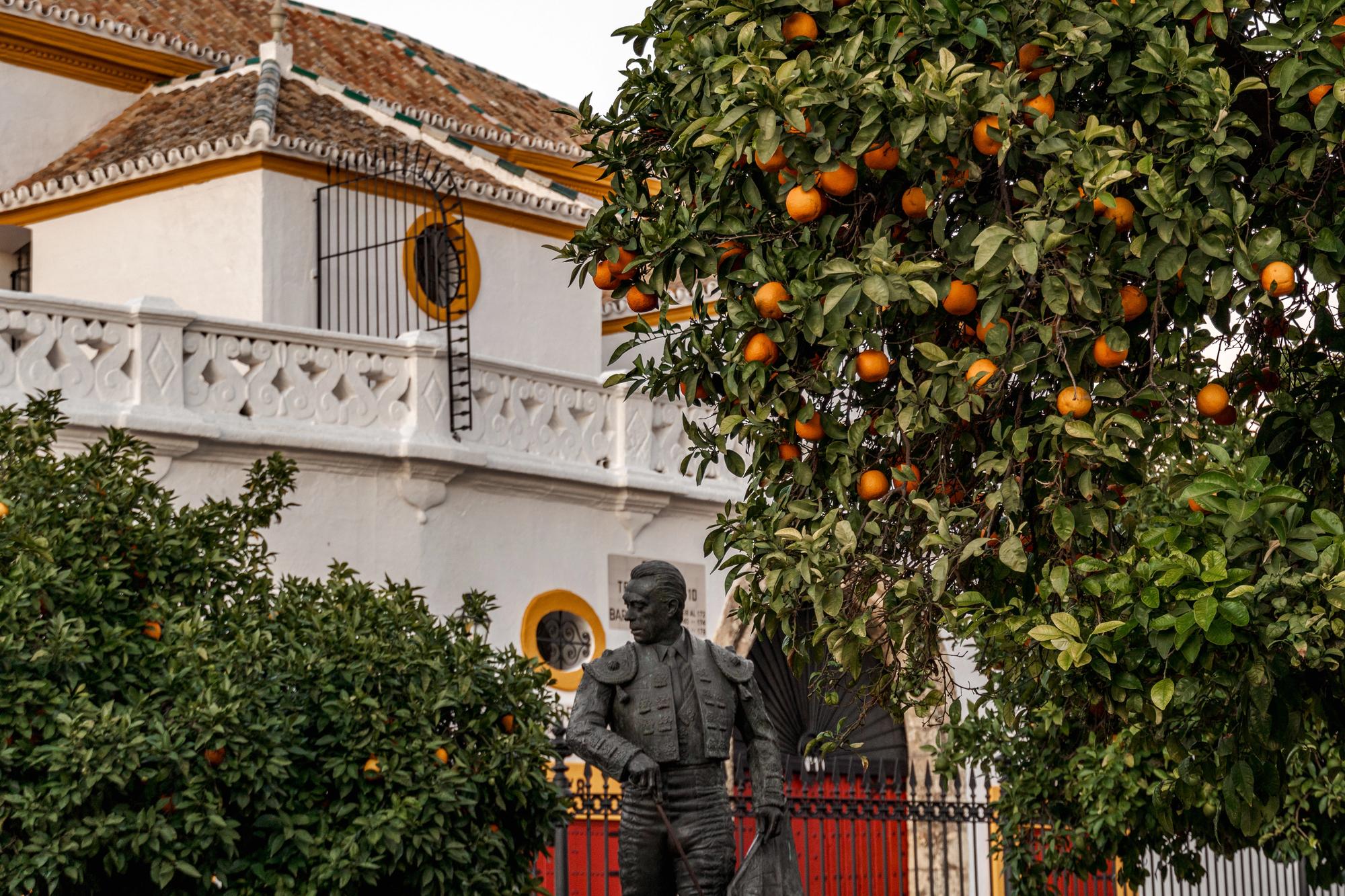
It is a prime location for anyone who wants central access without quite the tourist intensity of Santa Cruz. The Seville Cathedral is a 10-minute walk; the Alcázar is slightly more. Triana is just over the Puente de Isabel II bridge. And El Arenal contains some of Seville’s best tapas bars and restaurants – La Brunilda, Bodeguita Romero and Casa Morales are all here.
Hotel prices are generally a little lower than in Santa Cruz, making El Arenal one of the best places to stay in Seville for good value without sacrificing easy access to the major attractions. The neighbourhood gets livelier during the bullfight season (April to October), when the streets around the Maestranza fill up with a particular kind of Seville energy. A flamenco show at one of the nearby tablaos is easy to arrange from this part of the city.
Best for: foodies, couples, return visitors who want to explore beyond Santa Cruz.
Price range: mid-range to luxury.
Walking distance to Cathedral: 5-10 minutes.
The boutique Hotel Mercer Sevilla is one of the most celebrated small hotels in the city, with a rooftop pool, panoramic views of the city and only 12 rooms in a restored 19th-century mansion – an exceptional choice for a special occasion or if you want to splash out. For something better value, Las Casas de El Arenal is a consistently well-reviewed mid-range option with a rooftop pool and good central location.
El Centro – best for central convenience
El Centro is the broader city centre running from the Cathedral area northwards to the Metropol Parasol – Las Setas – and beyond. It includes Plaza Nueva, Seville’s main civic square, Calle Sierpes (the main shopping street) and the neighbourhood of Alfalfa, which has a young, lively feel with good independent restaurants, coffee shops and bars.
The Metropol Parasol itself – the extraordinary mushroom structure on Plaza de la Encarnación – is a good landmark for orienting yourself in El Centro. It is roughly equidistant between the Cathedral to the south and the Macarena neighbourhood to the north. Las Setas has a market, a Roman ruins museum beneath it and one of the better rooftop walkways in the city – all within a short walk of most hotels and apartments in the area.
Staying in El Centro puts you within easy reach of everything. It is less atmospheric than Santa Cruz and less characterful than El Arenal, but supremely convenient and often slightly better value. The Alfalfa sub-neighbourhood within El Centro is particularly appealing – fashionable, central, with a lively Plaza de la Alfalfa that works well for families too. El Centro is also the best base for day trips from Seville, with Santa Justa train station accessible by tram and the bus station close by.
Best for: those who want easy access to everything, business travellers, shoppers, and longer stays with a less touristy feel.
Price range: budget to luxury.
Walking distance to Cathedral: 5-15 minutes, depending on location.
The Querencia de Sevilla has quickly established itself as one of the best hotels in this area, with panoramic views of the city from one of the finest rooftop terraces in Seville. Hotel Inglaterra on Plaza Nueva is a more established option with a large, year-round rooftop bar and a great central location. For a boutique experience, Hotel Boutique Casa de Colón is a charming hotel with character to spare in the heart of the centro histórico.
Triana – best for local atmosphere
Cross the Guadalquivir River via the Puente de Isabel II, and you are in Triana – a neighbourhood that has always considered itself slightly separate from Seville proper, and with good reason. This is where flamenco artists, ceramic workers and sailors once lived, and it still carries an independent, proudly local character that no amount of gentrification has quite managed to polish away.
Triana has the Mercado de Triana, the Centro Cerámica Triana, the old Castle of San Jorge museum tucked beneath the market, and some of the most authentic neighbourhood tapas bars in the city. The riverside strip of Calle Betis – lined with bars and restaurants looking back at the Seville skyline – is one of the best places to spend an evening in the whole city. Prices are noticeably cheaper than in the historic centre, and the neighbourhood gives you access to some of the best local life Seville has to offer.
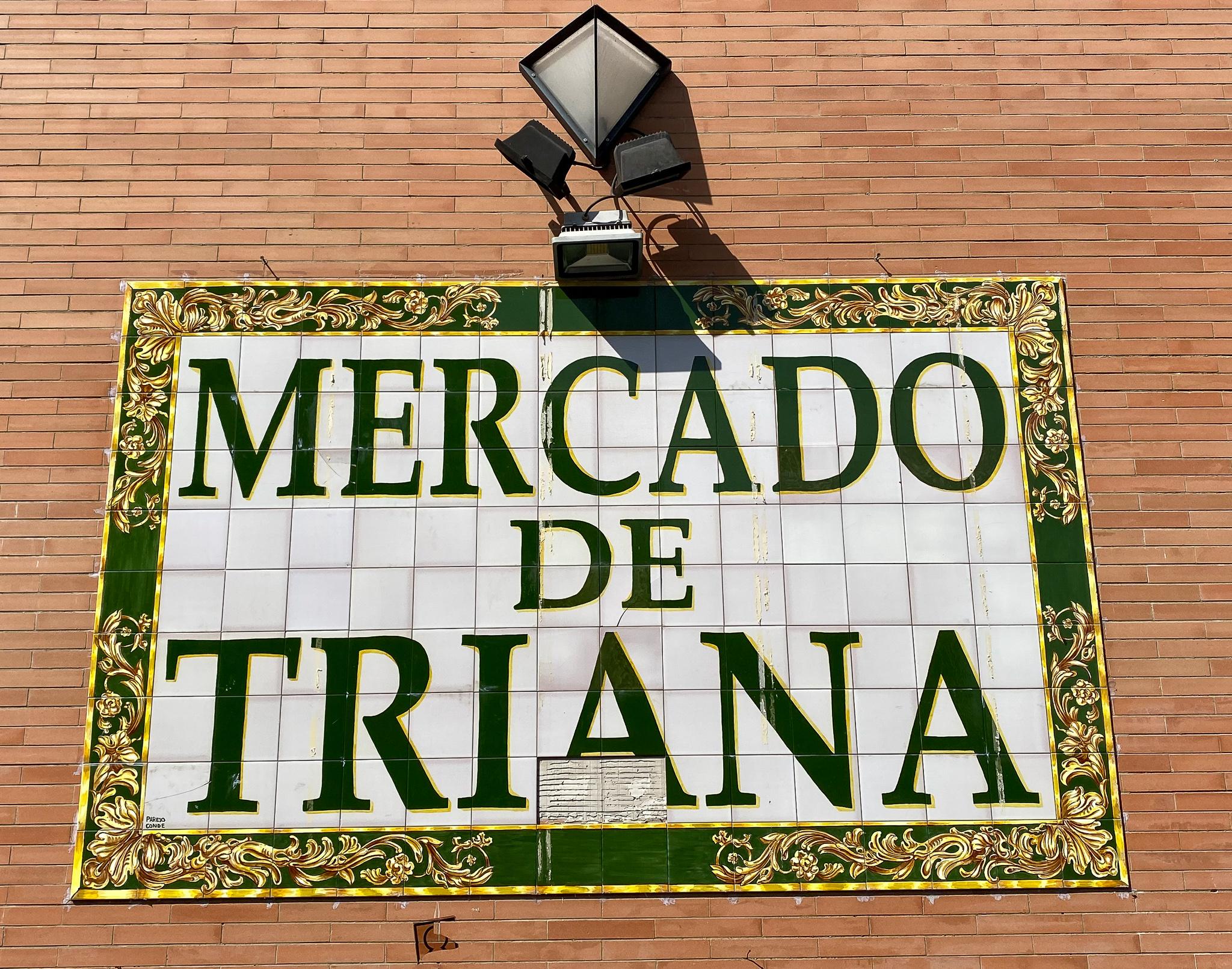
The practical consideration is distance: the bridge adds 10-15 minutes to any journey to the main attractions. For a short city break of two or three days focused on intensive sightseeing, that is worth factoring in. For longer stays, return visitors, or anyone who already knows the main sights and wants something different, Triana is the easy first choice. Apartments work particularly well here – the residential character of the neighbourhood suits self-catering, the market is excellent, and apartment prices are significantly lower than in the old town.
Best for: return visitors, longer stays, those wanting local life over tourist convenience, families.
Price range: budget to mid-range.
Walking distance to Cathedral: 15-20 minutes (short tram or taxi ride available).
Ribera de Triana Hotel is one of the best-reviewed hotels in the neighbourhood, with a good riverside location and reliable mid-range amenities, including a swimming pool.
La Macarena and Alameda de Hércules – best for budget and nightlife
La Macarena runs north of El Centro, named for the famous Basilica – home to Seville’s most venerated Virgin and one of the most important stops during Semana Santa, or Holy Week. It is a working-class neighbourhood of the historic centre with surviving sections of the original Moorish city walls, a strong local identity and a noticeably different energy from the polished streets of Santa Cruz.
The Alameda de Hércules within La Macarena is the area’s social hub – a broad, tree-lined boulevard flanked by bars, restaurants, independent shops and a lively nightlife scene. You will find craft beer at honest prices and a crowd that is predominantly local. El Rinconcillo, Seville’s oldest bar dating back to 1670, is in this part of the city. It is a great base for those who want to experience local life rather than tourist Seville.
The trade-off is that the Cathedral and the major attractions are a 15-20 minute walk away. On a short trip focused on intensive sightseeing that is manageable; on a longer stay or for anyone who prioritises atmosphere and good value, La Macarena is one of the most interesting places to base yourself in Seville. It is also the best area in the city for budget apartments.
Best for: budget-conscious travellers, younger visitors, longer stays, anyone wanting authentic neighbourhood life, and nightlife.
Price range: budget to mid-range.
Walking distance to Cathedral: 15-20 minutes.
Exe Sevilla Macarena is a reliable four-star hotel in the neighbourhood with a rooftop pool (open summer season, typically May to October) and easy access to the historic centre – good value at this price point for those visiting in warmer months.
Los Remedios – best for families and the Feria de Abril
South of Triana across the river, Los Remedios is a residential neighbourhood of wide boulevards, elegant buildings and quiet streets. For most of the year, it lacks the atmosphere of Triana or the central convenience of Santa Cruz – but for one very specific occasion, it becomes the best place to stay in Seville.
The fairground that hosts the Feria de Abril is here. If your visit coincides with the April Fair – one of the most extraordinary events in the whole of southern Spain, when the entire city seems to decant itself into flamenco dresses and sherry tents – being on foot from the main celebrations is genuinely transformative. Book accommodation in Los Remedios months in advance if this is your reason for visiting.
For other times of year, Los Remedios also suits families looking for a quieter, more spacious base. The Guadalquivir River is nearby, the parks are good, and the neighbourhood has a gentle residential pace that makes it a perfect place to return to after long days of sightseeing.
Best for: Feria de Abril visitors, families, and anyone wanting a quieter base.
Price range: budget to mid-range.
Walking distance to Cathedral: 20-25 minutes.
Practical tips for booking accommodation in Seville
Book well in advance for Holy Week and Feria de Abril. Both events – Semana Santa (Holy Week, the week before Easter) and the Feria de Abril (two weeks later) – push central accommodation to capacity months ahead. Hotel prices rise significantly, and the best apartments disappear fast. If your dates fall in this window, treat it as urgent.
Spring and autumn are the best times to visit. March, April, October and November combine ideal temperatures with good availability. In the warmer months of June, July and August, the city is extremely hot – prioritise accommodation with air conditioning, an outdoor pool or both. A rooftop pool in summer is not a luxury; it is a genuine practical consideration in a city where temperatures regularly exceed 40°C.
A rooftop terrace changes everything in warmer weather. Several of Seville’s best hotels and apartments have rooftop terraces or pools. If you are visiting between May and September, it is worth filtering specifically for this when searching.
Think about noise before you book. Properties on the main tourist streets of Santa Cruz and close to the Cathedral can be noisy until midnight. Check recent reviews specifically for noise levels and look for properties on side streets rather than the main drag.
You do not need a rental car. The historic centre is extremely walkable, and many streets are too narrow for cars in any case. Parking is scarce and expensive. If you are arriving by car, park it on day one and leave it there. The city has a tram, a metro and plentiful taxis for any journey too far to walk. A car only becomes useful for day trips to Córdoba, Ronda, Cádiz or Jerez.
Private rooms in apartments are a good middle ground. If you want the flexibility of self-catering but are travelling as a couple rather than a group, many Seville apartments offer private rooms with shared common areas – a good option at lower prices than a full apartment or hotel room.
Frequently asked questions
What is the best area to stay in Seville for first-time visitors?
Barrio Santa Cruz is the best area for first-time visitors. It is the most atmospheric, most central and closest to the main sights – the Seville Cathedral, the Real Alcázar and the Archivo General de Indias (all UNESCO World Heritage sites) are within a short walk. It is the most expensive neighbourhood, but for a short city break, the prime location and rich history make it worth it.
Is it worth staying in Triana?
Yes, particularly for stays of four or more nights or if you are a return visitor who already knows the main sights. Triana offers a genuinely local atmosphere at noticeably lower prices. The main trade-off is the extra 10-15 minutes’ walk across the bridge to the Cathedral and Alcázar.
Are apartments a good option in Seville?
Excellent – and often the better choice over hotels, especially for groups or stays of more than two nights. The Old Town has a strong supply of well-converted apartments in Santa Cruz and El Arenal, while Triana and La Macarena offer more space for less money. Self-catering works particularly well in Seville because the local markets – especially the Mercado de Triana – are genuinely good.
What is the best area for families?
Triana and Los Remedios are both strong choices for families – quieter than the city centre, better value and close to parks. Triana has the Mercado de Triana and the Guadalquivir River; Los Remedios is the right choice during the Feria de Abril. Both have a residential neighbourhood feel that suits families well.
Is Santa Cruz noisy at night?
Some streets – particularly those close to the Cathedral and the main tapas bars – can be noisy until midnight or later. Look for properties on side streets and check recent guest reviews for noise levels before booking.
What is the best time to book hotels in Seville?
For Holy Week and Feria de Abril, three to six months in advance. For October, November and winter, you generally have more flexibility – though the best boutique hotels and most popular Airbnbs fill up quickly at any time of year. Warmer months between May and September are popular for short city breaks; spring and autumn are peak season.
Is three days enough time in Seville?
Yes – three days is a good first visit. Our 3-day Seville itinerary covers exactly this, including the best order for tackling the main attractions and where to eat along the way.