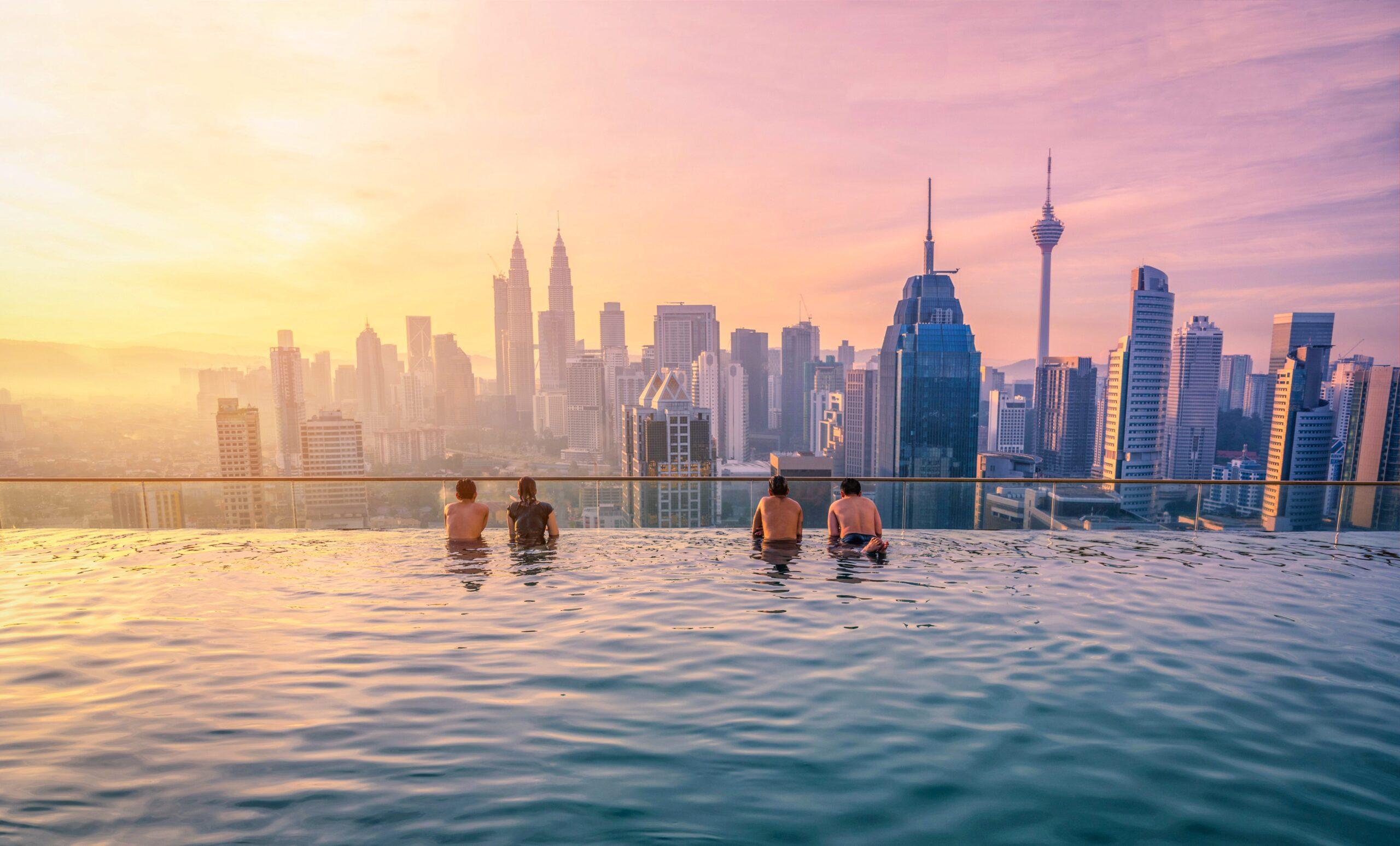
Two weeks in Malaysia gives you the perfect balance: vibrant cities, emerald-green highlands, and some of Southeast Asia’s most beautiful beaches. I’ve visited twice, and this itinerary captures what works best when you want to see Malaysia’s highlights without feeling rushed.
Malaysia makes it easy to move between completely different landscapes. You can sip tea overlooking misty plantations one day, then swim with sea turtles the next. The country blends Malay, Chinese and Indian cultures, creating incredible food, fascinating architecture, and welcoming diversity everywhere you go.
This guide is based on what we actually did on our two-week trip, including where we stayed, what we spent, and the practical details that helped us make the most of our time. I’ve updated all prices and information for 2026.
Quick summary: Start in Kuala Lumpur (3-4 days), escape to the Cameron Highlands (1-2 days), then spend a week split between two stunning island destinations on the east coast.
Planning your Malaysia trip:
Best time to visit: April-September for this itinerary (east coast dry season)
Currency: Malaysian Ringgit (RM). £1 = approximately RM5.50
Language: Malay (Bahasa Malaysia), but English is widely spoken in tourist areas
Flights from London: Direct to Kuala Lumpur with Malaysia Airlines or British Airways (around 13 hours)
Getting around: Domestic flights (£40-70), long-distance buses (£10-25), taxis and Grab rides in cities
Visa: British citizens get 90 days visa-free
Our 2 weeks in Malaysia itinerary
This is based on what we did on our own trip, which (as you’ll read below) was slightly skewed by our desire to simply flop on the beach for a good while! If you’re looking for something more high-tempo or want to pack more in, read to the end, where you’ll find suggestions for other places to visit in Malaysia.

Where to travel in Malaysia
Malaysia’s Peninsula has a thriving metropolis in Kuala Lumpur, but head towards the coast and the dotted islands and you are lucky enough to walk on some of the world’s most stunning beaches. Cutting across the South China Sea, you enter a different landscape altogether – lush tropical rainforests, national parks, and the home to the famous Borneo Orangutans.
There are so many great places to visit in Malaysia. Cultural hubs like Malacca and Penang, rainforest and rivers in national parks such as Taman Negara and Kota Kinabalu, the tea-blanketed hills of the Cameron Highlands, and idyllic islands including Pangkor, Tioman and Langkawi. You can’t squeeze everything into a fortnight, but you can definitely cover off a fair amount without running yourself ragged.
Hubby and I have visited Malaysia twice, the first time separately, during our Malaysia backpacking adventures, and the second time as a couple. The first time I went, it was more of a travel-through to get overground to Singapore, which was fairly simple to do, before I flew to Indonesia. Travelling from the bottom of Thailand, we stopped in Penang and continued south towards Kuala Lumpur.
I didn’t appreciate my time there; it was a blur, which is why I was determined to go back and enjoy some of what the country had to offer. Hubby didn’t take much persuasion, but on a limited time frame, it was difficult to decide where to go (and where not to).
Deciding your Malaysia itinerary
Holiday ideas in Malaysia can be overwhelming – there is so much choice. We are beach lovers, and I enjoy scuba diving and snorkelling, so I was keen to do both. But Malaysia has so many wonderful beach resorts, such as Langkawi – narrowing down the options was our first task.
With 2 weeks in Malaysia, your best bet is to choose either the east or west coast for the beach portion of your trip. Attempting both will leave you spending more time travelling than actually enjoying yourself – Malaysia is a large country, after all.
After much deliberation, we chose three destinations. First, we would revisit Malaysia’s capital city, Kuala Lumpur. Then, we’d make our way to the east coast to go to the Perhentian Islands, followed by Tioman Island. The perfect balance of city sightseeing and downtime on those glorious beaches.

A two-week itinerary for Malaysia
Days 1-4: Kuala Lumpur (with Malacca)
You’ll likely be flying into Kuala Lumpur, so it makes sense to begin your Malaysia itinerary here. We found it to be a great city for exploring, not too overwhelming, but with loads to see and do if you want to.
There is no denying that Southeast Asia does luxury on a grand scale – and for a relatively modest price. Unlike Western counterparts, you can pick yourself up a real bargain if you’re prepared to look around.
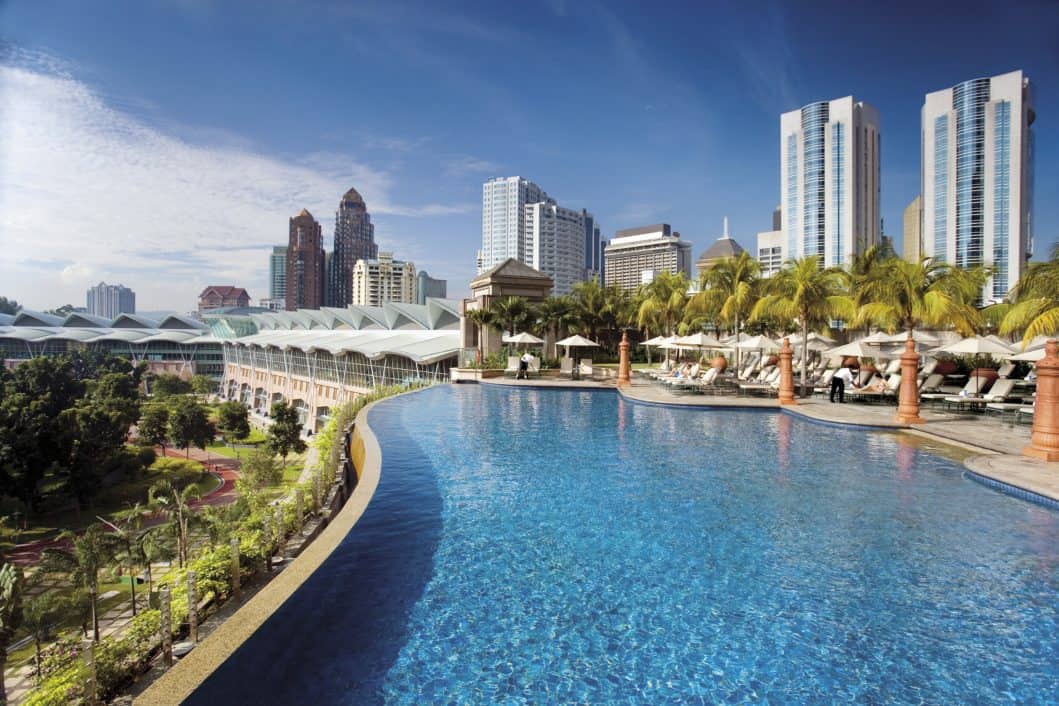
We stayed at The Mandarin Oriental, located next to the Petronas Towers and the City Centre Park. It is centrally located and has all the facilities and mod-cons you would expect from the luxury chain of hotels. I will never forget walking into the grand foyer, with all its sparkles and shiny marble floors, in our flip flops, with the porter carrying our beaten-up old rucksacks. We looked really out of place, but soon settled into our upgraded suite and hurried down to the plush infinity pool, which overlooks the park.
Things to do in Kuala Lumpur
Stroll around Merdeka Square
Also known as Independence Square, this is the spot where the Malaysian flag was raised in August 1957, marking the country’s independence from the British. The National History Museum is located here and is worth a look (entry costs less than a pound); otherwise, take a stroll around and admire the square’s colonial architecture and heritage buildings.
Try street food in Chinatown
Hop on the LRT train and head to Chinatown (Petaling Street) for some of the best street food in Kuala Lumpur. Crispy roast duck, muah chee (peanut-covered rice balls) and every noodle dish you could imagine – make your way from stall to stall, trying everything and anything!

Explore the Golden Triangle
This is the city’s main hub – the modern part of downtown Kuala Lumpur. It’s bordered to the north by Jalan Ampang, and to the west by Chinatown and Sungai Klang. It was just fun soaking in the sights and sounds of street life and the markets here – a great place to spend an afternoon.
Soak up the views
The Petronas Towers are an icon, and for around £17, you can whizz up to the top (well, almost) for incredible city views. At the base of the towers, there’s lots going on, too, including fountains/paddling pool (great for kids) and a shopping mall. For city views that include the Petronas Towers, you can ascend KL Tower, which is slightly cheaper. It also has the fantastic Bukit Nanas forest reserve at its base, which is like a mini rainforest in the heart of the city – it’s lovely for a walk in the shade of centuries-old trees.
Take a day trip to Malacca
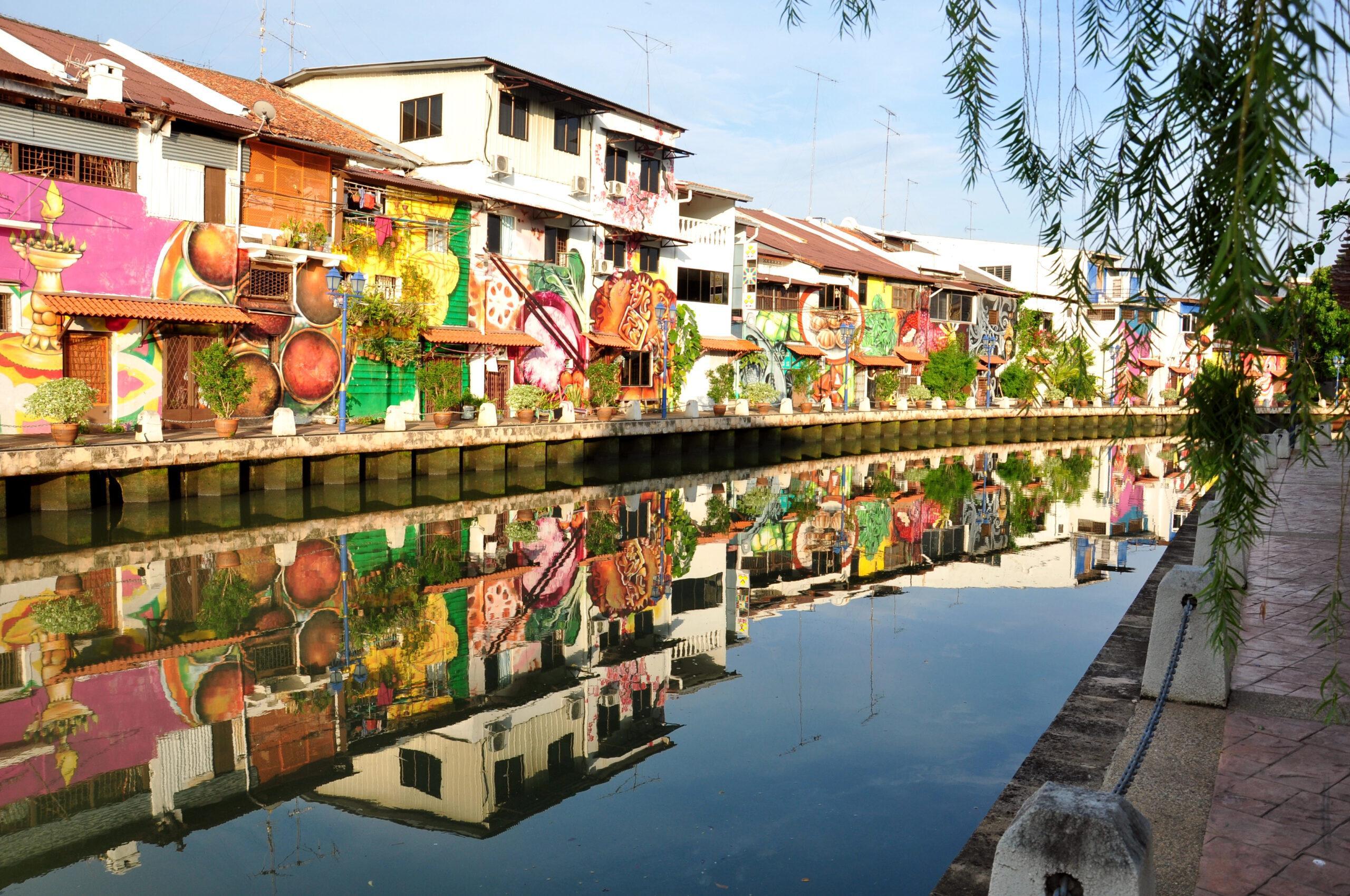
With a good few days in Kuala Lumpur, you’ve got the opportunity to take a day trip or two outside the city. My suggestion would be to head south to Malacca, a UNESCO World Heritage city and one of the best places to experience Malay culture. There are lots of day trips you can book online (Get Your Guide is my preferred choice for excursions), which include transport from KL, visits to key sights and a traditional lunch. Another great option for a day trip is the Batu Caves, a Hindu cave set in a huge cave – it’s easily reached by public transport.
Days 5-6 Cameron Highlands
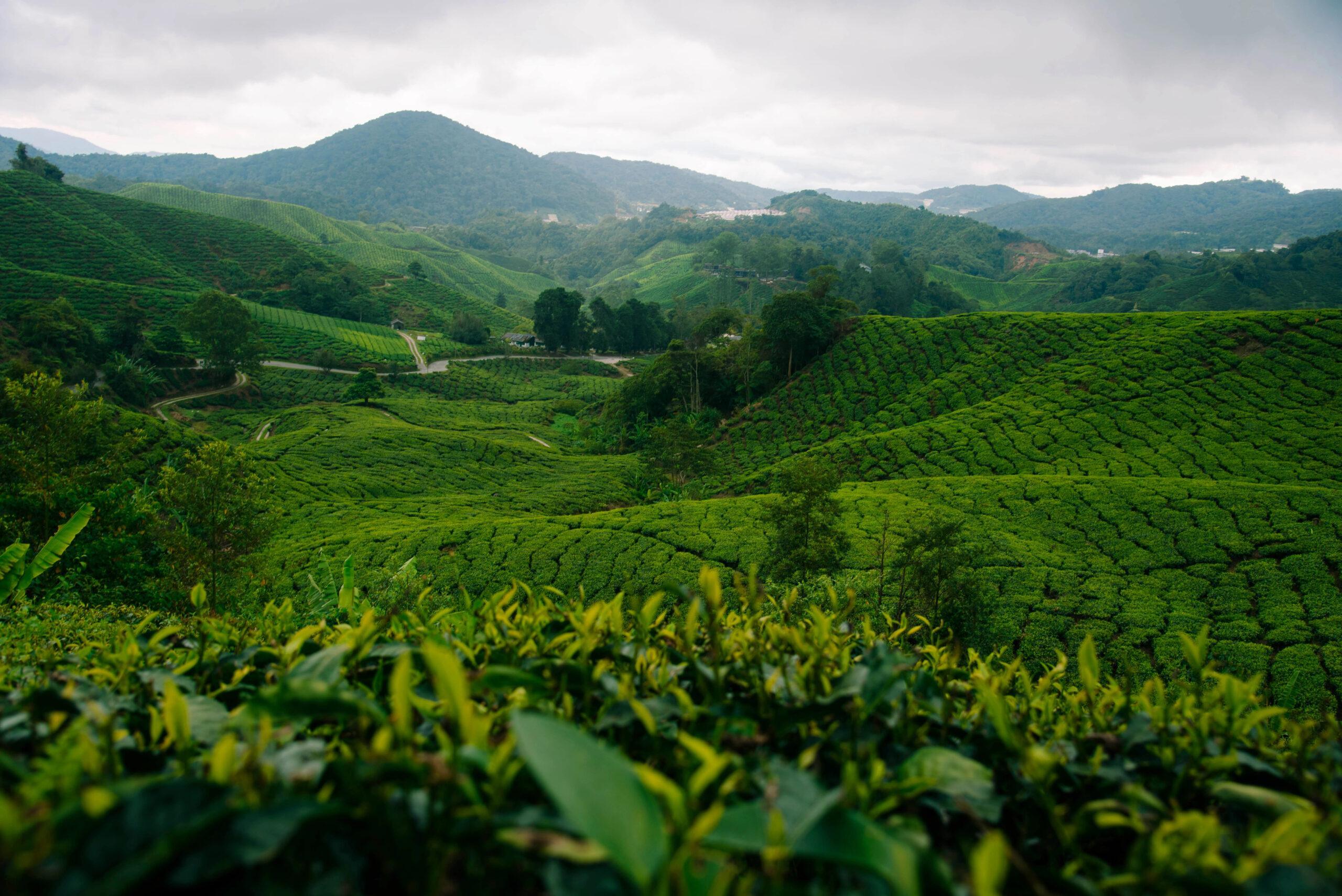
Just a few hours’ drive from Kuala Lumpur, the Cameron Highlands offer a lovely escape from the city heat. You can visit in a day from KL, but it’s much nicer to spend a night here, before returning to the city for the next chapter in our itinerary.
Things to do in the Cameron Highlands
Visit the tea plantations
The Boh Tea Plantation is a must-do in the Cameron Highlands. Stop by one of two tea gardens to sip a freshly brewed cuppa while you take in the views across lush emerald-green hills planted with thousands and thousands of tea bushes. Both locations offer tea factory tours, too.
Go for a hike
There are so many brilliant walking trails threading through the hills around the Cameron Highlands. Ask your hotel or guesthouse for a map or recommendations for walks starting nearby.
Shop at the night market
A night market takes place every weekend in Tanah Rata, where you can pick up all sorts of souvenirs from your trip. There’s local produce, from tea blends to strawberries, plus jewellery, clothes and plenty of sizzling street food.
How to get to the Cameron Highlands
The drive from Kuala Lumpur takes around three hours – you can book a taxi or private transfer or hire a car. There are frequent, inexpensive buses too, which take a little longer, around five hours. A taxi costs around RM500 (£87).
Days 7-10: The Perhentian Islands
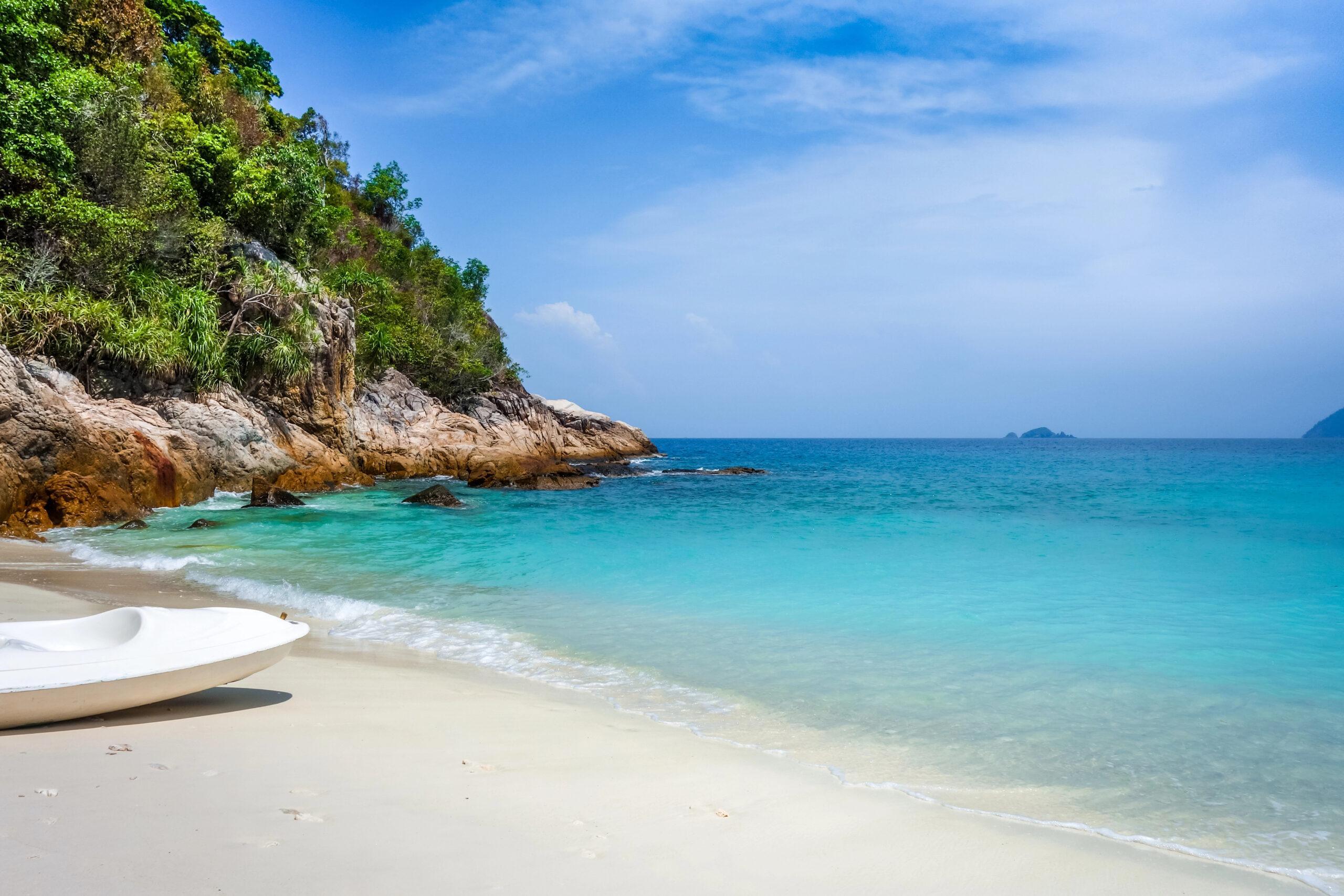
No Malaysia itinerary would be complete without some beach time. And the spot we chose on our two-week trip was the Perhentian Islands. These beautiful pair of islands, Pulau Perhentian Besar and Pulau Perhentian Kecil, just off the east coast, is a snorkelling and diving haven, with white sandy beaches framed with palm trees. It’s suitable for all budgets.

We stayed on the big island (Besar) at the Tunabay Island Resort, which is on a quiet part of the island. It’s a small, family-run hotel with air-conditioned chalets overlooking the South China Sea. We hopped off our verandah and onto the beach. They also offer jungle and garden chalets as well as family-sized accommodation. Amenities were clean and basic, and there was one bar and one restaurant which served breakfast, fresh seafood and had an extensive choice. There were also many activities on offer, from scuba diving to turtle spotting and snorkelling.
Things to do in the Perhentian Islands
Swimming with turtles
Is there anything more magical than swimming through glass-clear waters to look over and spot a sea turtle cruising alongside you? There are lots of excursions that’ll take you to some of the best spots for swimming with turtles – there are some wonderful conservation projects to protect the turtle population in the Perhentian Islands, so you can also learn more about these efforts on your trip. This was perhaps one of my favourite memories here.
Scuba diving and snorkelling
Tuna Bay has a brilliant dive centre, with dive trips taking you to the nearby islands of Lang Tengah and Redang, as well as to some of the best dive sites around Perhentian Besar. The waters around the island are a protected marine park, so the wrecks and reefs here are teeming with incredible sea life. If you’re not a diver, there are some fantastic snorkelling sites where you can spot sharks, barracuda, pufferfish and a whole lot more.
Island-hopping and exploring Kecil
Book a boat trip to hop between a couple more of these paradisical islands – it’s a fab way to spend a day. Jump off and explore Pulau Perhentian Kecil (the ‘small’ one). It’s got a very chilled-out, backpacker vibe, and there’s a lovely viewpoint that you can walk up to for views across the island and turquoise waters.
Trekking and exploring Besar
If you’re up for something active, there are some trekking trails that lead through Besar’s jungly interior. Wear decent shoes (preferably ones you don’t mind getting wet, as you might need to wade through a stream or two), slather on the insect repellent, and keep watch for monkeys and lizards.
Dine on fresh seafood
Being surrounded by the sea, the fish dishes here were incredible – I’d highly recommend trying a few while you’re here. The red mullet steamed in banana leaves was delicious, one of the best seafood dishes I’ve ever had.
How to get to the Perhentian Islands
From Kuala Lumpur, it’s a few hours’ flight to Kota Bharu, then just over an hour’s drive by car to the small fishing village of Kuala Besut. This is where you’ll hop onto a speedboat (you can either book a public ferry or book a boat transfer through your accommodation) for the half-hour journey over to the islands. You can pre-book your tickets or buy them on the day at the jetty.

Days 11-14 Tioman Island
After spending a glorious few days in the Perhentians, we felt we needed more white sandy beaches and more lazing around in the sun. So we made our way to Tioman Island – and we recommend this as the last part of your two-week Malaysia itinerary.
Famous for being the setting for the 1958 musical South Pacific, Tioman Island was only beginning to attract tourists when we visited, with a small cluster of boutique hotels on offer, including ours. Peaceful and tropical, there were points throughout our stay where we felt like the only people there.
We upgraded this time and opted for the plush resort Japa Mala. We chose to stay in a treetop chalet and really did feel at one with nature, particularly at night when our room was invaded by all manner of insects… but hey, that’s a minor complaint seeing as we were situated in the jungle canopy – we had a fantastic view!

Things to do on Tioman Island
Diving & snorkelling
As with the Perhentian Islands, the waters surrounding Tioman Island are amazing for snorkelling and diving. There are a number of dive schools in different villages across the island. Lots of reefs and boulders make for a really interesting dive; if you’re snorkelling, book a trip to the islands of Tulai, Renggis or Tomok, or swim off the shore at Monkey Bay. Look out for blacktip sharks, giant clams, hawksbill turtles, butterfly fish and much more. Japa Mala has its own house reef and offers free guided snorkelling to guests.
Jungle hiking
There are numerous hiking routes through Tioman Island’s jungly interior. You can hike right across the island from west to east (about seven kilometres), but there are much shorter options if you just want something that’ll take an hour or two. A few lead to waterfalls – Asah is the most famous, and very photogenic, with its backdrop of boulders and tropical forest.
How to get to Tioman Island
From the Perhentian Islands, we retraced our steps to KL and from there took a quick, one-hour flight to Tioman Island. Depending on your flight timings, you might want to stay overnight in KL. There are options for doing the journey by road, but they involve long (10 hours or so) bus journeys.

Where to stay in Malaysia
One of the great things about Malaysia is the accommodation for every budget. I’ve stayed everywhere from backpacker hostels to luxury resorts, and I’m sharing specific recommendations for each destination in this itinerary.
Where to stay in Kuala Lumpur
KL has brilliant accommodation options across all price ranges. The best areas to base yourself are Bukit Bintang (shopping and restaurants), KLCC (near Petronas Towers), or Chinatown (budget-friendly and central).
Luxury (£100-200+ per night):
The Mandarin Oriental (where we stayed) – Next to Petronas Towers, stunning infinity pool overlooking the park, and exceptional service. We felt completely out of place arriving in our backpacker gear, but the staff were wonderful. Around £150-200 per night.
Other excellent luxury options include The RuMa Hotel, Four Seasons Kuala Lumpur, and The Ritz-Carlton (all £120-180 per night).
Mid-range (£40-80 per night):
Aloft Kuala Lumpur Sentral – Modern hotel with rooftop pool, brilliant transport connections. Around £50-70 per night.
Traders Hotel Kuala Lumpur – Fantastic views of Petronas Towers, comfortable rooms, good value at £60-85 per night.
Budget (£15-40 per night):
Komune Living Bangsar or CitizenM Kuala Lumpur – Clean, modern budget hotels in central locations, £30-45 per night.
Hostels in Chinatown or Bukit Bintang offer dorm beds from £8-15 per night, private rooms from £25-35.
Where to stay in Cameron Highlands
The two main towns are Tanah Rata (more budget-friendly, backpacker vibe) and Brinchang (slightly more upmarket, closer to tea plantations). Most people prefer Tanah Rata for its central location and restaurant choices.
Luxury (£80-150 per night):
Cameron Highlands Resort – Colonial-style luxury with spa, stunning gardens, and traditional afternoon tea. Around £120-150 per night.
The Lakehouse – English country house hotel with beautiful grounds, £100-130 per night.
Mid-range (£35-60 per night):
Heritage Hotel Cameron Highlands – Tudor-style boutique hotel on a hill, great views, £45-65 per night.
Copthorne Hotel Cameron Highlands – Three restaurants, indoor pool, near Kea Farm. £50-70 per night.
Budget (£15-35 per night):
Father’s Guesthouse – Clean, friendly, central Tanah Rata location, £15-25 per night.
Numerous guesthouses and small hotels in Tanah Rata cost from £20-30 per night for private rooms.
Where to stay in the Perhentian Islands
The islands have two main areas: Pulau Perhentian Besar (the bigger island, slightly quieter) and Pulau Perhentian Kecil (the smaller island, more backpacker atmosphere). We stayed on Besar and loved the peaceful vibe.
Luxury (£120-200+ per night):
BuBu Villa or BuBu Long Beach – Beautiful villas with privacy, complimentary evening cocktails, and excellent breakfast. Around £150-200 per night.
Perhentian Marriott Resort & Spa – Full resort facilities, multiple pools, £140-180 per night.
Mid-range (£50-100 per night):
Tuna Bay Island Resort (where we stayed) – Quiet part of Besar, air-con chalets right on the beach, excellent dive centre, £70-100 per night.
Coral View Island Resort – Good mid-range option on Besar, £60-85 per night.
Budget (£25-60 per night):
Accommodation on the Perhentians is generally more expensive than on mainland Malaysia. Budget chalets with fans (no aircon) start around £25-40 per night. Air-conditioned budget options are £40-60 per night.
Cozy Resort or Matahari Chalet on Long Beach (Kecil) offer decent budget options.
Where to stay on Tioman Island
Tioman has several villages dotted around the island. The main ones are Tekek (most developed), Juara (quieter, east coast), Air Batang (ABC) (backpacker hub), and Lanting (secluded).
Luxury (£150-300+ per night):
Japamala Resort (where we stayed) – Boutique eco-resort in the jungle canopy, spectacular treetop chalets, private beach, house reef for snorkelling. Adults only (age 12+). Around £200-300 per night
Batu Batu – Private island resort, pristine beaches, luxury villas. £250-350+ per night.
Mid-range (£60-120 per night):
Tunamaya Beach & Spa Resort – Beachfront, multiple restaurants, good diving centre, £80-110 per night.
Paya Beach Spa & Dive Resort – Protected marine park location, dive school, £70-100 per night.
Budget (£20-60 per night):
Bamboo Hill Chalets – Popular budget option with excellent reputation, £40-60 per night.
Simple chalets in Air Batang (ABC) or Juara from £25-45 per night.
More options for places to visit in Malaysia
- If you don’t want to spend as much time on the beach as we did, you could skip Tioman Island and choose to visit Penang Island instead. There’s a lot of history and culture here, plus a petite national park to explore.
- Right up in Malaysia’s north-west corner is the little island of Langkawi. Famous for its beautiful beaches, Langkawi is also a duty-free shopping haven – so leave space in your suitcase if you plan on taking advantage!
- A few hours’ drive from KL is Taman Negara National Park. This ancient rainforest is superb for hiking and wildlife-spotting.
- If you’ve got an extra week to play with, why not take a short flight across to Malaysian Borneo? Explore its incredible national park landscapes; take a boat trip along the Kinabatangan River; spot orang-utans, pygmy elephants and proboscis monkeys; and finish up on those beautiful white-sand beaches.
How much does 2 weeks in Malaysia cost?
Malaysia offers brilliant value compared to Europe, though it’s slightly more expensive than Thailand or Vietnam. Here’s what you can expect to budget for a two-week trip.
Daily budget breakdown
Budget traveller (£25-40 per day):
- Accommodation: Hostel dorms or basic fan rooms (£8-15 per night)
- Food: Street food and hawker centres (£8-12 per day for three meals)
- Transport: Buses and local transport (£3-5 per day average)
- Activities: Free beaches, self-guided walks, occasional paid attraction (£3-8 per day)
Mid-range traveller (£60-80 per day):
- Accommodation: Comfortable hotels or air-con chalets (£35-70 per night)
- Food: Mix of local restaurants and occasional nicer meals (£15-25 per day)
- Transport: Domestic flights, comfortable buses, Grab rides (£8-15 per day average)
- Activities: Dive trips, guided tours, entrance fees (£10-20 per day)
Luxury traveller (£150-250+ per day):
- Accommodation: Four and five-star hotels and resorts (£100-250+ per night)
- Food: Hotel restaurants, fine dining (£40-70 per day)
- Transport: Flights, private transfers (£20-40 per day average)
- Activities: Private tours, spa treatments, premium experiences (£40-80 per day)
Two-week trip total costs
Based on these daily budgets, here’s what a fortnight in Malaysia typically costs:
Budget: £350-560 per person (14 days) Mid-range: £840-1,120 per person (14 days) Luxury: £2,100-3,500+ per person (14 days)
These totals don’t include international flights to Malaysia.
Money-saving tips
- Eat street food – it’s delicious, safe, and incredibly cheap. Hawker centres and night markets are where locals eat.
- Travel by bus between cities. Malaysia’s buses are comfortable, air-conditioned, and cost a fraction of domestic flights.
- Book accommodation in advance for island destinations, especially during peak season (June-August).
- Skip alcohol. Malaysia has high taxes on booze except in duty-free zones like Langkawi and Tioman.
FAQs for Malaysia
When is the best time to visit Malaysia?
Best months for this itinerary: April to September
Malaysia’s weather varies by coast. For this East Coast itinerary, avoid November to February when the monsoon brings heavy rain and many island resorts close completely.
April-May are ideal – less rain, fewer crowds, and the countryside is lush after the rainy season.
June-August is peak season with the best weather, but higher prices and busier beaches.
September offers good weather with fewer tourists.
The west coast (Penang, Langkawi) has different weather patterns – wettest September-October.
Kuala Lumpur and Cameron Highlands can be visited year-round, though expect afternoon showers at any time.
Is two weeks in Malaysia enough time?
Two weeks is a brilliant amount of time to see Malaysia’s highlights without rushing. This itinerary gives you city culture in KL, cool highlands, and proper beach time on two different islands.
If you only have one week, I’d suggest combining Kuala Lumpur (3 days) with just one island – probably Tioman, as it’s quicker to reach from KL.
If you have three weeks, you could add Penang for street art and incredible food, or take a short flight to Malaysian Borneo to see orangutans and dive at Sipadan.

Is Malaysia an expensive travel destination?
Malaysia offers excellent value. It’s more expensive than Thailand or Vietnam, but significantly cheaper than Singapore or anywhere in Europe.
We stayed in luxury hotels on parts of our trip, and they cost half what you’d pay for equivalent properties back home. A fantastic street food meal costs £1.50-3, and a comfortable mid-range hotel room is £40-70.
The main exceptions are alcohol (heavily taxed except in duty-free zones) and the Perhentian Islands, which are pricier than mainland accommodation.
Budget backpackers can travel in Malaysia for £25-40 per day. Mid-range travellers should budget £60-80 per day.
What should I pack for a trip to Malaysia?
Essentials:
- Lightweight, breathable clothing (cotton or moisture-wicking fabrics)
- Sunhat and factor 50 sunscreen (tropical sun is intense)
- Insect repellent with DEET (essential for islands and highlands)
- Comfortable walking shoes or trainers
- Flip-flops or sandals for beaches
- Light rain jacket or small umbrella
- Reef-safe sunscreen if you’re snorkelling
For temples and mosques: A light scarf or sarong to cover shoulders and knees. Some provide coverings, but it’s handy to have your own.
For Cameron Highlands: It’s noticeably cooler in the highlands (around 18-22°C). Pack a light jumper or long-sleeved top for evenings.
For island hopping: Dry bag for boat trips, waterproof phone case, snorkel if you have your own (though resorts rent them).
How do I get around Malaysia?
Malaysia has a brilliant transport infrastructure:
Between cities: Long-distance buses are comfortable, air-conditioned, and cheap (£8-25 for most routes). Domestic flights are affordable if you book ahead (£30-80). The KTM train network connects major cities.
In Kuala Lumpur: The LRT, MRT and Monorail systems are efficient and cheap (around £0.50-1.50 per journey). The MyRapid pass gives unlimited travel for 1-3 days. Grab (like Uber) is widely used and inexpensive.
To islands: Speedboats and ferries connect to most islands. Book through your accommodation or buy tickets at the jetty.
Within islands: Water taxis, walking, or included resort transfers. No roads on smaller islands like the Perhentians.
Do I need a visa for Malaysia?
British citizens get 90 days visa-free stay in Malaysia. Just make sure your passport is valid for at least six months from your arrival date.
Wow! I need me some of this now 🙂 never been to these islands, they look gorgeous. Hopefully on our next trip to the Far East. 🙂 hope te packing for Thailand is going well x
Can I be honest! I haven’t even started! I’ll panic pack I bet! Malaysia is beautiful. There are plenty of turtles! Little ones would love it!
Lovely!! Malaysia is really beautiful and it is on the top of my list, especially when it comes to diving! Wow, the see looks stunning. I am impressed by the prices you pay for accommodation, especially for the Mandarin Oriental… of course that today the price is a bit more, but still, as you said, there are hostels in London that charge the same price… in Paris too!
You really made me want go there badly 😀
I think the Far East is so much more value for money. You could never get these prices in Europe!
This looks fabulous ! I’ve only been to Borneo but I would love to visit mainland Malaysia !
You’d love it! I’d like to go to Borneo next time… Think monkey would like to see the orang-utans. So would I!
Sounds amazing!! Luxury for a modest price is right up my street, love the sound of swimming with turtles too. It seems like there is so much to do – I will definitely have to consider Malaysia and get it on “the list!”
Oh yes, it’s beautiful and such diverse cultures. The turtles were amazing and you only had to snorkel. I thought it was a lot quieter than Thailand but we’ll see once head back soon.
Malaysia is somewhere I definitely should go back to – I had mixed experiences in KL but loved Malacca. I would absolutely love to visit the islands and it goes without saying, see orangutans.
Loved reading this again – those islands (and the orangutans) are still very definitely on my list… even more so on a grey day like today! #citytripping
But you’re off to Burma soon… eeek!
Hi Ting,
A wonderful post about Malaysia! Although I’m Malaysian, I have not been to the east coast of Peninsular Malaysia! Shocker, right? 🙂 Nice to read that you enjoyed both Perhentian and Tioman. Hmm, I should make a trip there soon!
Thanks for sharing 🙂
Wow what a comprehensive travel guide to Malaysia! Have never been there myself – my husband went to KL for work a few years ago and my daughter went on a holiday to Kota Kinabalu a while back, which she really enjoyed! The islands look wonderful very relaxing thanks for sharing 🙂
This looks like paradise! An absolute dream to be able to stay in such a majestic place, I bet. It’s wonderful that you were able to share this experience with your husband. There’s nothing like the lure of a wonderful place than having your partner in crime by your side. Thanks for sharing such beautiful photos and wonderful thoughts 🙂
I have been to Kuala Lumpur, but never the islands in Malaysia. They look amazing! Next time I visit Malaysia I will for sure take the trip!
They are stunning, I imagine that they are still a little more peaceful than the beaches in Thailand.
I’ve been to Malaysia several times when my husband used to travel there for business. But unfortunately, I can no longer remember much of it. It’s a shame! That means I need to go back again.
Sounds like you guys had a great time there. Staying in that treetop chalet sounds like fun except for the bugs of course!
I think that is a definite plan! I like your style. It was a lovely trip – just seems so long ago now!
That all looks delightful. Wish I was there!
Me too! Need some sunshine!
Looks like a fabulous destination. I’ve never been to Malaysia but have a feeling I need to add it to my list now that I’ve read your gorgeous post about it!
It’s such a lovely country, so diverse and full of friendly people. Thanks so much for the lovely comment x
Beautiful piece Ting, sounds like a truly incredible trip! I only popped over to Malaysia for a week from Thailand (to Langkawi) but loved it. It’s another place on my must go back list 🙂 xx
It was so lovely to look back on it. Hubby said he couldn’t even remember half of it! Terrible he is. I’d love to go to Langkawi… bet it was gorgeous. xx
This one I have to send over to a friend of mine who’s off next month!
You have totally transported me back to Malaysia Ting! Those beaches look just perfect. I would love to visit Borneo… as you know we have done Langkawi but would love to explore more. We also stayed at the Mandarin Oriental – what a great hotel, When we visited in 2007, we managed to get a last minute room at the Ritz for about £60 – crazy cheap!! Thanks for linking to #citytripping
I’m glad you agree that the prices are so much more reasonable in the far east!
Wow! I’m so jealous you got to visit the The Perhentian Islands. When I was in Malaysia the east coast was having its rainy season so I ended up on Langkawi, which isn’t nearly as nice from the photos. Another reason to go back!
I love resort trips, resort and mountains like k2 base camp trek are amazing thanx for sharing this.