When we stayed in Gallura in northern Sardinia, we were hard-pressed to tear the children away from the island’s famous white sandy beaches and turquoise waters. The kids loved paddling on the shoreline, playing games on the beach and devouring as much gelato as we would allow them to. But Sardinia’s beaches, while spectacular, are just the beginning of what this Mediterranean island offers.
Italy’s second-largest island sits at the heart of the Mediterranean, blessed with crystal-clear waters, rugged coastline, and archaeological treasures found nowhere else in the world. From ancient nuraghi (megalithic structures) to pink flamingo colonies, hidden coves to medieval towns, Sardinia rewards travellers who venture beyond the famous Costa Smeralda.
Whether you’re planning a family holiday, a romantic escape, or an adventure-filled road trip, this guide covers the best things to do in Sardinia.

Quick facts about Sardinia
Best time to visit: May-June and September-October for ideal weather without peak crowds. July-August offers guaranteed sunshine, but expect busy beaches.
Getting there: Fly into Cagliari (south), Olbia (north-east), or Alghero (north-west). Direct flights from UK cities take around 2.5-3 hours. Ferries from mainland Italy also serve the island.
Getting around: Hire a car. Sardinia isn’t huge – you can drive from north to south in under three hours – but public transport is limited. Coastal roads offer breathtaking views.
Language: Italian, though many locals speak Sardinian. English is widely spoken in tourist areas.
Currency: Euro
Best beaches in Sardinia
Sardinia’s coastline stretches for over 1,800 kilometres, offering everything from Caribbean-like white sand beaches to dramatic rock formations and secluded coves.
Cala Goloritze
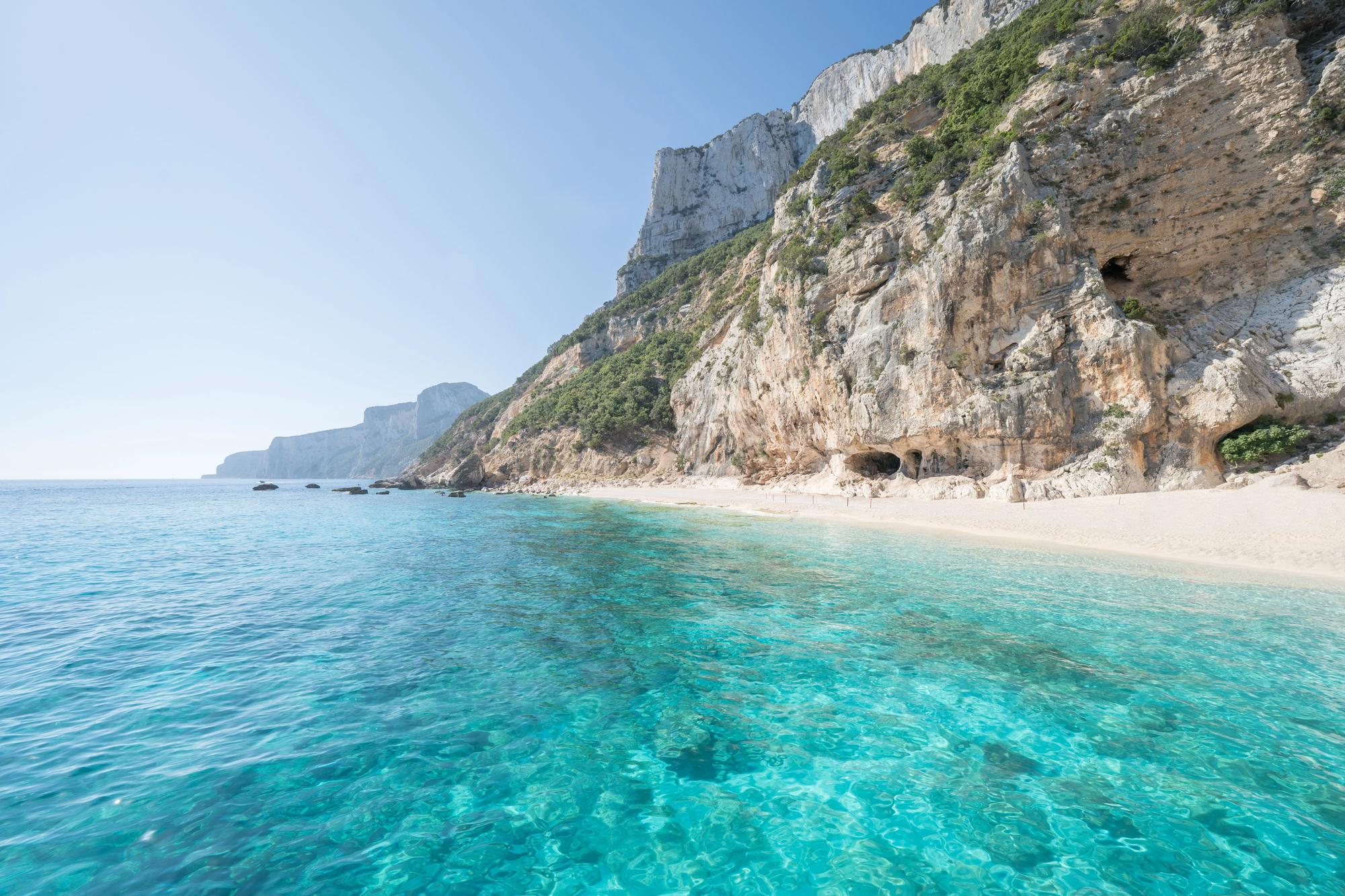
This beach in the Golfo di Orosei on the east coast is only accessible by boat or a challenging 90-minute hike. The effort rewards you with white pebbles, turquoise waters, and a towering limestone pinnacle rising from the sea. Arrive early – daily visitor numbers are capped at 300.
La Pelosa
Located near Stintino on the north-west coast, La Pelosa features powdery white sand and shallow, crystal-clear waters. The beach looks out towards the small island of Asinara. Note: This popular beach now charges a small entry fee (€3.50 per person in 2025) and requires advance booking during peak season to manage crowds.
Cala Mariolu
Another Golfo di Orosei gem, Cala Mariolu is famous for its pink-hued pebbles mixed with white sand. The turquoise waters are perfect for snorkelling – you might spot grouper fish and moray eels. Access is by boat tour from Cala Gonone or Arbatax.
Spiaggia di Tuerredda
Near Teulada in southern Sardinia, Tuerredda combines a perfect crescent of white sand with a rocky island just offshore. The shallow, warm waters make it ideal for families. Arrive before 10am in summer to secure parking and a good spot on the beach.
Costa Verde beaches
The west coast’s Costa Verde remains wonderfully wild and less developed. Piscinas beach stretches for kilometres, backed by Europe’s highest sand dunes (some reaching 60 metres). You might spot Sardinian deer roaming the scrubland, and sea turtles nest here during summer months.

Charming towns and villages
Alghero
This walled Catalan town on the north-west coast oozes medieval charm. Walk the sea-facing ramparts at sunset, explore narrow cobbled streets in the old town, and listen for Catalan being spoken – it’s still taught in schools here.
Don’t miss: Grotta di Nettuno (Neptune’s Grotto), accessible by boat from Alghero port or via 656 steps down the cliff face. Inside, you’ll discover underground lakes, stalactites, and vast chambers draped in limestone formations.
Opening hours: Vary by season (typically 9am-7pm summer, 9am-1pm winter). Entry: €14 adults
Bosa
Following the coastal road south from Alghero brings you to Bosa, one of Sardinia’s most picturesque small towns. Pastel-coloured houses cascade down to the River Temo, while Malaspina Castle crowns the hilltop above. Bosa produces Malvasia wine – visit a cantina for tastings.
Castelsardo
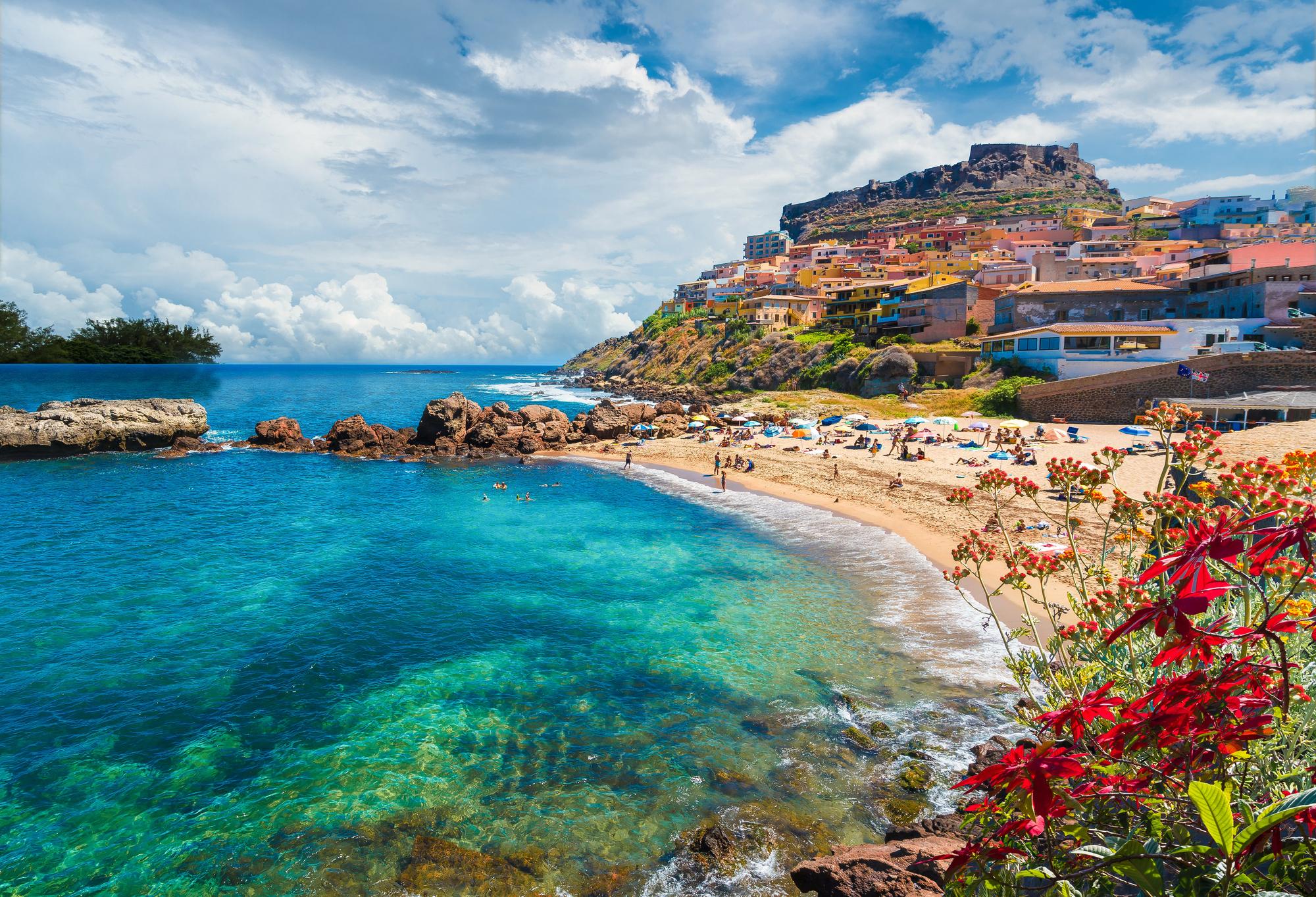
This clifftop village in northern Sardinia offers spectacular views across the Gulf of Asinara. The medieval centre clings to volcanic rock, with steep alleys leading up to the castle. Visit in spring for traditional Easter processions, or in winter to watch local artisans weave baskets from dwarf palms.
Santa Teresa Gallura
The northernmost town in Sardinia sits just 11km from Corsica. It’s a perfect base for exploring the nearby beaches – Rena Bianca right in town, and stunning Cala Brandinchi (nicknamed ‘Little Tahiti’) a short drive away. The town centre has a relaxed vibe with good restaurants and bars.
Cagliari
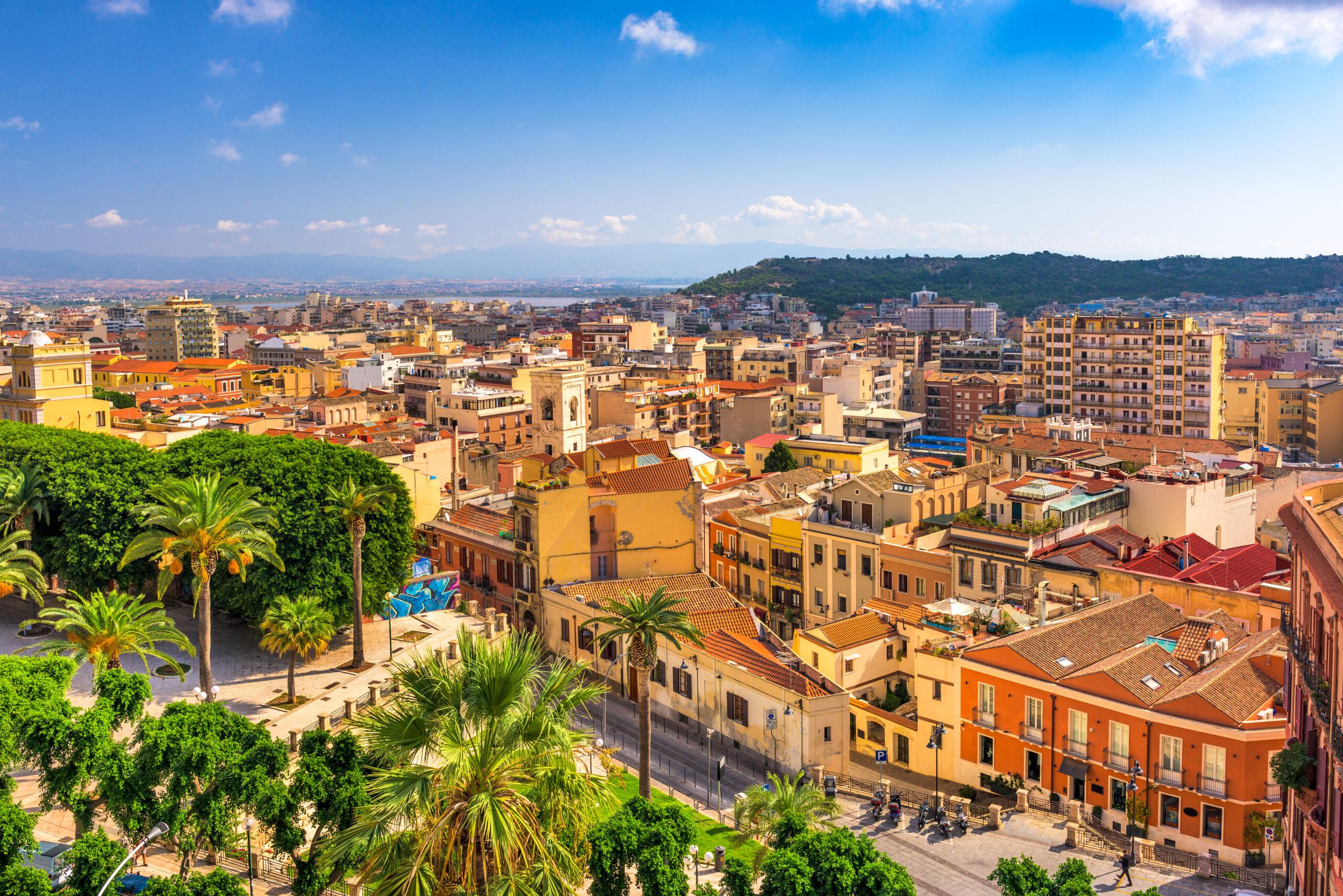
Sardinia’s capital deserves at least two days. The historic Castello quarter rises above the port, with panoramic viewing points, Roman remains, and the impressive cathedral. The Poetto beach stretches for 8km along the city edge. Visit the National Archaeological Museum to see bronze figurines from the nuragic period and other artefacts spanning Sardinia’s history.
Opening hours: Tuesday-Sunday 9am-8pm. Entry: €10 adults (2025 prices).
Archaeological sites and ancient history
Sardinia’s most distinctive archaeological treasures are the nuraghi – mysterious Bronze Age stone towers found nowhere else on Earth. Over 7,000 still dot the island, built between 1900-730 BC by the nuragic civilisation.
Su Nuraxi di Barumini
This UNESCO World Heritage Site near Barumini, about 60km north of Cagliari, is the finest example of nuragic architecture. The complex features a central tower originally over 18 metres high, surrounded by four defensive towers linked by walls, all encircled by the remains of a village with stone huts.
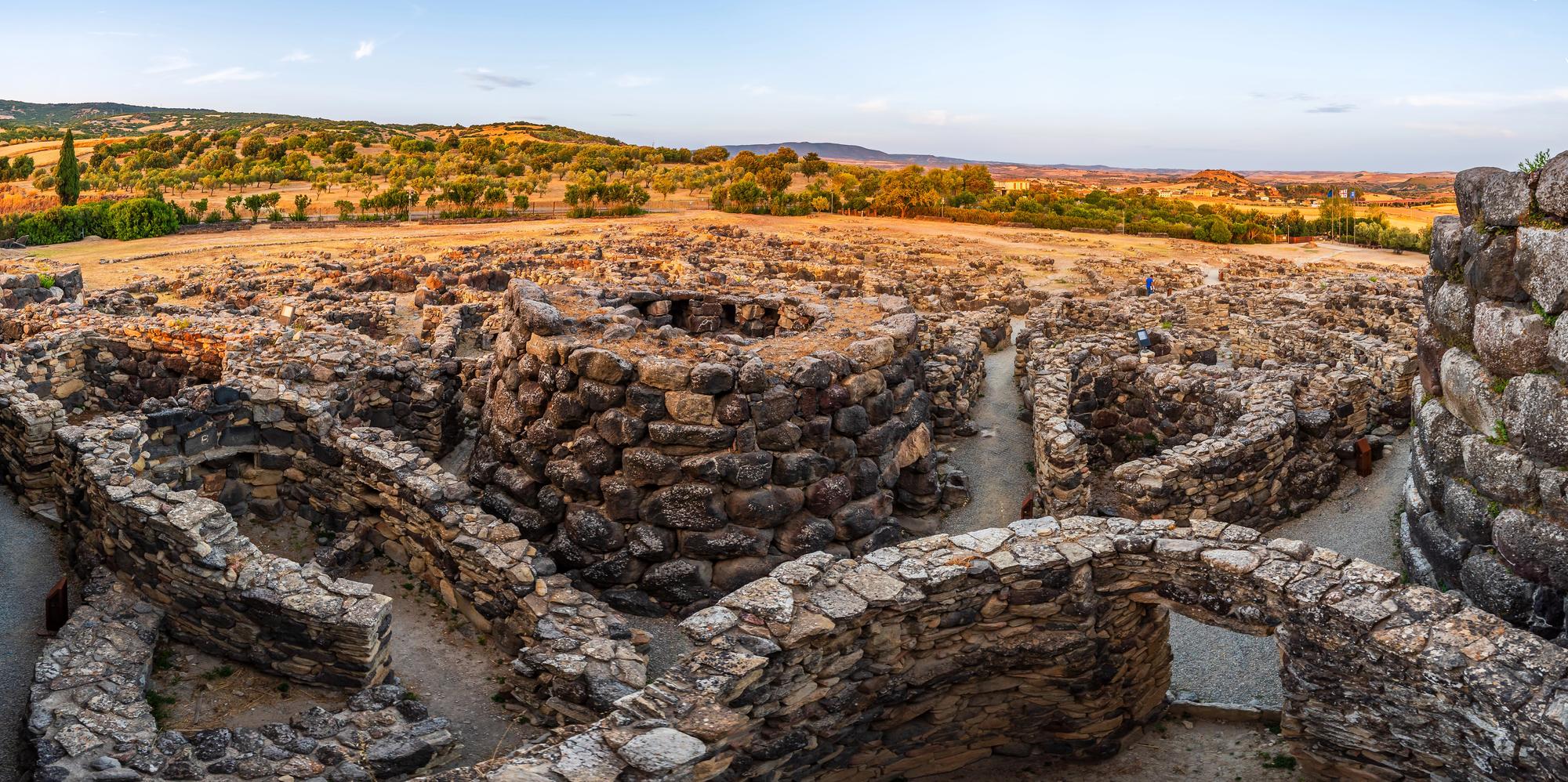
Guided tours run every 30 minutes and bring the site to life, explaining how these Bronze Age communities lived.
Opening hours: Daily 9am-8pm (summer), 9am-5pm (winter) – hours vary by season. Entry: €15 adults (includes guided tour), €13 youth 13-17, €10 children 7-12 (2025 prices, verified via Fondazione Barumini). The ticket covers Su Nuraxi, Casa Zapata, and Giovanni Lilliu Centre. Tours are compulsory and included.
Casa Zapata
In Barumini village centre, this 16th-century noble residence has been converted into a museum. Glass floors reveal another nuragic complex, Nuraxi ‘e Cresia, discovered beneath the building in 1990. The juxtaposition of Bronze Age ruins and Renaissance architecture is fascinating. Included in Su Nuraxi ticket.
Tiscali
For the adventurous, the hidden village of Tiscali in the Supramonte mountains near Dorgali offers one of Sardinia’s most evocative archaeological experiences. Built inside a collapsed mountain cave around 1000 BC, the village was used as a refuge. Reaching it requires a challenging 2-hour hike through wild terrain, but the setting is unforgettable. Hire a guide – the paths aren’t well marked, and the terrain is difficult.
Nora
This Roman and Carthaginian site near Pula in southern Sardinia sits on a dramatic promontory jutting into the sea. Walk through ancient streets, see mosaic floors, and explore the theatre still used for summer performances. The adjacent beach is lovely for cooling off after exploring the ruins.
Opening hours: Daily 9am-sunset. Entry: €8 adults (2025).
Boat tours and water activities

La Maddalena Archipelago
This national park off Sardinia’s north-east coast comprises over 60 islands and islets famous for their incredible turquoise waters, white sand beaches, and pink granite rock formations. Most are uninhabited and protected.
Boat tours depart from Palau or La Maddalena town. A typical full-day tour visits Spargi (home to stunning Cala Corsara), the famous Pink Beach on Budelli (now protected, so you’ll view from the boat), the Natural Pools between Santa Maria and Razzoli islands, and Caprera with its hidden cove Cala Coticcio, nicknamed “Tahiti” for its tropical appearance.
Tours cost approximately €70-90 per person for a full day, including lunch and snorkelling equipment. Small group tours on RIB boats offer more flexibility and access to quieter spots. Book for June or September to avoid July-August crowds when the most beautiful bays can be overrun with boats.
Cala Gonone to Cala Luna
From the coastal town of Cala Gonone on the east coast, boat trips explore the dramatic Golfo di Orosei. The limestone cliffs rise sheer from the sea, hiding pristine beaches accessible only by boat. Cala Luna features white pebbles and a freshwater spring. Many tours also stop at Cala Mariolu and Cala Sisine. Half-day trips start from €35-40 per person.
Grotta del Bue Marino
These sea caves near Cala Gonone once housed one of Europe’s last monk seal colonies (bue marino means ‘sea ox’, the local name for the seals). Although the seals have gone, the caves remain spectacular with stalactites, stalagmites, and underground lakes. Tours run from Cala Gonone port.
Entry: €12 adults (2025).
Nature and outdoor adventures
Gorropu Gorge
Nicknamed ‘Europe’s Grand Canyon’, this dramatic limestone gorge in the Supramonte near Dorgali has walls reaching 500 metres high in places. The gorge is only 4-5 metres wide at its narrowest point. You can hike partway in without special equipment, but exploring deeper requires via ferrata gear. Hire a local guide for safety.
Gennargentu National Park
Sardinia’s mountainous interior offers completely different landscapes from the coast. Punta La Marmora (1,834 m) is Sardinia’s highest peak. The park protects rare Sardinian wildlife, including mouflons (wild sheep), golden eagles, and the occasional wild boar. Several marked hiking trails cross the terrain, from easy walks to challenging mountain routes. Spring brings wildflower meadows.
Monte Tiscali forest
Ancient holm oak forests blanket the Supramonte mountains. Walking through these woods, you’ll smell wild herbs – myrtle, juniper, strawberry tree – and might spot wild boar or deer. Many trails lead to nuragic sites hidden in the hills.
Pink flamingos at Molentargius
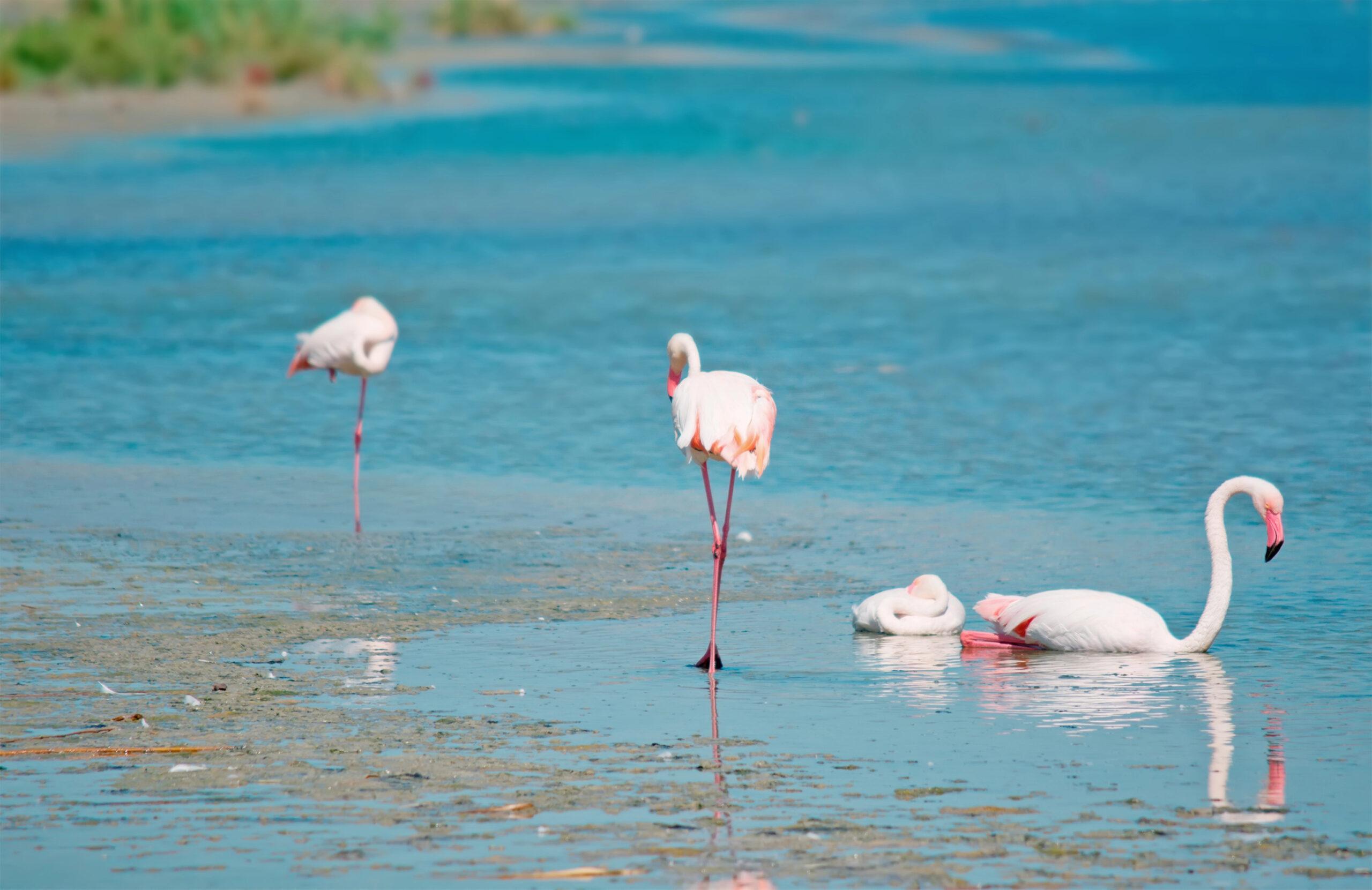
On Cagliari’s eastern edge, this wetland park hosts thousands of pink flamingos year-round. The best viewing is in winter and spring when flocks can number over 10,000. Wooden walkways and cycling paths cross the park. The contrast of bright pink flamingos against Cagliari’s urban backdrop is surreal. Free entry.
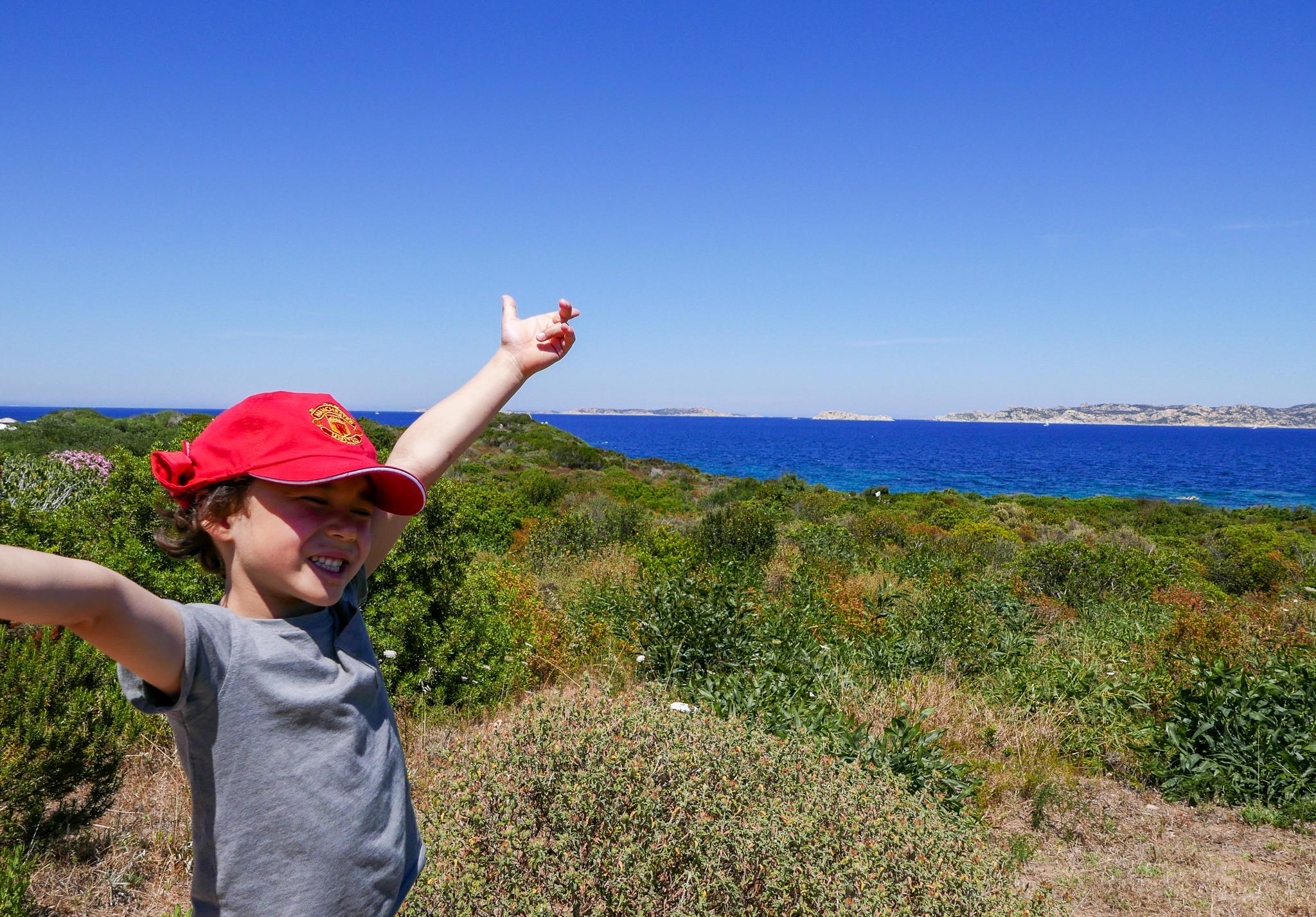
Things to do in Sardinia with kids
As much as Sardinia’s beaches are a huge draw for families, the Italian island has plenty to offer away from the sparkling coastline and rugged rock faces. During our week at Valle dell’Erica Resort, we discovered Sardinia is a perfect family destination – and not just for the gelato (though that helped).
Did you know that Sardinia is a designated ‘blue zone’ because the longevity of Sardinians means there are more centenarians here than almost anywhere else in the world? The good Mediterranean weather, wealth of history, resplendent food and wine, plus the island’s natural beauty, must surely be the key to long life and happiness.
Having spent one week in Sardinia, I can wholeheartedly say that it certainly agreed with us. We could barely bring ourselves to leave the resort, so content were we in our surroundings. However, Sardinia isn’t huge, so even if you’re staying in the north, as we did, Sardinia’s capital, Cagliari, is certainly doable if you set off early enough.
Which also means that if you’re in an exploratory mood, or want to entertain the children away from the beach, there is a huge choice of activities and attractions for the whole family.
Breathtaking landmarks
Kids needn’t find landscapes boring. Think of the stories you can imagine together, taking inspiration from Sardinia’s natural landmarks such as La Roccia dell’Orso (The Bear Rock). Marvel at this granite outcrop some 122m high at Capo d’Orso near Palau, which has been worn down over time to resemble a hulk of a bear. Stand at its base and look up at the distinctive shape.
Or Valle della Luna (Valley of the Moon) near Santa Teresa Gallura, with its impressive granite boulders that have been moulded into amazing shapes by the wind and sea stretching across a 500-metre valley. The otherworldly rock formations sparked Monkey’s imagination for hours.
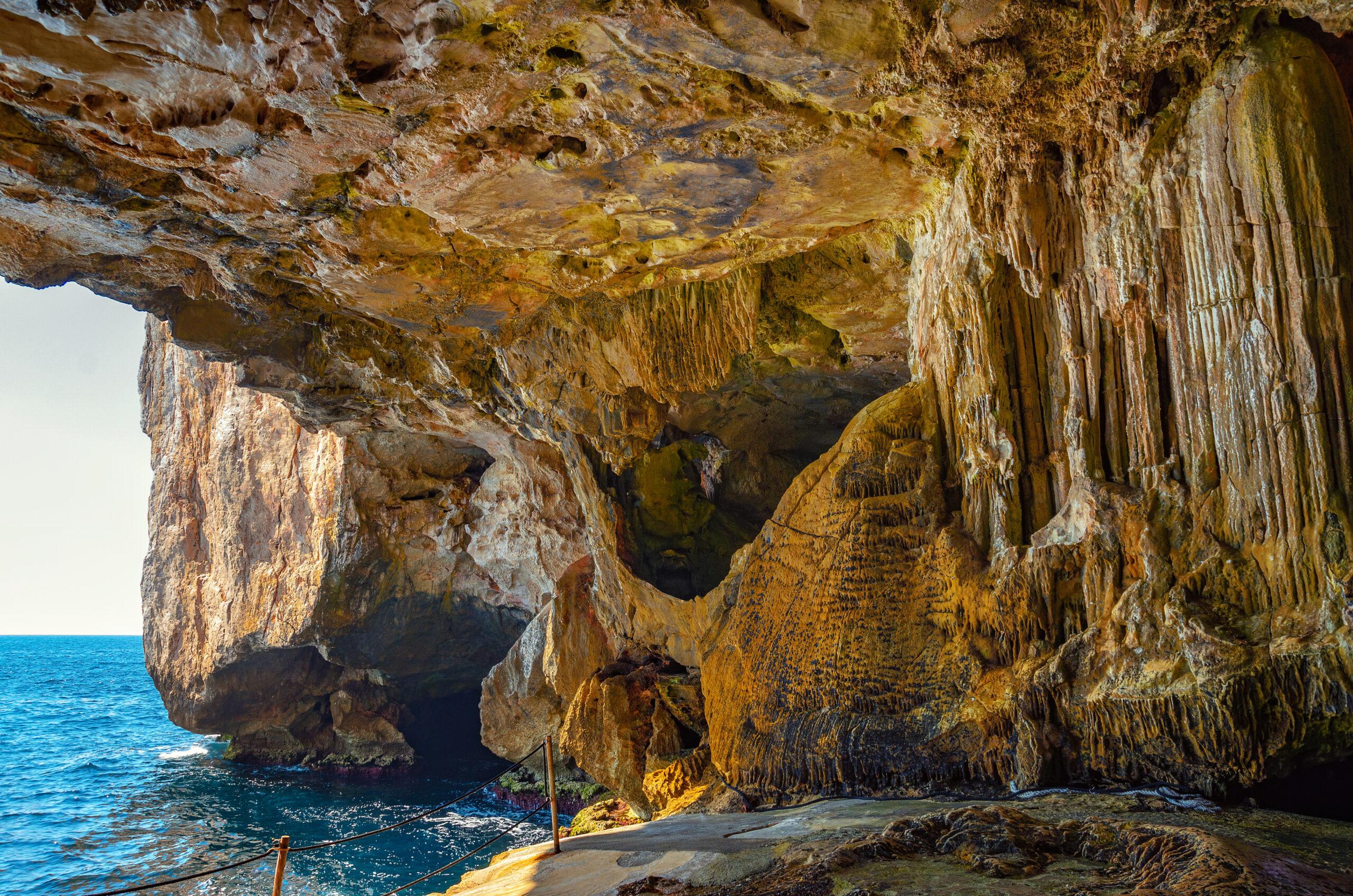
Neptune’s Grotto
For the adventurous, a climb down 656 steps which cling to the western side of the cliff face of Capo Caccia leads you to the mouth of this inspiring cave – Grotta di Nettuno. For others who prefer a more gentle entrance, the caves can be reached by boat, which departs from the Port of Alghero or from the dock of Cala Dragunara in Porto Conte.
Once inside, you’ll be greeted by an underground sea lake, a sandy beach and ‘rooms’ covered in vegetation, as well as stalactites and stalagmites. The cave extends for over 2 kilometres, though tours cover about 200 metres.
Opening hours: Vary by season. Entry: €14 adults, €10 reduced rate for certain categories (2025 prices, verified via official site).
Piscinas sand dunes
Among the highest in Europe, the sand dunes of Piscinas in south-west Sardinia are the perfect spot for children to play in – rolling, running, hiding, and jumping. The golden dunes stretch for 9km and reach up to 60m high in places.
Once they tire of that, they can sit on the beach and watch the kite surfers out at sea, as this western part of the island, Costa Verde, is rather windy. See if you can also spot the Sardinian deer that roam around the scrub. Sea turtles lay their eggs on the sand during summer months (June-September) – if you see nesting areas, give them a wide berth as they’re protected.
Cala Gonone Aquarium
In the eastern Sardinian town of Cala Gonone, there is a story of how a blind sea turtle was rescued and brought to the aquarium to live out the rest of its days. Children will be able to see this turtle, as well as other species such as piranhas, sharks and rays in the 25-26 display tanks showcasing local Mediterranean marine life.
You can even pet some of these creatures in the open-air touch pool – starfish, sea urchins, and even friendly rays. The aquarium also features educational displays about marine conservation.
Opening hours: Daily in season, hours vary (check official website). Entry: Approximately €14 adults, with reduced rates for children (2025 pricing based on visitor reports).
Water parks
From Aquadream in Baja Sardinia on the Costa Smeralda (near Porto Cervo) is Sardinia’s main water park, featuring multiple slides including kamikaze-style descents, the Black Hole slide, wave pools, and gentler areas for young children. There’s also a dedicated Jungle Land area for smaller kids.
Opening hours: Daily 10.30am-6pm June-September. Entry: Approximately €25 adults, €16 children (2025 prices based on visitor reports – check official site for current rates).
Parco dei Pini Adventure Park (formerly Le Ragnatele)
This tree-top adventure park in the pine forest near Alghero features rope ladders, bridges, zip lines and aerial trails amongst the tree canopy. There are multiple courses of varying difficulty – Baby courses for children (minimum 120cm height with arm raised) and adult courses (minimum 145cm).
The 38,000 square metre park is set within beautiful pine forest near Porto Conte Natural Park and close to Bombarde Beach.
Opening hours: Daily 10am-6.30pm July-August, 10am-12.30pm & 3pm-6.30pm April-June & September-October. Entry: Approximately €10 for 1 hour (Baby courses), with additional half-hours at €4 (2025 prices from official Parco dei Pini website).
Kid-friendly beaches
For families with young children, look for beaches with shallow, calm waters. Poetto in Cagliari has lifeguards, beach facilities, and is easy to access. Cala Brandinchi near San Teodoro (nicknamed ‘Little Tahiti’) features incredibly shallow turquoise water perfect for toddlers – you can walk out 50m and still be waist-deep.
Spiaggia di Tuerredda in the south combines shallow water with a small island close to shore for older kids to swim to. Beach umbrellas and sun beds can be hired, plus there’s a café for snacks.
Porto Cervo and the Costa Smeralda
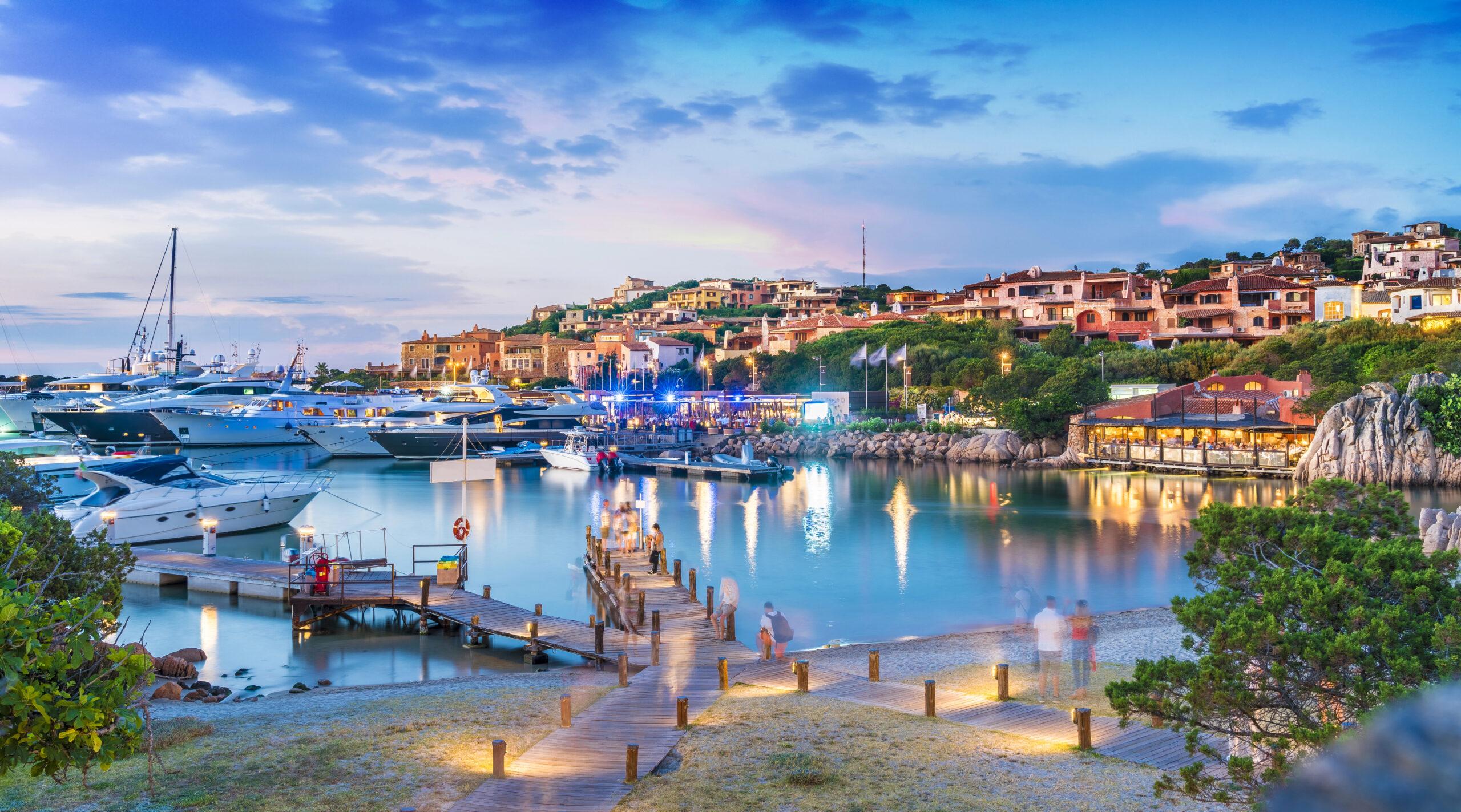
The Emerald Coast on Sardinia’s north-east shore is famous for luxury, mega-yachts, and designer boutiques. Porto Cervo, built in the 1960s by Prince Karim Aga Khan, remains the centre of Sardinian glamour.
Even if you’re not staying at five-star resorts, Porto Cervo is worth visiting to see how the other half lives. The marina is full of superyachts, the piazzetta’s cafés buzz with people-watching opportunities, and the modernist church Stella Maris has beautiful contemporary stained glass.
The beaches along the Costa Smeralda are genuinely stunning. Spiaggia del Principe (Prince’s Beach) is a small cove with turquoise water and white sand – arrive before 10am in summer as space is limited. Cala di Volpe and Liscia Ruja are other beautiful options.
Getting there: The closest airport is Olbia Costa Smeralda (20 kilometres away). The Costa Smeralda stretches from the Gulf of Arzachena to the Gulf of Cugnana.
Where to stay in Sardinia
For families wanting a resort base, Valle dell’Erica Resort Thalasso & Spa in northern Sardinia exceeded our expectations. The resort is situated right on the coast in Gallura with direct beach access. The children loved the pools, kids’ club, and evening entertainment, while we appreciated the spa facilities and excellent restaurants.
The resort’s location is ideal for exploring northern Sardinia – La Maddalena Archipelago, Palau, Santa Teresa Gallura, and the Costa Smeralda are all within easy driving distance.
For independent travellers, consider:
- Cagliari for city life, culture, and southern beaches
- Alghero for medieval atmosphere and western coast access
- Cala Gonone for east coast adventures and mountains
- Santa Teresa Gallura for northern beaches and laid-back vibes
- Olbia for airport proximity and Costa Smeralda access
Agriturismos (working farms offering accommodation) provide authentic Sardinian experiences, often including home-cooked meals featuring farm produce. They’re typically inland and offer peaceful escapes from coastal crowds.
Sardinian food and wine
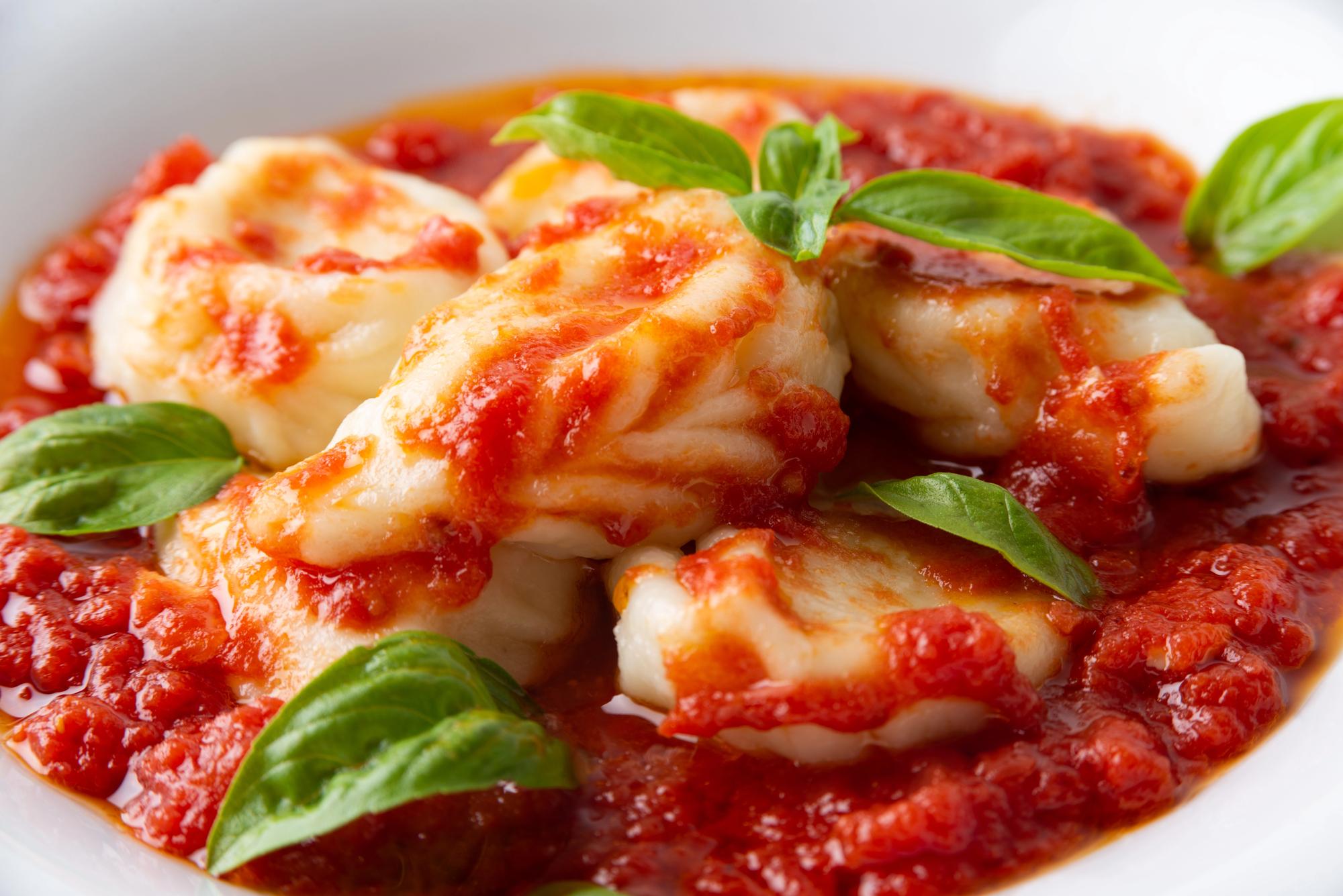
Sardinia’s cuisine reflects its island isolation, pastoral traditions, and fierce independence. Dishes are hearty, often featuring lamb, pork, or seafood, with bread and cheese playing central roles. We didn’t eat one bad meal in Sardinia. I think I actually put on weight!
Must-try dishes:
- Porceddu – spit-roasted suckling pig seasoned with myrtle
- Culurgiones – filled pasta parcels from Ogliastra, typically stuffed with potato, pecorino, and mint
- Pane carasau – paper-thin crispy flatbread, sometimes called “music bread” for the sound it makes when broken
- Seadas – dessert pastries filled with pecorino cheese, then fried and drizzled with honey
Sardinia produces distinctive wines. Cannonau (red) comes from one of the world’s oldest grape varieties – some claim the wine’s antioxidants contribute to Sardinian longevity. Vermentino (white) is crisp and perfect with seafood. Monica and Carignano (both red) are also worth trying.
Pecorino Sardo (sheep’s cheese) comes in fresh (dolce) or aged (maturo) varieties. You’ll taste it in countless dishes, from pasta to desserts.
Getting around Sardinia
Hire a car – it’s essential. Public transport exists between major towns but is limited for reaching beaches, archaeological sites, and small villages.
Driving in Sardinia is straightforward, though mountain roads can be winding with steep drops. Allow more time than GPS estimates suggest, especially on coastal roads where you’ll want to stop for photos. Petrol stations can be sparse in rural areas – fill up in towns.
Distances: Cagliari to Olbia is 260 kilometres (about 3 hours). Alghero to Santa Teresa Gallura is 130 kilometres (2 hours).
Parking: Summer parking at popular beaches fills early. Arrive before 9.30am or be prepared to walk from overflow areas.
Best time to visit Sardinia
May and June bring warm weather (22-28°C), wildflowers, and manageable crowds. The sea temperature reaches a comfortable 19-22°C by late May. This is ideal for hiking, sightseeing, and the early beach season.
July and August guarantee sunshine and hot weather (28-35°C), perfect for beach lovers. However, this is peak season – expect crowded beaches, higher prices, and fully booked accommodation. Book several months ahead. The sea temperature is blissfully warm at 24-26°C.
September and October offer brilliant conditions. The sea is at its warmest (23-24°C in September), summer crowds have departed, and temperatures remain comfortable (23-27°C in September, 18-23°C in October). This is arguably Sardinia’s best time.
November to April sees cooler, wetter weather. Beach resorts largely close, but this is perfect for hiking, archaeology, and experiencing authentic Sardinian life. Cagliari and Alghero remain lively year-round. Carnival celebrations in February (especially in Oristano) are spectacular.
Frequently asked questions
How many days should I spend in Sardinia?
A week allows you to explore one region properly – either north (Costa Smeralda, La Maddalena, Alghero) or south (Cagliari, Villasimius, Costa Verde). Two weeks lets you see diverse areas without rushing. A long weekend works for a focused beach escape.
Is Sardinia expensive?
Sardinia’s reputation as expensive comes from the Costa Smeralda and other luxury resorts. However, much of the island offers good value. Eat at family-run trattorias rather than tourist restaurants, stay in agriturismos or apartments rather than resorts, and visit in shoulder season. A meal at a local restaurant costs €15-25 per person, a decent hotel €80-150 per night (outside peak season).
Do I need to speak Italian?
English is widely spoken in tourist areas, hotels, and restaurants. In small inland villages, Italian helps but isn’t essential. Learning basic phrases is appreciated – Sardinians are famously warm and welcoming when you make the effort.
Can you drink the tap water?
Yes, tap water is safe to drink throughout Sardinia, though many locals and restaurants serve bottled water. In mountain areas, natural springs provide fresh water – bring bottles to fill up.
Is Sardinia good for solo travellers?
Absolutely. Sardinia is safe, public areas are busy even in the quiet season, and locals are friendly. Coastal towns like Alghero, Cagliari, and Cala Gonone have hostels and active social scenes. Consider joining boat tours or hiking groups to meet other travellers.
What should I pack?
Bring sun protection (hat, sunscreen, sunglasses), comfortable walking shoes for archaeological sites and towns, beach gear, and a light jumper for breezy evenings. If visiting between November and April, pack layers and a rain jacket. Driving mountain roads can mean temperature changes.
Comments are closed.