Quick facts about Reykjavik
Population: 139,000 (Greater Reykjavik: 233,000)
Currency: Icelandic króna (ISK) – approximately ISK 170 = £1
Language: Icelandic (English widely spoken)
Time zone: GMT year-round (no daylight saving time)
Best time to visit: June-August for midnight sun and warmest weather; September-March for Northern Lights Airport: Keflavik International (KEF), 50km southwest of the city
Getting around: Compact city centre – easily walkable. Efficient bus system available.
Iceland’s capital city is a captivating blend of Nordic charm, vibrant culture, and otherworldly natural wonders. This small city of just 136,000 people punches above its weight, offering amazing things to see and do that make it the perfect place for your first visit to Iceland. From the iconic Harpa concert hall to natural hot springs, here are the best things to do in Reykjavik that showcase why this is one of Europe’s most unique destinations.

Why Reykjavik is the perfect base for Iceland travel
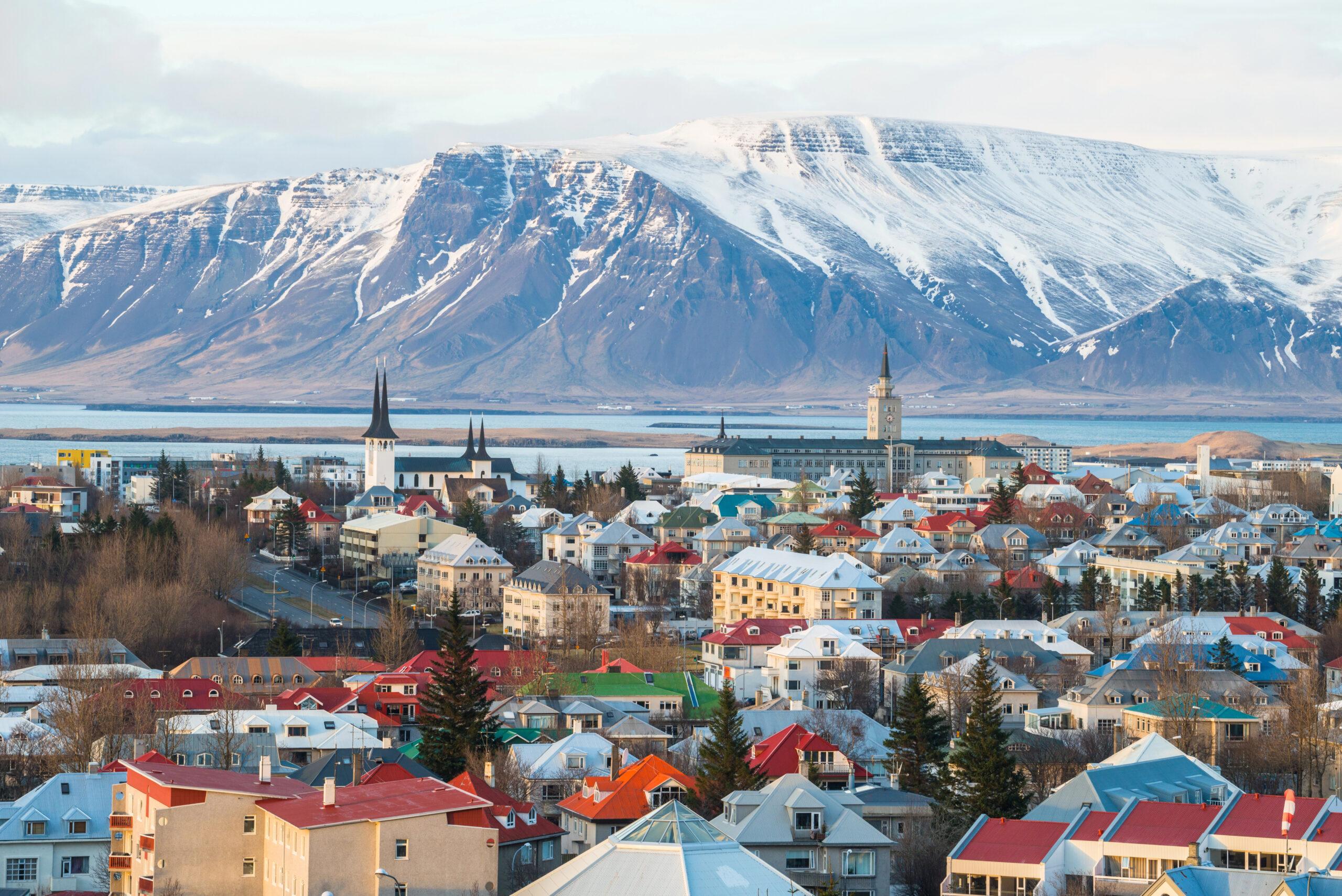
Reykjavík’s backdrop features snowy-topped mountains and blue seas, combining quirky colourful buildings, first-class cafes and restaurants, and a vast array of cultural attractions. It’s also famous for its legendary nightlife and live music scene – there are bars and nightclubs galore making it party heaven for late-night revellers.
But there’s so much more to discover beyond downtown Reykjavik. The city serves as the ideal launching point for exploring Iceland’s most famous attractions. The Golden Circle, Blue Lagoon, and the south coast are all easily accessible, while the ring road begins right from the capital city.
Whether you’re planning a short city break or an epic road trip around Iceland, Reykjavik is the best way to start your Icelandic adventure.

The city centre is compact and walkable, with the main shopping street Laugavegur and surrounding main streets filled with street art, coffee shops, and gift shops. It’s a great place to experience Icelandic culture and sample the best of Icelandic cuisine, from mouthwatering hot dogs to innovative Nordic dining.
Top Reykjavik attractions
Go to the top of Hallgrímskirkja
The magnificent Hallgrímskirkja Church dominates Reykjavík’s skyline. It’s an impressive building but even more so is the stunning view of the city from its 75.5m tower. It can be accessed by an elevator for a small fee but be warned – we got the fright of our lives when the clock struck the hour and the bells chimed.
This iconic landmark offers the best views in the city, with the viewing platform providing breathtaking panoramas, surrounding mountains, and on clear days, you can even spot the blue lagoon and lava fields in the distance.
Admission: Adults: ISK 1,500 (£8.80) Children (7-16): ISK 200 (£1.20)
Top tip: Visit during the summer months for extended opening hours and the best chance of clear weather for optimal views.

Immerse yourself at the Harpa
Our first sighting of Reykjavík’s shimmering Harpa concert hall was at night. We were spellbound by the multi-coloured lattice glass panels that bathe the building in a wonderful glow. The Harpa is just as splendid to look at during the day. And if you’re not catching a show, you can take a short tour of the hall. We enjoyed exploring the lobby and looking out at all the boats in the harbour.
This cultural attraction serves as a popular spot for both concerts and live music performances, and even if you’re not attending an event, the architectural masterpiece is worth visiting for its unique design.
Location: Harpa concert hall, Austurbakki 2 – a short walk from the city centre

Check out the view from Perlan
If you’re in the city, you can just make out a large mirrored dome in the distance on Öskjuhlío Hill – which also has a shining beacon at night. Perlan covers gigantic geothermal-water tanks and has a viewing deck with a breathtaking 360-degree panorama of Reykjavík and the mountains. Not only is there a café but there’s a fancy restaurant at the top of the dome.
The museum has a comprehensive ‘Wonders of Iceland’ exhibition, featuring the world’s first indoor ice cave, interactive volcano exhibits showcasing tectonic plates, and a state-of-the-art planetarium displaying northern lights and aurora borealis shows.
What makes it special: Perfect for understanding Iceland’s natural habitat, geothermal hot springs, and volcanic activity – ideal preparation for visiting the real-life attractions around Iceland.
Learn about Vikings at the National Museum
If you want to discover more about the history of Iceland for kids, then a trip to the National Museum is a must. With artefacts such as Viking swords, drinking horns and a sacred bronze figure of Thor, the museum displays a huge collection from the Settlement era-spanning right through to modern times. Free English tours run at 11.00am on Wednesdays, Saturdays and Sundays from May-September.
It’s one of the best ways to understand Icelandic culture and Icelandic history before exploring the rest of the country.
Admission: Adults: ISK 2,500 (£14.70) Students/Seniors (67+): ISK 1,500 (£8.80) Under 18: Free
Location: National Museum Suðurgata 41, 101 Reykjavík – short walk from city centre
Wander Laugavegur and Skólavörðustígur
One of Reykjavík’s oldest shopping streets Laugavegur has countless shops, cafés and bars. And, alongside the street art and people watching, this downtown area is full of life. Aside from browsing the various boutiques and stopping for several cakes along the way – it’s just a great area to wander aimlessly.
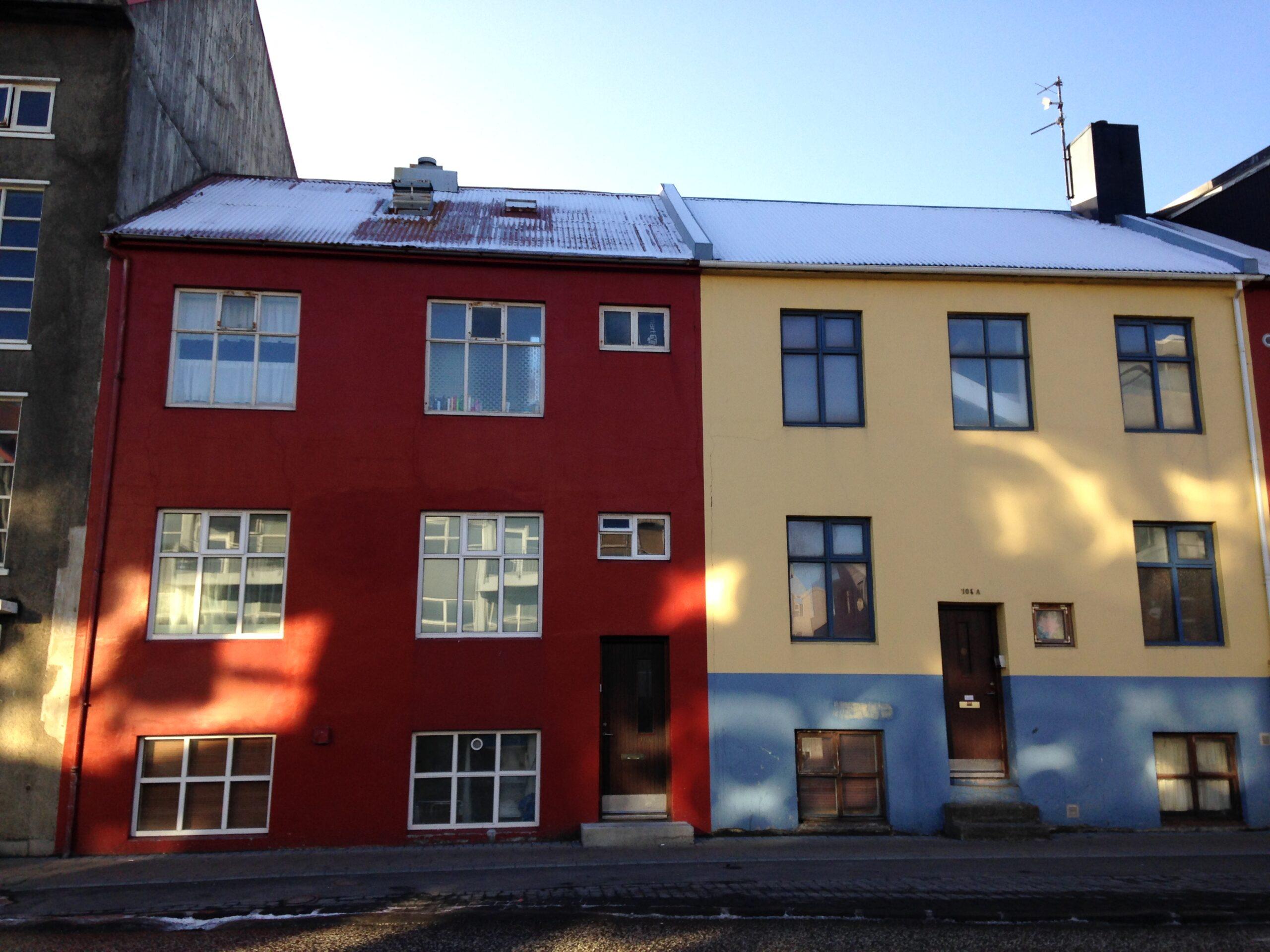
Meanwhile, our favourite street was Skólavörðustígur – filled with attractive colourful buildings and art galleries, and flanked by the magnificent Hallgrímskirkja church.
This main shopping street and downtown Reykjavik area is perfect for discovering coffee shops, Icelandic design, and gift shops.
Best way to explore: Join a free walking tour or simply wander with a local guide book to discover hidden gems
Go bird spotting at Lake Tjörnin
Right in the heart of Reykjavík, Lake Tjörnin or ‘the pond’ as it’s known locally has more than 40 species of visiting birds including geese, swans and Arctic Terns. During the summer, it’s popular with families feeding the ducks, while there are pretty sculptures that line the shore. We were amazed to see people actually skating on the frozen lake!
Wildlife watching: Best during summer months for the most bird species
Winter magic: Often freezes over, creating skating opportunities for those who are great on ice
Sun Voyager sculpture – an iconic photo spot
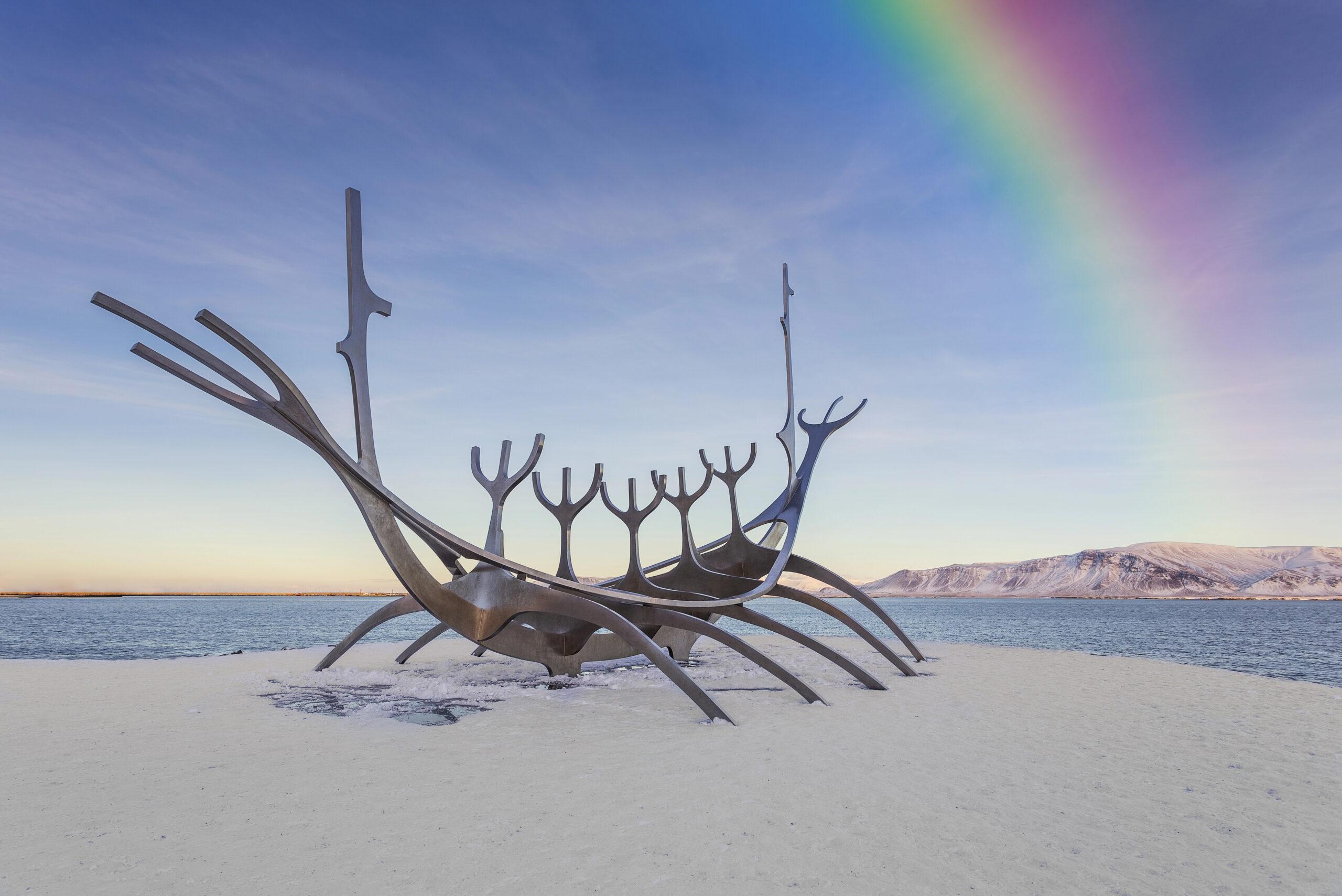
This striking steel sculpture by Jón Gunnar Árnason sits along the waterfront and has become one of Reykjavik’s most photographed attractions. Designed to resemble a Viking ship, it’s particularly stunning at sunset and offers great views across the bay.
Best time to visit: Golden hour for the most dramatic photos
Location: Waterfront near city centre – perfect for a short walk
Experience real molten lava at Lava Show
Winner of Tripadvisor’s Best of the Best 2025, the Lava Show is genuinely one-of-a-kind. This award-winning attraction superheats real lava to 1,100°C and pours it into the showroom, allowing you to see, hear, smell and feel the intense heat of flowing lava up close. It’s educational and thrilling in equal measure.
The hour-long experience includes a video about Iceland’s volcanic history followed by the spectacular live lava demonstration. The presenter explains the science whilst manipulating the molten lava right in front of you – watching it bubble, flow, and eventually cool into different forms is absolutely mesmerising.
Two experience options: Classic (family-friendly, great view seats) or Premium (ages 13+, includes balcony seating, backstage tour of the furnace room, aperitif, and a piece of lava to take home)
Top tip: Book the Classic experience – you’re close enough to feel the heat without the premium price tag. Dress in layers as it genuinely gets hot!
Location: Fiskislóð 73, 101 Reykjavík (Grandi Harbour District) – 20-minute walk from city centre
Ticket price: Classic Experience: ISK 7,900 (£46.50) adults Premium Experience: ISK 14,900 (£87.50) adults (includes balcony seating, backstage tour, drink, lava souvenir). Not recommended for children under 5.
Soar over Iceland at FlyOver
FlyOver Iceland offers a unique 35-minute immersive flying experience that takes you soaring over Iceland’s most spectacular landscapes – all without leaving Reykjavik. You sit suspended with feet dangling before a massive spherical screen while wind, mist, and scents enhance the sensation of flight.
The experience includes two pre-show presentations about Iceland’s nature and history, followed by the 8.5-minute flying ride over glaciers, fjords, waterfalls, and volcanic landscapes. It’s a fantastic way to see parts of Iceland you might not have time to visit, though some visitors feel the ticket price is steep for the relatively short ride time.
Best for: Families wanting an overview of Iceland’s landscapes, rainy day activity, or those with limited mobility who can’t do actual tours
Height requirement: Children must be at least 102cm (40 inches) tall
Location: Grandi neighbourhood, Fiskislóð 73 – easily walkable or take bus 14
Ticket price: Standard admission: Around ISK 5,500 (£32) adults (varies – book online for best rates).
Indulge at Omnom Chocolate
Iceland’s premier bean-to-bar chocolate maker, Omnom Chocolate, has gained international recognition – their Milk of Nicaragua bar was named the world’s best milk chocolate in 2018. The Grandi harbour location houses both the factory and an ice cream/chocolate shop that’s become a must-visit for sweet-toothed travellers.
While factory tours aren’t currently offered, you can still visit the shop to taste innovative flavour combinations like liquorice and sea salt, coffee and milk, or cookies and cream. The ice cream is exceptional – try the toasted marshmallow (ísbjörninn) which locals rave about.
What makes it special: Bean-to-bar process means they roast and process their own cocoa beans, creating chocolate with distinctive Icelandic character. The stylish packaging makes brilliant gifts.
Location: Hólmaslóð 4, Grandi – near Lava Show and Whales of Iceland
Open: Daily
Budget tip: Chocolate bars are sold throughout Iceland but visiting the factory shop gives you access to exclusive flavours and fresh ice cream
Other unique experiences
Icelandic Phallological Museum: Quirky attraction showcasing specimens from Iceland’s mammals
City Hall: Modern architecture with interesting exhibitions about Iceland
Videy Island: Short ferry ride to a peaceful island with art installations, including the Imagine Peace Tower
Kolaportið: Weekend flea market for vintage finds and local crafts
Mount Esja: Hiking opportunities just outside the city with great views back to Reykjavik
Free things to do in Reykjavik
Not everything in Iceland’s pricey capital requires emptying your wallet. Here are the best free experiences in Reykjavik:
In the city centre (more above):
Wander Laugavegur and Skólavörðustígur – Reykjavik’s main shopping streets are perfect for window shopping, street art spotting, and soaking up the colourful architecture. [Link to your existing section]
Visit Harpa Concert Hall – You don’t need a concert ticket to marvel at the stunning glass facade and walk through the honeycomb interior. [Link to your existing Harpa section]
Photograph Sun Voyager – This striking steel sculpture along the waterfront is one of Reykjavik’s most iconic photo spots. [Link to your existing Sun Voyager section]
Feed ducks at Lake Tjörnin – Over 40 bird species visit this central pond, and it’s a favourite spot for local families. In winter, it often freezes solid. [Link to your existing Lake Tjörnin section]
Hidden gems most tourists miss:
Explore the Old Harbour and Grandi district
This revitalised maritime neighbourhood has transformed from a working harbour into one of Reykjavik’s coolest areas – and it costs nothing to explore. Colourful fishing boats bob in the water, street art covers warehouse walls, and the Marshall House offers free art gallery exhibitions. Simply wandering through this waterfront district gives you a real sense of Reykjavik’s character beyond the tourist centre.
Best time: Late afternoon for golden light photography, or sunset for dramatic harbour views
Discover street art throughout downtown
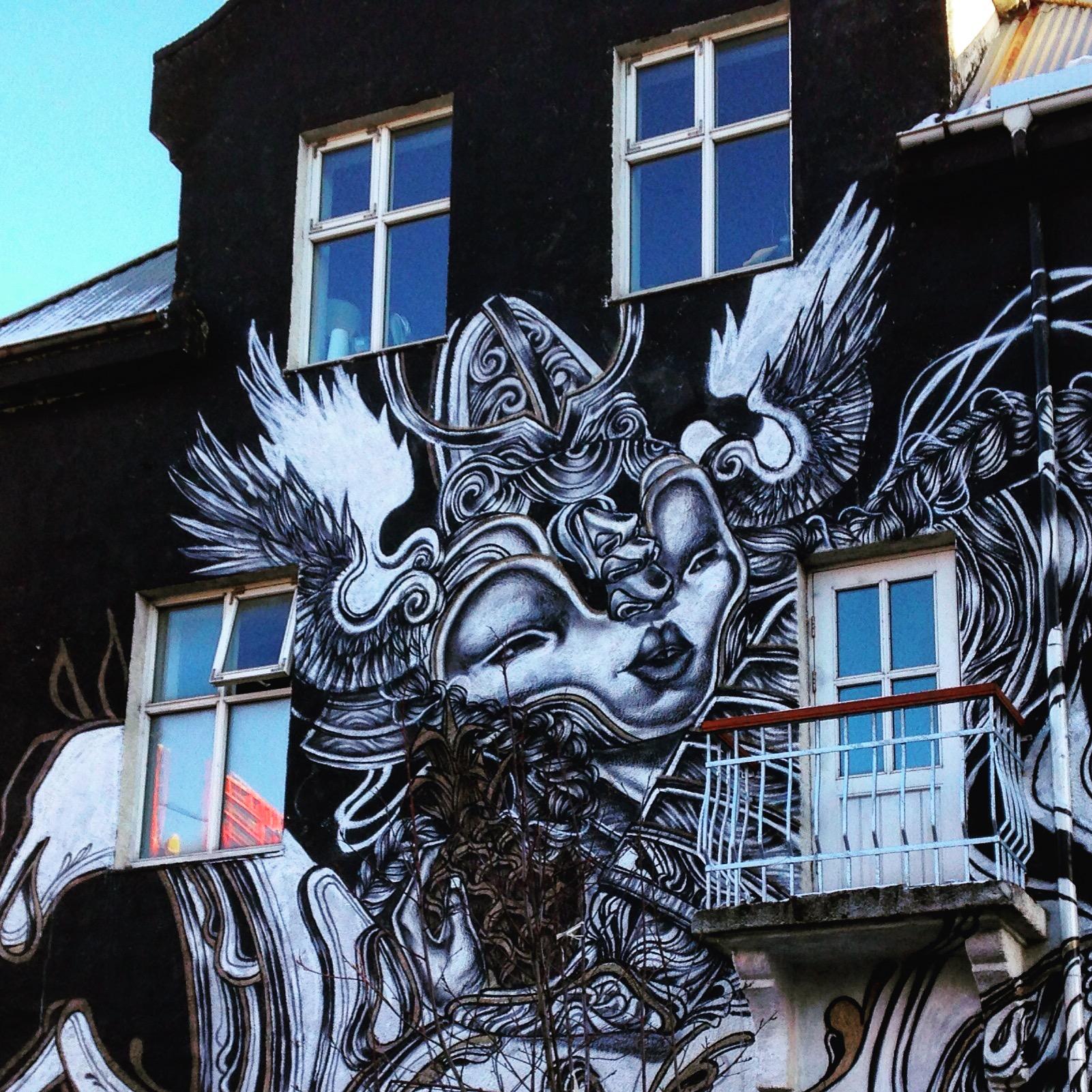
Reykjavik’s creative spirit splashes across buildings, fences, and alleyways. The street art scene constantly evolves with new murals appearing regularly. Some of the best examples line the Grandi district and streets around Laugavegur. Make it a game – challenge yourself to spot as many different pieces as possible while exploring the city.
Grótta lighthouse and beach
About 5km west of central Reykjavik, this peaceful peninsula offers dramatic coastal views, a red-and-white lighthouse, and surprising birdlife. During low tide, you can walk across to the lighthouse island. It’s also one of the better spots within the city to potentially glimpse the Northern Lights, away from downtown light pollution.
Getting there: Bus or pleasant coastal walk – this is a local favourite that tourists rarely discover
Hike Elliðaárdalur nature reserve
It’s genuinely hard to believe this lush valley with cascading waterfalls sits within Reykjavik’s city limits. This huge nature reserve offers walking and cycling trails through woodland and alongside streams, with multiple waterfalls along the way. It’s a local favourite that most visitors miss entirely.
Perfect for: Escaping the city vibe while staying in the city, or stretching your legs after long drives around Iceland
Browse Kolaportið flea market (weekends only)
Iceland’s only flea market operates in an old harbour building every Saturday and Sunday. Browse vintage clothing, Icelandic handicrafts, second-hand books, and sometimes questionable traditional foods like fermented shark. Even if you don’t buy anything, it’s a fascinating glimpse into local life.
Location: Tryggvagata (Old Harbour area)
Hours: Saturdays and Sundays 11am-5pm
Insider tip: Arrive early for the best selection, and bring cash as not all vendors take cards
Reykjavik’s geothermal culture
Splash around at Laugardalslaug
Once the main source of the city’s hot-water supply, Laugardalur – which means Hot Springs Valley – is a large stretch of parkland with a huge swimming complex fuelled by the geothermal spring. The area also has a skating rink, spa, cafe, zoo and gardens but it’s Laugardalslaug – one of the largest pools in Iceland – that is a big draw for those wanting to take a dip. Not only is there an Olympic-sized indoor pool, but outdoor pools, seven hot-pots, steam bath and a water slide.
It’s the best way to experience Iceland’s famous pool culture and understand why locals love their geothermal hot springs.
What to expect: Mandatory naked showers before entering (Icelandic custom)
Great experience: Swimming outdoors in winter while snow falls around you
Address: Laugardalslaug Laugardalur og Háaleiti, Reykjavík
Sky Lagoon – luxury hot springs
For those seeking a more upscale geothermal experience closer to the city, Sky Lagoon offers a premium alternative to the Blue Lagoon. This newer attraction features dramatic ocean views and a unique ritual involving cold plunges and geothermal bathing.
Best for: Adults seeking a sophisticated spa experience
Location: Just outside Reykjavik, Vesturvör 44-48, 200 Kópavogur
Ticket price: Prices start from around ISK 9,990 (£58.70)
Food and drink
From fine dining to fast food, Iceland’s culinary scene is booming. Don’t let the thought of fermented shark or liver pudding intimidate. From lamb stews to Icelandic pancakes, plus international cuisine, you’ll get a real taste of Iceland on a plate. Reykjavik has hundreds of bistros, cafés and restaurants to choose from.

Scoff a hotdog or three…
Quite possibly one of the tastiest hot dogs I’ve ever had the pleasure to scoff, you can’t go to Reykjavík and not fill up on these tasty treats. A nondescript truck situated near the harbour, Bæjarins Beztu sees queues of hungry tourists and Icelanders desperate for a hotdog with the works – a delicious trio of sweet mustard, ketchup and crunchy onions. It’s cheap, filling and impossible just to have one. Our son even wanted another!
This represents authentic Icelandic street food culture and is one of the most famous examples of Icelandic cuisine.
Location: Tryggvagata; Open daily 10am-2am, weekends until 4:30am
Local tip: Order like a local – try the lamb hot dog with traditional toppings
Reykjavik food walk and food tours
A food tour is one of the best ways to sample Icelandic cuisine beyond hot dogs. Many local guides offer food walks through downtown Reykjavik, introducing visitors to traditional and modern Icelandic dishes, from Plokkfiskur stew with cod to innovative Nordic cuisine.
Good idea: Book a food tour early in your stay to discover restaurants for later visits. GetYourGuide have many to choose from.
Reykjavik’s exceptional coffee culture
Coffee isn’t just a drink in Reykjavik – it’s a way of life. The city boasts one of Europe’s best coffee scenes, with numerous independent roasters and cosy cafes where locals gather throughout the day to gossip, work, or simply enjoy the ritual of a perfectly brewed cup.
Unlike British coffee culture, where quick takeaway cups dominate, Reykjavik’s cafes encourage lingering. Icelanders drink more coffee per capita than almost any other nation, and you’ll quickly understand why when you taste the quality here.
Top independent cafes worth seeking out:
Reykjavik Roasters – Serious about their beans, with knowledgeable baristas who can explain tasting notes like wine sommeliers. Multiple locations, but the Kárastígur branch has the best atmosphere.
Stofan Café – Vintage furniture, mismatched china, and a living room vibe that makes you want to spend hours here. Perfect for people-watching along Laugavegur.
Kaffi Vínyl – Combines excellent coffee with vinyl records you can browse (and buy). The ultimate hipster hangout but genuinely good coffee.
Sandholt Bakery – Not just coffee, but incredible Icelandic pastries and bread. The morning pastry + coffee combo here is unbeatable. Get there early as locals queue out the door.
Café Babalú – Quirky decor, strong coffee, generous portions. Popular with freelancers and students working on laptops.
Local coffee culture tips:
- Order a “kaffi” for drip coffee or specify “espresso” for Italian-style
- Many cafes offer unlimited filter coffee refills – just ask
- Icelandic breakfast often includes coffee and a kleinur (twisted doughnut)
- Tipping isn’t expected, but leaving small change is appreciated
- Most cafes open early (7-8am) and close around 6pm, except in busier tourist spots
Why is Iceland’s coffee culture so strong? The long, dark winters mean hot drinks are essential, and with beer banned until 1989, coffee houses became Iceland’s social hubs. That tradition continues today with exceptional quality beans and passionate baristas.

Bistros and gin
We had such a fun-filled evening at Snaps Bistro – a popular restaurant with an open kitchen in downtown Reykjavík. It’s a lively place that has a great menu of seafood – we enjoyed the huge mussels. We loved trying drinks from the gin & tonic menu, too. Book ahead, as we saw tons of people being turned away. Other bistros with great reputations include Reykjavik Kitchen, 101 Bistro and Mama Reykjavik.
Wildlife and nature experiences
Go whale watching
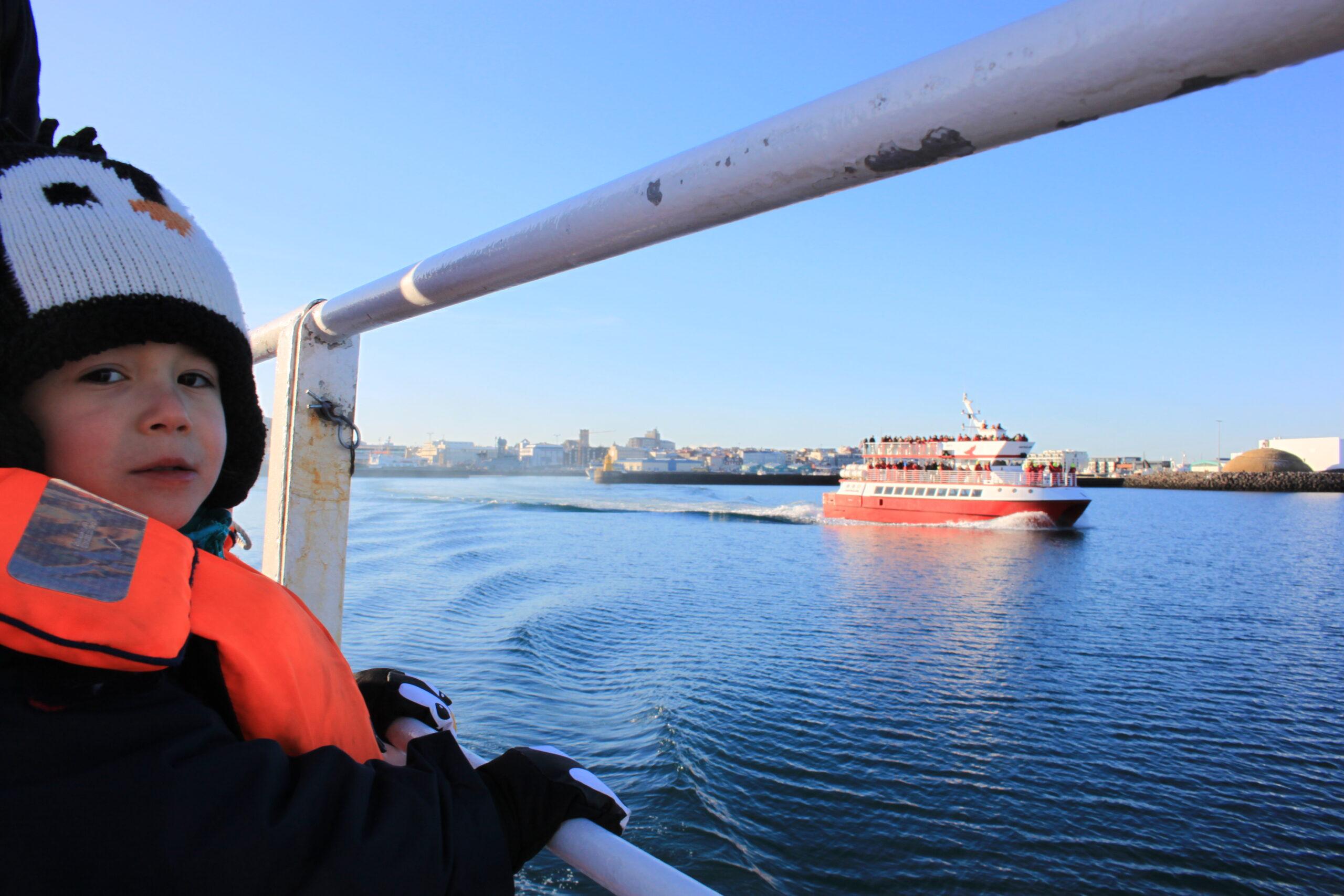
Or see a pod of dolphins and porpoises, too. If you head to the Reykjavík’s Old Harbour there are several companies offering daily whale watching trips. With price boards and staff on hand to answer any queries, you can simply pop along to find out more information. We chose to go with Elding, the Capital’s original tour operator and had a wonderful experience spotting white-beaked dolphins and a minke whale.
Iceland’s waters are home to minke whales, humpback whales, and various dolphin species. Summer months offer the best chance of sightings, though tours operate year-round.
Best experience: Full-day tours that combine whale watching with other activities
Wildlife to expect: Minke whales, humpback whales, white-beaked dolphins, and porpoises in their natural habitat
Practical tip: Choose operators offering warm suits and refreshments

Northern lights tours
During winter months (September-March), Reykjavik serves as the perfect base for northern lights hunting. While the city’s light pollution can interfere with viewing, many tour guides take small groups to the best spots outside the city for the best aurora borealis experiences.
Best time of year: October-February for the highest chance of clear, dark skies
Alternative: Perlan’s planetarium offers northern lights shows when weather doesn’t cooperate
Day trips from Reykjavik
Golden Circle – Iceland’s most popular route
The famous Golden Circle includes three of Iceland’s most iconic natural attractions – Þingvellir National Park, the Geysir Geothermal Area, and Gullfoss waterfall – all easily accessible from Reykjavik in a single day. This classic route showcases geysers, waterfalls, and the meeting point of tectonic plates.
Great way: Join a small group tour or rent a car for flexibility
Swim at the Blue Lagoon
You can’t come to Iceland and not swim at its most famous attraction, the Blue Lagoon. Excess water from a nearby geothermal plant is pumped into a large lagoon at a delightfully warm temperature of around 38°c – and renews itself every 40 hours. We spent a whole wet, and windy afternoon there, and it was an experience like no other. We all adored it.
Planning tip: Book well in advance and consider visiting en route to/from the airport
Cost: From €70-140 (£60-120) depending on package chosen
Address: The Blue Lagoon, Grindavík (20 minutes from Keflavik Airport, 45 minutes from Reykjavik)
Family tip: Children 2-13 enter free, but must wear water-wings if under 9 years old

South coast adventures
The south coast of Iceland features dramatic waterfalls, black sand beaches, and glaciers. Many day tours depart from Reykjavik, though it’s also accessible via the ring road for those planning a longer road trip around Iceland. See more here if you’re planning a 7 day Iceland itinerary.

Reykjavik with kids
Visiting Iceland with kids is easier than you think – read on to discover why. Not only did we see plenty of Icelanders over the weekend with their children in tow, and several playgrounds in the Reykjavík suburbs where we were staying, but all the locals we met either chatted to our son or gave him a wave or a smile.
Every restaurant/cafe we went to catered for his needs, and although there was nothing specifically targeted at keeping him occupied – our son was never bored – there were so many fun things to do in Reykjavik. And let’s not forget the snow. I defy any child not to be giddy with excitement at the powdery, deep snow that enveloped the whole city.
In nearly all cases, kids under 12 get into most attractions for free – yes, you read that right, there are free things to do in Reykjavik – and this includes transport, too – our bus transfers from the airport and to the Blue Lagoon saw our son ride for free. It certainly makes a nice change.
Head to Reykjavik Zoo and Family Park
Based in Laugardalur and next to the Botanical Gardens, the family park and zoo has enclosures filled with reindeer, farm animals, seals and arctic foxes, and there are several cold water tanks filled with fish. There is also a mini racetrack, child-sized bulldozers, a giant trampoline, boats and fairground rides. Open all year round, we escaped the bitter cold for a hot drink in the Coffee House.
Admission: Ages 6-12: ISK 1,170 (£6.90) 13+: ISK 1,700 (£10)
Address: Reykjavík Park and Zoo Fjölskyldu- húsdýragarðurinn – Múlavegur 2 – 104 Reykjavík
Perfect for: Families with children of all ages – plan for a half-day visit
Marvel at life-sized whales
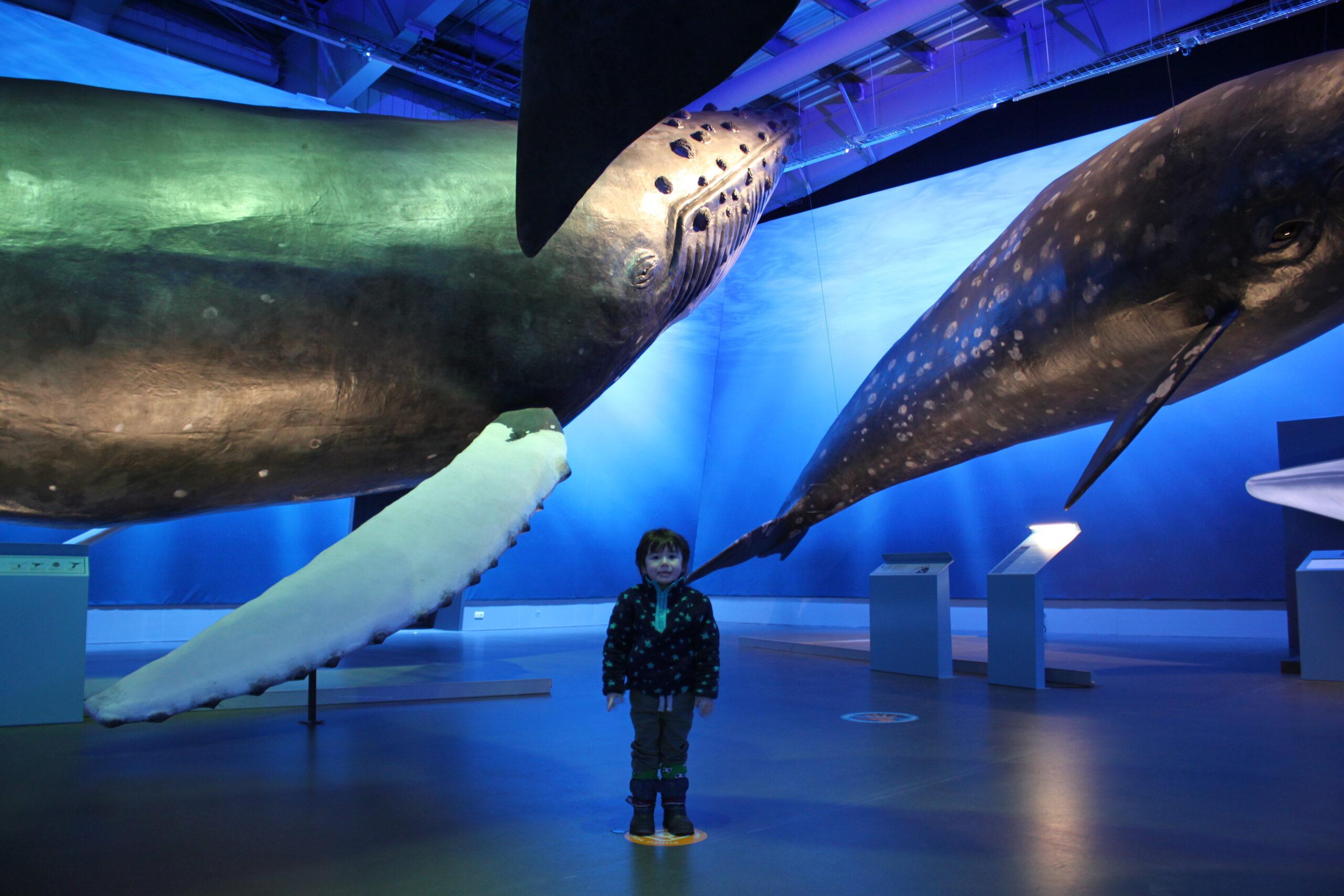
One of the most interesting and fun things to do in Reykjavik was learning about whales. Before we headed out on our whale watching trip, we thought it would be fun to take our son to see 23 life-sized models of whales found off the Iceland coast, including sperm and blue whale. Whale of Iceland is a new exhibition in what can only be described as a giant warehouse.
This impressive exhibition provides excellent preparation for whale-watching tours and includes interactive displays perfect for understanding marine life before seeing whales in their natural habitat.
Address: Whales of Iceland Fiskislóo 23-25
Great for kids: Hands-on learning about marine life
Ticket price: Around ISK 4,200 (£24.70) adult
Family swimming experiences
Iceland’s geothermal pools are perfect family activities. Children love the warm outdoor pools, especially during winter when steam rises around them. Most pools have dedicated children’s areas and slides.
Family tip: Bring your own towels or budget for rentals at each facility

More Iceland information
How to get to Reykjavik?
Most visitors arrive at Keflavik International Airport (KEF), located about 50km (31 miles) from Reykjavik city center. The airport serves as Iceland’s main international gateway with direct flights from Europe and North America.
From the airport to Reykjavik:
- Airport bus: Regular shuttle services (Flybus or Gray Line) run every 30-45 minutes, taking about 45 minutes to reach the city center. Cost: around ISK 3,500 (£25)
- Rental car: Most major car rental companies operate at the airport. The drive takes about 45 minutes via Route 41
- Private transfer: Taxis and private transfers available but more expensive
- Public bus: Route 55 connects the airport to Reykjavik but takes longer with multiple stops
Best option for families: The airport shuttle buses are family-friendly and often the most convenient, with some offering hotel drop-offs.
What is the currency?
Iceland uses the Icelandic króna (ISK), often simply called “króna” locally.
Practical currency tips:
- Exchange rate: Approximately ISK 140 = £1 (rates fluctuate)
- Card payments: Iceland is largely cashless – credit and debit cards are accepted almost everywhere, including for small purchases
- ATMs: Widely available throughout Reykjavik if you need cash
- Tipping: Not expected but appreciated for exceptional service (5-10%)
- Budget planning: Iceland is expensive – expect to pay premium prices for food, drinks, and activities compared to other European destinations
Getting around Reykjavik
Walking: The city centre is compact and easily walkable – most main attractions are within a short walk of each other
Public transportation: An efficient bus system covers the greater Reykjavik area
Hire a car: If you’re planning on exploring further afield from Reykjavik, then you’ll have more freedom hiring your own rental car.
Get a Reykjavík city card
With prices quite high in Iceland, it’s always worth bagging a bargain and the Reykjavík City Card is just the ticket. Not only does it offer free admission to the city’s municipal thermal pools and pretty much most of the main museums and galleries – but it also gives you free travel on the capital’s buses. And, while children enter free in most places – the Children’s City Card can take care of everything else.
This money-saving card provides excellent value for visitors planning to see multiple attractions – and also offers major discounts for lots of experiences.
Includes: Free entry to 17+ museums and galleries, all 8 geothermal swimming pools, unlimited bus travel within the Reykjavik capital area, Videy Island ferry, plus discounts at restaurants and shops. Available online here: A 72-hour card costs 9,500 ISK (£58).
When to visit
Summer months (June-August): Midnight sun, warmest weather, all attractions open, best for outdoor activities and whale watching
Winter months (September-March): Northern lights season, fewer crowds, cosy atmosphere, perfect for geothermal experiences
Best time of year: Depends on priorities – summer for activities, winter for aurora and budget travel
Popular places fill up: Book major attractions and restaurants in advance, especially during peak season
Frequently asked questions about visiting Reykjavik
How many days do you need in Reykjavik?
2-3 days is ideal for experiencing Reykjavik itself – enough time to see the main attractions, enjoy the food scene, and soak up the atmosphere without rushing. If you’re using Reykjavik as a base for day trips (Golden Circle, Blue Lagoon, South Coast), plan for 5-7 days total. You could easily spend longer if you’re the type who loves exploring neighbourhoods, trying every cafe, and soaking in pools.
Minimum: 24 hours if you’re just passing through on the way to the Ring Road
Sweet spot: 3 full days in the city + day trips
Is Reykjavik expensive?
Yes, Iceland is one of Europe’s priciest destinations. However, it’s manageable with planning. A meal at a mid-range restaurant costs ISK 3,000-5,000 (£22-36), a pint of beer costs around ISK 1,200 (£9), and attraction entry fees typically ISK 2,000-4,000 (£14-29).
Money-saving tips:
- Buy alcohol at duty-free on arrival (Icelandic alcohol prices are eye-watering)
- Eat the famous hot dogs (ISK 500/£3.50) and visit bakeries for affordable meals
- Stay in self-catering accommodation and cook some meals
- Many attractions offer free entry for children under 18
- Public swimming pools offer exceptional value (ISK 1,000/£7)
- Take advantage of free activities: walking, Harpa viewing, street art, nature reserves
Can you see Northern Lights from Reykjavik city?
Yes, but… Reykjavik’s light pollution makes viewing challenging. The Northern Lights (aurora borealis) are visible from September to March during dark, clear nights, but you’ll have much better chances if you drive 30-45 minutes outside the city or join a dedicated Northern Lights tour.
Best spots within Reykjavik: Grótta lighthouse, Seltjarnarnes peninsula, or areas along the eastern coastline away from downtown lights
Realistic expectations: Check the aurora forecast daily. You need KP index of 3+ and clear skies. Many visitors see Northern Lights from the plane arriving into Iceland but not from the ground. If it’s truly important to you, book a tour that guarantees rebooking if lights don’t appear.
Alternative: Perlan’s Northern Lights planetarium show lets you experience the aurora regardless of weather
What’s the best way to get from Keflavik Airport to Reykjavik?
Three main options:
Airport shuttle bus (best value for most): Flybus or Airport Direct run every 30-45 minutes, taking 45 minutes to city centre, costing around ISK 3,500 (£25) per adult. Some services include hotel transfers. Children often travel free or half-price.
Rental car (best for flexibility): Pick up at the airport and drive the 50km to Reykjavik via Route 41. Takes about 45 minutes. Essential if planning day trips or Ring Road adventure.
Taxi/private transfer (most expensive): Around ISK 20,000 (£140) for the journey. Only worth it for groups of 4+ splitting the cost or if arriving very late/early.
Our recommendation: Take the shuttle bus into Reykjavik, explore the city for 2-3 days, then pick up your rental car when you’re ready for day trips. This avoids paying for parking in the city centre.
Is Reykjavik safe?
Extremely safe. Iceland consistently ranks as one of the world’s safest countries. Violent crime is virtually non-existent, and Reykjavik feels safe to walk around at any hour, even during the legendary weekend pub crawl (runtur).
Sensible precautions: Watch your belongings in crowded tourist areas, don’t leave valuables visible in rental cars, and be cautious on icy pavements during winter. The biggest danger is slipping on ice, not crime.
Do I need to book attractions in advance?
For Blue Lagoon: Absolutely yes – it sells out weeks in advance during summer
For popular restaurants: Highly recommended – especially Friday/Saturday dinner slots
For most city attractions: Not essential but booking online often saves money and guarantees entry. FlyOver Iceland, Lava Show, and whale watching tours can sell out on busy days.
General rule: Summer (June-August) requires more advance planning. Winter offers more flexibility except around Christmas and New Year.
What should I pack for Reykjavik?
Layers are everything. Iceland’s weather changes constantly – you might experience four seasons in one day.
Essential items:
- Waterproof, windproof jacket (the wind is relentless)
- Warm fleece or wool layers
- Comfortable waterproof walking shoes with good grip
- Swimsuit (for hot pools and geothermal baths)
- Sunglasses year-round (the light is intense)
- Small daypack for day trips
Don’t overpack warm clothes – many visitors bring too much. Reykjavik’s winter temperatures are surprisingly mild (around 0°C) thanks to the Gulf Stream, though the wind creates serious chill factor.
Comments are closed.