Planning your 7-day Iceland itinerary? This comprehensive guide covers the best places to visit, from the Blue Lagoon to Northern Lights viewing spots. Whether it’s your first trip to Iceland or you’re returning for more adventures, seven full days provide enough time to explore Iceland’s most popular spots without feeling rushed.
Iceland isn’t your typical family holiday destination, but that’s exactly what makes it extraordinary. Everyone who visits seems to share the same sentiment: “Iceland is my favourite place in the whole world.” With Reykjavík consistently ranking as a top global destination, expectations run high – and Iceland delivers on every promise.
Essential Iceland trip planning guide
Planning a family trip to Iceland requires more preparation than your typical sun-soaked holiday. With so much to see and do, it’s vital to research not only where to spend your time but how to spend your budget wisely. Yes, Iceland isn’t cheap – but don’t let that deter you from this incredible destination.
The key to a successful Iceland trip lies in thoughtful preparation, from choosing the right accommodation to packing appropriate clothing for the unpredictable weather conditions.

Why we chose a self-drive tour
If you have longer to explore, the option of a self-drive adventure is a great way of seeing more of the countryside without the hassle of sticking to schedules and waiting around for other tourists. So we opted to go on a self-drive around the south of the island, which not only organised our car hire but our accommodation, too – a converted farmhouse in the middle of nowhere to increase our chances of seeing the Northern Lights. We felt this was the best way to utilise the time we had for our 7 day Iceland itinerary.
The self-drive option offers unparalleled freedom compared to organised tours. You can stop whenever breathtaking scenery demands a photo, spend extra time at waterfalls that captivate you, and avoid the crowds by visiting popular spots at different times than the tour groups. With companies like Hey Iceland offering comprehensive packages including rental cars, accommodation, and route planning, it’s easier than ever to create your own adventure whilst supporting local businesses.
Key benefits of self-drive tours:
- Complete flexibility with your schedule and extra time at favourite spots
- Ability to discover hidden gems off the main tourist trail
- Freedom to avoid crowds at the most popular attractions
- Best option for families with young children who need frequent stops
- Opportunity to change plans based on weather conditions
Why 7 Days is perfect for your Iceland trip
A 7-day itinerary strikes the perfect balance, giving you plenty of time to experience the entire island’s highlights whilst allowing for flexibility with weather conditions. This best option covers Iceland’s Golden Circle, south coast, and provides extra time for unique experiences like ice caves and hot springs.
Day 1: Arrive in Reykjavík and explore the capital
Your Iceland adventure begins in Reykjavík, the world’s northernmost capital. Most flights from Europe arrive early morning, giving you a full day to explore even on arrival day.
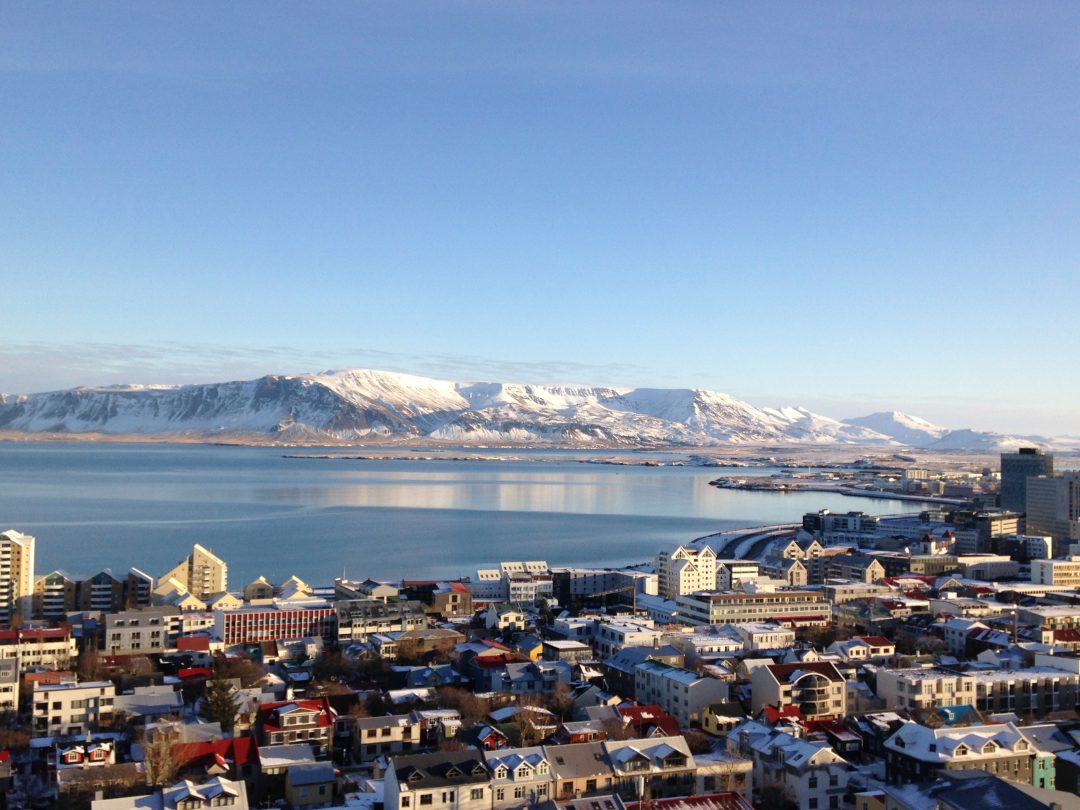
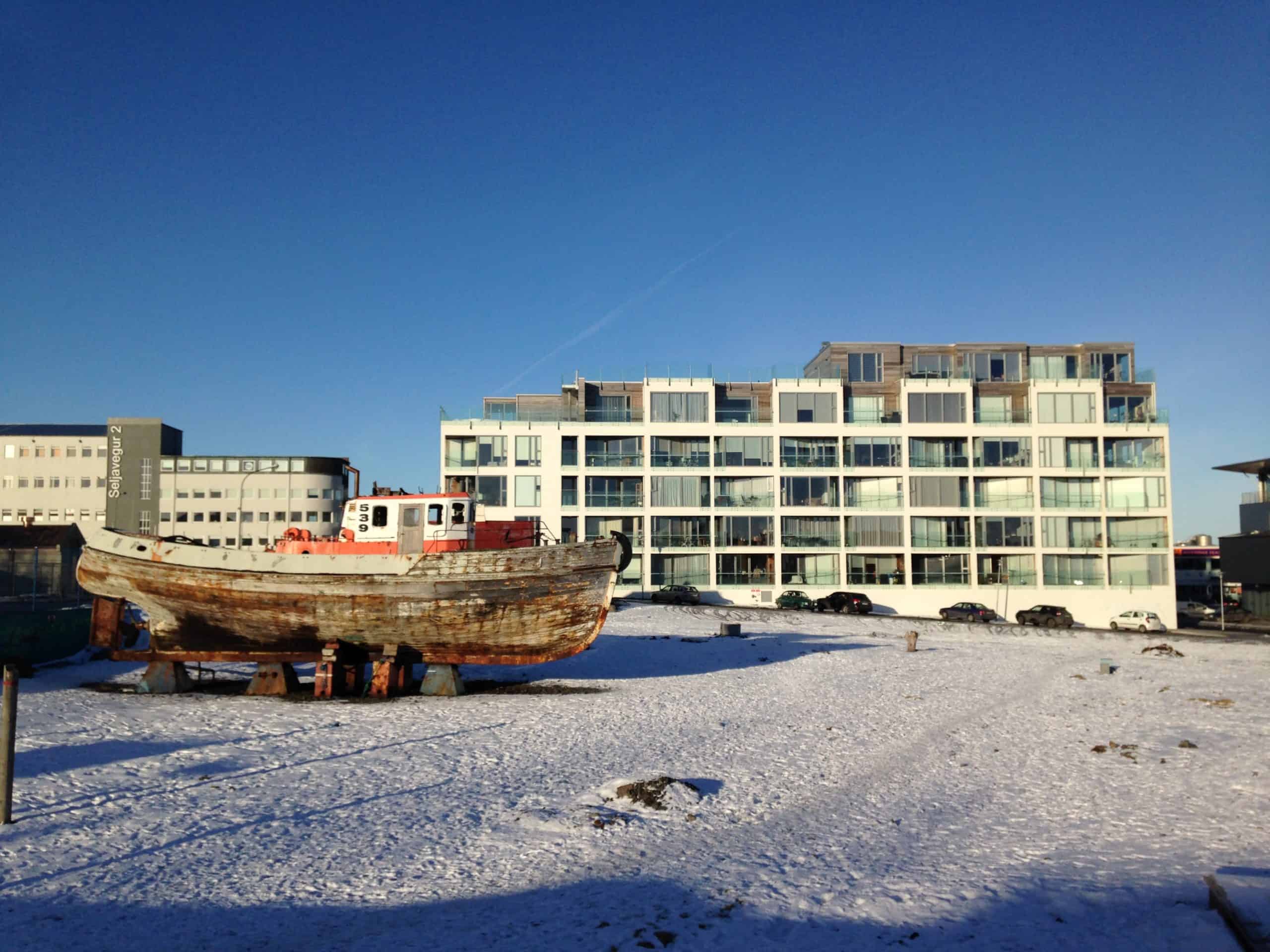
Spending your first day in the capital is essential. Reykjavík serves as the perfect base, offering easy access to attractions while providing a taste of Icelandic culture. From uber-cool city vibes against snow-capped mountains to the raging Atlantic Ocean, the capital provides much to digest. We spent a lot of time wandering the city.

Best things to do in Reykjavík
From Reykjavík, day trips open up endless possibilities. Here is my comprehensive guide to the best things to do in Reykjavík. For a little taster of what you can experience in just a day:
- Explore the colourful streets and vibrant café culture
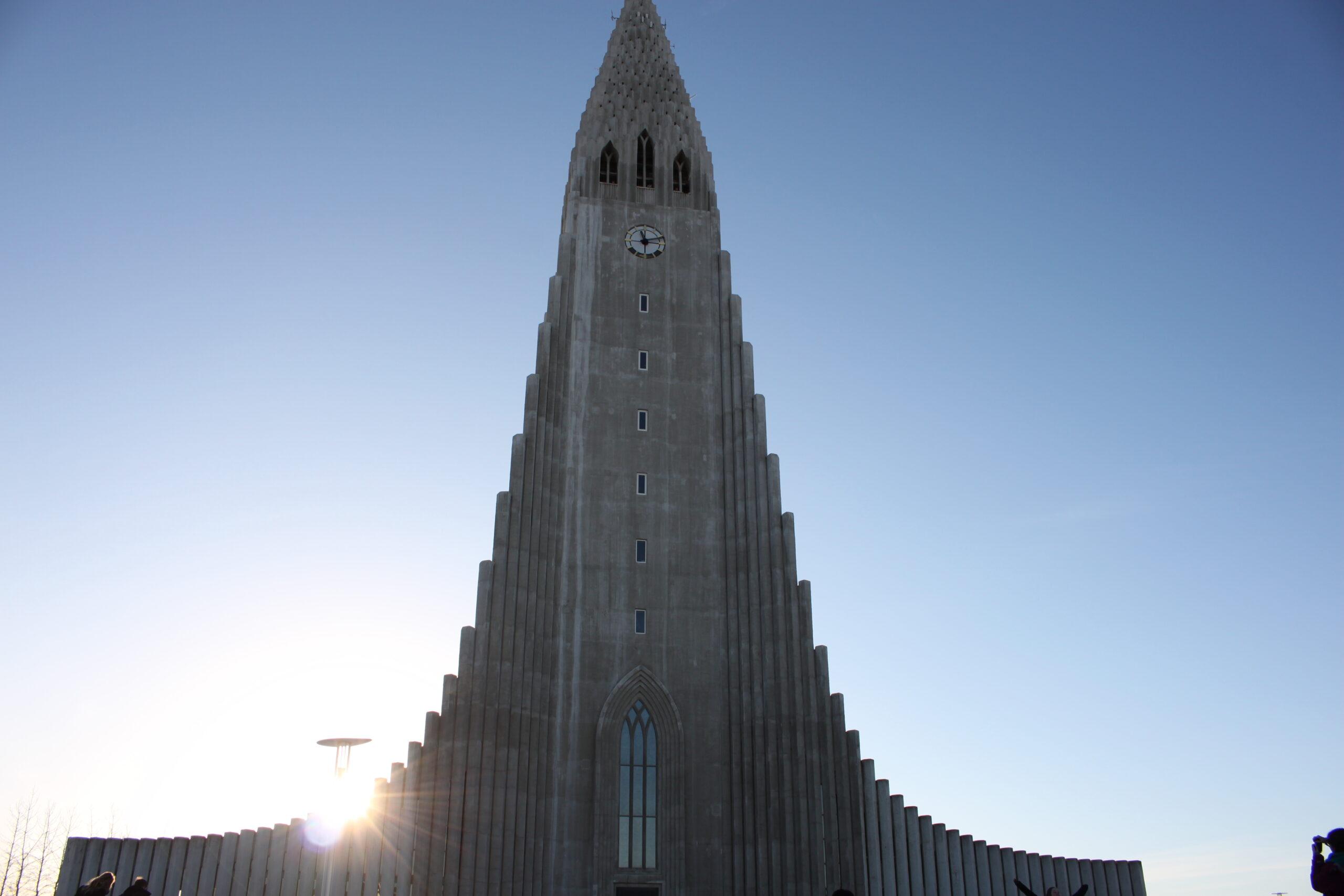
- Visit Hallgrímskirkja church for panoramic city views (entry £8)
- Visit the botanical gardens
- Learn about Viking history at the Settlement Exhibition
- Take a whale watching tour (approximately £70-90 per person)
For a full guide on the best things to do in Reykjavík, check out this guide.

Blue Lagoon option
If you arrive early and want to maximise your day, consider visiting the Blue Lagoon on your way from Keflavík Airport to Reykjavík. Located just 20 minutes from the airport, this iconic geothermal spa offers the perfect way to shake off jet lag. Admission starts at £55 for Comfort entry, though booking several weeks in advance often secures better rates. The Blue Lagoon can get extremely busy, so advance booking is essential.
Here are my Blue Lagoon Iceland tips.
Practical details for day 1:
- Keflavík Airport to Reykjavík centre: 45 minutes (50km)
- Most hotels allow early check-in around 2-3pm
- Restaurant dinner for two: £50-80
- Parking in central Reykjavík: £3-5 per hour
Where to stay: Central Reykjavík puts you within walking distance of restaurants, shops, and attractions. See the accommodation section below for specific recommendations.
Day 2: Continue exploring Reykjavík or start the Golden Circle
Depending on how much time you want in the capital, you have two options for day 2:
Option A – Second full day in Reykjavík: If you’d like three full days in the capital before heading out (particularly good for families with young children who prefer a slower pace), spend today exploring more of Reykjavík. Visit museums, try Icelandic cuisine, or take a morning whale watching tour.
Option B – Begin the Golden Circle: For those eager to see Iceland’s natural wonders, you can start the Golden Circle route today and complete it tomorrow before heading to your farmhouse accommodation.
Our approach: We spent time in Reykjavík initially, which allowed us to adjust to the time difference and stock up on groceries at Bónus supermarket before heading into the countryside.
Day 3: The Golden Circle route
Iceland’s Golden Circle remains one of the best ways to see multiple attractions in a whole day. This classic route covers three major stops – Þingvellir National Park, the Geysir Geothermal Area, and Gullfoss waterfall. All three are within a few hours from Reykjavík and can easily be seen in one day – which is why so many day excursions are available.
Þingvellir National Park – where tectonic plates meet
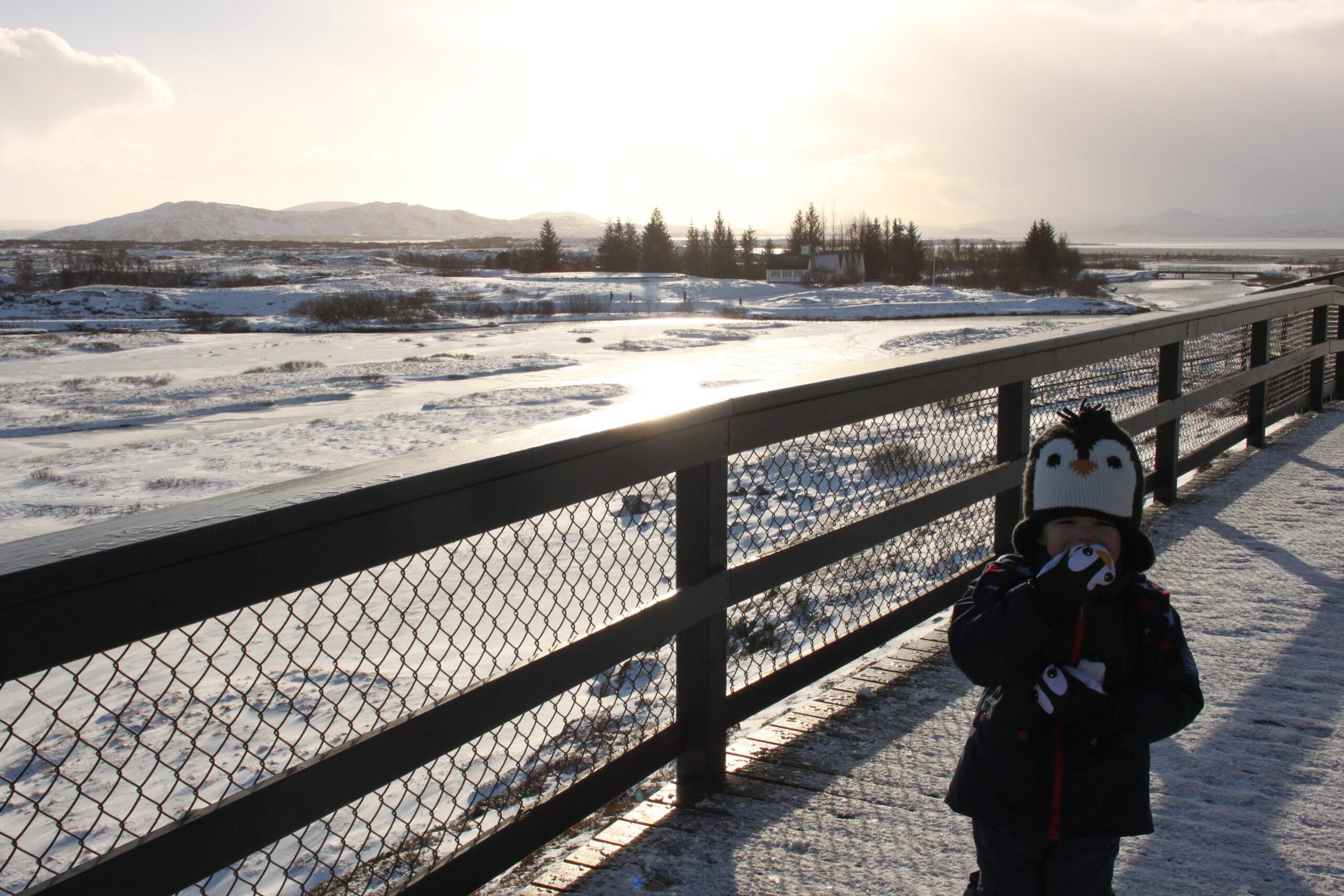
Your first stop on the Golden Circle, Þingvellir National Park offers more than scenic beauty. This UNESCO World Heritage site sits between North American and European tectonic plates. The parking area (£5) provides easy access to walking trails and the historic Alþing parliamentary site.
Drive time from Reykjavík: 45 minutes (50km)

Geysir Geothermal Area
Watch geysers explode from the ground in this remarkable geothermal area. The main attraction, Strokkur, erupts every 5-10 minutes, making it an exciting photo opportunity. Highlights for us was watching the geysers exploding from the ground and all of us squealing in delight.
Drive time from Þingvellir: 50 minutes (60km)
Parking: Free
Gullfoss waterfall
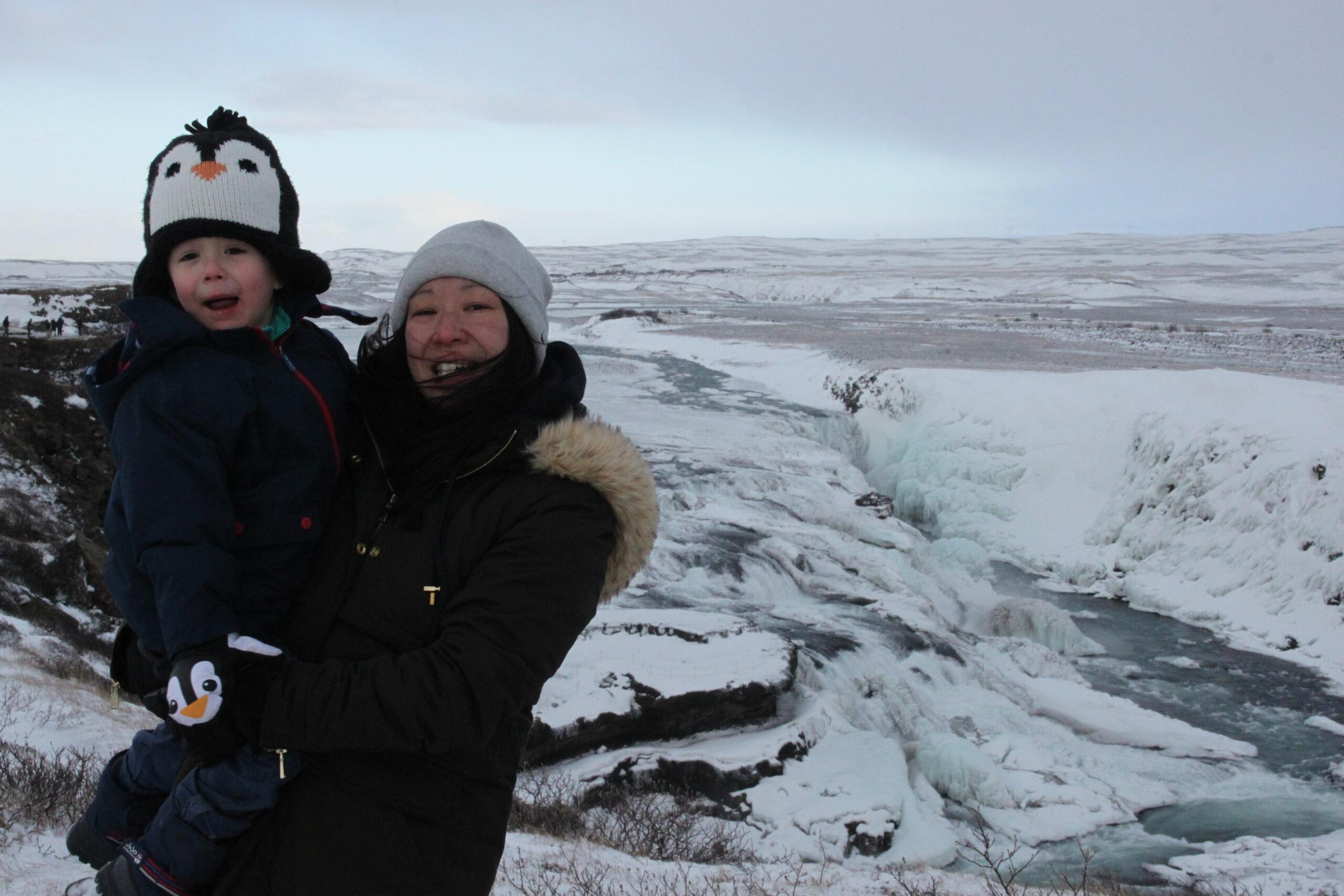
One of Iceland’s best waterfalls, Gullfoss thunders down two tiers into a deep canyon. The short walk from the parking lot (£5) leads to multiple viewing platforms. We loved watching the raw power of Gullfoss’ thundering torrents. Even though it was extremely cold, slippery and icy on foot, it was great knowing that we had the freedom of our car to get back into the warmth.
Drive time from Geysir: 10 minutes (10km)
Tip: Having your own rental car provides freedom to avoid crowds and stay as long as desired. Most tour groups stick to tight schedules, so setting off later helps avoid the busiest times. The entire Golden Circle route covers approximately 300km and takes 6-7 hours with stops.
Evening: Transfer to your farmhouse accommodation
After completing the Golden Circle, drive to your countryside accommodation for the next few nights. We stayed in a converted farmhouse in the middle of nowhere to increase our chances of seeing the Northern Lights. The drive from Gullfoss to accommodation near Selfoss or Hella typically takes 30-45 minutes.
Northern Lights opportunity:
After getting to our farmhouse that evening, we were all knackered – but not too tired to be woken up to see the Aurora Borealis shimmering emerald green in the night sky. It was a truly breathtaking moment. And I would highly recommend staying in the Icelandic countryside, where there is absolutely no light pollution. It would be tough to take young kids on a nighttime Northern Lights expedition, so like our hotel, you’ll be woken up if there are any sightings.

Day 4: Day trip to Vík and Reynisfjara Black Sand Beach
Rather than packing up and moving accommodation, we used our farmhouse as a base for exploring the south coast. The drive from the Selfoss/Hella area to Vík takes approximately 1 hour 45 minutes, making it perfectly manageable as a day trip – particularly valuable when travelling with young children who appreciate not constantly changing hotels.
Route: From your farmhouse, head east on Route 1 towards Vík. You’ll pass Skógafoss waterfall (save this for tomorrow on your return journey) and arrive at the dramatic landscapes around Iceland’s southernmost village.
Reynisfjara Black Sand Beach
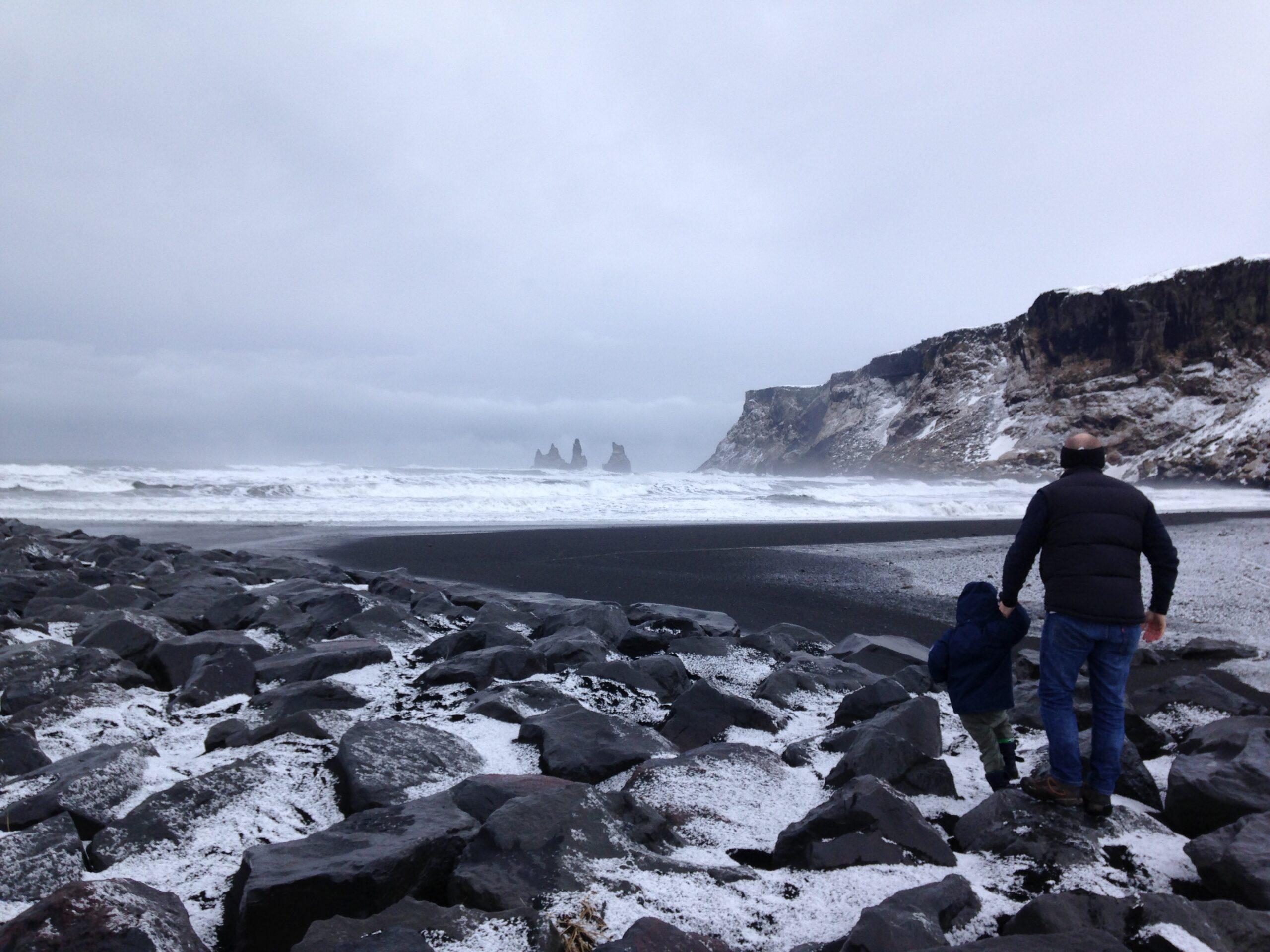
Reynisfjara Black Sand Beach rewards visitors with achingly beautiful views across remarkable lava formations, majestic cliffs, and basalt sea columns. In summer months, nesting puffins add extra charm, but we think we appreciated the panorama even more, dusted in white. We spent hours just walking along the beach – it was mesmerising.
The black sand, towering basalt columns, and powerful waves create an otherworldly landscape. Monkey was fascinated by the volcanic sand – so different from any beach they’d experienced before.
Drive time from Selfoss area: 1 hour 45 minutes (130km)
Parking: £7 at Reynisfjara car park
Important safety warning: Be extremely cautious of sneaker waves and never turn your back on the ocean. The powerful waves can appear suddenly and have caught visitors off guard. Stay well back from the water’s edge, particularly with children.
Exploring Vík village
This small town offers limited services but serves as a great place to refuel and grab supplies from the local grocery store. The iconic white church on the hill provides excellent views over the black sand beaches and the Reynisdrangar sea stacks.
Lunch options in Vík:
- Súpurnar: Simple soup restaurant, perfect for warming up (£12-15 per person)
- Halldórskaffi: Traditional Icelandic food (£20-30 per main)
- Smidjan Brugghús: Brewery with burgers and pizzas (£18-28 per main)
Return journey:
Drive back to your farmhouse in the late afternoon (1 hour 45 minutes). This gives you another evening opportunity for Northern Lights viewing from your accommodation – one of the key benefits of staying in the countryside for two nights rather than rushing through different hotels each day.
Total driving for the day: Approximately 260km round trip. While this might sound like a lot, Route 1 is well-maintained and the scenery makes the journey part of the experience. We found that having our own car allowed us to stop whenever we wanted for photos and to let the children stretch their legs.
Day 5: Skógafoss waterfall and head back west
On your way back from your farmhouse towards Reykjavík (or wherever you’re staying next), stop at Skógafoss – one of Iceland’s most magnificent waterfalls.
While Gullfoss ranks among Iceland’s most famous waterfalls, the country boasts over 10,000 waterfalls! And the one waterfall that we really fell in love with is Skógafoss.

Skógafoss Waterfall: Our must-see
This magnificent waterfall drops 60m directly from two glaciers: Eyjafjallajökull and Mýrdalsjökull. It’s staggering because the waterfall comes directly from two glaciers. You can walk right up to it, though, prepare to get wet! Then prepare yourself to climb the 527 steps to the top. I promise the view over the Icelandic coastline is phenomenal. And we managed it with a four-year-old in the middle of winter.
Tip: Visit during sunny weather for spectacular rainbows in the mist. The short hike to the top offers completely different perspectives.
Secret Lagoon – A less busy hot springs experience
After our morning exploring Skógafoss, we headed to the relaxing heat of Gamla Laugin – or as it’s better known as the Secret Lagoon. It is so much quieter than the Blue Lagoon, albeit a bit more rustic and basic.
The water maintains a comfortable temperature year-round, making it perfect for relaxing after a day of sightseeing. Unlike some attractions, there’s no extra cost beyond the entrance fee.

Day 6: Flexible day or additional activities
After leaving your countryside farmhouse and visiting Skógafoss and Secret Lagoon, you have flexibility for your final full day before departure. Options include: **
Option A – Return to Reykjavik early: Spend the afternoon and evening exploring any missed attractions in the capital, shopping for souvenirs, or enjoying a final restaurant meal.
Option B – Explore nearby areas: Visit Kerið volcanic crater (£4 entry, 40 minutes from Selfoss) or other Golden Circle extensions you missed earlier.
Option C – Relaxing day: If you’ve packed a lot into the previous days, use today to rest, do laundry, organise photos, and prepare for departure. We used this as a relaxed day back in Reykjavik, which gave us time to decompress before our flight home.
Day 7: Return to Reykjavík
Your last day allows for final city exploration before heading to Keflavík Airport. Use the morning to pick up souvenirs, enjoy one last café experience, or visit any missed attractions.
Tip: Allow enough time for the drive to Keflavík Airport – typically 45 minutes from Reykjavík, but factor in weather conditions and potential delays.
Where to stay on your 7-day Iceland itinerary
One of the most important decisions for your Iceland trip is where to base yourself each night. We found that staying in the countryside for two consecutive nights (rather than moving hotels daily) worked brilliantly with young children and maximised our Northern Lights viewing opportunities.
Nights 1-2: Reykjavík
For your first night (and potentially second night if you want more time in the capital), stay in central Reykjavík for easy access to restaurants, shops, and attractions.
Family-friendly options:
CenterHotel Þingholt – Central location on Þingholtsstræti, spacious rooms perfect for families, breakfast included. Expect to pay £120-180 per night for a family room.
Reykjavik Residence Hotel – Apartment-style accommodation with kitchenettes, ideal if you want to prepare your own meals. Located in the heart of downtown with free cribs available. Budget £140-200 per night.
Black Pearl Apartment Hotel – Serviced apartments with fully equipped kitchens, sleeping up to 6 people. Perfect for families wanting more space. Located centrally but can be noisy due to nearby nightlife. From £180 per night for larger apartments.
Booking tip: Reykjavík hotels fill up quickly in summer (June-August), so book at least 2-3 months ahead. Winter months offer more flexibility and often better rates.

Nights 3-4: Countryside farmhouse near Golden Circle
This is the key to a successful Iceland family trip. Staying in the countryside for two consecutive nights means:
- You unpack properly and settle in
- Children get comfortable in one place
- Two evenings of Northern Lights opportunities without moving
- No exhausting daily hotel changes
- A genuine base from which to explore
We used Hey Iceland’s self-drive package, which included a converted farmhouse accommodation called Hótel Lækur in a remote location – perfect for Northern Lights viewing. The package included car hire and accommodation planning, which simplified everything enormously.
If booking independently, look for:
Farmhouse guesthouses near Selfoss/Hella/Hvolsvöllur – Authentic Icelandic farms offering guest rooms, typically £100-150 per night for family rooms. Many offer Northern Lights wake-up services where staff will knock on your door if Aurora activity is spotted.
Self-contained cottages – If you want more privacy and kitchen facilities, look for cottages in the Hella or Hvolsvöllur area (£120-180 per night). Having a kitchen is particularly valuable when you return from day trips and children are tired.
Hotel South Coast in Selfoss – More hotel-style accommodation if you prefer modern amenities over rural charm, from £130 per night.
Why this location works perfectly:
- 30-45 minutes from Golden Circle attractions
- 1 hour 45 minutes to Vík (manageable day trip)
- 50 minutes to Skógafoss
- Complete darkness for Northern Lights
- Central enough to explore without constant driving
Why staying two nights matters: The lack of light pollution dramatically increases your Northern Lights viewing chances. Many rural accommodations offer wake-up calls if Aurora activity is spotted – invaluable when travelling with young children who need their sleep but don’t want to miss the spectacle.

Nights 5-6: Flexibility based on your schedule
After leaving your farmhouse, you have options depending on your flight departure time and what else you want to see:
Option A – Return to Reykjavík area (most common): If your flight departs after 2pm, base yourself back in Reykjavík for your final 1-2 nights. This allows for final souvenir shopping, restaurant visits, and easy airport access.
Option B – Stay near Skógafoss/south coast: If you want to maximise time at Skógafoss and other south coast attractions, stay in the area for a night (guesthouses typically £100-140) before returning to Reykjavík for your final night.
Option C – Near Keflavík Airport: For very early flights (common on transatlantic routes), stay near the airport your final night (£90-130 per night). The 45-minute drive to the airport in winter darkness isn’t fun – staying nearby eliminates stress.
Our actual accommodation strategy
We stayed:
- Night 1: Reykjavík city centre
- Nights 2-3: Countryside farmhouse (Golden Circle access + Northern Lights base)
- Night 4: Moved towards Skógafoss area
- Night 5: Near Reykjavík/airport area
This pattern minimised accommodation changes (only moved twice in 5 nights) while maximising what we could see. The two-night farmhouse stay was absolutely the right decision.
Accommodation booking strategy
Book early for summer travel: June-August accommodation books out 3-4 months ahead, especially countryside options with Northern Lights viewing potential.
Winter offers flexibility: November-March generally has better availability and lower rates, though options are more limited in rural areas.
Consider self-catering: Accommodation with kitchens helps reduce Iceland’s notoriously high food costs. Even preparing breakfast and lunch saves £30-50 per day for a family.
Prioritise the farmhouse: When booking independently, secure your countryside accommodation first (this books fastest), then fill in city stays. Reykjavík always has more availability.
Check cancellation policies: Iceland’s weather is unpredictable. Flexible cancellation policies provide peace of mind if roads close due to weather.
Essential packing for your Iceland adventure
Winter months clothing essentials
Visiting Iceland in winter requires serious preparation. With temperatures ranging from 5°C to -10°C, plus sudden snow storms, proper clothing becomes crucial for enjoying your outdoor activities. Remeber there’s not such thing as bad weather, only bad clothing.
Essential items include:
- Multiple base layers and thermal underwear
- Waterproof outer jacket and trousers
- Insulated, waterproof boots with good grip (preferably worn in)
- Warm hat, gloves, and scarf
- Wool or synthetic socks (avoid cotton)
Tip: Many visitors underestimate how waterproof gear affects comfort. Iceland’s weather can change rapidly, and you’ll encounter mist from waterfalls regardless of the season.
Summer months preparation
Even during summer months, Iceland’s weather remains unpredictable. Pack layers you can add or remove as conditions change throughout your days of sightseeing.
What your 7-day Iceland itinerary will actually cost
Iceland’s reputation as an expensive destination is well-earned, but with smart planning, you can control costs without sacrificing the experience. Here’s a realistic breakdown of what our family trip cost, along with ways to reduce expenses.
Accommodation: £700-950 for the week
Our spending: We paid approximately £800 through our Hey Iceland self-drive package, which included:
- 1 night in Reykjavík (£140)
- 2 nights in countryside farmhouse (£260 total – £130/night)
- 2 nights moving back towards Reykjavík/south coast (£280 total)
- 1 night near airport (£120)
Why staying 2 nights at the farmhouse saved money: We didn’t need to book expensive Vík accommodation (typically £140-180/night), instead using our farmhouse as a base for the Vík day trip. This saved approximately £280-360 compared to moving accommodation daily.
Budget option: Staying in guesthouses or hostels with private family rooms reduces this to £550-650 for the week.
Luxury option: High-end hotels with premium amenities will cost £1,400-2,000 for the week.
Money-saving tip: Book accommodation with kitchen facilities for at least 3-4 nights. Self-catering even just breakfast and lunch saves significant money.
Car hire and fuel: £550-750 total
Car hire: Through our Hey Iceland package, the rental car cost approximately £380 for 7 days including basic insurance. Booking independently through comparison sites in 2025, expect:
- Small 2WD car (summer only): £280-350
- 4WD vehicle (essential for winter): £380-500
- Premium insurance (highly recommended): Add £80-120
Fuel costs: We spent approximately £180 on petrol over the week. Our actual driving:
- Keflavík to Reykjavík: 50km
- Reykjavík to Golden Circle loop: 300km
- Golden Circle area to Vík day trip: 260km (round trip from farmhouse)
- Various Golden Circle exploration: 100km
- Farmhouse to Skógafoss to Reykjavík: 180km
- Total: Approximately 900km
Petrol in Iceland costs roughly £1.60-1.75 per litre (January 2026: 300-315 ISK).
Parking fees: Budget £25-35 for the week. Most attractions charge £4-7 for parking:
- Þingvellir: £5
- Gullfoss: £5
- Reynisfjara: £7
- Seljalandsfoss: £7
- Skógafoss: Free
Money-saving tip: Fill up in towns rather than rural N1 stations which charge premium prices. Download the Gasvaktin app to find cheapest petrol. We saved approximately £15-20 by being strategic about where we filled up.
Food and dining: £450-650 for a family
This varies dramatically based on whether you eat in restaurants or self-cater.
Our realistic mid-range spending:
- Breakfast: Self-catered at accommodation using groceries from Bónus (£8-10 per day for family)
- Lunch: Mix of packed sandwiches and quick café stops (£20-30 per day)
- Dinner: Restaurant meals 3-4 nights, self-catered 3-4 nights (£80-120 per restaurant meal)
- Total: Approximately £500-550 for the week for our family
Sample costs you’ll encounter:
- Bónus supermarket shop for 2 days (bread, cheese, pasta, vegetables, milk): £25-30
- Hot dog from petrol station: £5-6
- Café soup and bread: £12-15
- Family restaurant dinner: £80-120
- Fish and chips: £18-22 per person
- Coffee: £4-5
- Bottle of wine at restaurant: £35-50
Our actual Vík day trip lunch: £58 for family of four at Halldórskaffi (we shared dishes)
Budget approach: Self-cater all meals except 1-2 restaurant experiences. Shop at Bónus supermarkets (cheapest option). Budget £300-350 for the week.
Money-saving tip: Stock up at Bónus in Reykjavík before heading to countryside. The large Bónus on Laugavegur or near Kringlan mall has excellent selection. We bought enough supplies for breakfasts and 3-4 self-catered dinners, which significantly reduced costs.
Activities and attractions: £371-386 per family
What we actually paid for:
- Blue Lagoon: £110 for family (Comfort level)
- Secret Lagoon: £46 for family (2 adults @ £22 each, 2 children @ £1 each)
- Whale watching with Elding: £150-160 for family (2 adults @ £76 each, children under 7 free)
- Parking at various attractions: £30
- Total: £336-346
What was completely free:
- All waterfalls except parking (Gullfoss, Skógafoss, Seljalandsfoss)
- Reynisfjara Black Sand Beach (just £7 parking)
- Þingvellir National Park (£5 parking)
- Geysir area (free parking)
- All scenic viewpoints and hiking trails
- Northern Lights viewing (weather dependent!)
- Exploring Vík village
Optional extras we didn’t do but many travellers add:
- Glacier hiking: £100-150 per person (£400-600 for family)
- Ice cave tour: £130-160 per person (£520-640 for family)
- Snowmobiling: £150-180 per person
Budget approach: Skip the Blue Lagoon in favour of Secret Lagoon only (saves £110). Focus on free natural attractions. Budget £76-106 for just Secret Lagoon and parking.
Family tip: The Secret Lagoon was excellent value for us. Less crowded, more relaxed atmosphere, and Monkey loved the more natural setting. At £46 for the whole family versus £110 for Blue Lagoon, it’s significantly more affordable while still providing an authentic geothermal experience.
Total realistic Iceland budget for a family of four
Our actual mid-range trip: £2,206-2,396 (approximately £315-342 per day)
- Accommodation: £800
- Car hire + fuel: £560
- Food: £500-550
- Activities: £336-346 (Blue Lagoon, Secret Lagoon, whale watching, parking)
- Total: £2,196-2,256
Plus flights: £3,196-3,856 for complete trip (flights £250-600 per person = £1,000-2,400 for family of 4)
Budget-conscious trip: £1,926-2,226 (approximately £275-318 per day)
- Basic guesthouses throughout: £550-650
- Self-catering most meals (shop at Bónus): £300-350
- Secret Lagoon only (skip Blue Lagoon and whale watching): £46 + parking £30 = £76
- 2WD car in summer: £280 + fuel £160 = £440
- Total: £1,366-1,526 excluding flights
Mid-range trip (our approach): £2,196-2,476 (approximately £314-354 per day)
- Comfortable accommodation mix: £800
- Some restaurants, some self-catering: £500-600
- Both lagoons + whale watching: £336-346
- 4WD car for winter: £380 + fuel £180 = £560
- Total: £2,196-2,306 excluding flights
Comfortable splurge trip: £4,346-4,946 (approximately £621-706 per day)
- Nice hotels throughout (£150-200/night): £1,400-1,600
- Eating out most meals: £800-1,000
- Multiple paid activities: Both lagoons (£156), whale watching (£150-160), glacier hiking (£400-600), ice cave tour (£520-640)
- Premium car rental with full insurance: £500 + fuel £200 = £700
- Total: £3,626-4,006 excluding flights
Why our approach balances cost and experience
Worth the splurge:
- Both lagoons – Blue Lagoon is iconic and impressive (£110), Secret Lagoon is authentic and relaxed (£46). Doing both gave us the full spectrum of Iceland’s geothermal experiences. Combined cost: £156.
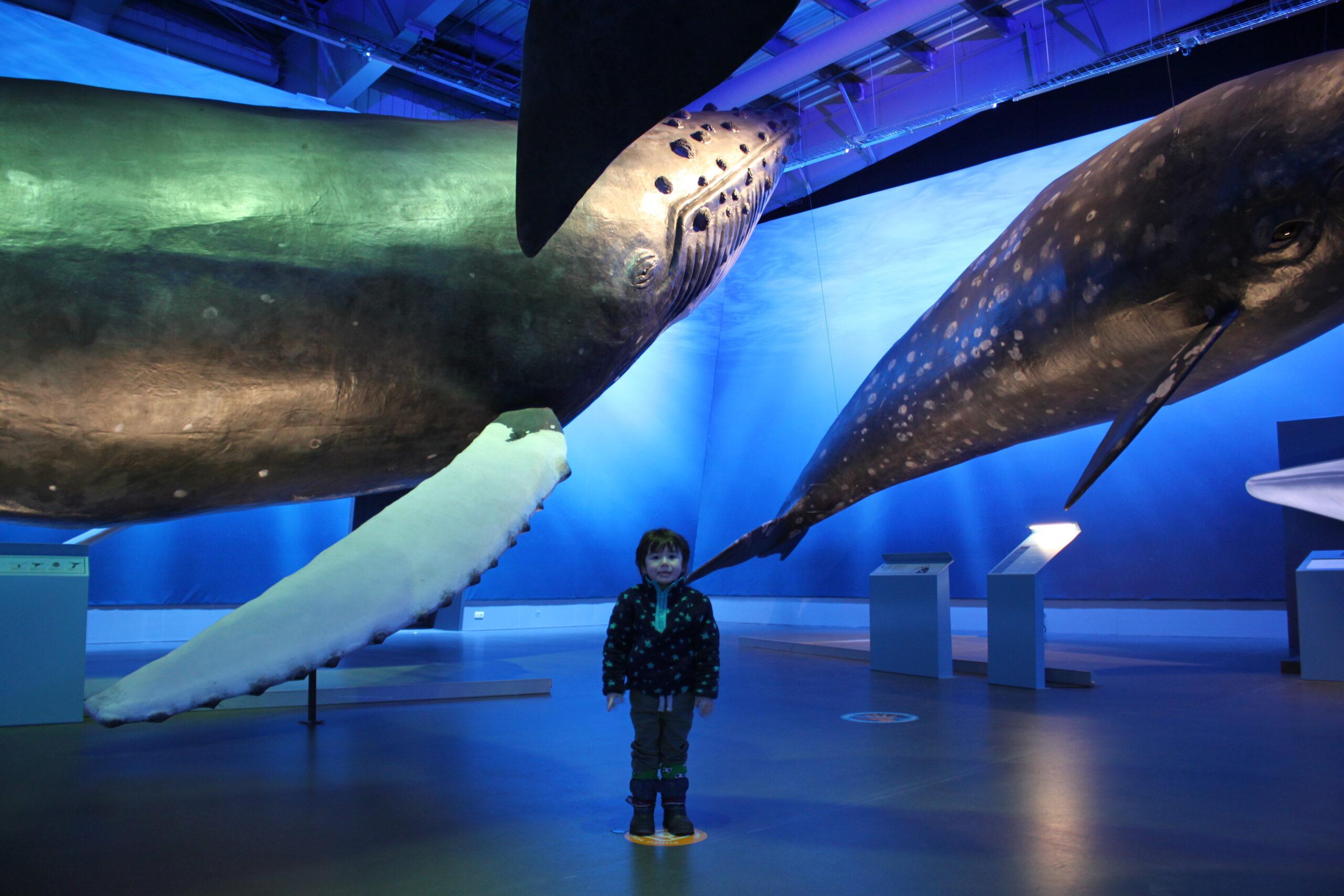
- Whale watching – Seeing minke whales in their natural habitat was magical. One of Monkey’s favourite memories from the trip. Cost: £150-160 for family.
Smart savings:
- Two nights at farmhouse – Saved £280-360 on Vík accommodation by using farmhouse as base for day trip
- Strategic self-catering – Breakfasts and 4 dinners at accommodation saved approximately £300-400
- Skipping expensive tours – Glacier hiking (£400-600 for family) and ice caves (£520-640 for family) would have nearly doubled our activities budget
Our activities total (£336-346) vs budget approach (£76): We spent an extra £260-270 on activities, but the experiences we gained—both geothermal spas and watching whales breach in Faxaflói Bay—are what we still talk about years later. The free waterfalls and black sand beaches are stunning, but the paid experiences added a different dimension to the trip.
Practical money-saving strategies
Use credit cards everywhere: Iceland is virtually cashless. Credit cards are accepted even at remote attractions. Use a card with no foreign transaction fees to avoid extra charges.
Shop at Bónus supermarket: This discount supermarket chain (pink pig logo) offers the cheapest groceries in Iceland. Our big shop before countryside stay: £60 covered all breakfasts and 3 dinners for the family. Bónus locations in Reykjavík, Selfoss, and most larger towns.
Fill up water bottles: Iceland’s tap water is pure glacial water – delicious and completely safe. No need to buy bottled water, saving £3-4 per bottle.
Book activities directly: Blue Lagoon and Elding whale watching both offer better prices booking directly through their websites rather than through hotels or tour operators.
Time your restaurant meals strategically: Many Reykjavík restaurants offer happy hour specials (typically 4-6pm) with 20-30% off food and drinks.
Fill up at independent petrol stations: Avoid N1 stations on Route 1 when possible – independent stations in towns are typically £0.10-0.15 per litre cheaper. Use the Gasvaktin app to find cheapest fuel.
Pack snacks from home: Bringing energy bars, instant porridge sachets, and kids’ snacks from home saves buying expensive equivalents in Iceland (a granola bar can cost £3-4).
Route planning and realistic expectations
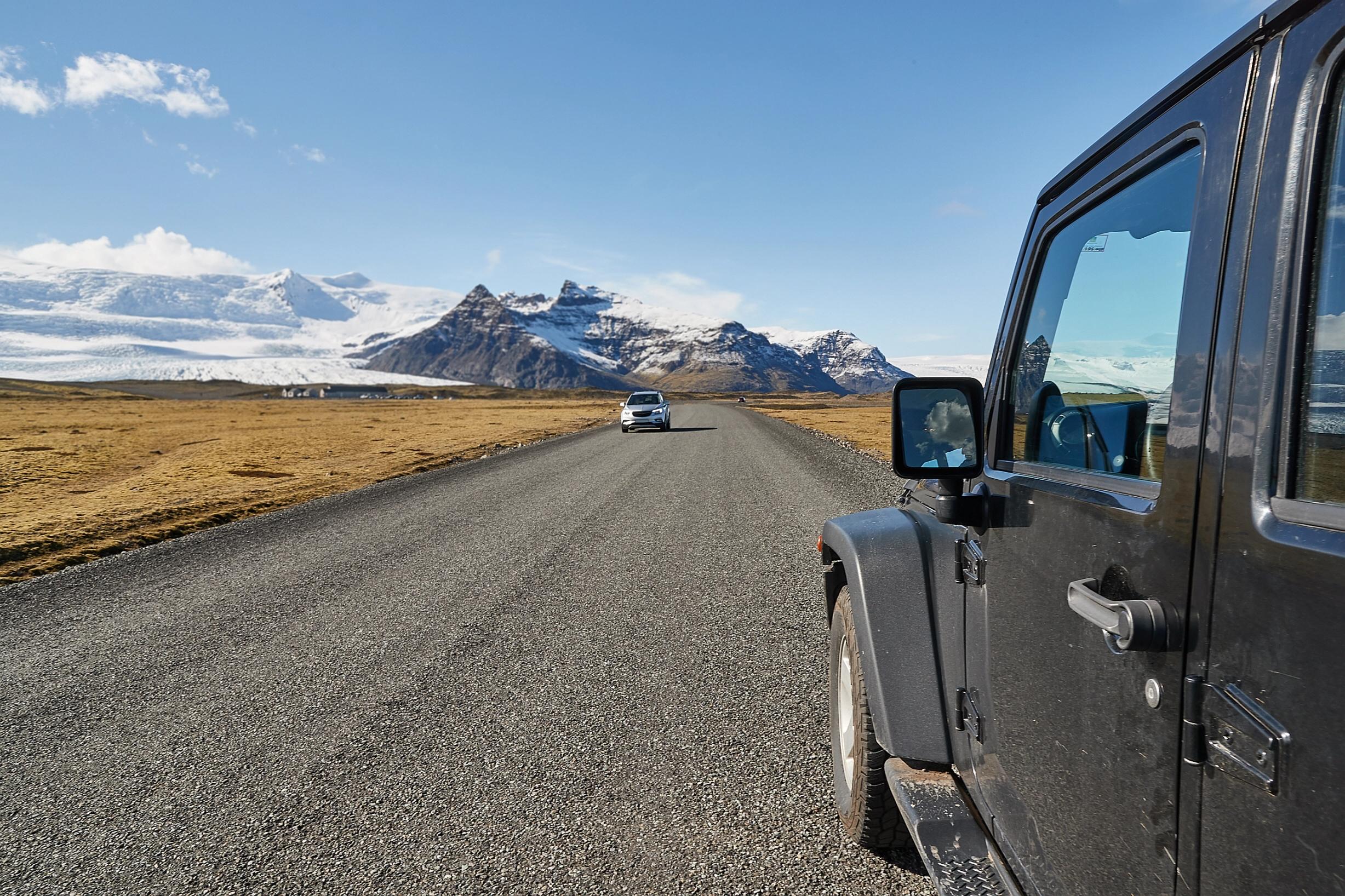
Vehicle requirements
- Four-wheel drive is essential for winter travel
- Rental car companies at Keflavík Airport offer convenient pickup
- Check road conditions at road.is for real-time updates
- Gravel roads require careful driving
Practical considerations
- Stock up on water, snacks, and fuel before heading out
- Weather conditions can change rapidly – always carry warm, waterproof clothing
- Credit cards are widely accepted, reducing the need for cash
- Download Google Maps offline, as mobile service can be patchy
Alternative experiences and day trips
Jökulsárlön Glacier Lagoon
If you have an extra day, consider extending to Jökulsárlön Glacier Lagoon. This popular stop requires a longer drive but offers unforgettable boat tours among floating icebergs.
Snæfellsnes Peninsula
The Snæfellsnes Peninsula provides an alternative to the south coast, offering diverse landscapes in a more compact area. This region works well as a day trip from Reykjavík.
Westman Islands
Take a boat ride to the Westman Islands (around a 4-hour drive from Reykjavik) for puffin watching during summer months and unique volcanic landscape exploration.
Common questions for Iceland travel
Is 7 days enough time for Iceland?
Seven days provides plenty of time to see Iceland’s major attractions without rushing. You’ll experience the Golden Circle, the south coast, and have extra time for activities like Blue Lagoon visits and Northern Lights viewing. This timeframe allows for both structured sightseeing and spontaneous discoveries.
What’s the best way to see Iceland in a week?
Self-drive tours offer the most flexibility, allowing you to travel at your own pace and avoid large tour groups. A rental car from Keflavík Airport – or from a self-drive tour operator – provides the best option for exploring, giving you freedom to stop for photos, avoid crowds by visiting at different times, and discover hidden gems along the way.
When is the best time to visit Iceland?
The best time depends on your priorities:
- Summer months (June-August): Midnight sun, warmest weather, all roads accessible, but higher prices and crowds
- Winter months (November-March): Northern Lights, ice caves, dramatic winter landscapes, fewer tourists
- Spring/Autumn: Moderate weather, fewer crowds, variable conditions, but good value
How much should I budget for a 7-day Iceland trip?
Budget varies significantly based on accommodation and dining choices. Iceland trip costs include:
- Rental car: £250-400 for the week
- Accommodation: £80-240 per night
- Food: £40-80 per day
- Activities: £40-120 per attraction
Tips: Book accommodation early, use credit cards with no foreign transaction fees, shop at grocery stores for some meals, and consider visiting during shoulder seasons.
What should I pack for my first trip to Iceland?
Essential items vary by season but always include:
- Waterproof jacket and trousers (crucial year-round)
- Warm layers for changing weather conditions
- Sturdy, waterproof hiking boots with good grip
- Camera with extra batteries (cold drains power faster)
- Swimwear for hot springs visits
- Sunglasses and sunscreen (especially in winter with snow glare)
Packing philosophy: Prepare for all weather conditions, even in summer. Iceland’s climate can shift from sunny to stormy within hours.
Can I see the Northern Lights in 7 days?
During winter months (September-March), you have excellent chances of seeing the Northern Lights over a week-long stay. Rural accommodation away from city lights increases your odds significantly. Many countryside hotels and guesthouses offer Northern Lights wake-up services, perfect for families with young children.
Realistic expectations: Clear skies are required, so don’t plan your entire trip around Aurora viewing. Have alternative evening activities ready.

Are Iceland’s roads suitable for regular cars?
Ring Road (Route 1) and major attractions are accessible with regular vehicles during summer months. However, four-wheel drive becomes essential for:
- Winter months driving on icy roads
- Highland roads and F-roads
- Accessing some remote attractions
- Gravel roads to certain waterfalls
Safety first: Always check road conditions at road.is before setting out, regardless of season.
How far in advance should I book accommodation?
Book as early as possible, especially for summer months travel. Popular areas like the south coast, Snæfellsnes Peninsula, and Reykjavík fill up quickly during peak season. Winter months offer more last-minute availability but fewer accommodation options overall.
Our experience: We booked through Hey Iceland’s self-drive package approximately 3 months before our winter trip, which included accommodation, car hire, and route planning. This simplified the process enormously and they secured excellent countryside accommodation with Northern Lights viewing potential – exactly what we needed.
If booking independently:
- Countryside farmhouse accommodation books fastest – secure this first, 3-4 months ahead for summer
- Summer travel (June-August): Book all accommodation 3-4 months ahead
- Winter travel (November-March): 2-3 months gives reasonable selection, though countryside options are more limited
- Shoulder seasons (May, September-October): 6-8 weeks ahead usually sufficient
Strategic booking priority:
- Countryside accommodation for Northern Lights (books fastest)
- Final night near airport if early departure
- Reykjavík accommodation (most availability)
Self-drive packages vs booking independently: Packages like Hey Iceland include accommodation, car hire, and route planning. We found this valuable for our first Iceland trip as they know which countryside properties offer the best Northern Lights viewing opportunities – something difficult to identify when booking independently.
What’s the difference between Blue Lagoon and Secret Lagoon?
- Blue Lagoon: More expensive (£40-60), larger facility, spa treatments, silica mud masks, modern amenities
- Secret Lagoon: More affordable (£20-30), natural setting, authentic Icelandic experience, fewer crowds, more rustic facilities
Both offer unique hot springs experiences. Secret Lagoon offers a better value and a more authentic Icelandic geothermal experience.
How to avoid crowds during an Iceland road trip?
- Start early or visit attractions later in the day
- Self-drive tours allow timing flexibility that bus tours don’t
- Explore beyond the main Ring Road attractions
- Visit popular spots during meal times when tour groups are elsewhere
- Consider staying overnight near major attractions for early morning visits
Can I use my credit card in Iceland?
Iceland is largely cashless. Credit cards work at virtually all businesses, from major attractions to small town shops. Contactless payments are standard, making transactions quick and convenient throughout your Iceland road trip.
Notify your bank of travel plans, carry a backup card, and consider a travel-friendly card with no foreign transaction fees.
This 7-day Iceland itinerary provides a perfect introduction to the land of fire and ice. Whether you’re drawn by dramatic waterfalls, volcanic activity, or the chance to witness the Northern Lights, Iceland delivers unforgettable experiences that will leave you planning your return visit.
Tip: Download offline maps, check weather conditions regularly, and embrace the unexpected – some of Iceland’s best things happen when you least expect them.
Comments are closed.