Last Updated on 06/02/2026 by Ting Dalton
Yes, Bucharest is absolutely worth visiting – but it’s not your typical European capital. Romania’s capital is a city of fascinating contrasts: crumbling Belle Époque mansions beside shiny new high-rises, bullet-scarred Revolution Square just streets from designer boutiques, and one of Europe’s most vibrant Old Towns emerging from what was once a no-go area.
When I visited Bucharest for a long weekend, the city completely surprised me. It’s edgy, affordable, and utterly captivating – a destination finally shaking off decades of neglect to reclaim its former glory as the ‘Little Paris of the East’.

Quick answer: Bucharest is ideal if you’re looking for an authentic Eastern European experience, fascinating communist history, cheap city breaks, and a capital that hasn’t been overrun by tourists. Skip it if you want picture-perfect Instagram backdrops – this is a city that rewards the curious.
Why Bucharest is worth visiting
It’s super affordable
Bucharest remains one of Europe’s best-value capital cities. When I visited, we struggled to spend all our Romanian Lei despite our best efforts. Flights from the UK are cheap, and once there, accommodation, food, and transport are all remarkably reasonable. A meal at a good restaurant costs €10-15, metro tickets are under €1, and you can find comfortable hotels for €40-60 per night.
The communist history is fascinating (and visible everywhere)
More than 35 years since communism ended in Romania, the scars – and stories – remain raw. You can’t escape the legacy of Nicolae Ceaușescu’s brutal regime, from the bullet holes still visible in Revolution Square to the overwhelming presence of the Palace of Parliament.
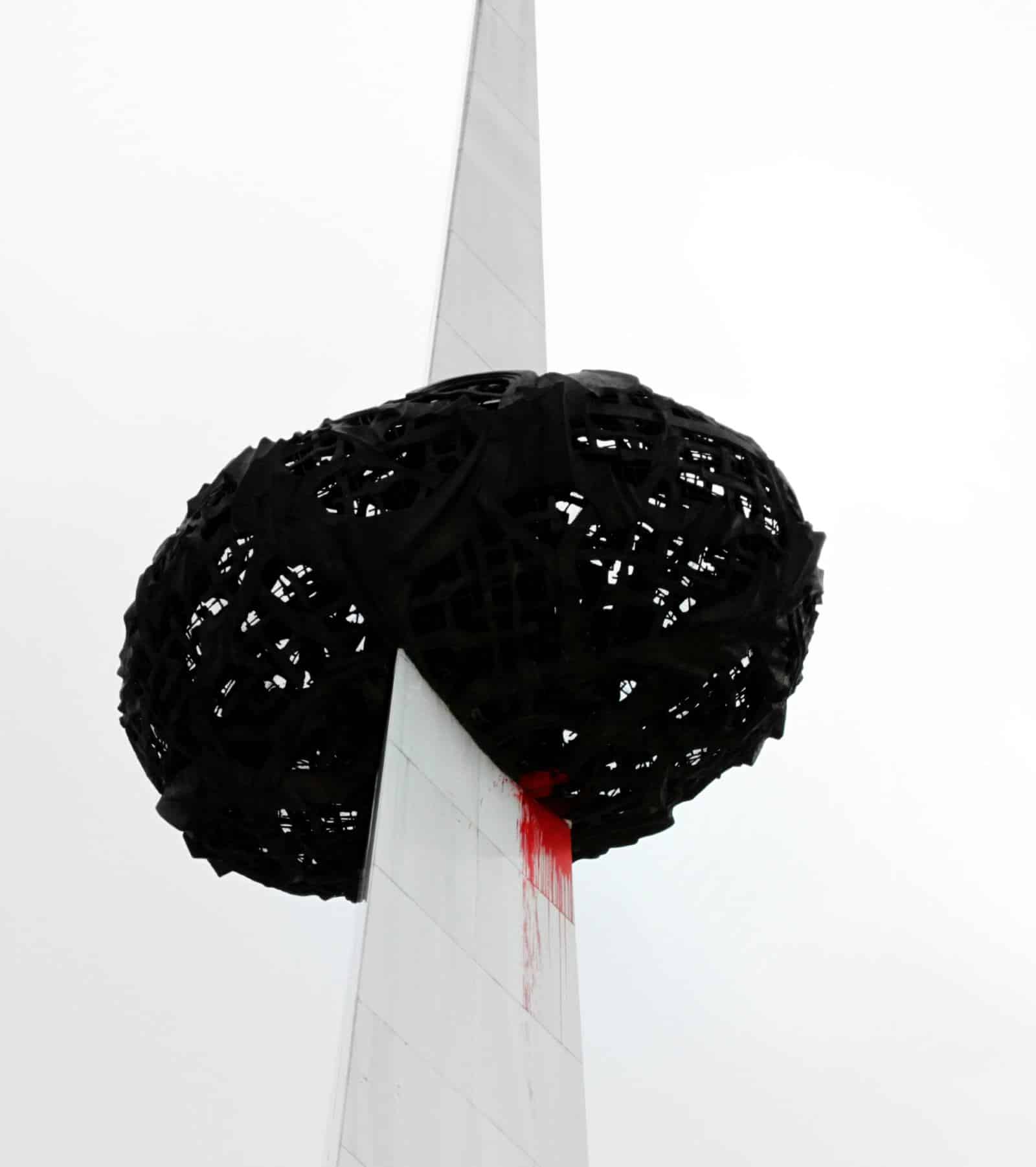
I experienced this firsthand when we passed the Memorial of Rebirth and remarked that it did indeed look like a potato (a description given to us by a guide earlier). Our taxi driver turned around and shouted at us not to be so insulting, then proceeded to curse in Romanian about this ‘stupid man’. The revolution still stings – not just in the psyche of the Romanian people, but everywhere across the city.
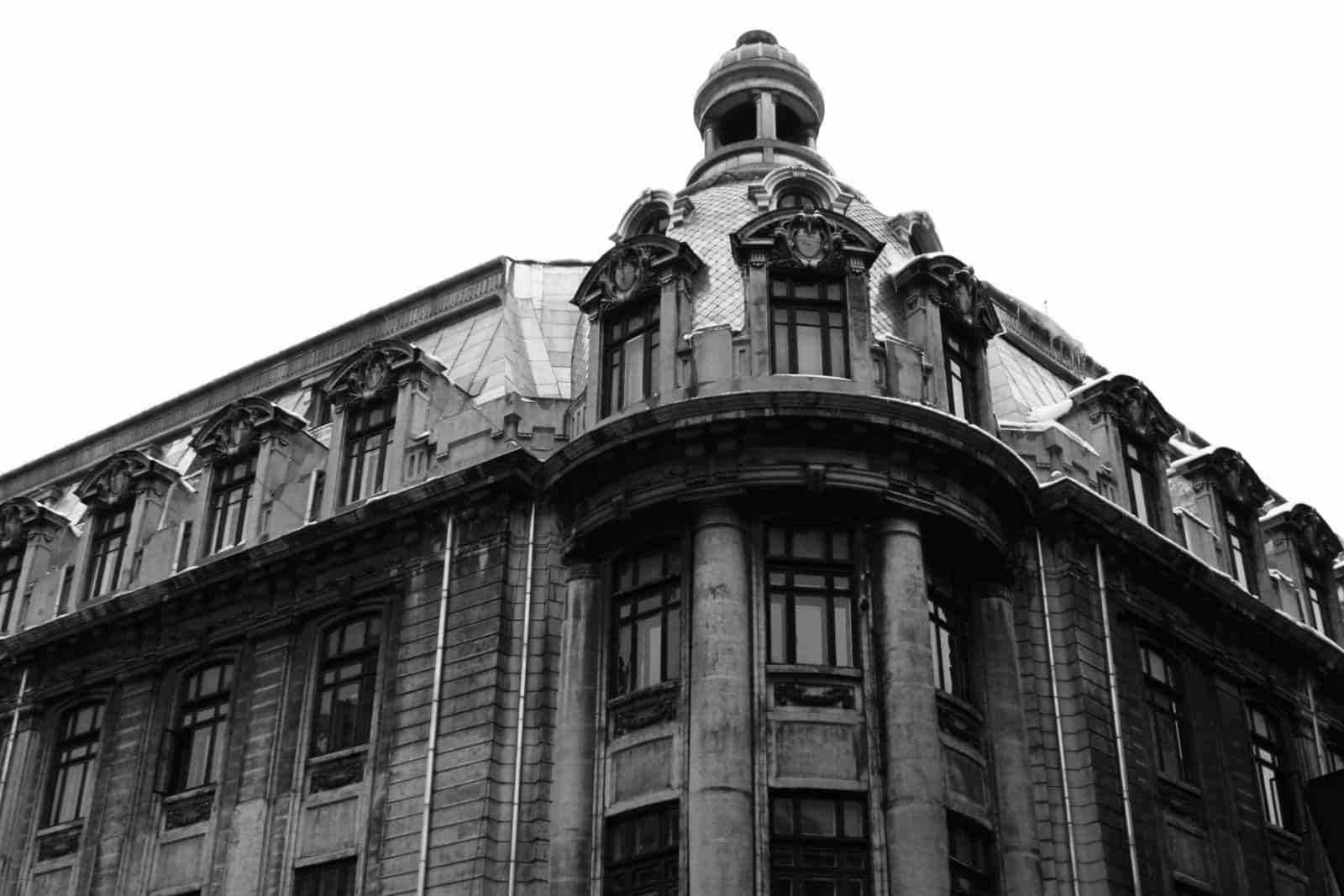
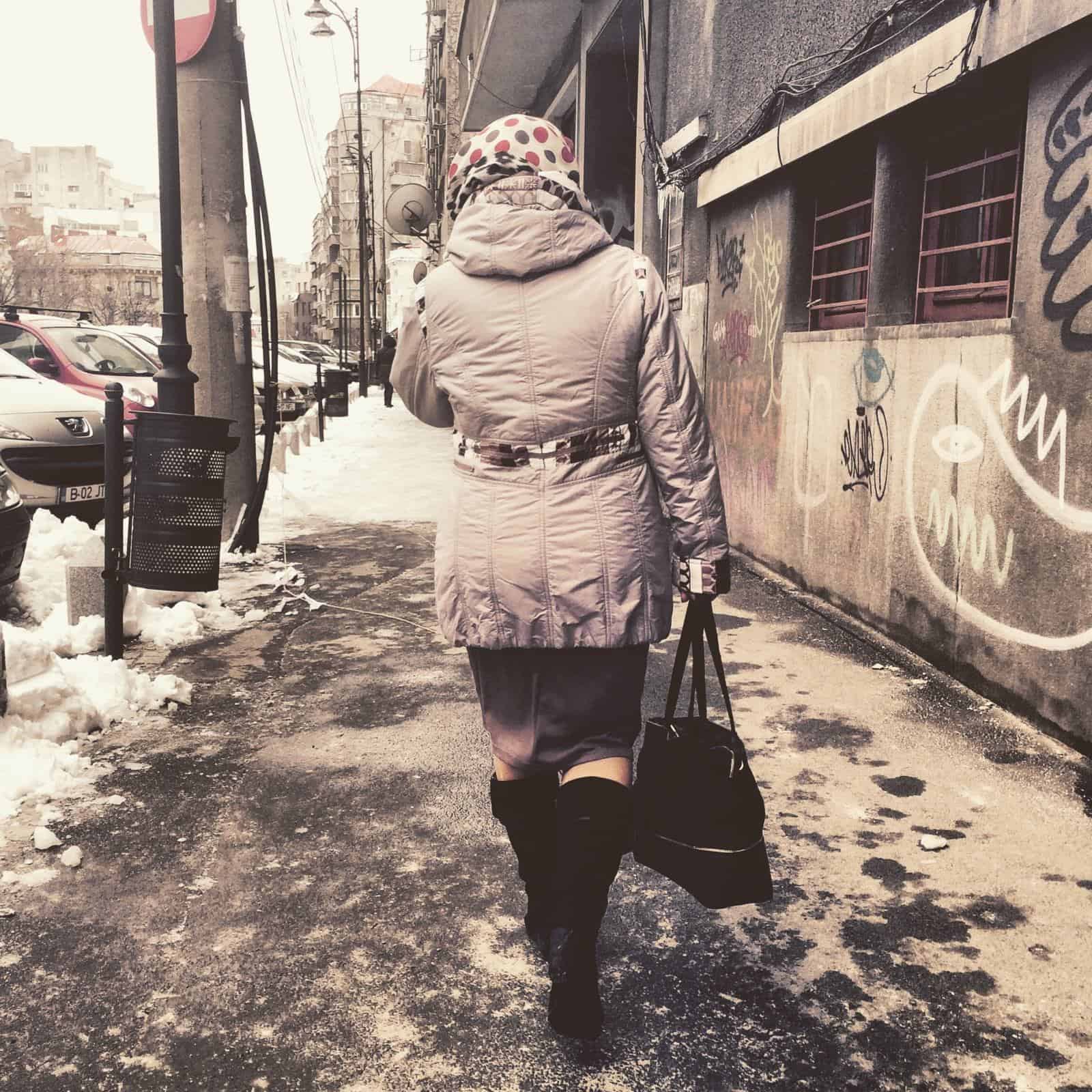
Walking through Bucharest, you’ll see dilapidated structures intermingled with new construction sites, 17th-century churches tucked behind gleaming high-rises, and a modern centre filled with designer shops contrasting sharply with communist-era blocks. It’s a city caught between two eras, which makes it utterly compelling.
The Palace of Parliament is jaw-dropping
The Palace of Parliament is the second-largest administrative building in the world (after the Pentagon), and Ceaușescu’s most notorious legacy. This monstrous structure nearly crippled Romania’s economy and required the demolition of nearly a fifth of Bucharest’s historic centre, including entire neighbourhoods, churches, and historic buildings.
The sheer scale is overwhelming. The building has over 1,000 rooms, crystal chandeliers weighing tonnes, and enough marble to make you dizzy. Taking a guided tour (book in advance) reveals the stunning interior with its vast halls and opulent details – all built while Romanians faced severe food and fuel shortages.
The Palace sits at the end of Bulevardul Unirii, one of Bucharest’s grand boulevards created specifically to showcase the building. Love it or loathe it (most Romanians feel a complex mix of both), it’s impossible to ignore.
The Old Town has transformed brilliantly
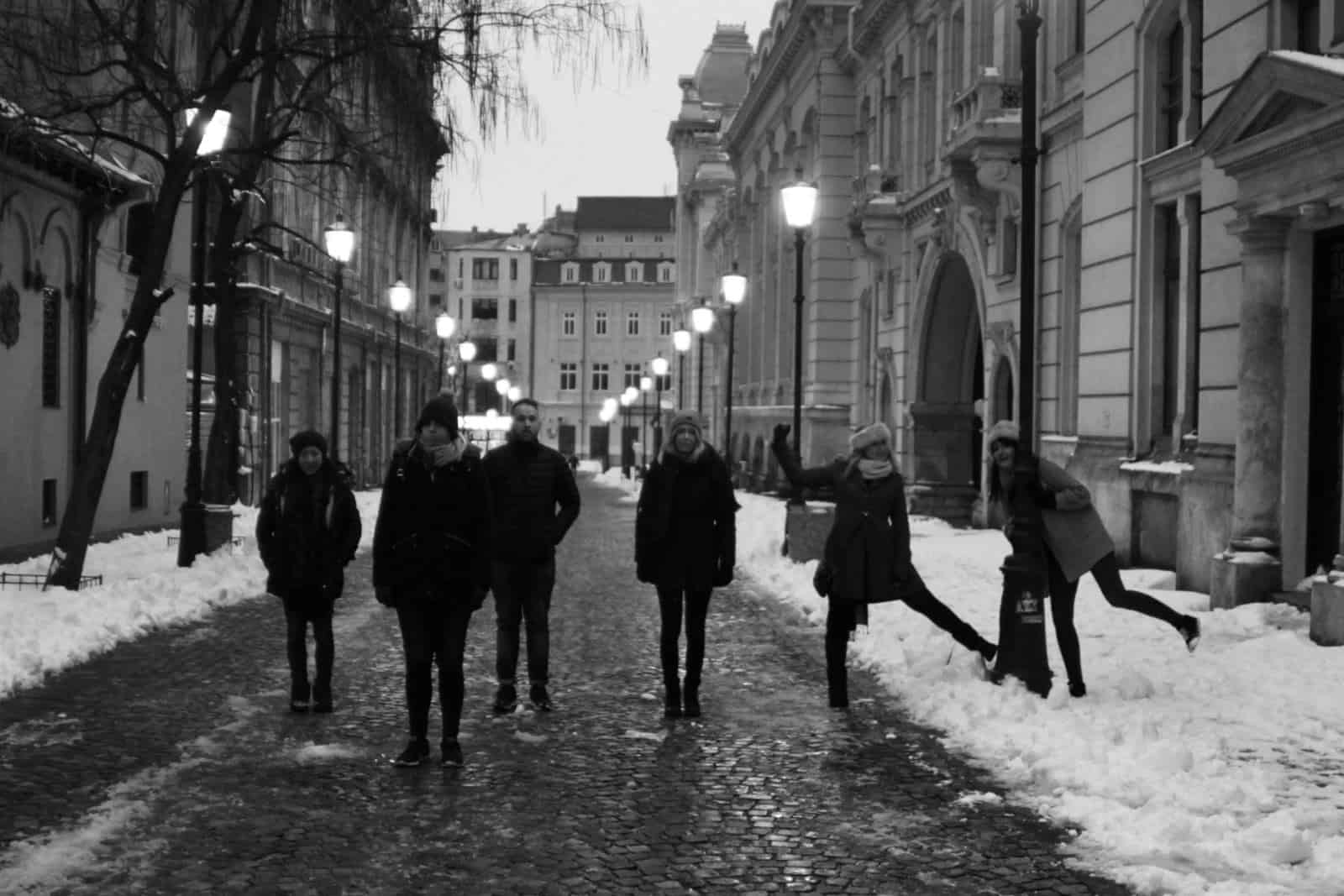
The historic Old Town (Lipscani area) is where I spent most of my time, and it’s where Bucharest’s energy really comes alive. These cobbled streets, lined with a mix of old and new establishments, narrowly escaped demolition – Ceaușescu was planning to demolish Lipscani as part of his Civic Centre project, but the area survived the 1989 revolution.
That anything survived is little short of a miracle. While much of Bucharest changed beyond recognition over recent decades, nothing compares to the transformation of the Old Town. What was once a no-go area is now Bucharest’s most popular district, packed with restaurants, bars, cafes, and beautiful, crumbling architecture that somehow survived both World War Two and communism.
The area buzzes with life, especially in the evenings when locals and visitors spill out onto the streets. It’s gritty and genuine, not sanitised for tourism.

It’s not overrun with tourists (yet)
Unlike Prague, Budapest, or Krakow, Bucharest hasn’t been overwhelmed by mass tourism. You can explore Revolution Square without fighting through crowds, enjoy a meal without booking weeks ahead, and experience a capital city that still feels authentic and lived-in.
Romania featured in Lonely Planet’s Best Value Destinations, and Bucharest is attracting increasing visitor numbers. Once the floodgates fully open, travellers will come in droves. Visit now while it still feels like a discovery.
The food scene is excellent (and cheap)
Traditional Romanian food is hearty, delicious, and absurdly affordable. Caru’ cu Bere, the historic beer house in the Old Town, serves traditional dishes like sarmale (cabbage rolls) and mici (grilled meat rolls) in a stunning Belle Époque interior. A full meal with drinks costs around €15-20.
The city has embraced modern dining too, with trendy rooftop bars, speciality coffee shops, and international restaurants proliferating across the centre. But it’s the traditional crama (cellar restaurants) where you’ll find the real character.
Day trips are incredible
Bucharest makes an excellent base for exploring Romania. Bran Castle (Dracula’s Castle) is approximately 170-180km away (about 2.5-3 hours by car) and can be visited on a day trip, often combined with Brașov or the medieval town of Sighișoara. The Carpathian Mountains are easily accessible for hiking or skiing, depending on the season.
Closer to Bucharest, you can visit the beautiful monasteries of Snagov or explore the wine regions of Dealu Mare.
What surprised me about Bucharest
It’s bigger and more sprawling than expected
Bucharest is a large city with around 1.75 million residents (over 2 million in the metro area), and it sprawls. The centre is walkable, but you’ll need the metro or taxis to reach some attractions. On the way from the airport, I was surprised to see a huge Ikea and luxury SUVs weaving through traffic alongside bright yellow Dacia taxis – capitalism and wealth seeping into the infrastructure.
The architecture is wildly eclectic
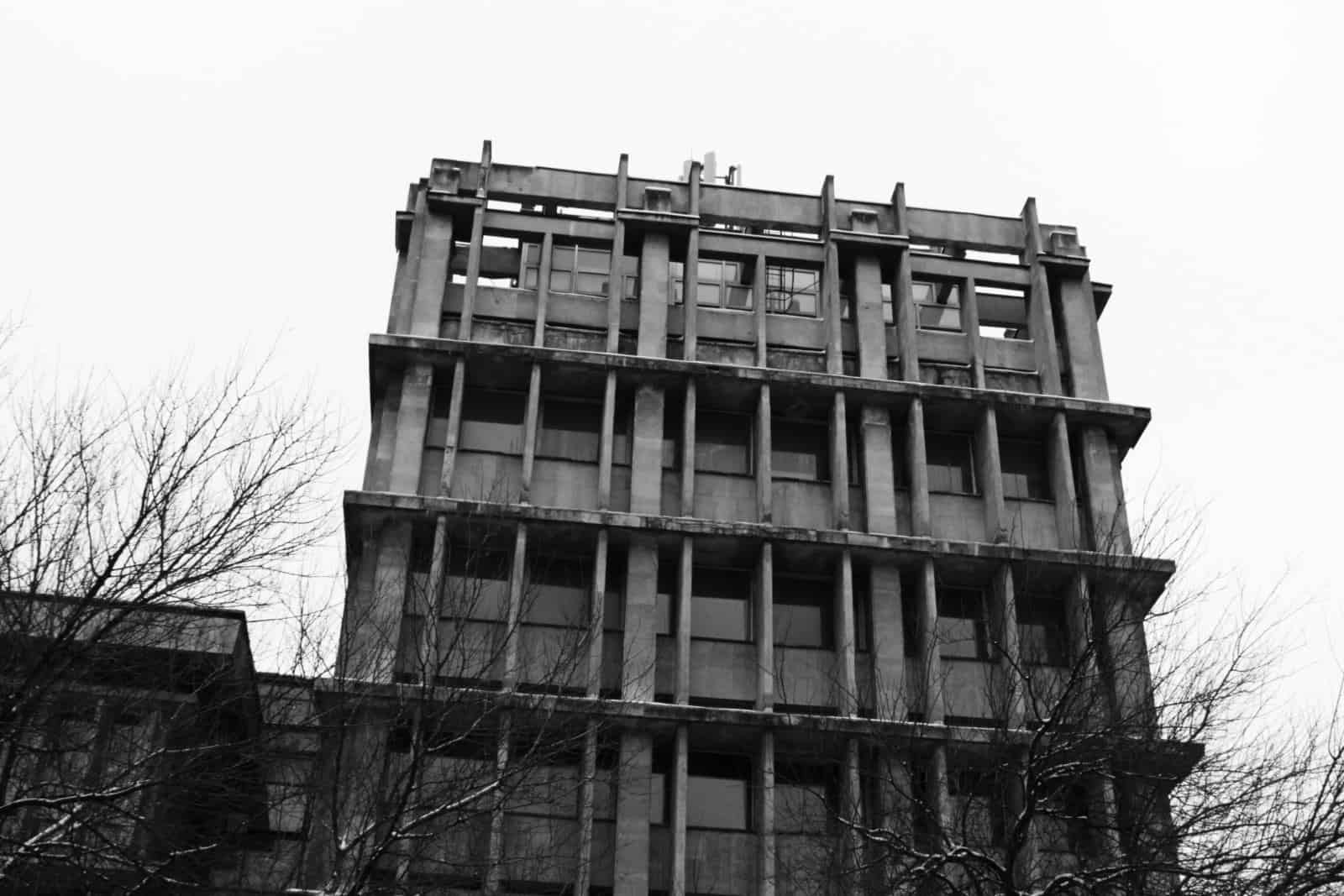
I expected lashings of Eastern Bloc vibe – gritty, run-down, and ugly. While parts of Bucharest are exactly this, I stumbled across architecturally stunning buildings tucked away in unexpected places. Pre-communist Bucharest was dubbed the ‘Paris of the East’ and you can still see why, particularly along Calea Victoriei, the city’s most elegant avenue lined with Belle Époque buildings, museums, and the Romanian Athenaeum concert hall.
People are incredibly friendly and welcoming
From strangers and policemen who helped us navigate the city, to restaurant waiters and bar staff, everyone we met was genuinely warm and helpful. There’s a pride in showing visitors their city, especially as Bucharest begins to find its place on the European tourism map.
The weather can be brutal
I visited in February during treacherous winter conditions – icy pavements, bitter wind, and grey skies. Bucharest has extreme continental weather: freezing winters and sweltering summers. Choose your timing carefully.
What you’ll actually experience in Bucharest
Rather than list every attraction (I’ve covered that in detail in my comprehensive guide to the top things to do in Bucharest), here’s what actually makes the city special:
You’ll walk through living history. Revolution Square still has bullet holes from 1989. The Palace of Parliament looms over entire neighbourhoods that were demolished to build it. Communist-era architecture sits beside Belle Époque mansions on streets like Calea Victoriei. History isn’t preserved behind museum glass here – it’s part of everyday life.
You’ll see a city transforming before your eyes. The Old Town (Lipscani) has gone from a no-go area to Bucharest’s most vibrant district in just over a decade. New cafes and rooftop bars open beside centuries-old monasteries. It’s a city caught between two eras, which makes it endlessly fascinating.
You’ll eat and drink very well for very little. Traditional restaurants serve hearty Romanian food in atmospheric settings, modern rooftop bars offer sunset views over the eclectic skyline, and the craft beer scene is growing. All are absurdly affordable compared to Western Europe.
You’ll have the place largely to yourself. Unlike Prague or Budapest, you’re not fighting through crowds. You can actually experience a European capital at a relaxed pace.
When is the best time to visit Bucharest?
April to June and September to October offer the best weather and experiences. Spring brings pleasant temperatures (15-20°C) and blooming parks, while autumn offers comfortable weather (10-18°C) and fewer tourists.
Summer (July-August) can be uncomfortably hot (30°C+), and many locals leave the city. However, outdoor terraces and park life are at their peak.
Winter (December-February) is bitterly cold (often below 0°C), with grey skies and icy conditions. We came in February, and while it was tough, we still had a wonderful time.
How much does Bucharest cost?
Bucharest remains incredibly affordable compared to Western European capitals:
Accommodation: €40-60 for mid-range hotels, €80-150 for boutique/luxury options
Meals: €8-12 for traditional restaurants, €15-25 for upscale dining
Drinks: €2-3 for beer, €3-5 for cocktails
Metro: Under €1 per journey
Attractions: €5-15 for most museums and attractions (Palace of Parliament tour: around €15)
Daily budget: €50-70 for budget travellers, €100-150 for comfortable mid-range travel.
Where to stay in Bucharest
Old Town (Lipscani)
Best for: First-timers, nightlife, restaurants, walkability
The Old Town puts you in the heart of Bucharest’s action. Accommodation ranges from budget hostels to boutique hotels in renovated historic buildings. The area can be noisy at night, so choose carefully if you’re a light sleeper.
City center (around Piața Universității)
Best for: Central location, good transport links, business travellers
Just north of the Old Town, this area offers excellent metro connections and a mix of hotels at various price points. It’s less touristy than Lipscani but still very accessible.
Cotroceni/Botanical Garden area
Best for: Quieter stays, families, proximity to parks
This more residential area offers a peaceful base with easy access to Bucharest’s green spaces. Good for longer stays or if you prefer quiet evenings.
How to get around Bucharest
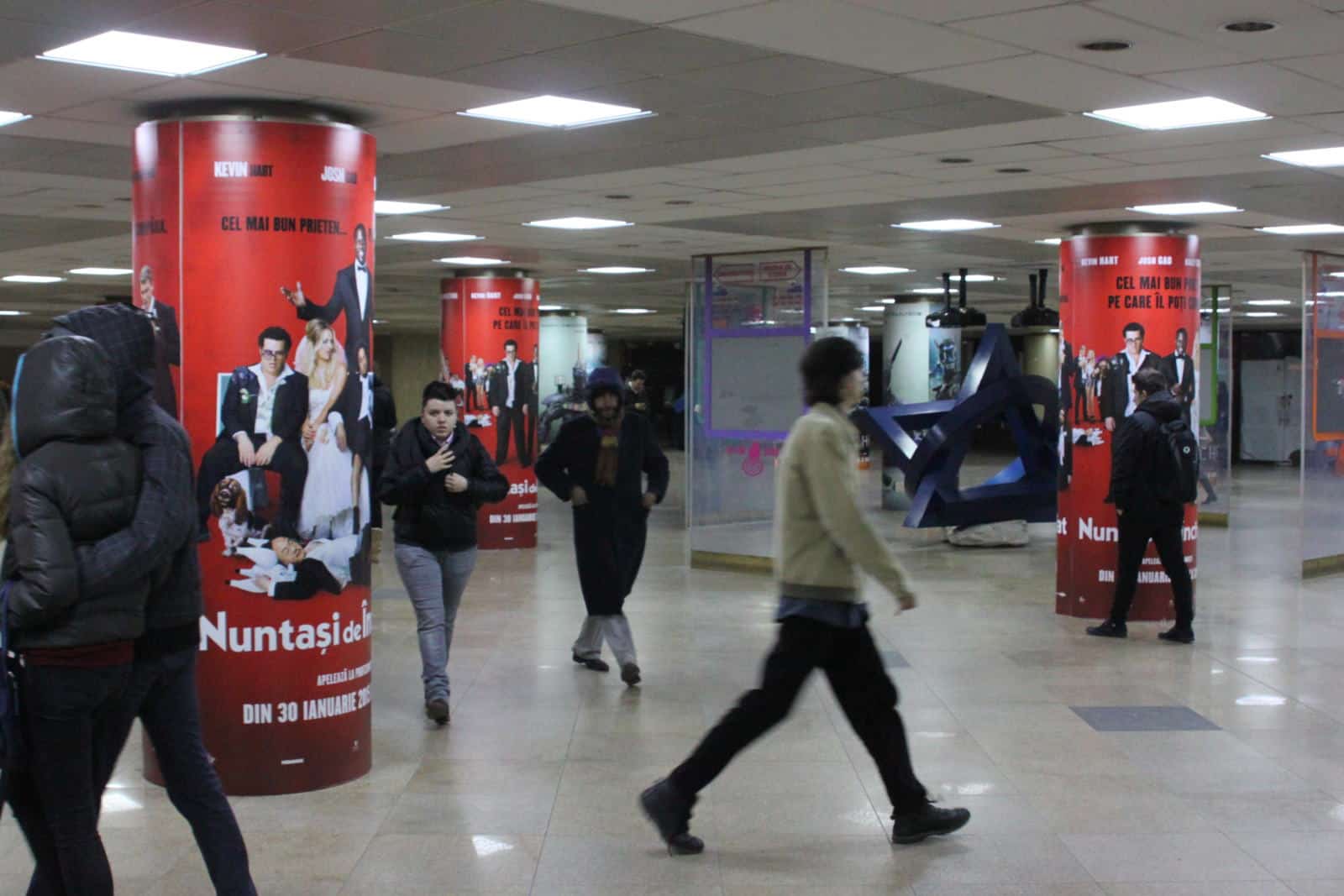
Metro: Clean, efficient, and incredibly cheap (under €1 per journey). Four main lines cover most tourist attractions. Buy tickets at stations.
Taxis: Abundant and affordable (starting fare around €0.50, then €0.30-0.50 per km). Use official companies or ride-hailing apps like Uber or Bolt. Avoid unmarked taxis at the airport.
Walking: The city centre and Old Town are very walkable, though pavements can be uneven.
Public transport: Trams and buses are cheap but can be confusing for visitors. Stick to the metro for ease.
Is Bucharest safe?
Yes, Bucharest is generally safe for tourists. Standard precautions apply:
- Watch for pickpockets in crowded areas (Old Town, metro)
- Use official taxis or ride-hailing apps
- Be cautious at night in less touristy areas
- Women travelling solo report feeling safe, though usual awareness applies
The city has significantly improved over the past decade, and violent crime against tourists is rare.
What people get wrong about Bucharest
“It’s just a grey communist city”
While communist architecture dominates parts of Bucharest, the city is far more complex. Beautiful Belle Époque buildings, elegant boulevards, parks, and a vibrant cultural scene all exist alongside the socialist-era blocks.
“There’s nothing to do”
Bucharest offers days of exploration: museums, galleries, parks, fascinating architecture, excellent restaurants, buzzing nightlife, and easy day trips to castles and mountains. The problem isn’t a lack of things to do – it’s that many travellers skip the city entirely on their way to Transylvania.
Should you visit Bucharest?
Bucharest is ideal if you’re looking for an authentic Eastern European experience with fascinating 20th-century history at excellent value for money. It’s perfect for travellers who want to explore a capital city that hasn’t been sanitised for tourism, and it makes an easy base for exploring the rest of Romania. The city rewards those seeking substance and raw character over Instagram-perfect backdrops.
However, you might want to skip Bucharest if you’re after picture-perfect historic centres, Western European polish and efficiency, warm winter city breaks, or extensive English everywhere you go. This isn’t a city that holds your hand or presents itself in neat, tourist-friendly packages.
Bucharest is an edgy city – captivating and interesting – on the cusp of great things. It’s not conventionally beautiful, and that’s precisely its charm. The city captured my imagination. It’s unapologetically itself: complex, contradictory, and utterly compelling.
Pre-communist Bucharest was called the ‘Paris of the East’ for good reason, and as renovations continue, the city is rediscovering its former glory. Visit now, while it still feels like a discovery, and you’ll understand why this capital deserves far more than a quick stopover.
Frequently asked questions
How many days do you need in Bucharest?
2-3 days is ideal for exploring Bucharest’s main attractions, the Old Town, key museums, and getting a feel for the city. Add extra days if you want to take day trips to Bran Castle or Brașov.
Is Bucharest better than Budapest or Prague?
They’re very different cities. Bucharest is grittier, cheaper, and less touristy than Budapest or Prague. It lacks their picture-perfect appeal but offers a more authentic, less polished Eastern European experience. Visit Bucharest if you want substance over style.
Do I need Romanian currency?
Yes, Romania uses the Romanian Leu (RON), not the Euro. ATMs are widely available, and card payments are accepted in most restaurants and shops in tourist areas. Always carry some cash for smaller establishments.
Is Bucharest good for families?
Yes, though it’s better suited to older children who can appreciate the history. The Palace of Parliament tour, parks like Herăstrău, and the Village Museum are all family-friendly. However, the city lacks the playground density and child-focused attractions of more family-oriented capitals.
What’s the best area to stay in Bucharest?
The Old Town (Lipscani) offers the best first-time base with easy walking access to restaurants, bars, and main attractions. It can be noisy at night, so consider areas just outside the Old Town centre for quieter accommodation while remaining walkable.
Can you drink tap water in Bucharest?
Officially, yes, but many locals and travellers prefer bottled water due to the taste and old pipes in some buildings. Bottled water is incredibly cheap anyway.
Is Bucharest worth visiting in winter?
Winter in Bucharest is brutal – cold, grey, and often icy. Unless you’re specifically after cheap deals or Christmas markets, visit in spring or autumn instead. The city looks far more appealing when you can actually sit outside and explore comfortably.
How far is Dracula’s Castle from Bucharest?
Bran Castle (marketed as Dracula’s Castle) is approximately 170-180km from Bucharest, roughly 2.5-3 hours by car or organised tour. While the castle’s connection to Bram Stoker’s Dracula is tenuous at best, it makes a popular day trip combined with the medieval town of Brașov.
Comments are closed.