Quick facts: Kefalonia essentials
• Location: Largest of the Ionian Islands, Greece
• Best time to visit: May-October (June-September ideal for beaches)
• Getting around: Car rental is essential
• Nearest airport: Kefalonia International (EFL)
• Famous for: Myrtos Beach, Melissani Cave, pristine beaches, turquoise waters
• Flight time from UK: 3.5 hours direct
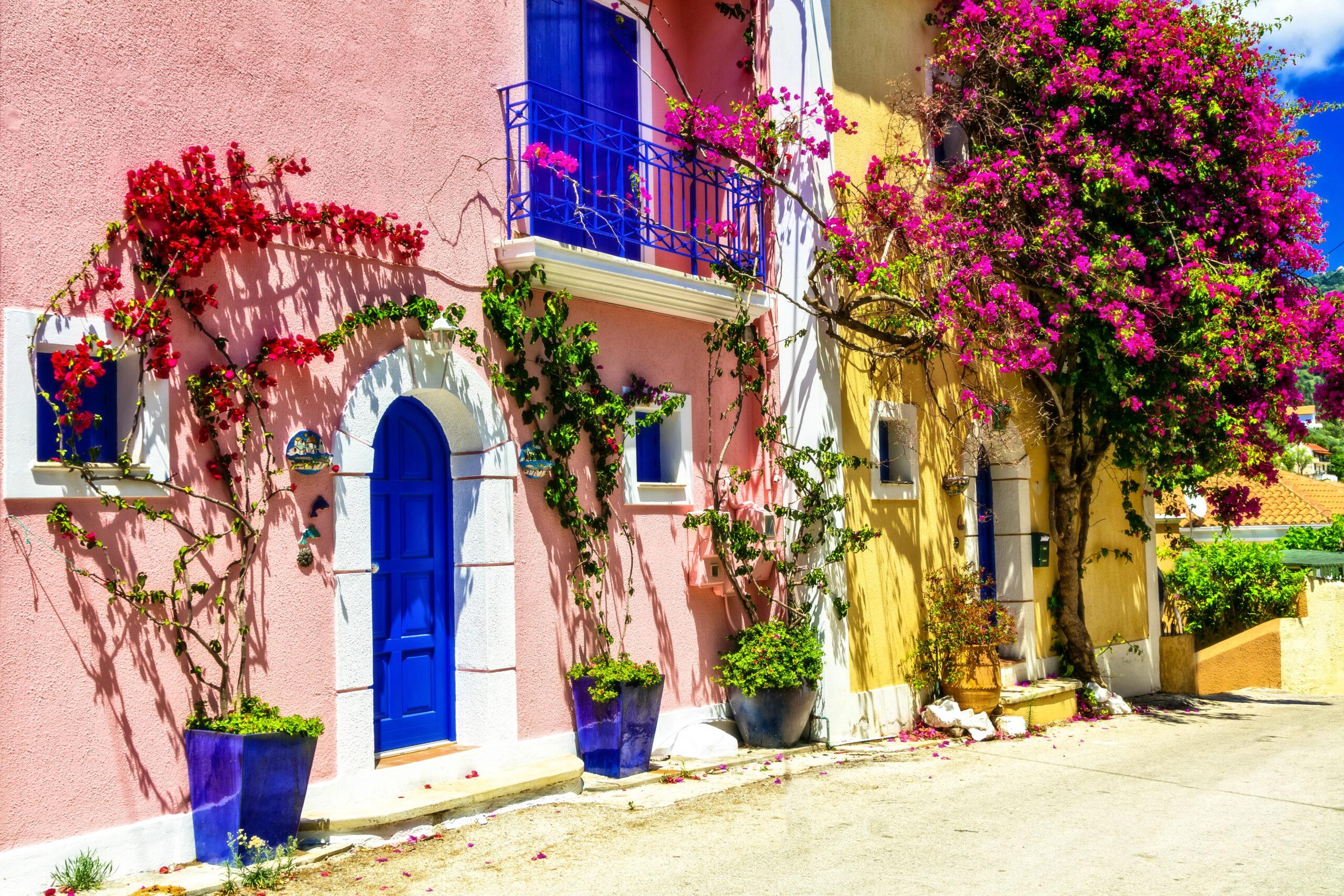
Picture azure seas and cloudless skies; eating delicious fresh seafood on chequered tablecloths, watching as waves gently lap against the shoreline and the sea breeze tickles your hair; wandering pretty villages with pastel coloured buildings; discovering secret coves, pristine beaches and a wealth of history?
When I first read Louis de Bernières’ novel Captain Corelli’s Mandolin, I imagined just how spectacular the Greek island of Kefalonia would be, and when my husband and I finally went, I wasn’t disappointed.
Is Kefalonia worth visiting?
Absolutely! Kefalonia is one of those rare Greek islands that manages to feel both dramatically beautiful and refreshingly unspoiled. The largest of the Ionian Islands, Kefalonia offers something genuinely different from its more famous Aegean cousins.
Where many Greek islands feel overrun, Kefalonia retains an authentic charm. The dramatic coastline of pristine beaches and turquoise waters rivals anywhere in the Mediterranean, while the lush green mountains and traditional villages give you a real taste of Greek island life. It’s perfect if you want stunning natural beauty without the Santorini-style crowds.
This sun-drenched gem in the Ionian Sea isn’t just about lazing on award-winning beaches (though with 39 of them, you could certainly fill your days that way). From underground lakes and dramatic caves to wild horses roaming Mount Ainos, from wine tastings at historic wineries to exploring Venetian architecture in harbourside villages – Kefalonia delivers variety alongside that picture-perfect scenery.
Whether you’re travelling as a couple, with friends, or bringing the whole family, Kefalonia has you covered. And the best part? It’s only a short flight away from the UK, making it ideal for both quick escapes and longer Mediterranean adventures.
Getting to Kefalonia
By air
Direct flights from many UK airports operate seasonally (typically May-October) to Kefalonia International Airport (EFL), with flight times around 3-3.5 hours. Major carriers include TUI, Jet2, easyJet, and British Airways during the summer months.
In winter, you’ll need to connect through Athens with Olympic Air or Aegean Airlines – the domestic flight takes approximately 1 hour – or route via other European hubs. The airport is located near Argostoli, making transfers to most parts of the island straightforward.
By ferry
If you’re already in Greece or island hopping in the Greek islands, regular ferries connect Kefalonia with:
• Zakynthos – approximately 1-1.5 hours by ferry from Pessada port
• Mainland Greece (Kyllini port) – 1 hour 15 minutes, multiple daily departures
• Ithaca – 20-30 minutes
• Lefkada – seasonal connections
Main ferry ports on Kefalonia are Sami (east coast), Poros (southeast), and Argostoli (west), with different routes serving different ports.
When is the best time to visit Kefalonia?
The shoulder seasons – May, June, and September – offer the sweet spot for visiting Kefalonia. You’ll enjoy warm, sunny weather perfect for beach days and exploring, but without the peak summer crowds and prices.
Summer (July-August) brings guaranteed sunshine with temperatures ranging from 25-30°C and the warmest sea temperatures (24-26°C). However, this is also when the island is busiest, and accommodation prices soar. If you don’t mind crowds and want the liveliest atmosphere with everything open, this is your window.
Spring (May-June) is glorious – the island is covered in wildflowers, the weather is warm but not scorching (22-27°C), and tourist hotspots are open without the masses. The sea starts warming up, too, reaching swimmable temperatures by late May.
Early autumn (September-October) is a lovely time to go. The sea is at its warmest from the summer months, the crowds have thinned considerably, and the weather remains beautiful. Many local wine festivals happen in autumn, too. October can see occasional showers but still offers plenty of sunshine.
Winter (November-March) is quiet with many tourist attractions closed, though temperatures remain mild (10-15°C). This isn’t the time for beach holidays, but it works for exploring villages and hiking if you want an off-season experience.
A family holiday to Kefalonia
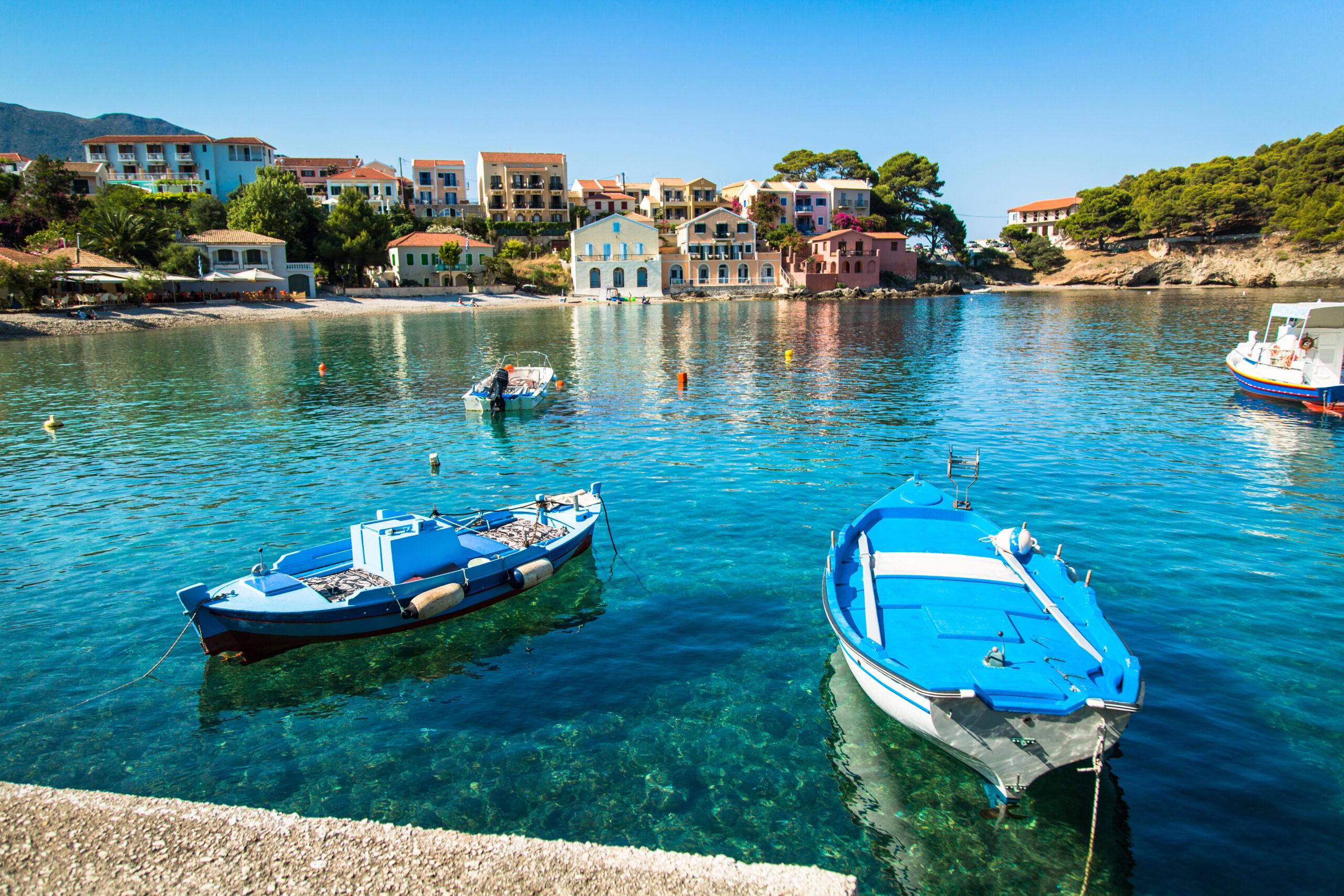
Driving from the airport to our accommodation in the fishing village of Assos, our eyes were drawn to the lush mountains and the sweeping coastlines. We really couldn’t believe the sea was that blue, and the scent of oleander and pine so pungent in the air.
We stayed in a villa with a private pool, and found this was the perfect base for us to relax and explore. Having your own space with a pool makes such a difference when travelling with children – they can splash about whenever they want while you enjoy your morning coffee in peace.
Kefalonia’s biggest draw is the sunshine, fresh cuisine and friendly people. But while it’s great to just enjoy the private pool, there are also plenty of activities to keep the whole family entertained. See more below.
Best beaches in Kefalonia
Myrtos Beach
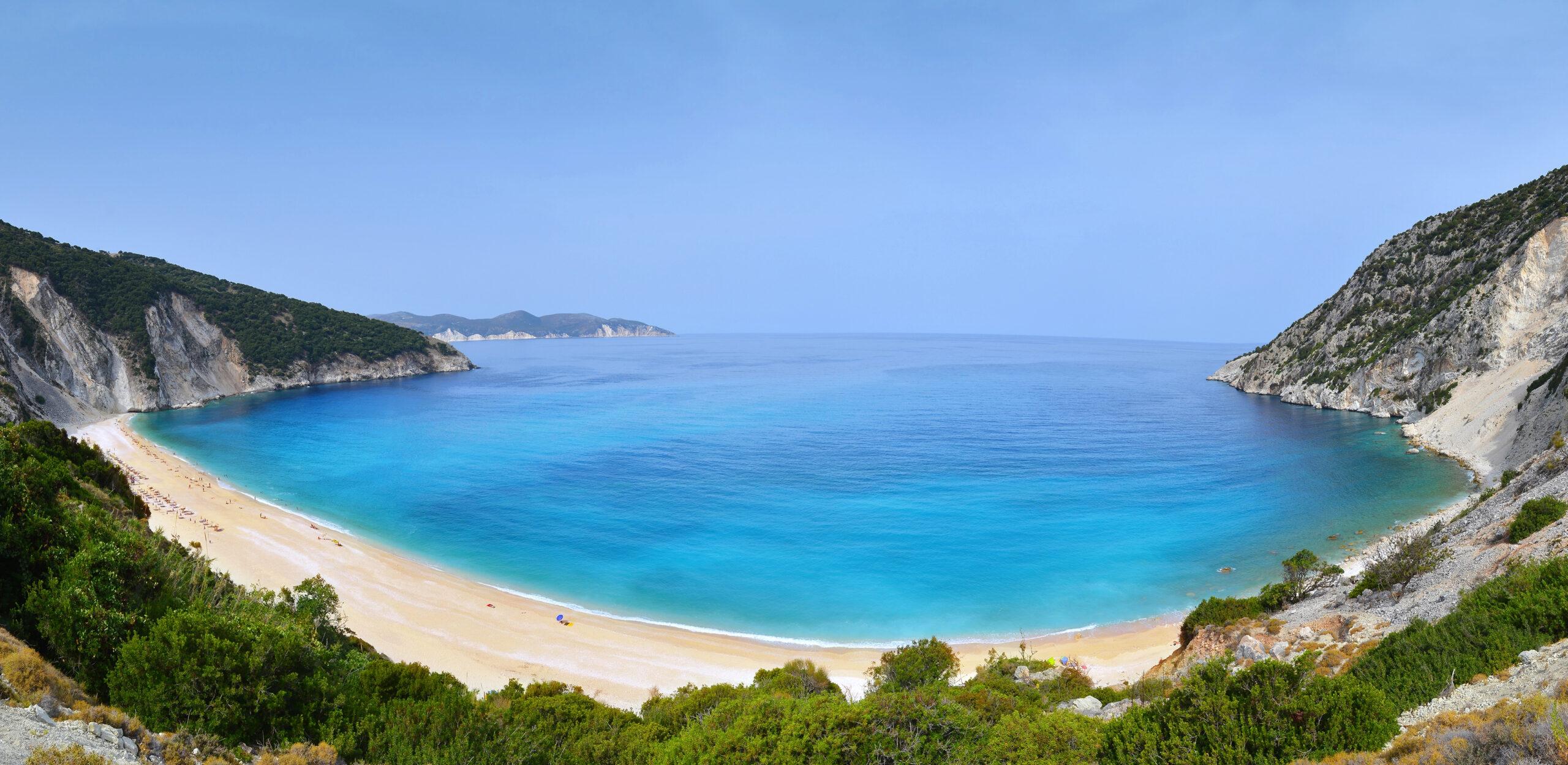
One of my favourites is Myrtos Beach. It’s won countless plaudits and is cited as one of the best beaches in Greece. The view from above took my breath away – while the semi-circular beach itself is surrounded by white rocky cliffs and has crystal clear waters. The perfect place to while away the day.
This world-famous beach consistently ranks among the most beautiful beaches in Greece, and once you see that impossibly turquoise water contrasting with brilliant white pebbles and dramatic marble cliffs, you’ll understand why. The beach featured in the film Captain Corelli’s Mandolin, cementing its place as Kefalonia’s most iconic spot.
What to know: The beach is made of smooth white pebbles (bring water shoes!), and the sea can get deep quickly with occasional strong waves – watch children carefully. The steep, winding road down offers spectacular viewpoints perfect for photos. Parking is free but limited, so arrive before 10am in high season or expect to park along the roadside.
Facilities: Sun loungers and umbrellas available for hire, small beach bar for drinks and snacks, toilets and changing facilities.
Location: Northwest coast, approximately 30km from Argostoli (40-minute drive)
Avithos Beach
While we were there, we really loved visiting some of the award-winning beaches that the island has to offer – it boasts a whopping 39 of them! Avithos beach’s shallow waters make it ideal for young children to play and paddle. Meanwhile, its taverna is popular for its outstanding food and service – and the view is pretty special, too.
This family-friendly beach on the south coast offers everything you need for a perfect beach day. The gradually shelving shore creates a natural paddling pool ideal for little ones, while the crystal-clear water stays relatively calm even when other beaches have waves.
Antisamos Beach
Another beach featured in Captain Corelli’s Mandolin, Antisamos is a stunning crescent of white pebbles backed by green forested hills. The protected bay keeps water beautifully calm, making it excellent for swimming and water sports, including kayaking and paddleboarding. Beach bars, tavernas, and sun loungers make this convenient for families, with good parking and easy access.

Fteri Beach and Xi Beach
For something more adventurous, Fteri Beach is Kefalonia’s hidden gem – only accessible by boat or steep hiking trail. Dramatic white cliffs, extraordinary turquoise waters, and genuine solitude reward the effort. Boat trips from Assos make this accessible.
Completely different is Xi Beach with its unusual reddish-orange sand and clay cliffs. The shallow, gently sloping shore makes this brilliant for families with young children, plus there are beach bars, water sports, and plenty of facilities. Location: south coast near Lixouri.
Other beaches worth exploring
• Petani Beach – Another west coast stunner with gorgeous turquoise water and dramatic views
• Lourdas Beach – Long pebble beach with a chilled vibe and excellent tavernas
• Emblisi Beach – Remote, peaceful spot reached by boat or 4×4
• Skala Beach – Sandy beach on the southeast coast with Roman villa ruins nearby
Must-see caves and natural wonders
Melissani Cave and underground lake
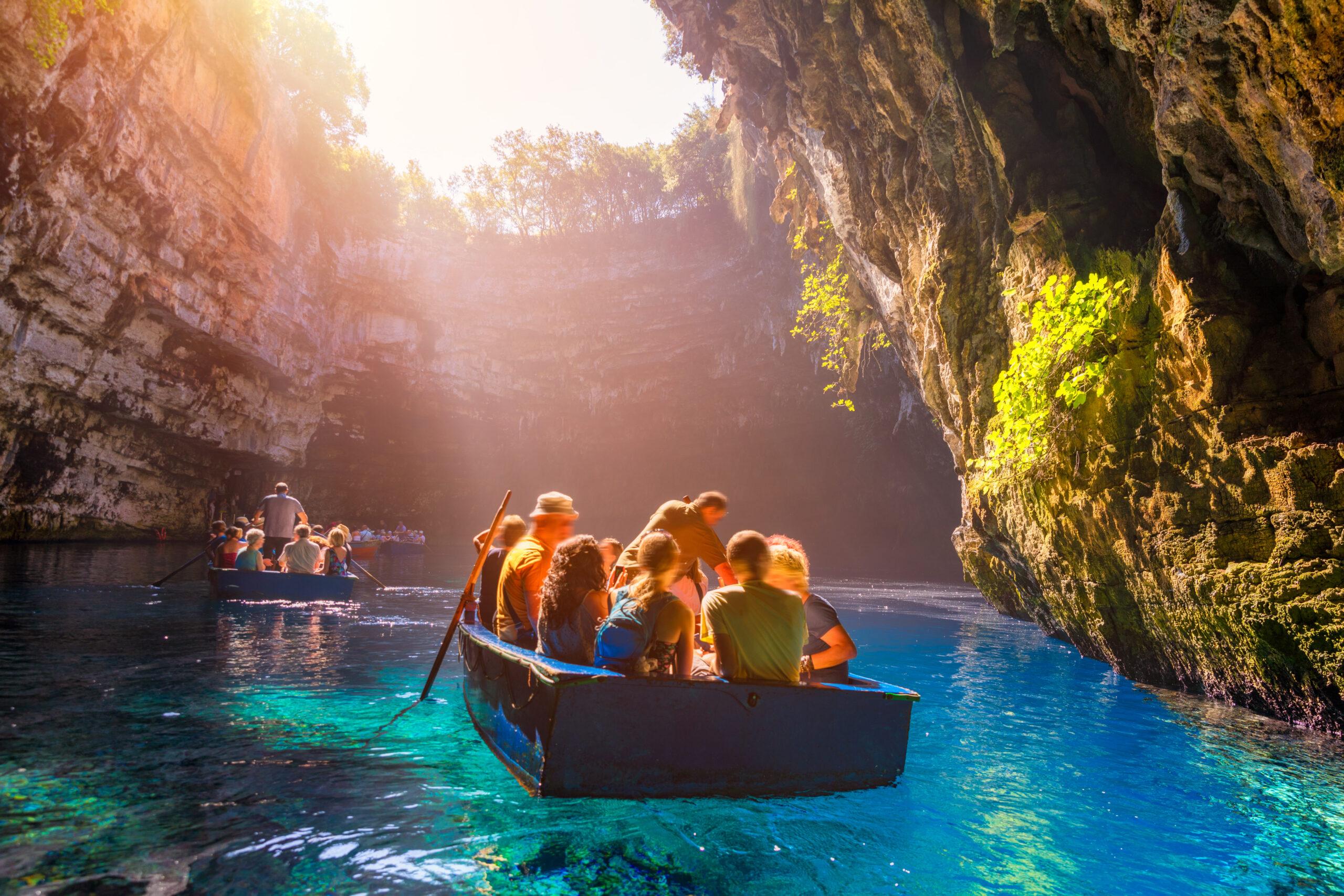
Kids will love taking a boat out on the underground Melissani Lake and its subterranean caves – when the sun shimmers from the opening above onto the still waters, it creates a magical atmosphere. I enjoyed the cool respite from the scorching sunshine!
This extraordinary underground lake is Kefalonia’s most impressive natural phenomenon. Discovered in 1951 when the cave’s roof partially collapsed, visitors now glide across impossibly blue water in traditional rowing boats. The magic happens at midday when sunlight beams directly through the opening, illuminating the crystal-clear water in shimmering turquoise hues. You can see 10 metres down through the transparent water.
Practical information:
• Opening hours: Typically 9:00am-6:00pm (May-October), hours may extend during peak season. Check locally for current times.
• Entrance fee: €10 adults, €5 children (15-minute boat ride included)
• Best time: 11:30am-2:00pm for sunlight effect (but expect crowds)
• Combo ticket: €13 with Drogarati Cave
• Location: Near Sami (5-minute drive)
Top tip: Visit early morning or late afternoon to avoid cruise ship crowds.
Drogarati Cave
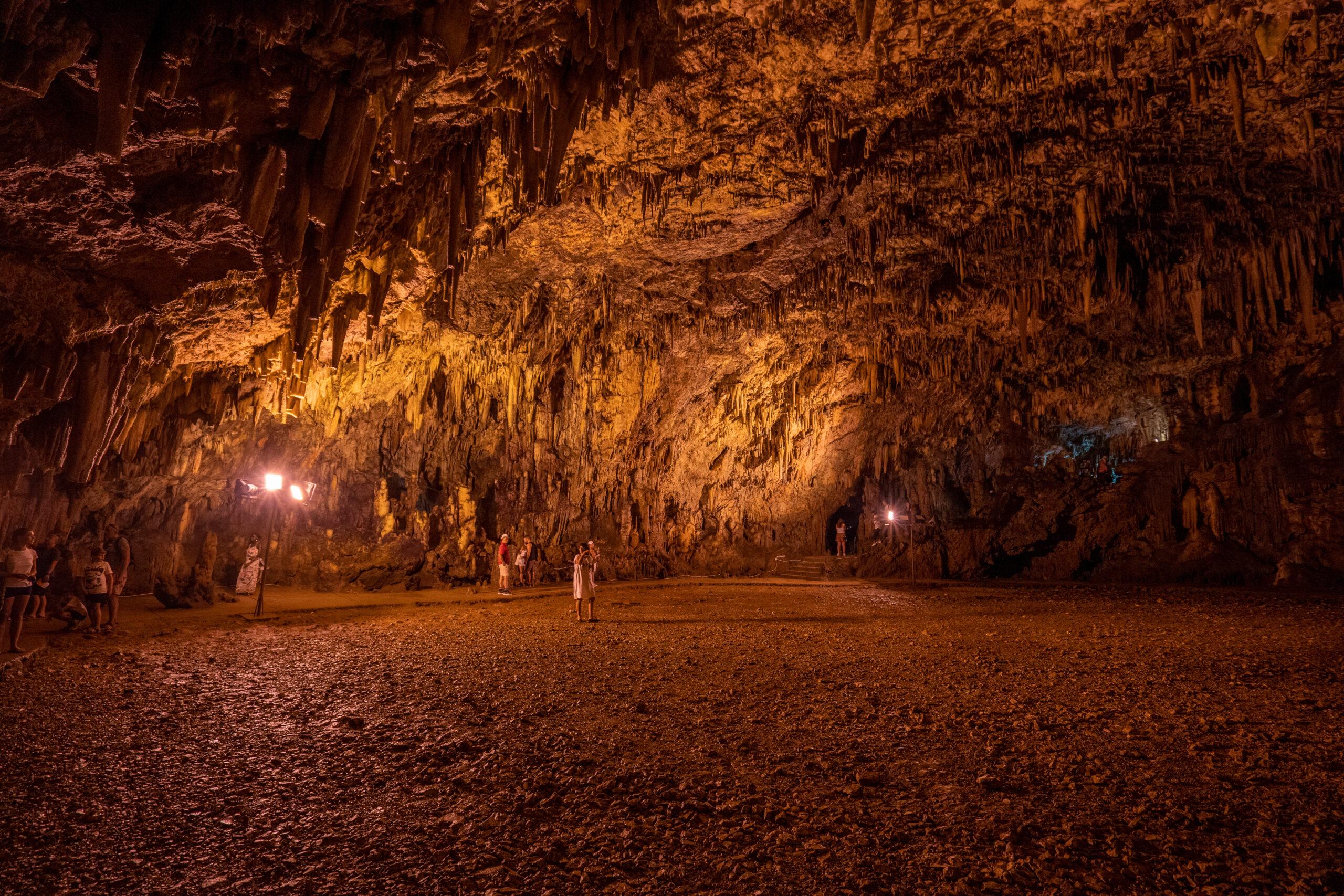
This impressive cave showcases dramatic stalactites and stalagmites in a vast underground chamber. The ‘Chamber of Exaltation’ has such perfect acoustics that concerts have been held here, with notes resonating for up to 12 seconds. The formations took over 150 million years to develop.
Practical information:
• Opening hours: Daily 9:00am-6:00pm (June-October)
• Entrance fee: €6 adults, €3 children
• Location: 3km from Sami – combine with Melissani in one morning
Exploring Kefalonia’s villages and towns
Argostoli – capital of Kefalonia
We loved spending a few hours over lunch, watching the boats bob up and down in the harbour in the island’s capital, Argostoli – filled with great restaurants and shops.
Argostoli provides that perfect blend of authentic Greek town life with tourist convenience. The waterfront Lithóstroto pedestrian street buzzes with cafes, tavernas, and shops selling everything from olive oil to local wines. The De Bosset Bridge (longest stone bridge over the sea when built in 1813) and Korgialenio Historical Museum are worth visiting, while Vallianos Square forms the social heart of the town.
The waterfront promenade comes alive in the evening with the traditional Greek volta (evening stroll) – this is where you’ll experience real Greek island life.
Fiskardo and Assos
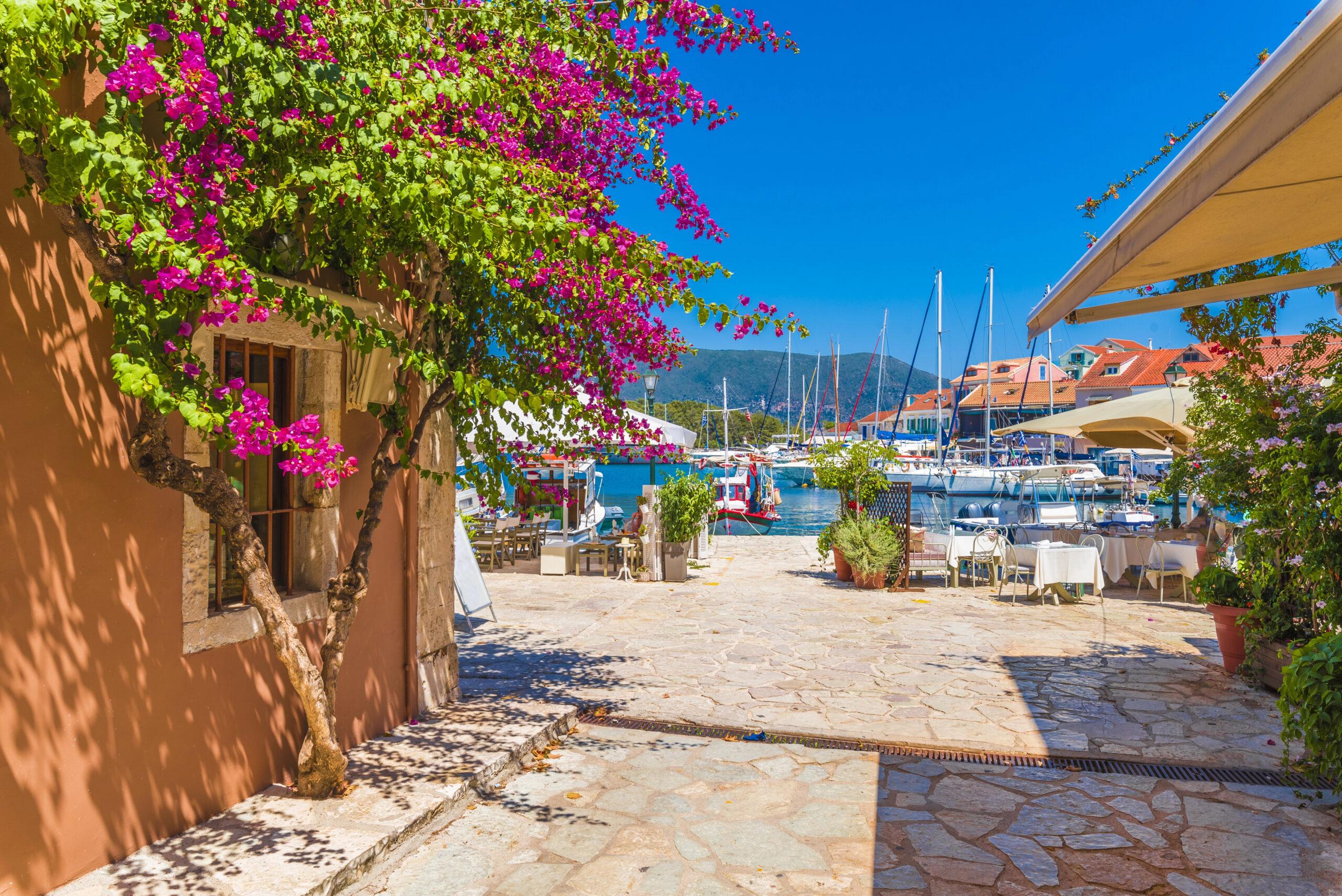
Fiskardo escaped the devastating 1953 earthquake, meaning its Venetian architecture remains beautifully intact. Colourful 18th-century houses line the harbour where luxury yachts moor alongside traditional fishing boats. This upscale village has boutique shops, excellent restaurants, and elegant accommodation – perfect for a long lunch watching harbour activity.
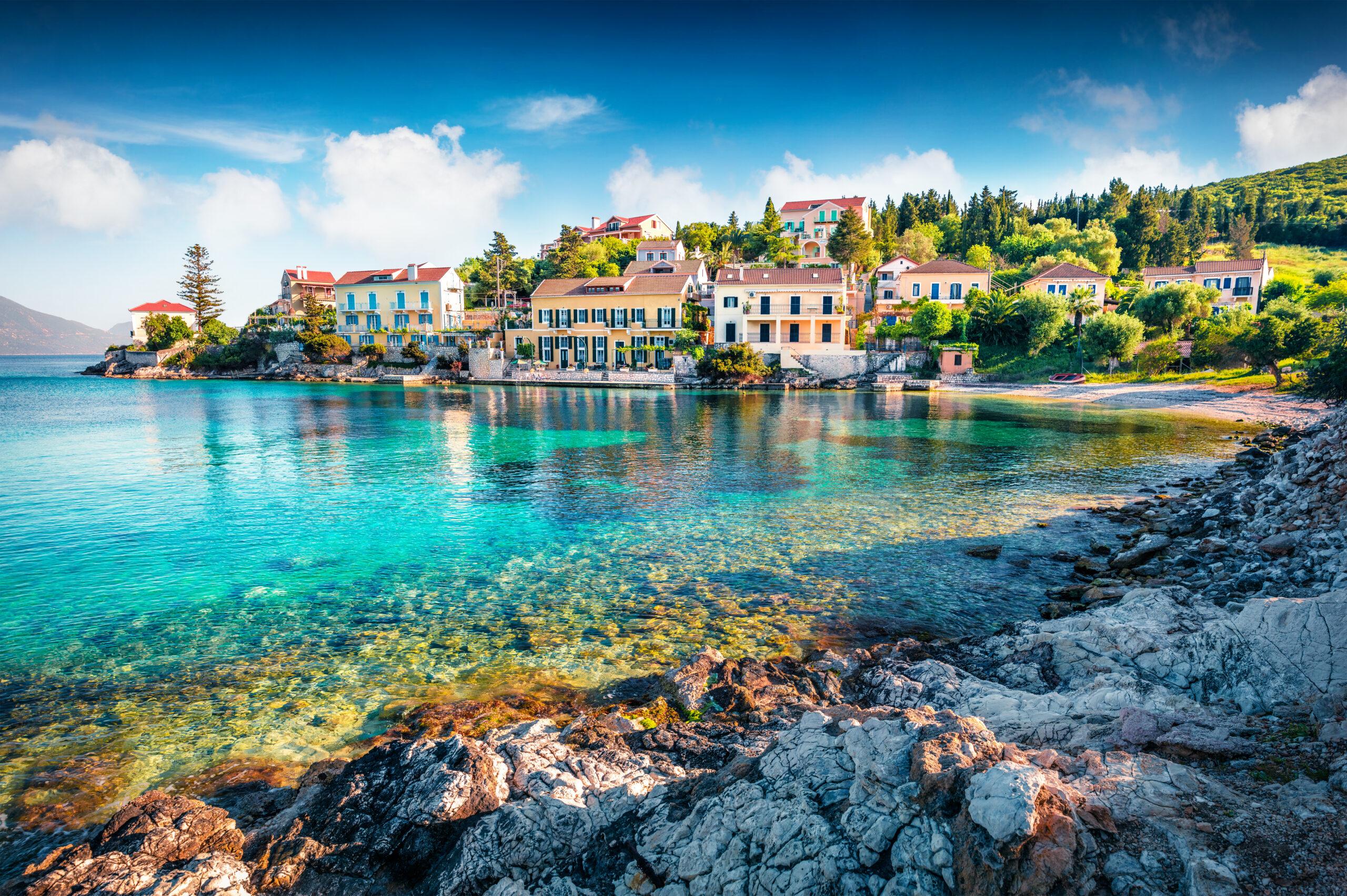
Assos (where we stayed) might be the most photographed village in Kefalonia. This impossibly pretty village tumbles down a narrow isthmus to a protected bay, with pastel houses, a tiny harbour, and a 16th-century Venetian fortress looming above. The village has stayed small and uncommercialised – just a handful of tavernas serving fresh fish, no tacky tourist shops. The Venetian fortress above offers spectacular panoramic views, especially at sunset.
Sami and Karavomilos
We also enjoyed strolling along the beach to and from the port of Sami to the picturesque fishing village of Karavomilos, which has quaint little tavernas and cafes, as well as a huge lake that attracts all sorts of bird life.
This working port town on the east coast provides a base close to both Melissani and Drogarati caves. Sami has excellent traditional tavernas along the waterfront, and the spectacular Antisamos Beach is just 3km away.
History, culture, and monasteries
Agios Georgios Castle
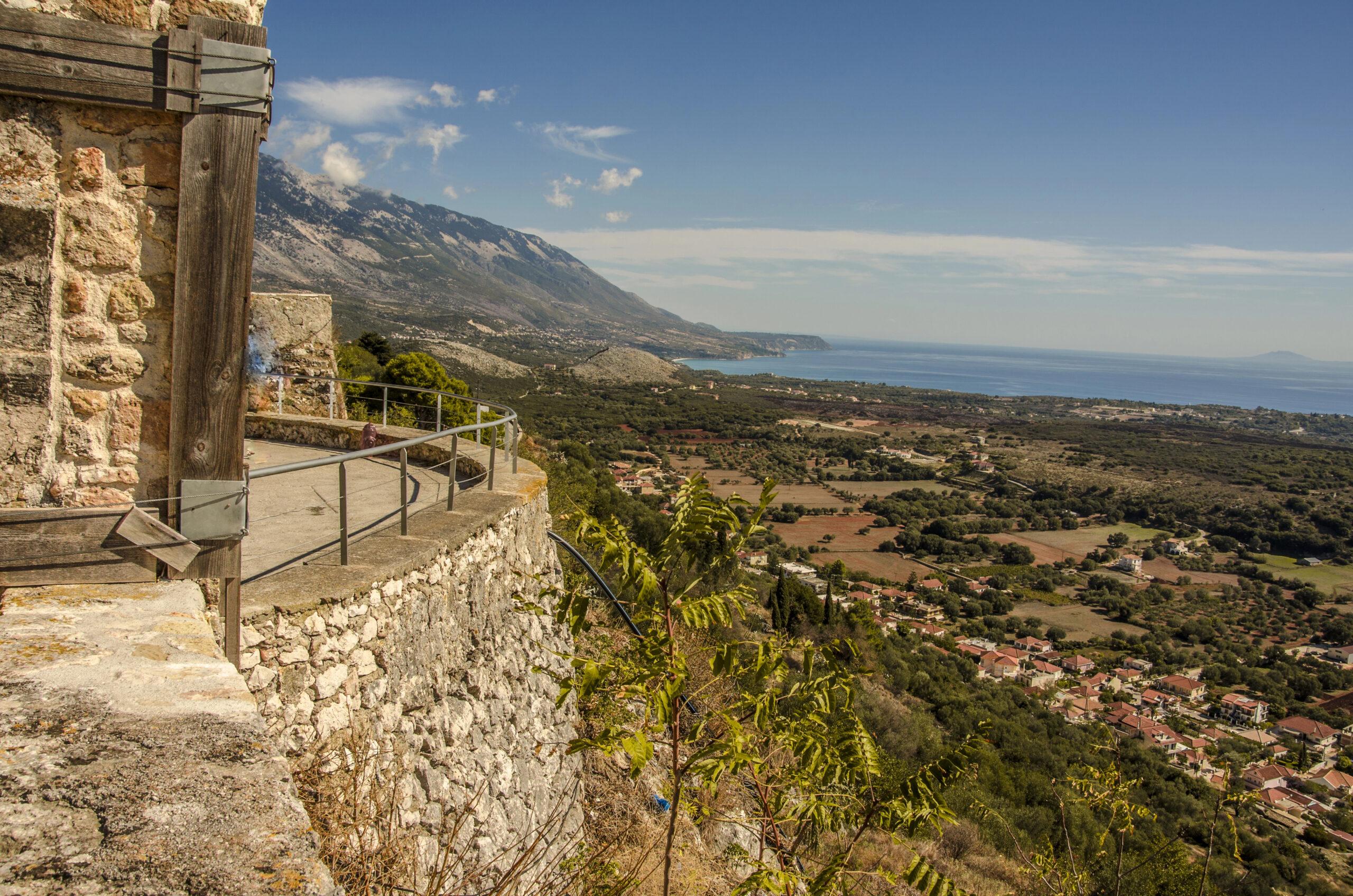
History buffs or those wanting to experience a stunning vista from high above can explore Agios Georgios Castle. It was the capital of Kefalonia for 200 years and is surrounded by a small village with Byzantine churches and restaurants.
This medieval fortress served as Kefalonia’s capital from the 12th century, with spectacular 360-degree views across the island. Atmospheric ruins include the Church of Saint Nicholas with original frescoes.
Location: 7km southeast of Argostoli.
Monasteries
The 16th-century frescoes and valuable treasures at the Monastery of St Andreas are well worth a visit. The Byzantine monastery (dating to around 1264) houses important icons and beautifully preserved frescoes.
Agios Gerasimos Monastery celebrates Kefalonia’s patron saint with his relics in an ornate silver casket. Major festivals occur on 16th August and 20th October with thousands of pilgrims attending.
The 1953 earthquake
The catastrophic earthquake on 12th August 1953 (measuring 7.2) destroyed nearly every building except Fiskardo. This explains why much of Kefalonia looks relatively modern – the reconstruction created opportunities for better planning, while the islanders’ resilience in rebuilding is a source of local pride.
Mount Ainos National Park
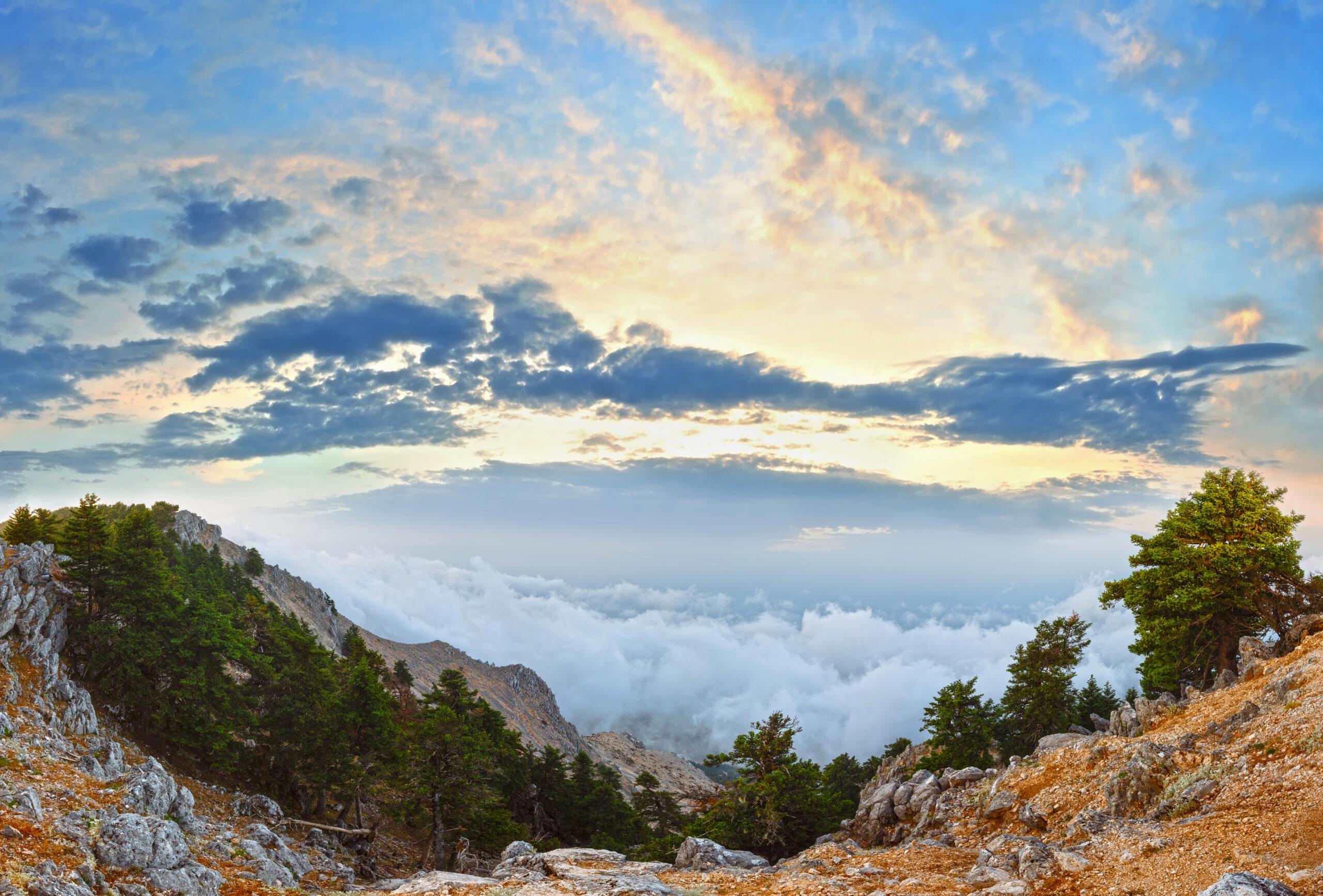
The island’s highest peak, Mount Ainos (1,628m), offers a completely different side of Kefalonia. Lush forests of endemic black pine cover the mountainside, creating landscapes that feel more Alpine than Mediterranean. Hiking trails reward you with panoramic views across the island, and wild horses roam freely. The cooler mountain air provides welcome relief on hot summer days. Bring good walking shoes, water, and sun protection.
Wine tasting and local cuisine
Kefalonia is renowned for its Robola white wine made from indigenous grapes. The unique limestone-rich soil creates wines with crisp acidity and citrus flavours, perfect with fresh seafood. Gentilini Winery and Robola Cooperative of Kefalonia offer tastings. Visit in late August for the Robola Wine Festival in Fragata village.
Local specialities include meat pie (kreatopita) with spiced meat and rice, aliada (garlic sauce), and mandoles (caramelised almond nougat). Fresh fish, grilled octopus, and bourdeto (fish stew) showcase the island’s coastal location. Local honey, olive oil, and thyme are exceptional – buy from village shops for the best quality and prices.
Day trips from Kefalonia
Zakynthos is approximately 1-1.5 hours by ferry from Pessada port. Many visitors combine both Ionian Islands to experience Zakynthos’s famous Navagio Beach and Blue Caves. Read more about things to do in Zakynthos here.
Ithaca, legendary home of Odysseus, is just 20-30 minutes by ferry from Sami, offering a quieter, more traditionally Greek experience.
The short ferry to Kyllini on the Peloponnese (1 hour) opens up mainland exploration, including Ancient Olympia (90 minutes from Kyllini).
Getting around Kefalonia
Car rental is essential for exploring Kefalonia properly. The island is large (904 square kilometres) with scattered beaches and limited public transport. Expect to pay €25-40 per day – book in advance for better rates. Roads are generally well-maintained but often narrow and winding, particularly in the mountains.
KTEL buses operate limited routes connecting Argostoli with main villages, but services are infrequent (often 2-3 times daily) and won’t reach many beaches. Taxis are available but expensive for longer journeys (€25-30 Argostoli to Myrtos Beach one way).
Various boat tours operate from different ports, offering day trips to hidden beaches and coastal caves.
Where to stay in Kefalonia
Choosing the right base matters on this large island. Here’s where to consider:
For families: Lassi (3km from Argostoli) offers family-friendly hotels and easy access to beaches and town facilities. Lourdas provides a quieter south coast base with a beautiful beach. Skala has a long sandy beach with shallow waters perfect for children.
For couples: Fiskardo delivers upscale accommodation in Kefalonia’s prettiest village. Assos provides intimate charm with unforgettable views. The Paliki Peninsula (around Lixouri) offers secluded beaches and a quieter vibe.
Villa rentals: Private villas with pools offer excellent value for families or groups on week-long stays. Popular areas include Svoronata (near airport), Fiscardo area (premium), and Lourdata (south coast peace). Having a villa with a pool is brilliant with children – they can swim whenever they want, and self-catering keeps costs down.
Budget options: Argostoli and Sami have the widest range at different price points. Staying in towns rather than beach resorts generally offers better value.
Booking tip: Book early for July-August when accommodation fills months ahead. Shoulder season (May-June, September-October) offers 30-50% savings with near-perfect weather.
Practical information
Money: Greece uses the Euro. ATMs are available in main towns. Many tavernas prefer cash.
Budget expectations: Meal for two at mid-range restaurant €30-50 | Beer/soft drink €3-5 | Sun loungers per day €8-12 | Car rental €25-40/day | Cave entrance fees €6-10
Language: English is widely spoken in tourist areas. A few Greek phrases are appreciated: kalimera (good morning), efharisto (thank you).
Safety: Very safe with low crime. Main concern is sun exposure – use high-factor sun cream, stay hydrated. Some beaches have strong currents – observe warning flags.
Electricity: Type C and Type F outlets (230V, 50Hz) – standard European two-pin plugs. UK visitors need adapters.
Emergency numbers: 112 (general emergency) | 100 (police) | 166 (ambulance)
Kefalonia Frequently Asked Questions
How many days should I spend in Kefalonia?
A minimum of 5 days allows you to see the main highlights without feeling rushed – caves, multiple beaches, 2-3 villages, and enjoy the relaxed pace. 7-10 days is ideal for truly exploring the island, incorporating day trips, and not feeling constantly on the move. For a long weekend (3-4 days), focus on one area rather than attempting the whole island.
What is Kefalonia most famous for?
Myrtos Beach (consistently voted one of Greece’s best beaches), Melissani Cave with its extraordinary underground lake, and the setting for Captain Corelli’s Mandolin. The island is also increasingly known for its distinctive Robola wine and unspoiled character.
Is Kefalonia touristy?
Compared to Santorini, Mykonos, or even Corfu, Kefalonia is refreshingly untouristy. Main beaches get busy in August, but the island never feels overwhelmed. You’ll easily find quiet beaches, authentic tavernas, and villages that maintain traditional character.
Can you island hop from Kefalonia?
Absolutely! Zakynthos is approximately 1-1.5 hours by ferry, Ithaca is 20-30 minutes, and you can reach the mainland Peloponnese via Kyllini ferry. Many visitors combine Kefalonia with Zakynthos for a two-island holiday. Read more about planning a Greek island hopping itinerary.
Which is better: Kefalonia or Zakynthos?
Both are excellent. Choose Kefalonia for more dramatic mountain scenery, better hiking, authentic villages, excellent wine tourism, and generally less crowded beaches. Choose Zakynthos for livelier beach resorts, the iconic Navagio Beach, sandy beaches over pebbles, and more organised nightlife. Many travellers visit both – they’re just an hour’s ferry apart.
Comments are closed.