Last Updated on 17/11/2026 by Ting Dalton
Quick facts about Reykjavík
- Population: 139,000 (greater Reykjavík around 233,000)
- Currency: Icelandic króna (ISK), roughly ISK 170 = £1
- Language: Icelandic, with English widely spoken
- Time zone: GMT year-round, with no daylight saving
- Best time to visit: June–August for the midnight sun, September–March for the northern lights
- Airport: Keflavík International (KEF), 50km southwest of the city
- Getting around: A compact, walkable centre plus an efficient bus network
Iceland’s capital city is a captivating blend of Nordic charm, vibrant culture and otherworldly natural wonders. This small city of around 139,000 people punches above its weight, offering amazing things to see and do that make it the perfect place for your first visit to Iceland. From the iconic Harpa concert hall to natural hot springs, here are the best things to do in Reykjavik.
Why Reykjavík is the perfect base for Iceland travel
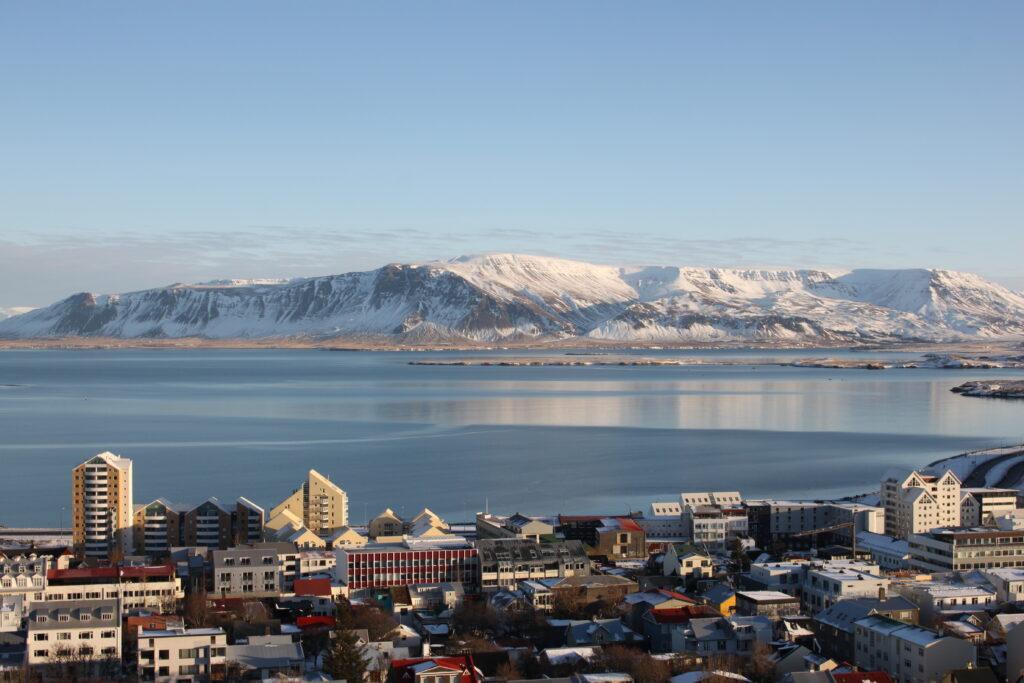
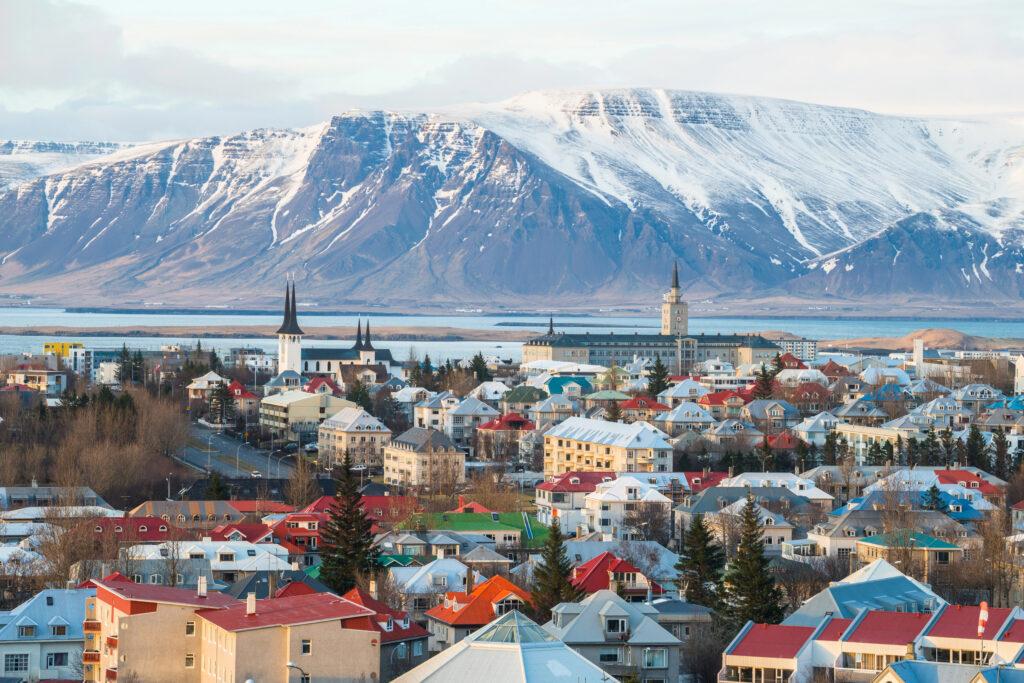
Reykjavík’s backdrop features snowy-topped mountains and blue seas, combining quirky colourful buildings, first-class cafes and restaurants, and a vast array of cultural attractions. It’s also famous for its legendary nightlife and live music scene – there are bars and nightclubs galore, making it party heaven for late-night revellers.
But there’s so much more to discover beyond downtown Reykjavik. The city is the ideal launching point for Iceland’s most famous attractions. The Golden Circle, Blue Lagoon and the south coast are all easily accessible, while the ring road begins right from the capital.
Whether you’re planning a short city break or an epic road trip around Iceland, Reykjavik is the best way to start your Icelandic adventure.
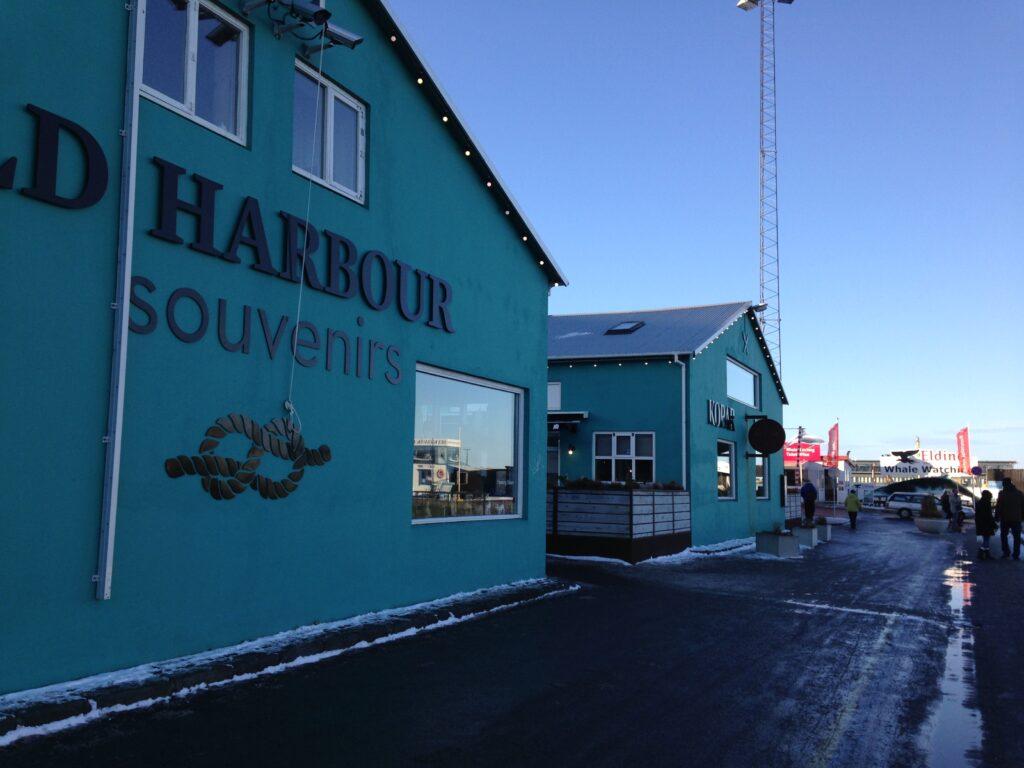
The city centre is compact and walkable, with the main shopping street Laugavegur and the surrounding streets filled with street art, coffee shops and gift shops. It’s a great place to experience Icelandic culture and sample the best of Icelandic cuisine, from mouthwatering hot dogs to innovative Nordic dining.
Top Reykjavík attractions
Go to the top of Hallgrímskirkja
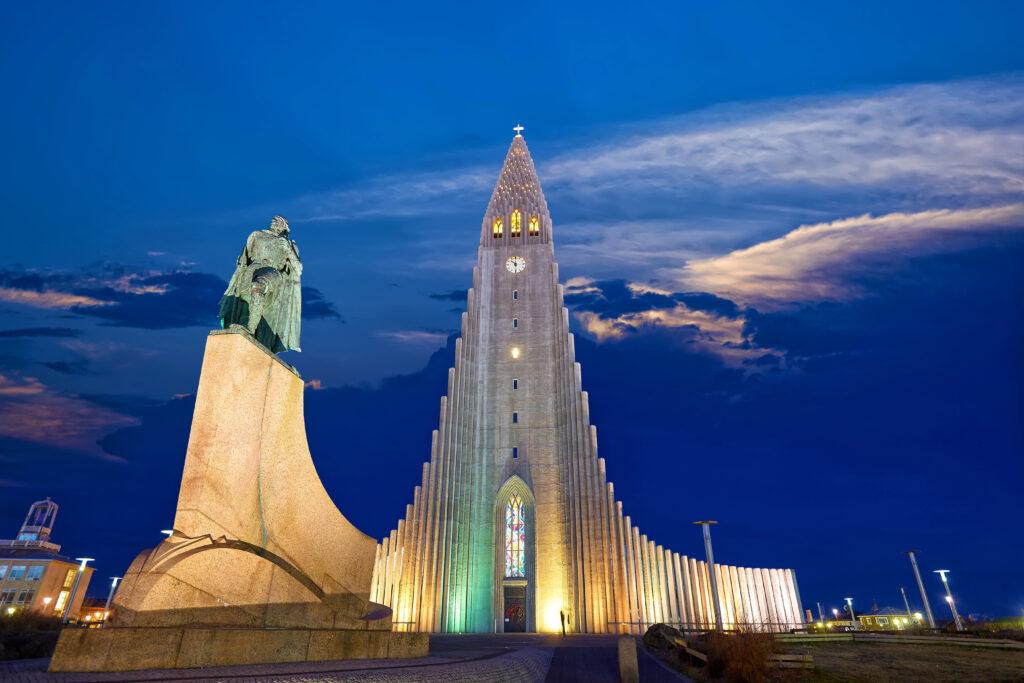
The magnificent Hallgrímskirkja Church dominates Reykjavík’s skyline. It’s an impressive building, but even more so is the stunning view of the city from its 75.5m tower. You reach it by an elevator for a small fee, but be warned – we got the fright of our lives when the clock struck the hour and the bells chimed.
This iconic landmark offers the best views in the city, with the viewing platform taking in the rooftops, the surrounding mountains and, on clear days, the lava fields in the distance.
Admission: Adults ISK 1,500 (£8.80), children aged 7-16 ISK 200 (£1.20)
Top tip: Visit in the summer months for extended opening hours and the best chance of clear weather for the views.
Immerse yourself at the Harpa
Our first sighting of Reykjavík’s shimmering Harpa concert hall was at night. We were spellbound by the multi-coloured lattice glass panels that bathe the building in a wonderful glow. The Harpa is just as splendid to look at during the day, and if you’re not catching a show, you can take a short tour. We enjoyed exploring the lobby and looking out at all the boats in the harbour.
Even if you’re not attending an event, this architectural masterpiece is worth visiting for its design alone.
Location: Harpa concert hall, Austurbakki 2 – a short walk from the city centre

Check out the view from Perlan
From the city, you can just make out a large mirrored dome in the distance on Öskjuhlíð Hill, with a shining beacon at night. Perlan sits atop gigantic geothermal-water tanks and has a viewing deck with a 360-degree panorama of Reykjavík and the mountains. There’s a café, and a fancy restaurant at the top of the dome.
The museum has a comprehensive ‘Wonders of Iceland’ exhibition, featuring the world’s first indoor ice cave, interactive volcano displays and a planetarium with northern lights shows.
What makes it special: Perfect for understanding Iceland’s geology and volcanic activity before you head out to see the real thing.
Learn about Vikings at the National Museum
If you want to discover more about the history of Iceland with kids, then a trip to the National Museum is a must. With artefacts such as Viking swords, drinking horns and a sacred bronze figure of Thor, the museum displays a huge collection spanning the Settlement era right through to modern times. Free English tours run at 11am on Wednesdays, Saturdays and Sundays from May to September.
It’s one of the best ways to understand Icelandic history before exploring the rest of the country.
Admission: Adults ISK 3,300 (£19.40), students and seniors (67+) ISK 1,600 (£9.40), under-18s free
Location: National Museum, Suðurgata 41, 101 Reykjavík – a short walk from the city centre
Wander Laugavegur and Skólavörðustígur
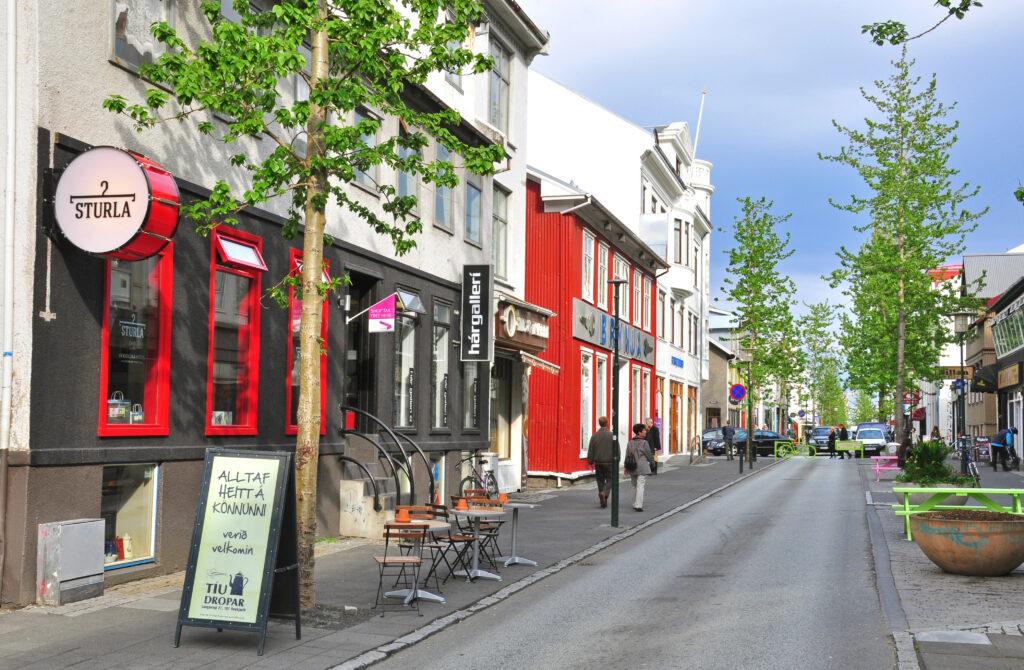
One of Reykjavík’s oldest shopping streets, Laugavegur has countless shops, cafés and bars. Alongside the street art and people-watching, this downtown area is full of life. Aside from browsing the boutiques and stopping for several cakes along the way, it’s just a great area to wander aimlessly.
Our favourite street was Skólavörðustígur – filled with attractive colourful buildings and art galleries, and flanked by the magnificent Hallgrímskirkja church.
Best way to explore: Join a free walking tour, or simply wander with a guidebook to find the hidden gems.

Go bird spotting at Lake Tjörnin
Right in the heart of Reykjavík, Lake Tjörnin – or ‘the pond’ as it’s known locally – has more than 40 species of visiting birds including geese, swans and Arctic terns. In summer it’s popular with families feeding the ducks, and pretty sculptures line the shore. We were amazed to see people actually skating on the frozen lake!
Wildlife watching: Best in the summer months for the most bird species
Winter magic: Often freezes over, creating skating opportunities for the brave
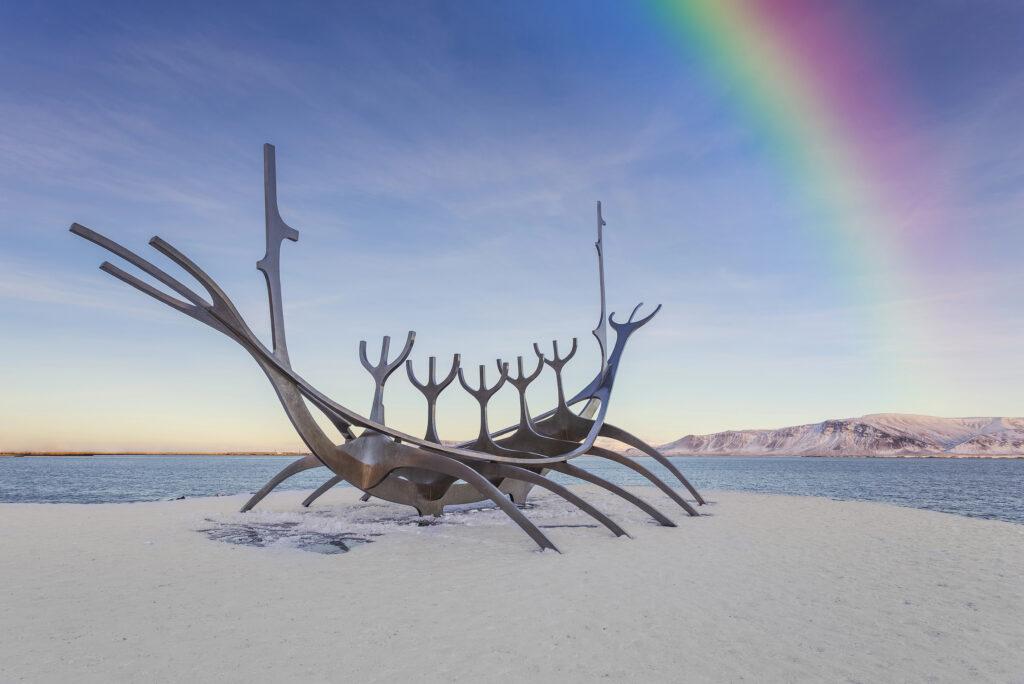
Sun Voyager sculpture, an iconic photo spot
This striking steel sculpture by Jón Gunnar Árnason sits along the waterfront and has become one of Reykjavik’s most photographed attractions. Designed to resemble a Viking ship, it’s particularly stunning at sunset and offers great views across the bay.
Best time to visit: Golden hour, for the most dramatic photos
Location: Waterfront near the city centre – perfect for a short walk
Experience real molten lava at Lava Show
Winner of Tripadvisor’s Best of the Best 2025, the Lava Show is truly one-of-a-kind. This award-winning attraction superheats real lava to 1,100°C and pours it into the showroom, letting you see, hear, smell and feel the intense heat of flowing lava up close. It’s educational and thrilling in equal measure.
The hour-long experience includes a video about Iceland’s volcanic history, followed by the live lava demonstration. The presenter explains the science while manipulating the molten lava right in front of you – watching it bubble, flow and cool into different forms is mesmerising.
Two experience options: Classic (family-friendly, great view seats) or Premium (ages 13+, with balcony seating, a backstage tour of the furnace room, an aperitif, and a piece of lava to take home)
Top tip: Book the Classic experience – you’re close enough to feel the heat without the premium price. Dress in layers, as it really gets hot!
Location: Fiskislóð 73, 101 Reykjavík (Grandi harbour district) – a 20-minute walk from the city centre
Ticket price: Classic ISK 6,590 (£38.80) per adult, Premium ISK 9,990 (£58.80) per adult. Not recommended for children under 5.
Soar over Iceland at FlyOver
FlyOver Iceland offers a 35-minute immersive flying experience that takes you soaring over Iceland’s most spectacular landscapes, all without leaving Reykjavik. You sit suspended with your feet dangling before a massive spherical screen while wind, mist and scents add to the sensation of flight.
The experience includes two pre-show presentations, followed by the 8.5-minute ride over glaciers, fjords, waterfalls and volcanic landscapes. It’s a fantastic way to see parts of Iceland you might not have time to visit, though some feel the ticket price is steep for the ride time.
Best for: Families wanting an overview of Iceland’s landscapes, a rainy-day activity, or those with limited mobility who can’t do the tours
Height requirement: Children must be at least 102cm (40 inches) tall
Location: Grandi neighbourhood, Fiskislóð 73 – easily walkable or take bus 14
Ticket price: Standard admission around ISK 6,490 (£38) per adult (varies – book online for the best rates)
Indulge at Omnom Chocolate
Iceland’s premier bean-to-bar chocolate maker, Omnom Chocolate, has gained international recognition – their Milk of Nicaragua bar was named the world’s best milk chocolate in 2018. The Grandi harbour location has both the factory and an ice cream and chocolate shop that’s become a must-visit for sweet-toothed travellers.
While factory tours aren’t currently offered, you can still visit the shop to taste innovative flavour combinations like liquorice and sea salt, coffee and milk, or cookies and cream. The ice cream is exceptional – try the toasted marshmallow (ísbjörninn) that locals rave about.
What makes it special: The bean-to-bar process means they roast and process their own cocoa beans, and the stylish packaging makes brilliant gifts.
Location: Hólmaslóð 4, Grandi – near Lava Show and Whales of Iceland
Open: Daily
Other unique experiences
- Icelandic Phallological Museum: a quirky attraction showcasing specimens from Iceland’s mammals
- City Hall: modern architecture with interesting exhibitions about Iceland
- Viðey Island: a short ferry ride to a peaceful island with art installations, including the Imagine Peace Tower
- Kolaportið: a weekend flea market for vintage finds and local crafts
- Mount Esja: hiking just outside the city with great views back to Reykjavik
Free things to do in Reykjavík
Not everything in Iceland’s pricey capital requires emptying your wallet. Here are the best free experiences in Reykjavik.
In the city centre
- Wander Laugavegur and Skólavörðustígur – the main shopping streets are perfect for window shopping, street-art spotting and soaking up the colourful architecture
- Visit Harpa concert hall – you don’t need a concert ticket to marvel at the glass facade and walk through the honeycomb interior
- Photograph Sun Voyager – the steel sculpture along the waterfront is one of Reykjavik’s most iconic photo spots
- Feed the ducks at Lake Tjörnin – over 40 bird species visit this central pond, and in winter it often freezes solid
Hidden gems most tourists miss
Explore the Old Harbour and Grandi district. This revitalised maritime neighbourhood has gone from a working harbour to one of Reykjavik’s coolest areas, and it costs nothing to explore. Colourful fishing boats bob in the water, street art covers the warehouse walls, and the Marshall House has free gallery exhibitions. Simply wandering gives you a real sense of Reykjavik’s character beyond the tourist centre.
Best time: late afternoon for golden light, or sunset for dramatic harbour views
Discover street art throughout downtown. Reykjavik’s creative spirit splashes across buildings, fences and alleyways, with new murals appearing regularly. Some of the best line the Grandi district and the streets around Laugavegur. Make it a game and challenge yourself to spot as many as you can.
Grótta lighthouse and beach. About 5km west of central Reykjavik, this peaceful peninsula has dramatic coastal views, a red-and-white lighthouse and surprising birdlife. At low tide you can walk across to the lighthouse island. It’s also one of the better spots within the city to catch the northern lights, away from downtown light pollution.
Hike Elliðaárdalur nature reserve. It’s hard to believe this lush valley with cascading waterfalls sits within Reykjavik’s city limits. This huge reserve has walking and cycling trails through woodland and alongside streams, with waterfalls along the way. A local favourite that most visitors miss entirely.
Perfect for: escaping the city while staying in the city, or stretching your legs after long drives around Iceland
Browse Kolaportið flea market (weekends only). Iceland’s only flea market runs in an old harbour building every Saturday and Sunday. Browse vintage clothing, Icelandic handicrafts, second-hand books and sometimes questionable traditional foods like fermented shark. Even if you don’t buy anything, it’s a fascinating glimpse into local life.
Location: Tryggvagata (Old Harbour area)
Hours: Saturdays and Sundays 11am–5pm
Insider tip: Arrive early for the best selection, and bring cash as not all vendors take cards
Reykjavík’s geothermal culture
Splash around at Laugardalslaug
Once the main source of the city’s hot-water supply, Laugardalur – which means Hot Springs Valley – is a large stretch of parkland with a huge swimming complex fuelled by the geothermal spring. The area also has a skating rink, spa, cafe, zoo and gardens, but it’s Laugardalslaug, one of the largest pools in Iceland, that’s the big draw. There’s an Olympic-sized indoor pool, plus outdoor pools, seven hot-pots, a steam bath and a water slide.
It’s the best way to experience Iceland’s famous pool culture and understand why locals love their geothermal hot springs.
What to expect: mandatory naked showers before entering (an Icelandic custom)
Great experience: swimming outdoors in winter while the snow falls around you
Address: Laugardalslaug, Laugardalur og Háaleiti, Reykjavík
Sky Lagoon, luxury hot springs
For a more upscale geothermal experience closer to the city, Sky Lagoon offers a premium alternative to the Blue Lagoon. This newer attraction has dramatic ocean views and a seven-step ritual involving cold plunges and geothermal bathing.
Best for: adults seeking a sophisticated spa experience
Location: just outside Reykjavik, Vesturvör 44-48, 200 Kópavogur
Ticket price: from around ISK 12,990 (£76) for the entry pass
Food and drink
From fine dining to fast food, Iceland’s culinary scene is booming. Don’t let the thought of fermented shark or liver pudding intimidate you. From lamb stews to Icelandic pancakes, plus international cuisine, you’ll get a real taste of Iceland on a plate. Reykjavik has hundreds of bistros, cafés and restaurants to choose from.

Scoff a hotdog or three
Quite possibly one of the tastiest hot dogs I’ve ever had the pleasure to scoff, you can’t go to Reykjavík and not fill up on these. A nondescript truck near the harbour, Bæjarins Beztu sees queues of hungry tourists and Icelanders after a hot dog with the works – a delicious trio of sweet mustard, ketchup and crunchy onions. It’s cheap, filling and impossible to have just one. Our son even wanted another!
Location: Tryggvagata – open daily 10am–2am, weekends until 4.30am
Local tip: order like a local and try the lamb hot dog with traditional toppings
Reykjavík food walks and food tours
A food tour is one of the best ways to sample Icelandic cuisine beyond hot dogs. Many local guides offer food walks through downtown Reykjavik, introducing traditional and modern dishes, from plokkfiskur fish stew to innovative Nordic cooking.
Good idea: book a food tour early in your stay to discover restaurants for later. GetYourGuide has plenty to choose from.
Reykjavík’s exceptional coffee culture
Coffee isn’t just a drink in Reykjavik, it’s a way of life. The city has one of Europe’s best coffee scenes, with numerous independent roasters and cosy cafes where locals gather through the day to gossip, work or simply enjoy the ritual of a perfectly brewed cup.
Unlike British coffee culture, where quick takeaway cups dominate, Reykjavik’s cafes encourage lingering. Icelanders drink more coffee per head than almost any other nation, and you’ll quickly understand why when you taste the quality here.
Top independent cafes worth seeking out:
- Reykjavik Roasters – serious about their beans, with knowledgeable baristas. Several locations, but the Kárastígur branch has the best atmosphere
- Stofan Café – vintage furniture, mismatched china and a living-room vibe that makes you want to linger. Perfect for people-watching along Laugavegur
- Kaffi Vínyl – excellent coffee plus vinyl records you can browse and buy. The ultimate hipster hangout, but seriously good coffee
- Sandholt Bakery – not just coffee, but incredible Icelandic pastries and bread. Get there early, as locals queue out the door
- Café Babalú – quirky decor, strong coffee and generous portions. Popular with freelancers and students on laptops
Why is Iceland’s coffee culture so strong? The long, dark winters mean hot drinks are essential, and with beer banned until 1989, coffee houses became Iceland’s social hubs. That tradition continues today with exceptional beans and passionate baristas.
Bistros and gin
We had such a fun-filled evening at Snaps Bistro, a popular restaurant with an open kitchen in downtown Reykjavík. It’s a lively place with a great seafood menu – we enjoyed the huge mussels – and we loved trying drinks from the gin and tonic list too. Book ahead, as we saw plenty of people being turned away. Other bistros with great reputations include Reykjavik Kitchen, 101 Bistro and Mama Reykjavik.
Wildlife and nature experiences
Go whale watching
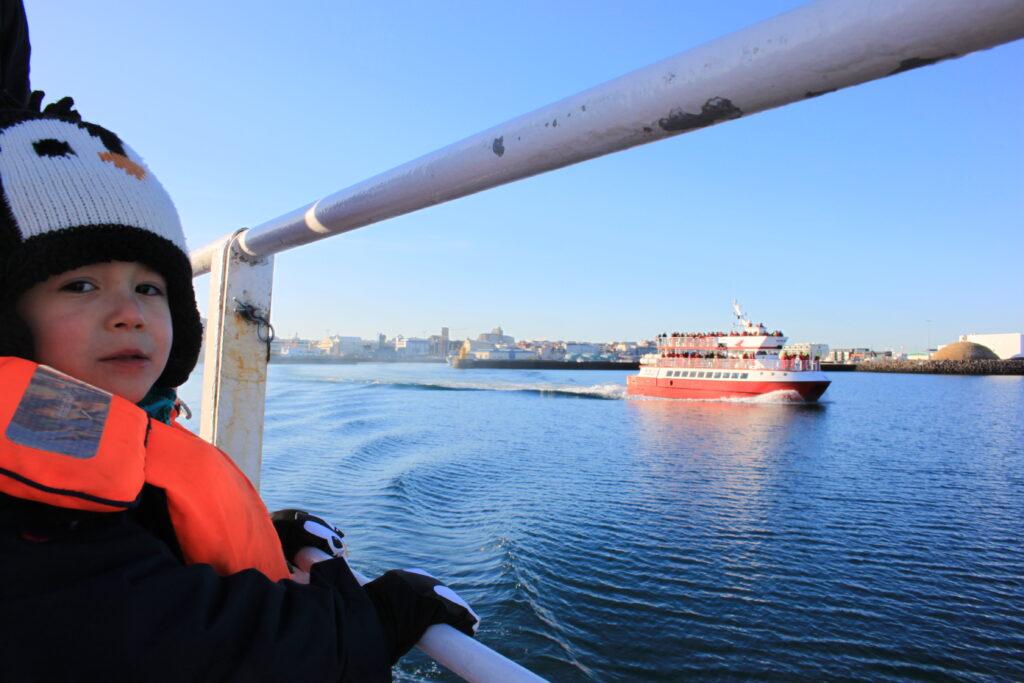
Or spot a pod of dolphins and porpoises. Head to Reykjavík’s Old Harbour and you’ll find several companies offering daily whale-watching trips. With price boards and staff on hand, you can simply pop along to find out more. We went with Elding, the capital’s original operator, and had a wonderful time spotting white-beaked dolphins and a minke whale.
Iceland’s waters are home to minke whales, humpback whales and various dolphin species. Summer offers the best chance of sightings, though tours run year-round.
Best experience: full-day tours that combine whale watching with other activities
Practical tip: choose operators offering warm suits and refreshments
Northern lights tours
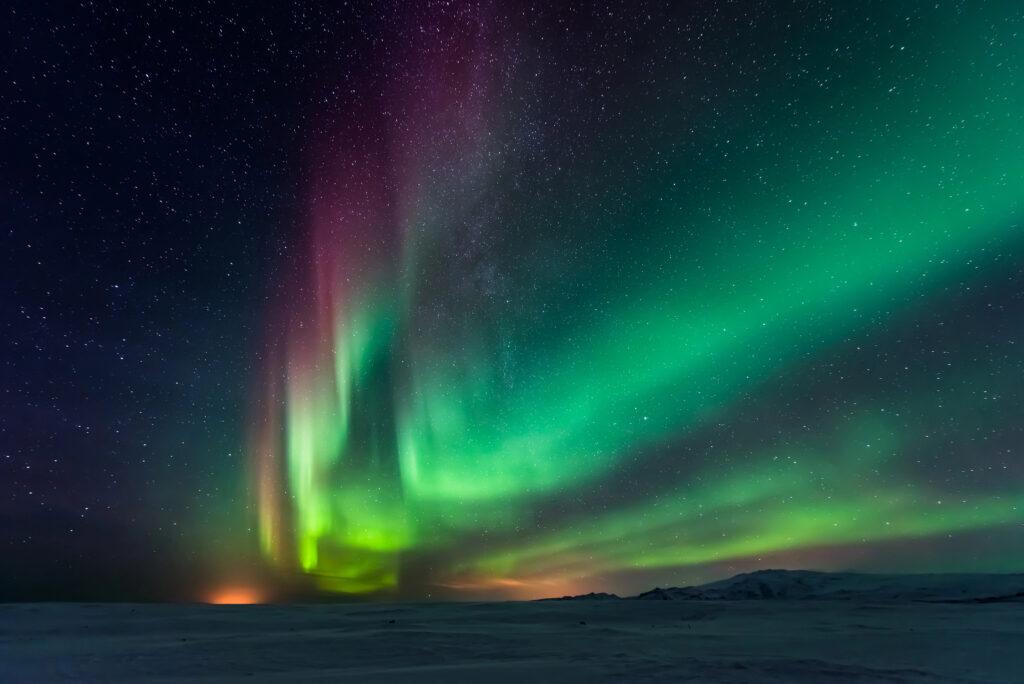
During the winter months (September to March), Reykjavik is the perfect base for northern lights hunting. The city’s light pollution can interfere with viewing, so many tour guides take small groups to the best spots outside the city for the clearest aurora.
Best time of year: October to February for the highest chance of clear, dark skies
Alternative: Perlan’s planetarium offers northern lights shows when the weather doesn’t cooperate
Day trips from Reykjavík
Golden Circle, Iceland’s most popular route
The famous Golden Circle takes in three of Iceland’s most iconic natural attractions – Þingvellir National Park, the Geysir geothermal area and Gullfoss waterfall – all easily reached from Reykjavik in a single day. This classic route showcases geysers, waterfalls and the meeting point of tectonic plates.
Great way to do it: join a small-group tour or rent a car for flexibility
Swim at the Blue Lagoon
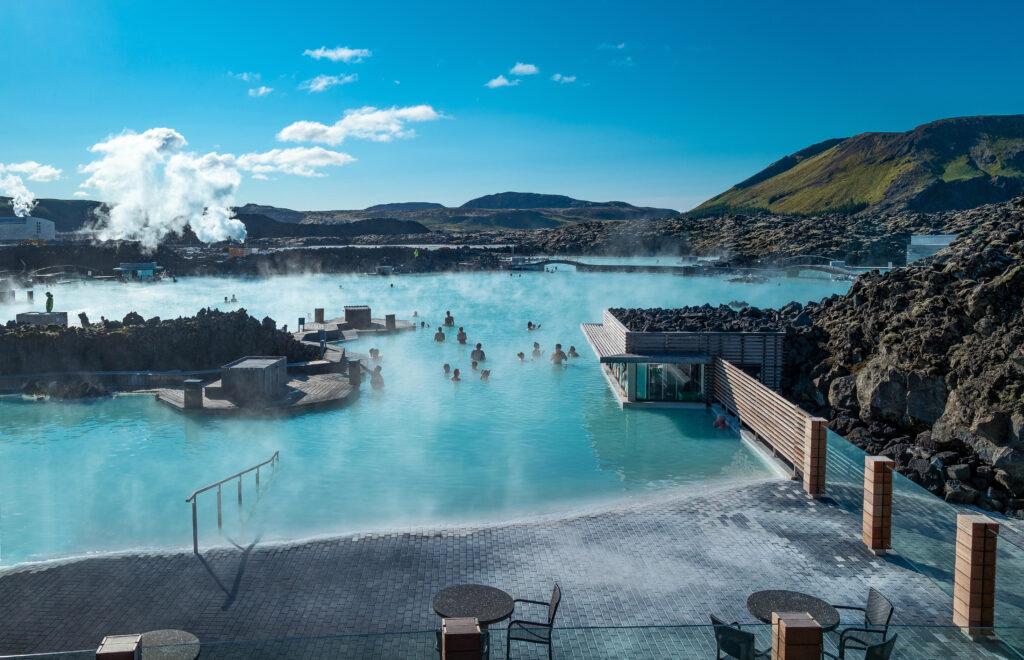
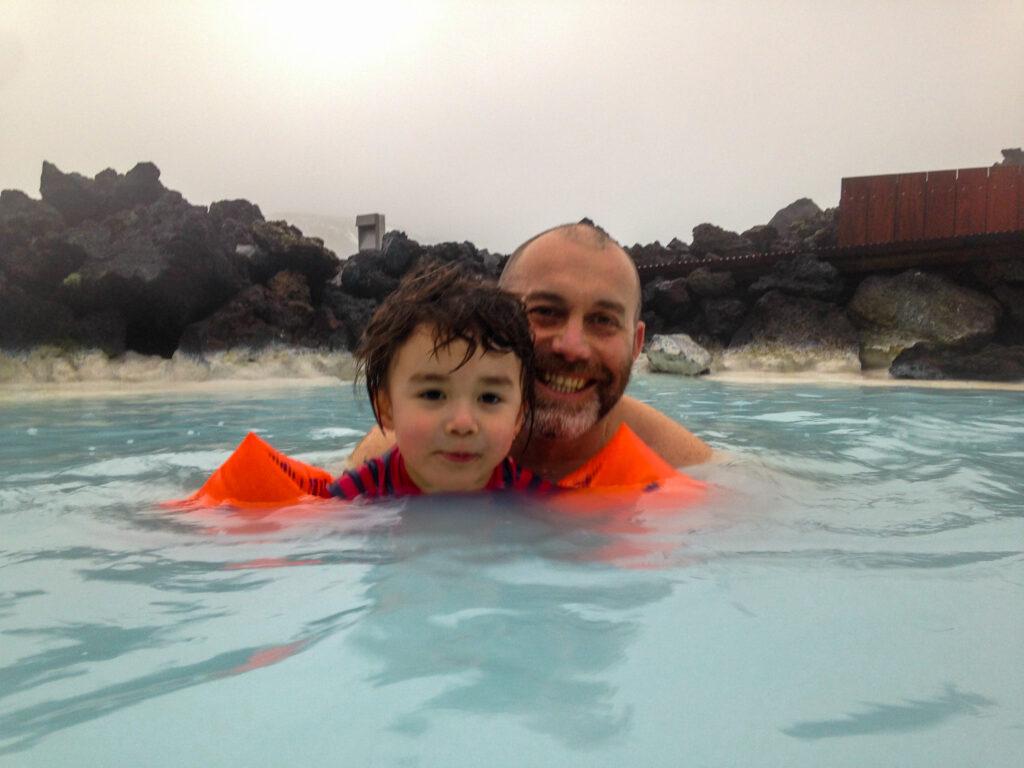
You can’t come to Iceland and not swim at its most famous attraction. Excess water from a nearby geothermal plant is pumped into a large lagoon at a delightfully warm 38°C, and it renews itself every 40 hours. We spent a whole wet and windy afternoon there, and it was an experience like no other. We all adored it.
Planning tip: book well in advance, and consider visiting en route to or from the airport
Cost: from €70-140 (£60-120) depending on the package
Address: The Blue Lagoon, Grindavík (20 minutes from Keflavik Airport, 45 minutes from Reykjavik)
Family tip: children aged 2-13 enter free, but must wear water wings if under 9
South coast adventures
Iceland’s south coast features dramatic waterfalls, black sand beaches and glaciers. Many day tours depart from Reykjavik, though it’s also accessible via the ring road if you’re planning a longer road trip. There’s more in my 7-day Iceland itinerary.

Reykjavík with kids
Visiting Iceland with kids is easier than you think. We saw plenty of Icelanders out with their children, there were several playgrounds in the Reykjavík suburbs where we were staying, and all the locals we met either chatted to our son or gave him a wave or a smile.
Every restaurant and cafe catered for his needs, and although there was nothing specifically aimed at keeping him occupied, he was never bored – there was so much to do. And let’s not forget the snow. I defy any child not to be giddy with excitement at the powdery, deep snow that enveloped the whole city.
In nearly all cases, kids under 12 get into most attractions for free, and that includes transport – our bus transfers from the airport and to the Blue Lagoon saw our son ride for free. It certainly makes a nice change.
Head to Reykjavík Zoo and Family Park
Based in Laugardalur next to the Botanical Gardens, the family park and zoo has enclosures filled with reindeer, farm animals, seals and arctic foxes, plus cold-water tanks filled with fish. There’s also a mini racetrack, child-sized bulldozers, a giant trampoline, boats and fairground rides. Open all year, we escaped the bitter cold for a hot drink in the Coffee House.
Admission: ages 6-12 ISK 1,170 (£6.90), 13+ ISK 1,700 (£10)
Address: Reykjavík Park and Zoo, Múlavegur 2, 104 Reykjavík
Perfect for: families with children of all ages – plan for a half-day visit
Marvel at life-sized whales
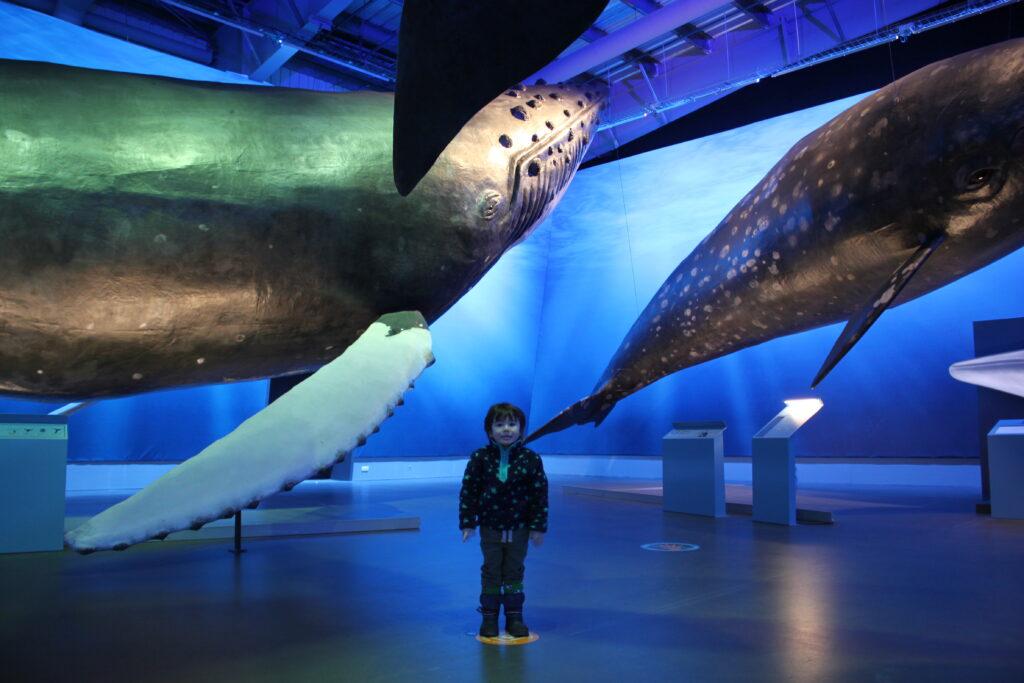
One of the most interesting things we did in Reykjavik was learning about whales. Before our whale-watching trip, we took our son to see 23 life-sized models of whales found off the Iceland coast, including sperm and blue whales. Whales of Iceland is an exhibition in what can only be described as a giant warehouse.
It’s excellent preparation for a whale-watching tour, with interactive displays perfect for understanding marine life before you see the real thing.
Address: Whales of Iceland, Fiskislóð 23-25
Ticket price: around ISK 4,300 (£25.30) per adult
Family swimming experiences
Iceland’s geothermal pools are perfect family activities. Children love the warm outdoor pools, especially in winter when steam rises around them. Most pools have dedicated children’s areas and slides.
Family tip: bring your own towels or budget for rentals at each facility
More Iceland information
How to get to Reykjavík
Most visitors arrive at Keflavik International Airport (KEF), about 50km (31 miles) from Reykjavik. The airport is Iceland’s main international gateway, with direct flights from Europe and North America.
From the airport to Reykjavík
- Airport bus: regular shuttles (Flybus or Gray Line) run every 30-45 minutes, taking about 45 minutes to the city centre. Around ISK 3,500 (£25)
- Rental car: most major companies operate at the airport. The drive takes about 45 minutes via Route 41
- Private transfer: taxis and private transfers are available but more expensive
- Public bus: route 55 connects the airport to Reykjavik but takes longer with multiple stops
Best option for families: the airport shuttle buses are family-friendly and often the most convenient, with some offering hotel drop-offs.
What is the currency?
Iceland uses the Icelandic króna (ISK), often simply called “króna” locally.
- Exchange rate: roughly ISK 170 = £1 (rates fluctuate)
- Card payments: Iceland is largely cashless, and cards are accepted almost everywhere, even for small purchases
- ATMs: widely available throughout Reykjavik if you need cash
- Tipping: not expected but appreciated for exceptional service (5-10%)
- Budget planning: Iceland is expensive, so expect premium prices for food, drinks and activities

Getting around Reykjavík
Walking: the city centre is compact and easily walkable, with most main attractions within a short walk of each other
Public transport: an efficient bus system covers the greater Reykjavik area
Hire a car: if you’re planning to explore further afield, you’ll have more freedom with your own rental car
Get a Reykjavík City Card
With prices high in Iceland, it’s always worth bagging a bargain, and the Reykjavík City Card is just the ticket. It offers free admission to the city’s municipal thermal pools and most of the main museums and galleries, plus free travel on the capital’s buses. And while children enter free in most places, the Children’s City Card takes care of everything else.
Includes: free entry to 17+ museums and galleries, all eight geothermal pools, unlimited bus travel in the capital area, the Viðey Island ferry, plus discounts at restaurants and shops. Available online here – a 72-hour card costs ISK 10,500 (£62).
When to visit
Summer (June–August): midnight sun, the warmest weather, all attractions open, best for outdoor activities and whale watching
Winter (September–March): northern lights season, fewer crowds, a cosy atmosphere and perfect for geothermal experiences
Best time of year: it depends on your priorities – summer for activities, winter for the aurora and budget travel
Book ahead: popular attractions and restaurants fill up, especially in peak season
Frequently asked questions about visiting Reykjavík
How many days do you need in Reykjavik?
Two to three days is ideal for Reykjavik itself – enough time to see the main attractions, enjoy the food scene and soak up the atmosphere without rushing. If you’re using Reykjavik as a base for day trips (Golden Circle, Blue Lagoon, south coast), plan for five to seven days in total. You could easily spend longer if you love exploring neighbourhoods, trying every cafe and soaking in pools.
Minimum: 24 hours if you’re just passing through on the way to the ring road
Sweet spot: three full days in the city plus day trips
Is Reykjavik expensive?
Yes, Iceland is one of Europe’s priciest destinations, but it’s manageable with planning. A meal at a mid-range restaurant costs ISK 3,000-5,000 (£18-29), a pint of beer around ISK 1,200 (£7), and attraction entry typically ISK 2,000-4,000 (£12-24).
Money-saving tips:
- Buy alcohol at duty-free on arrival, as Icelandic prices are eye-watering
- Eat the famous hot dogs (around ISK 650/£3.80) and visit bakeries for affordable meals
- Stay in self-catering accommodation and cook some meals
- Many attractions offer free entry for children under 18
- Public swimming pools offer exceptional value (around ISK 1,330/£8)
- Take advantage of free activities: walking, Harpa, street art and nature reserves
Can you see the northern lights from Reykjavik city?
Yes, but it’s tricky. Reykjavik’s light pollution makes viewing harder. The northern lights are visible from September to March on dark, clear nights, but you’ll have much better chances if you drive 30-45 minutes outside the city or join a dedicated tour.
Best spots within Reykjavik: Grótta lighthouse, the Seltjarnarnes peninsula, or areas along the eastern coastline away from downtown lights
Realistic expectations: check the aurora forecast daily. You need a KP index of 3+ and clear skies. If it’s truly important to you, book a tour that rebooks you if the lights don’t appear.
Alternative: Perlan’s northern lights planetarium show lets you experience the aurora whatever the weather
What’s the best way to get from Keflavik Airport to Reykjavik?
Airport shuttle bus (best value for most): Flybus or Airport Direct run every 30-45 minutes, taking 45 minutes to the city centre, costing around ISK 3,500 (£25) per adult. Some include hotel transfers, and children often travel free or half-price.
Rental car (best for flexibility): pick up at the airport and drive the 50km via Route 41. Takes about 45 minutes, and is essential if you’re planning day trips or a ring road adventure.
Taxi or private transfer (most expensive): around ISK 20,000 (£117) for the journey. Only worth it for groups of four or more splitting the cost, or if arriving very late or early.
Our recommendation: take the shuttle into Reykjavik, explore the city for two to three days, then pick up your rental car when you’re ready for day trips. This avoids paying for parking in the city centre.
Is Reykjavik safe?
Extremely safe. Iceland consistently ranks as one of the world’s safest countries. Violent crime is virtually non-existent, and Reykjavik feels safe to walk around at any hour, even during the legendary weekend pub crawl (rúntur).
Sensible precautions: watch your belongings in crowded tourist areas, don’t leave valuables visible in rental cars, and be careful on icy pavements in winter. The biggest danger is slipping on ice, not crime.
Do I need to book attractions in advance?
Blue Lagoon: absolutely yes – it sells out weeks ahead in summer
Popular restaurants: highly recommended, especially Friday and Saturday dinner slots
Most city attractions: not essential, but booking online often saves money and guarantees entry. FlyOver Iceland, Lava Show and whale-watching tours can sell out on busy days.
General rule: summer (June to August) needs more advance planning. Winter offers more flexibility, except around Christmas and New Year.
What should I pack for Reykjavik?
Layers are everything. Iceland’s weather changes constantly – you might get four seasons in one day.
- A waterproof, windproof jacket (the wind is relentless)
- Warm fleece or wool layers
- Comfortable waterproof walking shoes with good grip
- A swimsuit, for the hot pools and geothermal baths
- Sunglasses year-round, as the light is intense
- A small daypack for day trips
Don’t overpack warm clothes – many visitors bring too much. Reykjavik’s winter temperatures are surprisingly mild (around 0°C) thanks to the Gulf Stream, though the wind creates a serious chill factor.
More Iceland guides
- The ultimate 7-day itinerary – follow for Iceland’s top highlights
- Blue Lagoon – all my top tips before you visit
- A family trip to Iceland – planning for Iceland with kids
- The Secret Lagoon – discover Gamla Laugin
- Whale watching in Reykjavik – what to expect
Looks like you really went for it! Reykjavik is definitely great and I need to go back in the hope that whales and the northern lights appear next time!
I have the feeling that Monkey had a beautiful time! Reykyavik (and Iceland) has lots of interesting things to do!
As you know, because you’ve read my book, I went to Reykyavik once, and it was a very different experience! Really want to go back and have a proper family experience, especially after reading this fabulous post xxx
Oh now I really want to go back again after reading your post – I love this place!! We never got to do a whale watching trip, the weather was too bad and rough seas meant they were cancelled but I would love to do it sometime.
Iceland is firmly on my bucket list, it looks amazing. We did whale watching in New Zealand, it was one of the best experiences of my life. I know that if we ever went again it wouldn’t be as good because we were so incredibly lucky with what we saw. But I’d still go again. I’d also love to go to the blue lagoon.x
It’s the most amazing experience isn’t it? We saw them properly in Australia but in Iceland we just caught a whiff of a tail – although the pod of dolphins was pretty spectacular. Iceland is such a wonderful country – people tell me that it’s like New Zealand in some parts
Yay , Iceland is fun for everyone, children and adults ! I remembered the smoothies at the Laundromat Café.. yummy !
I remember your recommendation to go there Gin! So thanks!
Just the kind of list I need for my eventual trip to Iceland, whenever that may be! Monkey looks so cute with his hot dog:).
🙂 He nailed it! That’s how yummy they are!
Great post, we loved Reykjavik – this makes me want to visit again!
Thanks Nichola, we really fell in love with Iceland!
I am dying to go to Reykyavik, but I would honestly would prefer to go just with my husband. 🙂
Think next time we would too! 🙂
Ting the more I read your posts about Iceland the more I want to go. I just know our boys would love it and Joe would be fascinated by the whale models, we would all love the whale watching too, and ooh the food sounds great just what you want when it is cold, delicious comfort food x
You guys would seriously love it! You have to go – I am now a big fan xx
These activities sound like as much fun for adults as kids. What a great idea to have free entry and transport for children. Their parents are likely to spend more if they haven’t blown their budget with those costs.
They most definitely are!
I’m going next month (only for a few days and minus the children) bit these places sound fab for without kids too! Stunning pictures #citytripping
Oh you’re going to love it! Granted you’ll be able to enjoy the nightlife more! Hope you have fun. Quite jealous!
That is a great list. The Blue Lagoon is my favourite. I undertsand you all (and not only Monkey) adored it.
I know it was busy, and popular, but it really is worth going 🙂
So many wonderful things to do! Reykyavik sounds like a brilliant destination for families. Whale watching and the Blue Lagoon would go down particularly well with my two. #citytripping
I loved how everything there was pretty much suited to everyone from singles, to couples to families.
Love this post so much – I visited Iceland in October and wouldn’t immediately have thought of Reykyavik as being good for kids but your post proves it is. I also vouch for the Laundromat – awesome lunch there! #citytripping
I didn’t either when I first booked it, but it really is family friendly. What was the weather like in October?
Looks like that munchkin had a great time! So cute! Iceland has definitely moved up on my list of places to visit with our kids. #citytripping
We all had such a great time. I highly recommend it
Oh this makes me want to go straight back to Reykjavik – I felt like we packed so much in to our short break, but we only really scratched the surface of things to do in the city. I’d love to do whale watching, and those models are incredible. (The milkshakes sound pretty good too). #citytripping
I think it’s impossible not to pack so much in. You could stay for 4 weeks and still be wanting more – I reckon
WOW! There really is a lot to do there with children! That church is stunning ! The Blue Lagoon and whale watching are a must and I love the sound of Laundromat. I really REALLY want to go now! Thanks for sharing on #citytripping
Go, go, go! 🙂 Well maybe after little one is here 🙂
OMG, there is sooo much to do!! Everything is fun for both children and adults!
I love it all. I so want to see whales and the Geysers 😀
Poor Monkey scared by the bells, oh no!! haha
He really didn’t like the bells! I have quite a funny photo but I didn’t put it up 🙂
I don’t have kids, but I think learning about whales, wandering the botanical gardens and eating delicious food sounds like fun at any age!!
Brrr! I think some of that snow is headed this way, Ting. 🙁 Great coverage on the city and you make it look very appealing, despite the cold. 🙂
Thanks so much Jo. Hope you’re well
The laundromat cafe has permanently closed in Feb 2018. It’s now a hipster bar! Total shame.
Hey!
We are travelling to iceland shortly with our 4 month old.
I desperately want to go to the blue lagoon.
Is there anywhere that my husband and baby can enter & enjoy (even if not in the hot water as it is likely not allowed and too hot for her)? Like a lounge, or observation area where they can see the blue water?
Hi, thanks for getting in touch. You’re going to have a wonderful time. Yes there is definitely a little cafe and observation window at the Blue Lagoon that I am sure your husband can sit in. Children under the age of 2 are not permitted, so you’re right your baby is too young. Hope you have a great time, and I do have lots of other Iceland and a Blue Lagoon post if you need more info