Yes, Tenerife is absolutely worth visiting. This Spanish island in the Canary Islands offers year-round sunshine, dramatic volcanic landscapes, pristine beaches, world-class attractions, and authentic Canarian culture. Whether you’re seeking a relaxing beach holiday, outdoor adventures, or family fun, Tenerife delivers an unforgettable experience that rivals any destination in Europe.
The largest of Spain’s Canary Islands, Tenerife attracts over 7 million visitors annually – and for good reason. After my first visit a few years ago, I discovered there’s far more to this island than just sun, sea, and sangria. From the snow-covered peaks of Mount Teide (Spain’s tallest mountain) to tropical beaches stretching across miles of coastline, Tenerife offers incredible diversity packed into one accessible island.

It’s even home to the world’s second-largest carnival, where revellers party through the famous Carnaval de Santa Cruz. But what truly makes Tenerife worth visiting is how it caters to every type of traveller – families, couples, adventure seekers, and nature lovers all find their perfect place on this remarkable island.
Quick answer: Why Tenerife is worth visiting
Climate: Year-round sunshine with 300+ days of sun annually
Landscapes: Volcanic peaks, green forests, dramatic cliffs, and diverse beaches
Activities: World-class theme parks, hiking, water sports, whale watching
Accessibility: 4-5 hour flight from the UK, two international airports
Value: Excellent value compared to mainland Europe destinations
Diversity: Something for everyone – beaches, mountains, culture, nightlife
Safety: One of Europe’s safest destinations with excellent infrastructure

12 reasons to visit Tenerife
1. Perfect weather virtually all year round
One of the most compelling reasons Tenerife is worth visiting is its enviable climate. The island enjoys sunshine 300+ days per year, earning its nickname “Island of Eternal Spring.”
Summer (June-September) brings hot, dry weather with temperatures around 28-30°C (82-86°F). Perfect for beach days and water activities.
Winter months (December-February) remain mild and pleasant at 20-22°C (68-72°F). While northern Europe shivers, you can still sunbathe on Tenerife’s beaches. The chances of rainfall are slim, making it an ideal winter sun destination.
Spring and autumn offer the best of both worlds – warm temperatures, fewer crowds, and lower prices. These shoulder seasons are particularly popular with nature lovers who want to explore Tenerife’s hiking trails without summer heat.
The south of Tenerife, including Costa Adeje, Los Cristianos, and Playa de las Américas, enjoys even more reliable sunshine thanks to the island’s mountains protecting it from northern clouds.
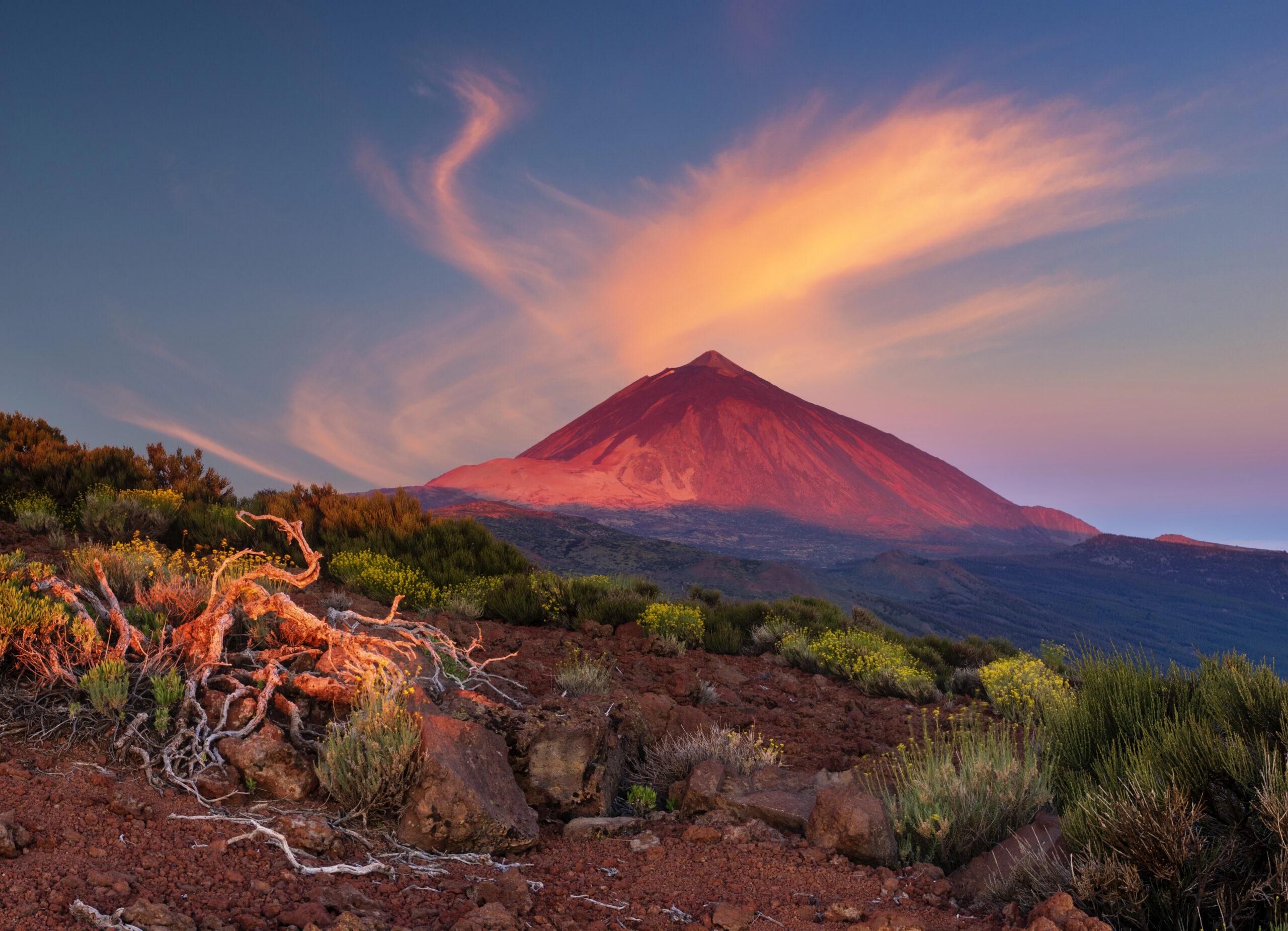
2. Mount Teide: Spain’s highest peak
Mount Teide National Park is an absolute must-see and reason enough on its own to visit Tenerife. This UNESCO World Heritage Site sits right in the middle of the island, featuring some of the world’s most dramatic volcanic landscapes.
Visiting Mount Teide is like stepping onto another planet. The alien rock formations, volcanic soil in shades of red and ochre, and the towering volcano create breathtaking scenery. Standing at 3,718 metres above sea level, Mount Teide is Spain’s highest mountain and the third-tallest volcano in the world when measured from the ocean floor.
The cable car whisks you to 3,555 metres in just eight minutes, offering spectacular views across the island and neighbouring Canary Islands on clear days. From the upper station, hiking trails lead to viewpoints overlooking the massive Pico Viejo crater.
For adventure seekers, hiking to the summit requires a free permit (book months ahead), but reaching the highest point in Spain is an unforgettable achievement. The park receives over 4 million visitors annually, making it Europe’s most visited national park.
The volcanic landscapes, endemic species such as the Teide violet, and stunning sunsets also make this a perfect destination for nature lovers and photographers.
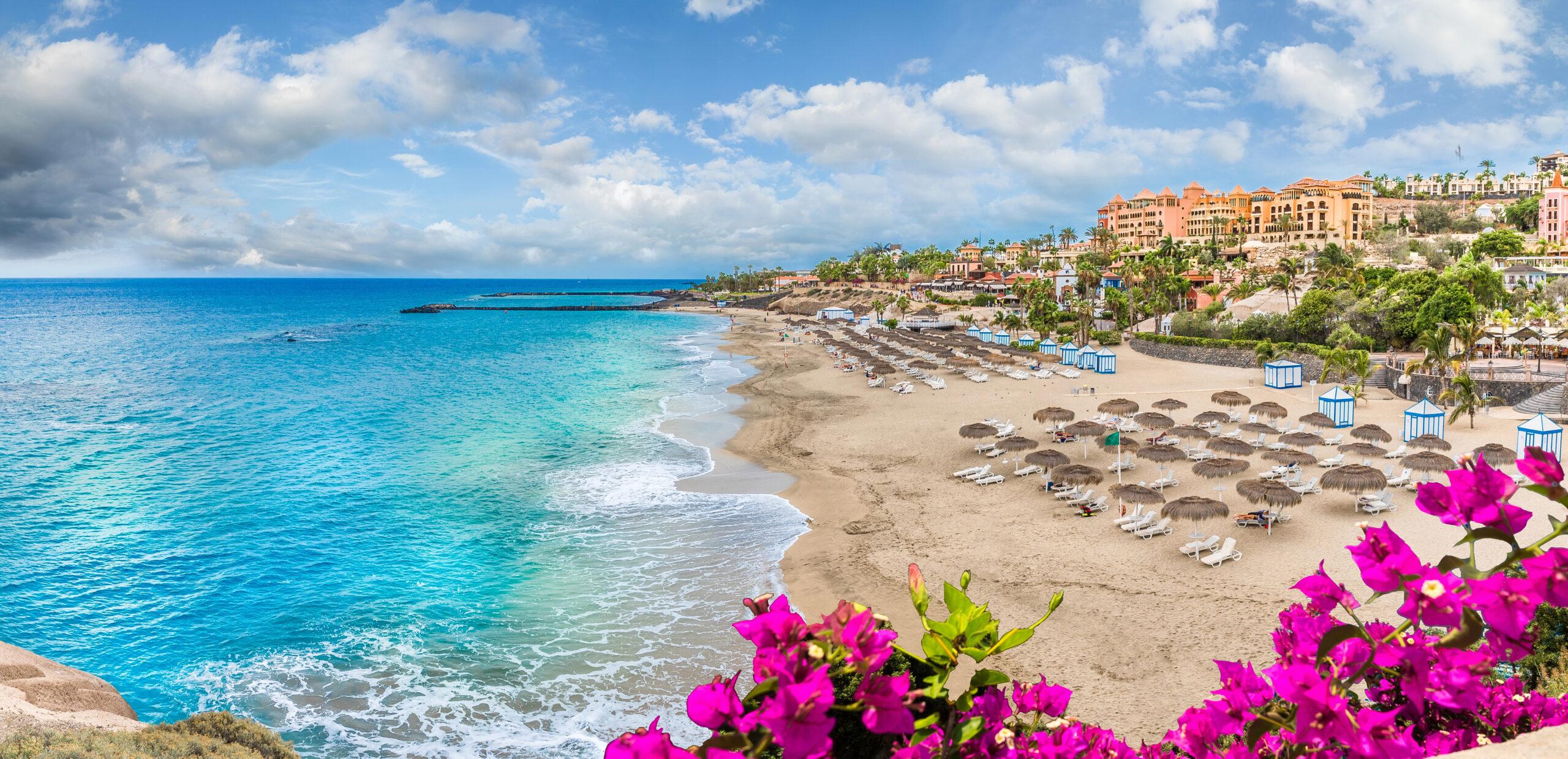
3. Spectacular beaches for every preference
Tenerife boasts many Blue Flag beaches and countless other coastal gems, making it a beach lover’s paradise. The variety is what makes Tenerife’s beaches truly special.
Black sand beaches formed from volcanic rock characterise much of the coastline. Playa Jardín in Puerto de la Cruz showcases dramatic black volcanic sand against lush palm trees and colourful gardens – a unique experience you won’t find on typical Mediterranean beaches.
Golden sand beaches in the south were created using Saharan sand. Playa del Duque in Costa Adeje offers pristine golden sand, calm waters, and upscale beach clubs. It’s one of the best places for a relaxing day by the Atlantic Ocean.
For families, beaches like Playa de las Teresitas near Santa Cruz feature calm, sheltered waters perfect for children. We’ve covered all the best beaches in Tenerife in detail, from hidden coves to resort beaches.
Surfers flock to El Médano on the southeastern coast, where consistent Atlantic swells and trade winds create ideal conditions. The natural habitat of this laid-back surf town contrasts beautifully with the polished resort areas.
Los Gigantes on the west coast boasts dramatic cliffs plunging into the ocean – a spectacular backdrop for swimming and boat trips to see these magnificent rock formations up close.
4. World-class family-friendly attractions
Tenerife excels at keeping families entertained, offering some of Europe’s best theme parks and attractions. This is a great place for families seeking both adventure and educational experiences.
Siam Park, Europe’s biggest water park, consistently ranks as the world’s best water park. The Thai-themed park features adrenaline-pumping slides including the Tower of Power (nearly vertical drop through a shark tank), the world’s longest lazy river, and a wave pool with 3-metre waves. There are gentler options for younger children too, plus restaurants and a floating market.

Loro Parque houses the world’s largest parrot collection alongside killer whales, dolphins, penguins, and tigers. The park’s commitment to conservation and animal welfare, combined with spectacular shows and natural habitats, makes it a must-visit place for animal lovers.
Whale watching is one of the best things to do in Tenerife with kids. The waters between Tenerife and La Gomera are home to resident populations of pilot whales and bottlenose dolphins. Numerous boat trips depart from Los Cristianos, Costa Adeje, and Puerto Colón, offering chances to see these magnificent creatures in their natural habitat.
We’ve detailed more things to do in Tenerife with kids, including interactive museums, adventure parks, and child-friendly hiking trails.
Submarine safaris let you explore marine life without getting wet – perfect for little ones. The yellow submarine descends 30 metres, offering windows into the underwater world.

5. Incredible outdoor adventures for nature lovers
Beyond beaches and theme parks, Tenerife is a paradise for outdoor enthusiasts and nature lovers seeking unique experiences in stunning natural surroundings.
Hiking trails crisscross the island, from easy coastal walks to challenging mountain treks. Masca Valley offers one of Tenerife’s most beautiful hikes, winding through a dramatic gorge with towering rock formations before reaching a remote black sand beach.

Anaga Rural Park in the north showcases ancient green forests (laurel forests) that feel prehistoric. The UNESCO Biosphere Reserve contains endemic species found nowhere else, narrow mountain roads with hair-raising drops, and tiny villages seemingly untouched by time. The contrast with Teide’s volcanic landscapes is remarkable.
Barranco del Infierno (Hell’s Gorge) near Adeje provides a moderate hike through a spectacular ravine ending at a waterfall – rare in these arid islands.
Cycling attracts professional teams who train on Teide’s challenging climbs. The paved roads ascending from sea level to over 2,000 metres offer serious cyclists an epic challenge with spectacular volcanic scenery.
Scuba diving reveals underwater volcanic landscapes, caves, and diverse marine life. The Atlantic waters host rays, turtles, angel sharks, and colourful fish. Water sports including surfing, windsurfing, kitesurfing, paddleboarding, and kayaking are available at numerous beaches.
Rock climbing on the island’s dramatic cliff faces attracts climbers worldwide, particularly around Arico and Guaria.
Stargazing is exceptional thanks to minimal light pollution and high-altitude observatories. Teide National Park offers some of Europe’s clearest night skies – the Milky Way stretches overhead in spectacular fashion.

6. The spectacular Carnaval de Santa Cruz
When you think of carnival, Rio instantly springs to mind. But Santa Cruz de Tenerife’s capital city hosts a glittering party every February, and it’s the world’s second-largest carnival after Rio.
The Carnaval de Santa Cruz transforms the city into a massive street party lasting two weeks. Parades feature elaborate costumes, dazzling floats, and samba rhythms. Dance competitions, live music performances, and street parties continue until dawn every night.
The festivities culminate in the traditional “burial of the sardine” ceremony – a satirical funeral procession where thousands dress as widows, mourners, ghosts, and spirits to bid farewell to the carnival spirit (represented by a sardine or “chicharro” fish, symbolic for locals).
If your visit doesn’t coincide with February, Puerto de la Cruz hosts its own carnival, and many towns throughout Tenerife celebrate with smaller but equally vibrant festivities.
The carnival atmosphere showcases Tenerife’s cultural richness and the islanders’ infectious love of celebration – experiencing this spectacle is reason enough to visit.

7. Authentic Canarian cuisine and wine
Canarian food offers a delicious mix of Spanish, African, and Latin American influences, creating unique flavours you won’t find elsewhere in Spain.
Papas arrugadas (wrinkled potatoes) are Tenerife’s most iconic dish. Small potatoes boiled in heavily salted water until the skin wrinkles, served with two mojo sauces – spicy red mojo picón and herb-green mojo verde. Simple but utterly delicious.
Local fish including cherne, vieja, and sama feature prominently. The Atlantic Ocean provides incredibly fresh seafood served grilled, in stews like sancocho canario (salt fish in spicy sauce), or fried.
Conejo en salmorejo (rabbit in salmorejo sauce) uses wine, garlic, and aromatic herbs.
Puchero canario is a hearty meat stew with chickpeas, vegetables, and local sausages.
Gofio, a toasted grain flour unique to the Canary Islands, appears in everything from bread to desserts. It has been a staple since the ancient Guanche people.
Wine lovers will appreciate Tenerife’s volcanic soil, producing distinctive wines. Visit wineries in the Orotava Valley and near Icod de los Vinos to sample local varieties. The volcanic terroir creates unique mineral flavours unlike any other Spanish wine.
From Michelin-starred restaurants to traditional tapas bars and local guachinches (informal family-run restaurants), the local cuisine showcases Tenerife’s rich culinary heritage.
8. Charming towns and historic architecture
Beyond the resort areas, Tenerife’s historic towns offer authentic Spanish island culture and beautiful architecture.
San Cristóbal de La Laguna, a UNESCO World Heritage Site, was Tenerife’s original capital. Colourful colonial buildings line narrow streets, creating a perfect place for wandering. The historic centre showcases Canarian architecture with traditional balconies, beautiful churches, and lively plazas. University students give the town a youthful energy.
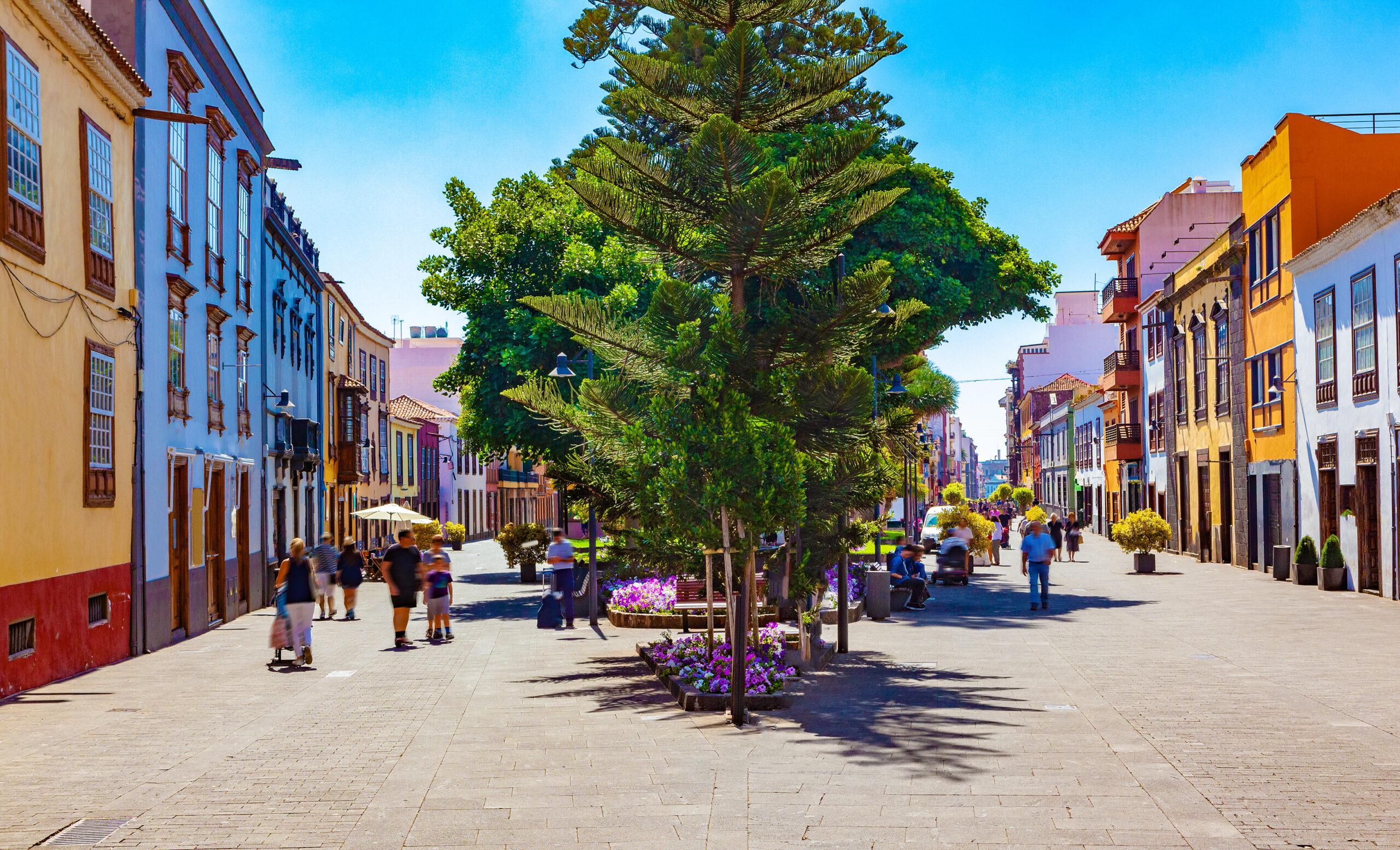
La Orotava in the north features stunning historic buildings with traditional Canarian wooden balconies. The Casa de los Balcones (House of Balconies) is now a museum showcasing local crafts. The town’s gardens and plaza make it one of the most beautiful places in Tenerife.
Puerto de la Cruz retains an authentic Spanish character despite being a tourist destination. The botanical garden, old fishing harbour, and traditional architecture contrast with the modern resort developments in the south.
Icod de los Vinos is famous for the ancient Drago Milenario (thousand-year-old dragon tree) and wine production. The small town atmosphere and Cueva del Viento (Wind Cave) – Spain’s longest volcanic tube – make it worth visiting.
Garachico on the north coast was once Tenerife’s most important port until a 1706 volcanic eruption destroyed it. The hardened lava created natural rock pools perfect for swimming, and the rebuilt town showcases beautiful historic architecture.
9. Excellent value and easy access
Tenerife offers exceptional value compared to many European destinations, making it accessible for various budgets.
Two international airports (Tenerife South and Tenerife North) receive direct flights from across Europe. The UK enjoys 4-5 hour flight times, making Tenerife an easy destination for a long weekend or longer holiday.
Accommodation ranges from luxury resorts in Costa Adeje to budget-friendly apartments in Los Cristianos. The variety means every budget finds suitable options.
Food and drink remain affordable, especially when eating away from resort centres. A meal at a local restaurant costs significantly less than equivalent dining in mainland Europe. Wine, beer, and spirits are notably cheaper.
Activities offer great value – many beaches are free, hiking costs nothing beyond transport, and even major attractions like Teide cable car tickets are reasonably priced compared to similar experiences elsewhere.
No additional costs for language barriers – English is widely spoken in tourist areas, and Spanish is part of the EU, so no visa requirements for European visitors.
10. Diverse towns and resort areas
Each part of Tenerife offers distinct character, allowing visitors to choose their perfect base.

Costa Adeje epitomises upscale Tenerife. Luxury resorts, designer shops, excellent restaurants, and pristine beaches make it the best option for those seeking refinement. The Royal Hideaway Corales Beach and similar properties offer five-star luxury.
Los Cristianos balances resort amenities with an authentic Spanish atmosphere. The old fishing harbour, local market, and mix of tourists and residents create a more grounded experience than purely resort areas.
Playa de las Américas delivers non-stop entertainment – nightlife, bars, clubs, and live music dominate this purpose-built resort. Young people and party-seekers find it the best place for action-packed holidays.
Puerto de la Cruz in the north offers cooler temperatures, lush vegetation, and authentic Canarian culture. The botanical garden, seafront pools, and colonial architecture appeal to those seeking sophistication over sun-loungers.
El Médano attracts surfers and kitesurfers with its consistent winds and laid-back vibe. This is a great place for those wanting to escape the traditional tourist scene.
Santa Cruz de Tenerife combines capital city bustle with Spanish authenticity. The shopping district, museums, and local restaurants showcase everyday Canarian life.

11. Unique geological wonders and natural phenomena
Tenerife’s volcanic origins created extraordinary natural features found nowhere else.
Los Gigantes cliffs rise 600 metres vertically from the Atlantic Ocean – these massive rock formations create one of Spain’s most dramatic coastal landscapes. Boat trips from the small town reveal caves, hidden beaches, and the cliffs’ full majesty.
Volcanic rock formations throughout the island tell millions of years of geological history. Roques de García in Teide National Park features twisted spires of phonolitic rock eroded into bizarre shapes.
Cueva del Viento near Icod de los Vinos is one of the world’s longest volcanic tubes. The guided tours explore this underground labyrinth formed by flowing lava.
Black sand beaches showcase the volcanic soil characteristic of the Canary Islands. Unlike imported golden sand beaches, these natural black sand beaches like Playa de San Marcos feel authentically Canarian.
Punta de Teno at the island’s northwestern tip offers dramatic scenery where mountains meet the sea. The lighthouse sits at the end of a winding road through the Teno Mountains, providing spectacular Atlantic Ocean views.
The volcanic landscapes throughout Tenerife create an otherworldly atmosphere – from the moon-like Teide crater to the lush ravines where volcanic soil nurtures unique vegetation.
12. Year-round activities and events
Tenerife’s calendar bursts with festivals, concerts, and events ensuring there’s always something happening.
Live music venues in every resort area host everything from tribute acts to classical concerts. Santa Cruz’s Auditorio de Tenerife (designed by Santiago Calatrava) presents world-class performances.
Sports events include international tennis tournaments, cycling races, and triathlons. The climate makes Tenerife ideal for outdoor competitions year-round.
Local festivals (fiestas) celebrate patron saints in every village, featuring traditional costumes, Canarian music, and local food. These authentic events showcase the island’s living culture beyond tourism.
Food festivals celebrate local cuisine throughout the year. Wine harvest festivals, fish festivals, and food fairs let visitors sample regional specialities.
Christmas transforms Tenerife’s towns with elaborate nativity scenes and festive markets, while summer brings beach concerts and outdoor cinema screenings.
Is Tenerife worth visiting for different types of travellers?
For families
Absolutely yes. Tenerife ranks among the world’s best places for family holidays. The combination of safe beaches, world-class theme parks, mild weather, and excellent infrastructure makes it ideal for children of all ages.
Family-friendly accommodation includes aparthotels with kitchens (cost-effective for self-catering) and all-inclusive resorts. Many hotels offer kids’ clubs, children’s pools, and family entertainment.
Beaches like Playa de las Teresitas have calm, shallow waters perfect for young children. The south’s consistent sunshine means reliable beach days.
Healthcare is excellent – English-speaking doctors are available in all resort areas, and the EU health card covers emergency treatment for European visitors.
For couples
Definitely worth visiting. Tenerife offers romance alongside adventure. Luxury resorts in Costa Adeje provide adult-only pools, spa facilities, and fine dining. Sunset at Los Gigantes, stargazing at Teide, or a boat trip searching for whales create memorable experiences.
The north’s boutique hotels in Puerto de la Cruz and historic towns offer charm and sophistication. Canarian restaurants provide intimate dining, and coastal walks deliver stunning scenery without crowds.
For solo travellers
Yes, Tenerife is safe and welcoming for solo travellers. The tourist infrastructure makes everything accessible, and English is widely spoken. Resorts buzz with activity making it easy to meet other travellers.
Solo hiking is popular – well-marked trails and frequent walkers provide safety. Beach resorts offer water sports centres where solo travellers can join group activities.
For nature lovers
This is the perfect place. The diversity of natural habitats – from Anaga’s green forests to Teide’s volcanic moonscape, dramatic coastal cliffs to peaceful volcanic beaches – provides endless exploration.
The UNESCO Biosphere Reserve status of Anaga, the UNESCO World Heritage Site of Teide, and marine reserves demonstrate Tenerife’s commitment to preserving its natural habitat.
Endemic plant species, resident whale populations, and unique geological formations make Tenerife special for anyone interested in nature.
For adventure seekers
Absolutely. Water sports, hiking, climbing, paragliding, mountain biking, and diving offer adrenaline rushes. The volcanic landscapes provide unique settings for adventure activities unavailable elsewhere in Europe.
Professional guides and tour companies ensure safe but exciting experiences. From swimming with turtles to conquering Spain’s highest peak, Tenerife delivers adventure.
For beach lovers
Without question. The variety is exceptional – choose black volcanic sand or imported golden beaches, sheltered coves or surf beaches, busy resort beaches or hidden gems.
Blue Flag beaches guarantee cleanliness and facilities. The Atlantic Ocean stays warm enough for swimming year-round (18-24°C), and consistent waves satisfy surfers.
Best time to visit Tenerife
Tenerife is worth visiting year-round, but timing affects crowds and prices.
April-June offers the best balance – warm weather, fewer tourists, blooming wildflowers, and moderate prices. This is often considered the best time for outdoor activities.
September-October provides similar benefits – warm sea temperatures, reliable sunshine, and lower prices as schools return.
December-March appeals to winter sun seekers. Escape cold northern European weather for Tenerife’s mild 20°C days. Christmas and New Year are busy but festive.
July-August brings the hottest weather, largest crowds, and highest prices. Families with school-age children accept these trade-offs for guaranteed sunshine and warm sea.
Winter months in the north can be cloudier – the island’s microclimates mean the south stays sunny while the north receives rain, keeping it green.
How many days in Tenerife is enough?
A minimum of 4-5 days allows you to experience Tenerife’s highlights – a day at Mount Teide, beach time, one theme park, and exploring a historic town.
7 days (one week) provides a more relaxed pace, mixing beach days with excursions, trying different restaurants, and exploring multiple areas of the island. This is the most popular length for first-time visitors.
10-14 days lets you properly explore diverse areas – staying in the south and north, hiking multiple trails, visiting all major attractions, and discovering hidden gems.
Long weekends (3-4 days) work for a quick sun fix but require prioritising one area rather than touring the whole island.
Getting around Tenerife
Rental car is the best way to explore thoroughly, giving easy access to mountain villages, hidden beaches, and Teide National Park. Roads are excellent, though mountain roads require careful driving.
Buses (TITSA) connect major towns and resorts affordably. However, reaching more remote locations is time-consuming.
Taxis and ride-sharing are readily available in tourist areas but expensive for longer journeys.
Guided tours solve transport issues for major attractions – operators collect guests from hotels and include commentary.
Most visitors combine methods – perhaps renting a car for a few days to explore independently, then using buses or taxis for local trips.
Practical considerations
Language
Spanish is the official language, but English is widely spoken in tourist areas. Hotels, restaurants, and attraction staff communicate effectively with English speakers. Learning basic Spanish phrases enhances interactions with locals but isn’t necessary.
Currency
Tenerife uses euros as part of Spain and the EU. Credit cards are accepted everywhere except small local restaurants. ATMs are plentiful.
Safety
Tenerife is one of Europe’s safest destinations. Petty theft occurs in tourist areas (watch belongings at beaches and markets), but violent crime is rare. Healthcare facilities are excellent.
Climate variations
The north is greener, cooler, and slightly wetter. The south is drier, sunnier, and warmer. Teide’s summit can be cold any time of year – bring warm clothes even in summer.
Phone and internet
EU roaming rules mean Europeans use phones without additional cost. Free WiFi is available in most hotels and restaurants.

Final verdict: Is Tenerife worth visiting?
Emphatically, yes. Tenerife delivers exceptional experiences for every type of traveller. The island’s diversity – from Spain’s highest mountain to world-class beaches, authentic culture to modern attractions – creates a destination that surprises and delights.
The reliable weather ensures enjoyable visits any time of year. The easy access from Europe, excellent value, and superb infrastructure remove barriers to wonderful holidays.
What makes Tenerife truly special is how it balances tourism with authenticity. Yes, you’ll find resort developments and British pubs, but venture beyond and discover ancient forests, volcanic landscapes that take your breath away, tiny villages where life continues as it has for generations, and locals genuinely proud to share their island.
From watching the sunrise from Mount Teide’s summit to swimming in natural rock pools at Garachico, from spectacular whale watching to discovering hidden coves, Tenerife consistently exceeds expectations.
Whether you’re seeking family fun at theme parks, peaceful hikes through green forests, adventure sports, cultural exploration, or simply perfect beaches under reliable sunshine, Tenerife is absolutely worth visiting.
This isn’t just another package holiday destination – it’s a Spanish island that offers genuine natural wonder, rich history, dramatic landscapes, and experiences you’ll remember long after you return home. That’s why millions return year after year.
Comments are closed.