Last Updated on 23/06/2026 by Ting Dalton
South Africa was the trip that surprised me most. We flew in nervous, half-expecting the worst from everything we’d read, and flew home already plotting our return. Our two week South Africa itinerary saw us spend a fortnight driving from Cape Town along the Garden Route with a six-year-old and a baby in tow, and it remains one of our favourite family adventures to date.
This is the exact route we took, updated with current prices and a few things I’d do differently. If you only have two weeks and want a mix of city, coast, wine country and a first taste of safari, without spending half your holiday in the car, this itinerary works. I’ve also added a section at the end on the classic Cape Town plus Kruger safari route, in case big-game spotting is your priority.
Is two weeks enough time in South Africa?
Two weeks is enough to see one region well, not the whole country. South Africa is vast – roughly five times the size of the UK – so the trick is to pick a loop and resist cramming. The two week South Africa itinerary below follows the Western Cape and the Garden Route, flying into Cape Town and driving east. You could just as easily fly into Cape Town, then take a short domestic flight to a safari lodge near Kruger for the second week. What you can’t sensibly do is all of it.
The Western Cape suited us as a family for three reasons. It’s a malaria-free zone, there’s only a one-to-two-hour time difference from the UK depending on the season, and they drive on the left, same as home. That last one matters more than you’d think when you’re navigating mountain passes on day one.
At a glance: our two week South Africa itinerary
- Days 1-4: Cape Town – the city, the Cape Peninsula and the Winelands
- Days 5-8: Wilderness – beaches and the Garden Route at a slow pace
- Days 9-12: Knysna – lagoon town, forest and a first safari
- Day 13: Hermanus – whale-watching country and a stopover back west
- Days 14-16: Cape Town – Camps Bay, Table Mountain and home
Total driving is manageable. The longest single leg is Cape Town to Wilderness at around five to six hours, and after that nothing is more than about an hour and a half. We kept the schedule loose and built in plenty of pool time, which is the part of any family holiday I’d never sacrifice.
Days 1-4: Cape Town
Day 1: Sea Point and the V&A Waterfront
We landed in the early hours, jet-lagged and useless, so we stayed close to base. We’d chosen Bantry Bay and Sea Point, a string of seafront suburbs with a lively mix of locals and visitors, good bars and an easy promenade. We walked it slowly, past the tidal pools and playgrounds, and let the boys burn off the flight.
Later we drove to the V&A Waterfront for lunch and stayed into the evening. It’s touristy, but we loved it. There are street performers, markets, a big wheel, and the excellent Two Oceans Aquarium if you’ve got kids who need an indoor hour. Most boat trips leave from here too, including shark-cage diving excursions out into the cold Atlantic Ocean, so it’s worth knowing your way around.
The Waterfront is also where you catch the ferry to Robben Island, the UNESCO World Heritage Site where Nelson Mandela was held for 18 of his 27 years in prison. Tours are led by former political prisoners, which makes for a moving few hours and a real grounding in the country’s recent history. Book ahead, as sailings sell out and depend on the weather. With very young children, we saved it for a future trip, but for older kids, it’s one of the most important things you can do in the Mother City, as Cape Town is fondly known.

Tip: You’ll want a car for the whole trip. Cape Town is vast, and most of the sights sit well outside the centre. Pick up your hire car at Cape Town International when you land rather than faffing with transfers later.
Day 2: Kirstenbosch, Bo-Kaap and Signal Hill
Kirstenbosch National Botanical Garden sits about 25 minutes from the city, tucked under the eastern slopes of Table Mountain. It’s regularly named among the most beautiful botanical gardens in the world, and an easy morning even with small children. We wandered the lawns, walked a stretch of the elevated Boomslang canopy walkway, and finished, as you should, with tea and cake. Entry is around R260 for international adults, with discounts for children – check the current rate on the SANBI site before you go.

From there, we drove to Bo-Kaap, the old Cape Malay quarter known for its rows of brightly painted homes in pink, lime and cobalt. It’s a real neighbourhood, not a film set, so go gently and be respectful with photos. The Bo-Kaap Museum tells the area’s story if you want the context.
Bo-Kaap sits at the foot of Signal Hill, so it’s a quick drive up for one of the best views over the city and out to Robben Island. Time it for late afternoon and you’ll catch the light softening over the bowl of the city. If you’re travelling without children, Long Street in the city centre is the place to head afterwards for bars, live music and dinner, though it’s livelier than it is family-friendly after dark.
Day 3: the Cape Peninsula – penguins, Cape Point and Chapman’s Peak
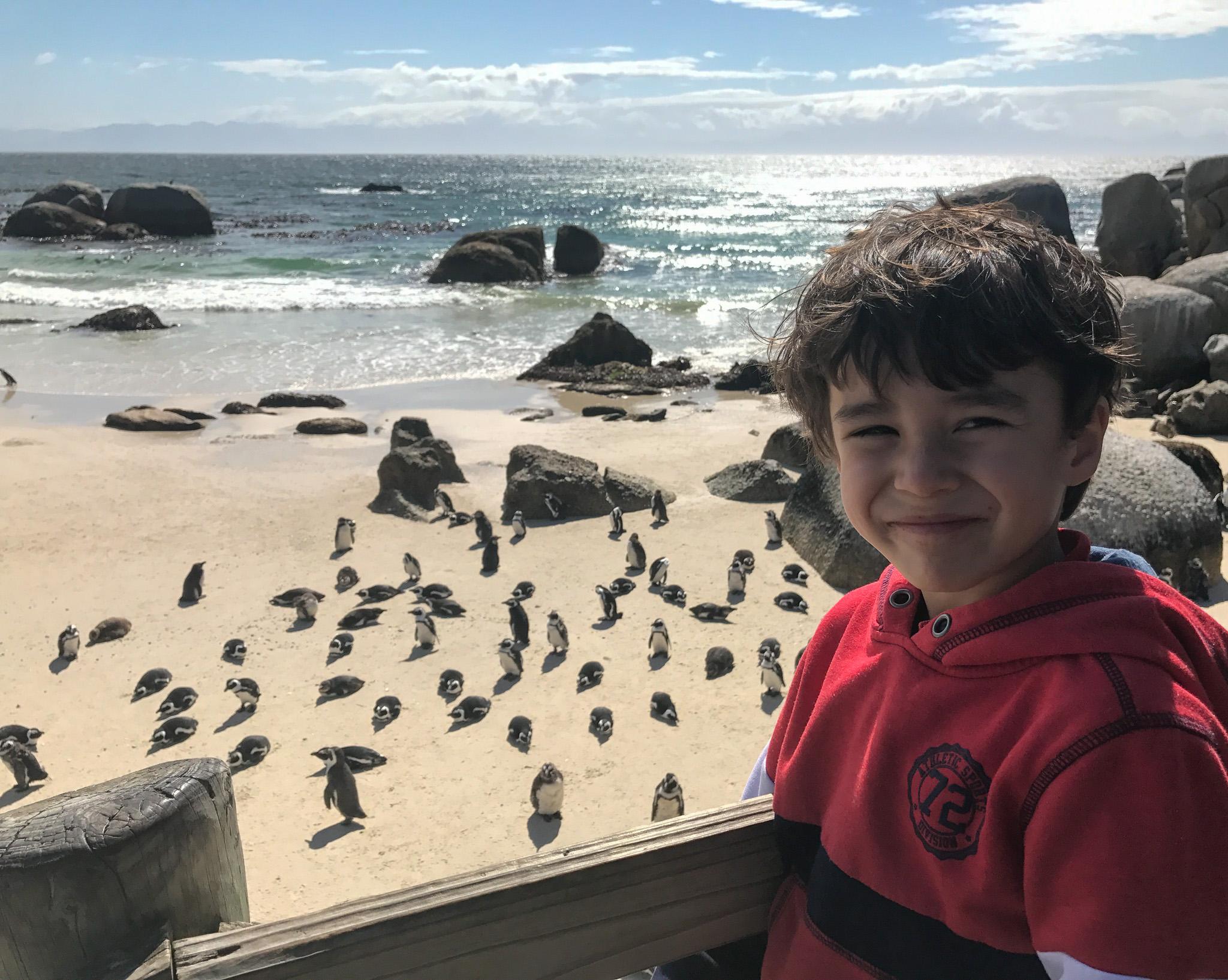
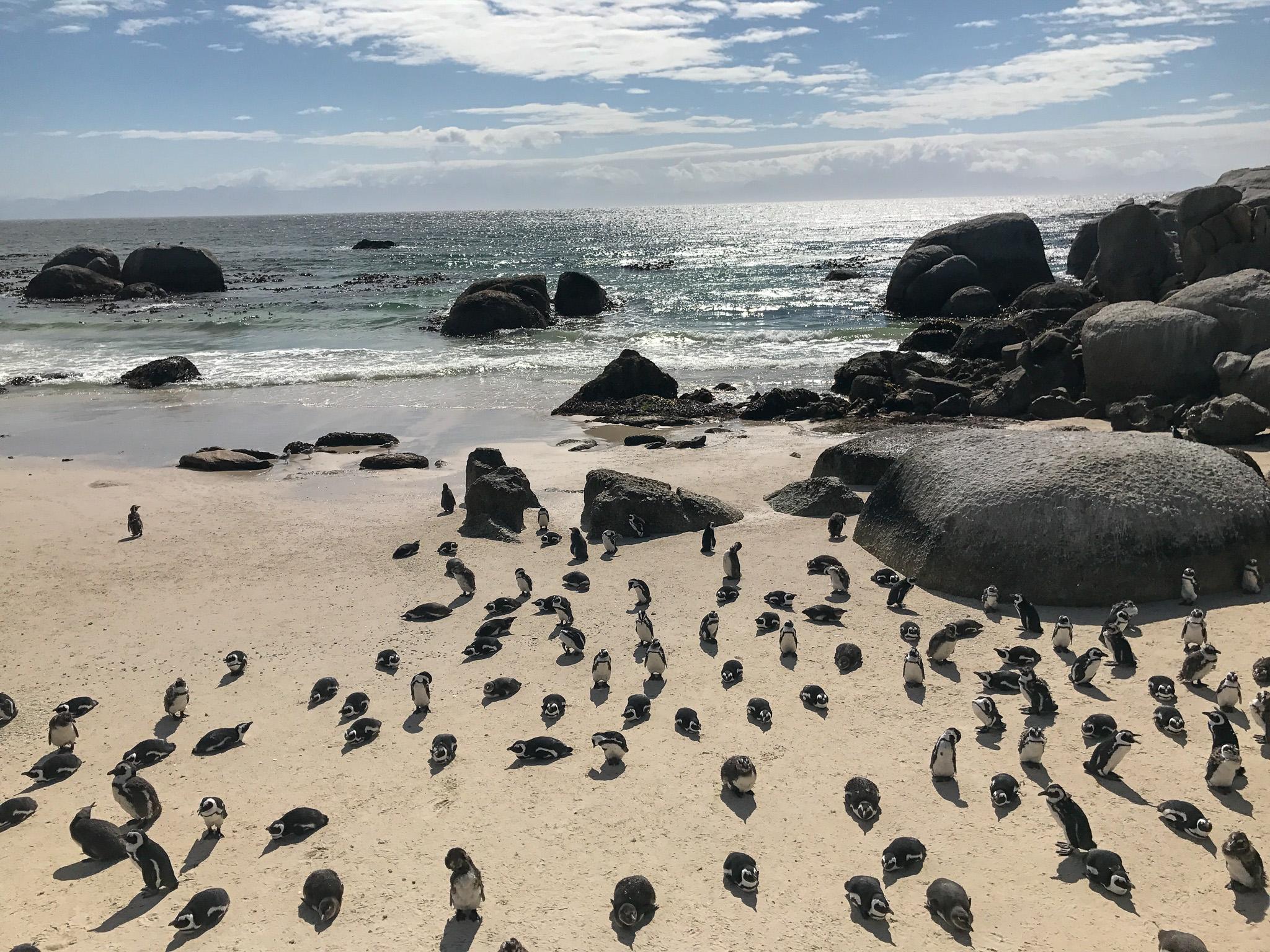
This was one of my favourite days of the whole trip. Start early at Boulders Beach in Simon’s Town, home to a colony of around 3,000 African penguins. Get there when it opens, and you’ll have the boardwalks almost to yourself before the coach parties arrive. Entry is roughly R190 for international adults and R95 for children under the SANParks conservation fee, and note it’s now a cashless gate, so bring a card. The penguins choose when to swim, so you may share the water with them or you may just watch from the sand – either way, it’s a thrill for kids.
From there, drive into the Cape of Good Hope section of Table Mountain National Park to reach Cape Point, the dramatic south-western tip of the peninsula. The SANParks entry fee here is higher, around R460 for international adults, so factor that in. Waves crash against the cliffs, and a funicular (small extra charge) carries you up to the old lighthouse if little legs are flagging. Keep an eye out for baboons and don’t leave food in the car.
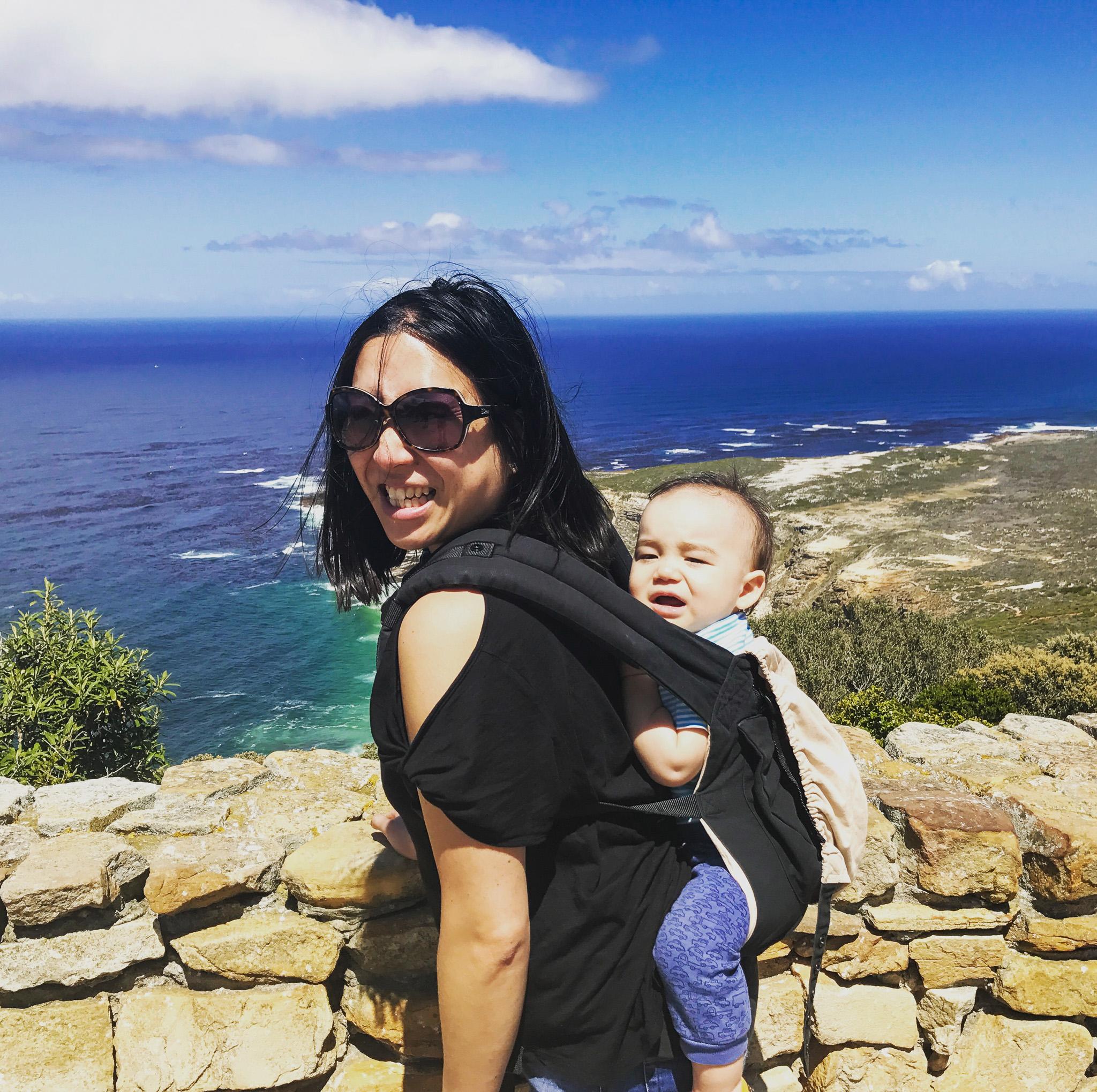
Heading back, stop at Hout Bay for lunch. We stumbled on a fish and chips spot served out of a converted shipping container called Muriel’s Harbour Cafe, and it was one of the best lunches of the trip – especially when we saw dolphins in the harbour. From Hout Bay, take Chapman’s Peak Drive back towards the city. If you do one scenic drive in Cape Town, make it this one – a toll road carved into the cliff face with the Atlantic dropping away below. We pulled over more than once just to stand and look.
Day 4: the Cape Winelands – Stellenbosch and Franschhoek
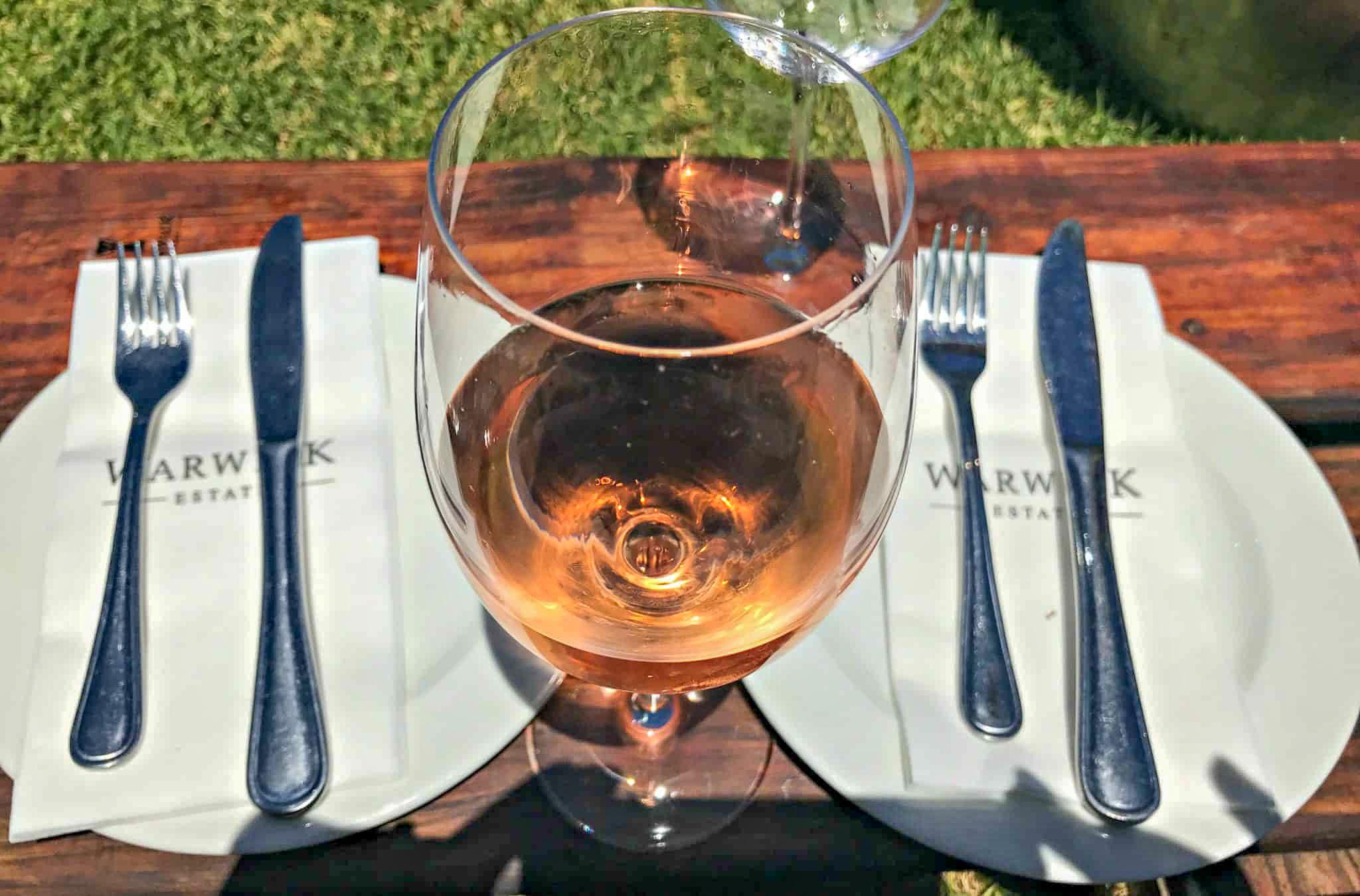
Can you go wine tasting with young kids? You can, and the Winelands are set up for it. Plenty of estates have lawns, playgrounds and space to run around while the grown-ups taste. We had a relaxed picnic and tasting at Warwick Wine Estate in Stellenbosch, then drove 15 minutes to Franschhoek, the prettiest of the wine towns, ringed by mountains and full of good food.
If you’re without children, or your children are older, the Franschhoek Wine Tram is a fun, low-stress way to hop between estates without anyone having to drive. Book ahead in peak season.
Where to stay in Cape Town
We split our Cape Town nights between two spots. At the start, we stayed in Bantry Bay at The Bantry Bay Aparthotel by Totalstay, a family-friendly place with self-catering suites, a pool and the Sea Point promenade a short walk away. At the end, we moved to the Mojo Hotel in Sea Point, a contemporary, affordable spot with family rooms and the lively Mojo Market food hall right downstairs, serving cuisine from all over the world. Both worked well for families, with kitchenettes, pools and easy access to the promenade.
For where to base yourself more broadly, Sea Point and Bantry Bay suit families and first-timers, with the seafront on your doorstep. The V&A Waterfront is convenient but pricey. Camps Bay is the glamorous beach option. Constantia, up among the vineyards, is leafy and quiet and a good shout if you’ve hired a car and want space.
Days 5-8: Wilderness
Day 5: Cape Town to Wilderness along the Garden Route
When the sat nav said six hours, my heart sank. But the drive east along the N2 turned out to be a highlight in itself. You climb through a mountain pass with the whole of Cape Town spread out behind you, then settle into rolling farmland. The stops along the way aren’t motorway chains but independent farm shops and coffee stops, so we broke the journey often and ate well. With two small children, that drive could have been a disaster. It wasn’t.
Day 6: Wilderness Beach and the Map of Africa viewpoint
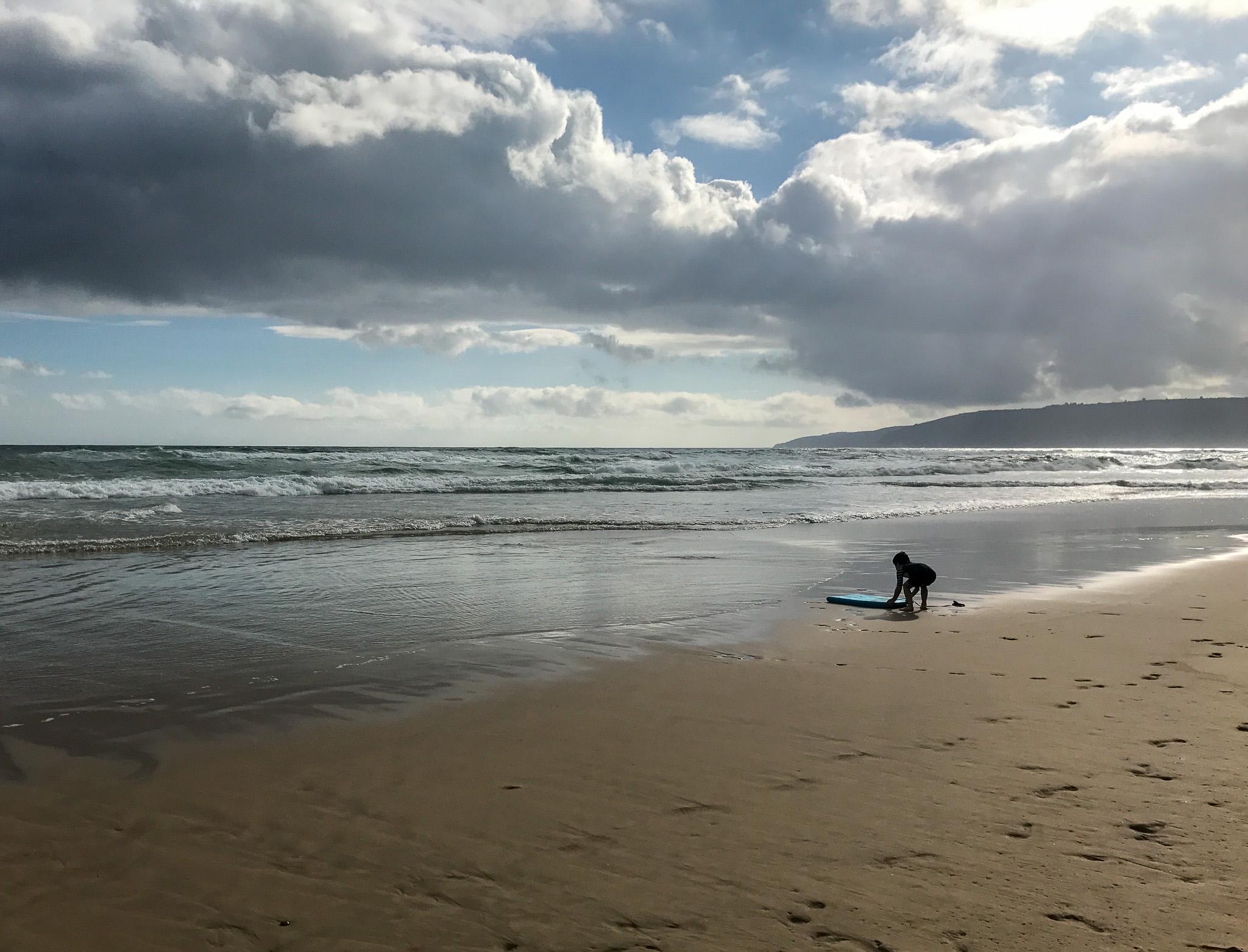
Wilderness Beach was the spot I’d go back to tomorrow. A long, wild stretch of sand backed by dunes, almost empty when we were there. We walked it after breakfast, and the boys ran in and out of the surf for hours.
Afterwards, we drove up to the Map of Africa viewpoint on Wilderness Heights. The Kaaimans River loops around a forested hill in a shape that looks startlingly like the continent itself. It’s a short drive and worth it for the view alone.
Day 7: Plettenberg Bay and Knysna Elephant Park
Further east, Plettenberg Bay – Plett to locals – is the buzzy, beachy heart of the Garden Route. We visited around Christmas when it was heaving with South African holidaymakers, and while we loved the energy and the beaches, we were glad to be staying somewhere quieter. We didn’t make it to Robberg Nature Reserve, a peninsula walk teeming with seals and seabirds, and I’ve regretted it ever since – put it on your list.
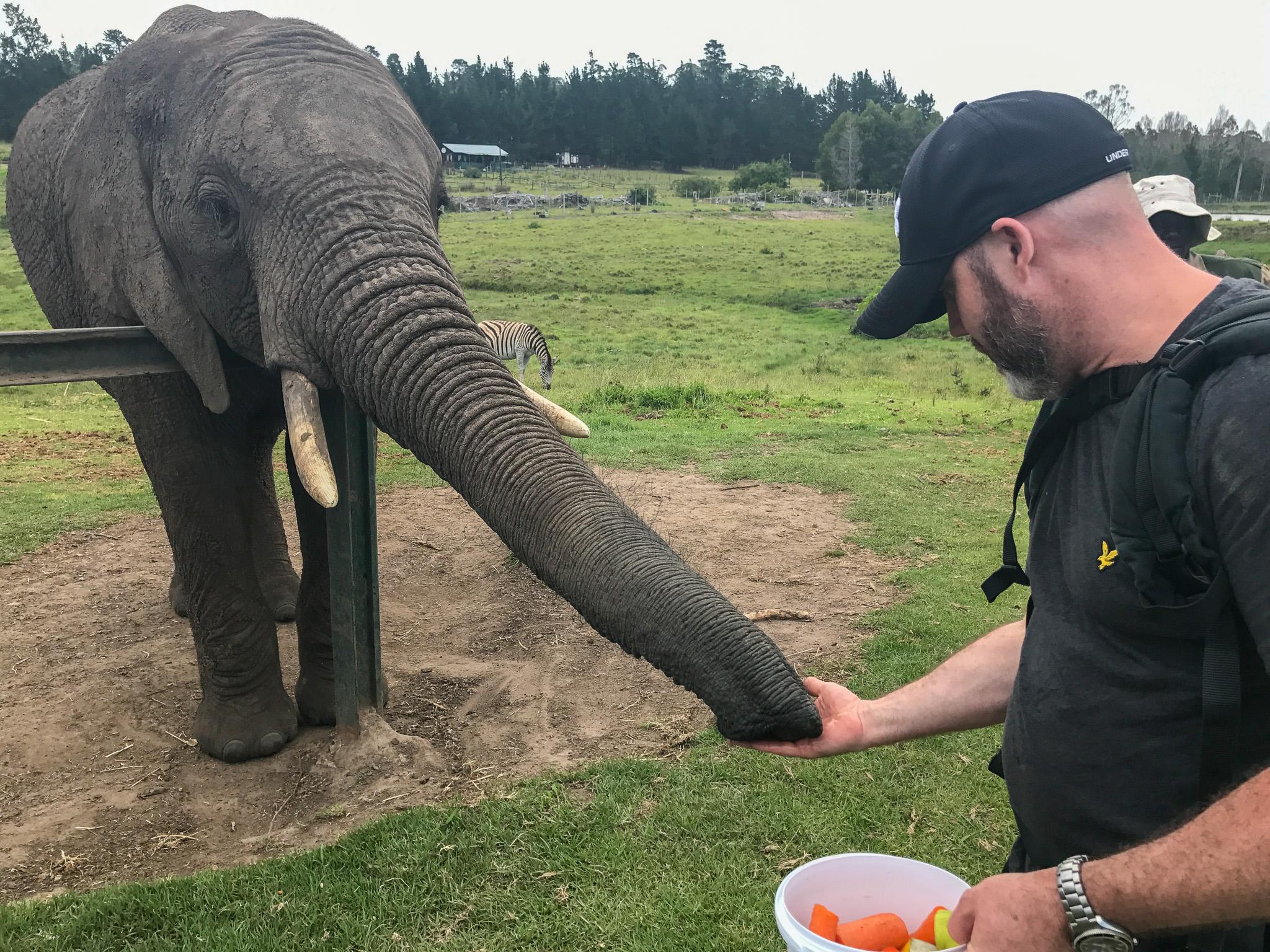
The day’s highlight was Knysna Elephant Park, just off the N2 between Knysna and Plett. It’s South Africa’s first sanctuary for orphaned and rescued African elephants, and these days the focus is firmly on welfare – you feed and walk alongside the herd, but there are no rides. We fed them, stood close enough to feel the warmth of them, and walked with them through the park. Watching my eldest’s face as an elephant took fruit from his hand is a memory I’ll keep. The park is open daily 09:00-16:00, with early and late walks by reservation.
Day 8: Redberry Farm, George
Some of the best days travelling are the unplanned ones. We’d thought about the long round trip to Storms River and Tsitsikamma, but couldn’t face four hours in the car, so on a tip we went to Redberry Farm near George instead. Part strawberry farm, part restaurant, part playground, with a little train and a hedge maze. We picked strawberries, ate well, and let the children run wild under the mountains. A relaxed, unhurried day, exactly what we needed.
More of the Garden Route, if you have extra time
The Garden Route runs much further than we explored, and with extra days, you can keep driving east. Here’s what’s worth adding.
- Tsitsikamma National Park (now part of the Garden Route National Park) is the most dramatic stretch of coast, with ancient forest, deep gorges and the famous suspension bridge over the mouth of the Storms River. The walk out to it is an easy two-kilometre boardwalk trail suitable for most ages. Worth knowing for 2026: the main 77-metre bridge has been under reconstruction, and full access to all three bridges is expected from late June 2026, so check the SANParks site for the latest before you plan around it.
- Mossel Bay, at the western end of the Garden Route, is a good first or last stop with a gentle, swimmable beach and the Dias Museum Complex.
- Oudtshoorn, inland over the mountains, is the country’s ostrich farm capital, where kids can meet the birds and the brave can try riding one. Pair it with the vast Cango Caves nearby.
- Adventurous teens will want the world’s highest commercial bungee jump at Bloukrans Bridge, near Storms River.
Where to stay in Wilderness
We stayed at the Dune Beach House (also known as the Dune Guest Lodge), and I can’t recommend it highly enough. It’s a small, stylish guesthouse perched on the dunes with a private wooden boardwalk leading straight down to the sand, so you can walk from your room into the sea within minutes. Our room opened onto a deck with sun loungers looking out to the Indian Ocean, and we’d sit and watch the surf for hours. Guests often spot whales and dolphins from the deck, and the kids made it their mission with the house binoculars.
It manages to feel polished and completely relaxed at the same time, the sort of place where no one minds children on the sofas. Breakfast, made to order by the manager and served overlooking the beach, was an event in itself, homemade pancakes, a fruit platter and eggs any way you like them. There’s an honesty bar, a small pool and a kitchen guests can use, which was a lifesaver for heating up the baby’s food. Rooms start from around R3,400 a night. The town itself is a two-minute drive, with a supermarket, pharmacy and a handful of restaurants and cafes. You can read our full review of the Dune Beach House for more.
Wilderness is a small town that gets busy in the evenings during peak season, so book dinner ahead, or you won’t get a table.

Days 9-12: Knysna
Day 9: Wilderness to Knysna and Thesen Islands
Knysna is only about 45 minutes from Wilderness and sits on a large lagoon, separated from the Indian Ocean by two dramatic sandstone cliffs known as the Heads. The town is home to the largest indigenous forest in the country, and the waterfront is full of restaurants. Knysna is famous for its oysters, and we ate our fill of them by the harbour.
We also drove out to Thesen Islands, a residential marina development built across a cluster of small islands in the estuary, linked by a causeway. There are restaurants, bars and a playground, and it’s an odd, pretty place to wander for an afternoon.
Day 10: a day off in Knysna
We’d timed this stretch over Christmas Day, so we did very little – pool, food, rest. If you want activity, there’s a boat trip across the lagoon to the Heads, the viewpoint at the Eastern Head, or the long beach at Brenton-on-Sea a short drive away.
Day 11: a first safari at Plettenberg Bay Game Reserve
None of us had been on safari before, so a three-hour game drive at Plettenberg Bay Game Reserve was the perfect, low-pressure introduction. It’s a 2,000-hectare malaria-free reserve about 15 minutes from Plett, which makes it very doable with little ones. I’d been anxious about taking the baby, but he dozed in the sling for most of it.
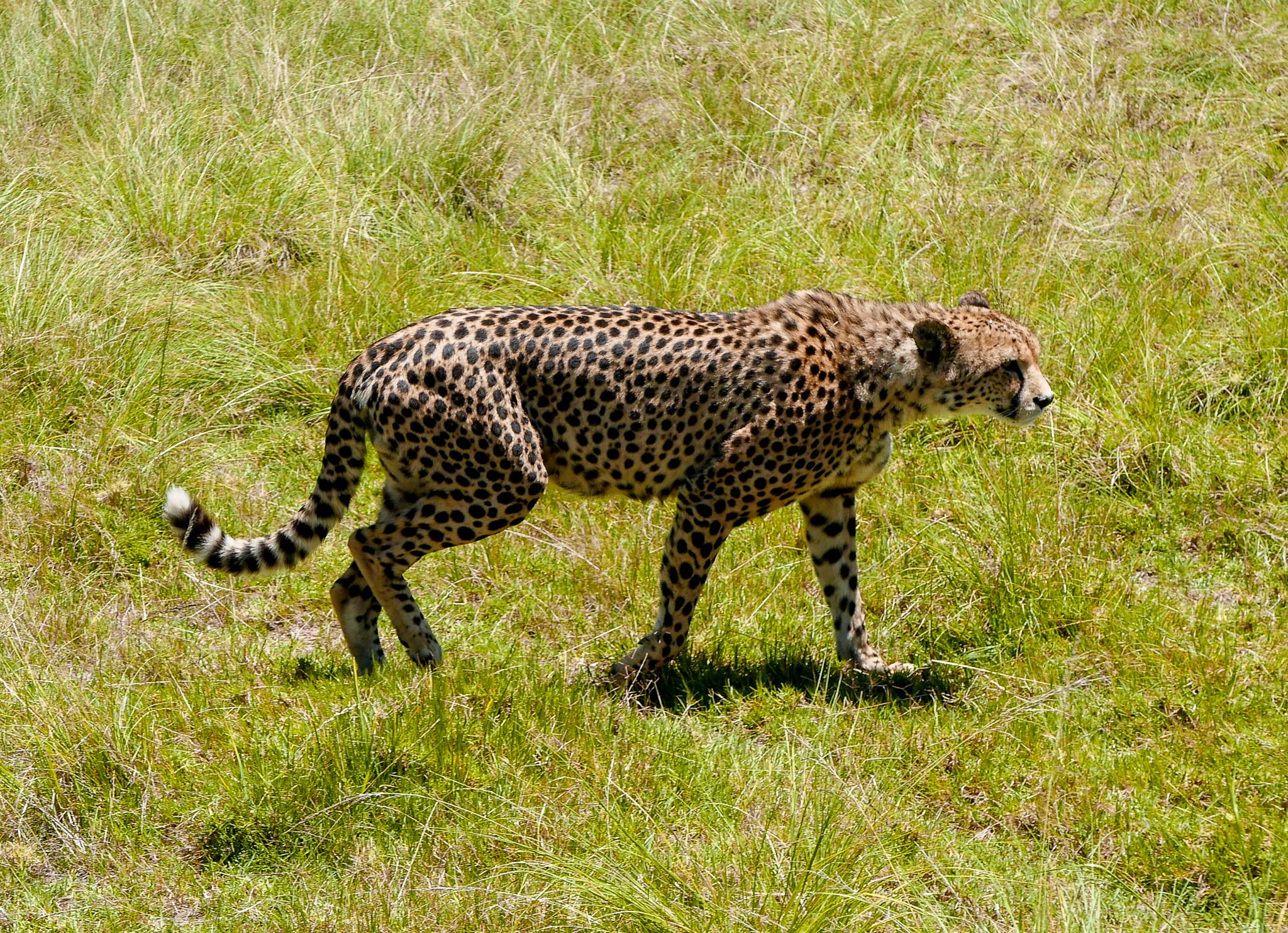
A word on what you’ll see, because honesty matters here. This is a small reserve, not the wilds of Kruger, and the line-up of animals changes over time. When we visited, we saw giraffe, rhino, buffalo, zebra, wildebeest and crocodiles, and it was a real thrill to watch them up close in open country. Note that the reserve no longer keeps lions or the other big cats, so if seeing the full Big Five is your dream, you’ll want a dedicated safari (see the alternative route below). For a gentle first taste with children, though, it delivered.
Tip: Take a warm layer even on a hot day. Once the vehicle gets moving, the wind has a real bite to it.
Day 12: Monkeyland in Plett
Monkeyland is a free-roaming primate sanctuary spread across indigenous forest near Plett. On a guided walk we spotted gibbons, spider monkeys and lemurs moving freely through the canopy, some surprisingly close. Given our family nickname, taking our own Monkey to meet the primates was too good to pass up.
Tip: Bring your own insect repellent and put it on before you go in. The forest is damp and I came out covered in bites.
Where to stay in Knysna
Knysna was where we treated ourselves, and the Pezula Nature Retreat (the old Pezula Hotel) was a real treat. It sits high on the Eastern Head of the Knysna Heads, looking out over the lagoon and the ocean, with a spa, a championship golf course and both indoor and outdoor pools. Spending Christmas there, with the kids happily occupied and those views from the hilltop, felt like a fitting end to that leg of the trip. Suites start from around R3,000 a night, and there are two-bedroom villas if you want more space.
If that’s beyond your budget, Knysna has options across the board, from lagoon-front guesthouses to self-catering near the waterfront.
Day 13: Hermanus
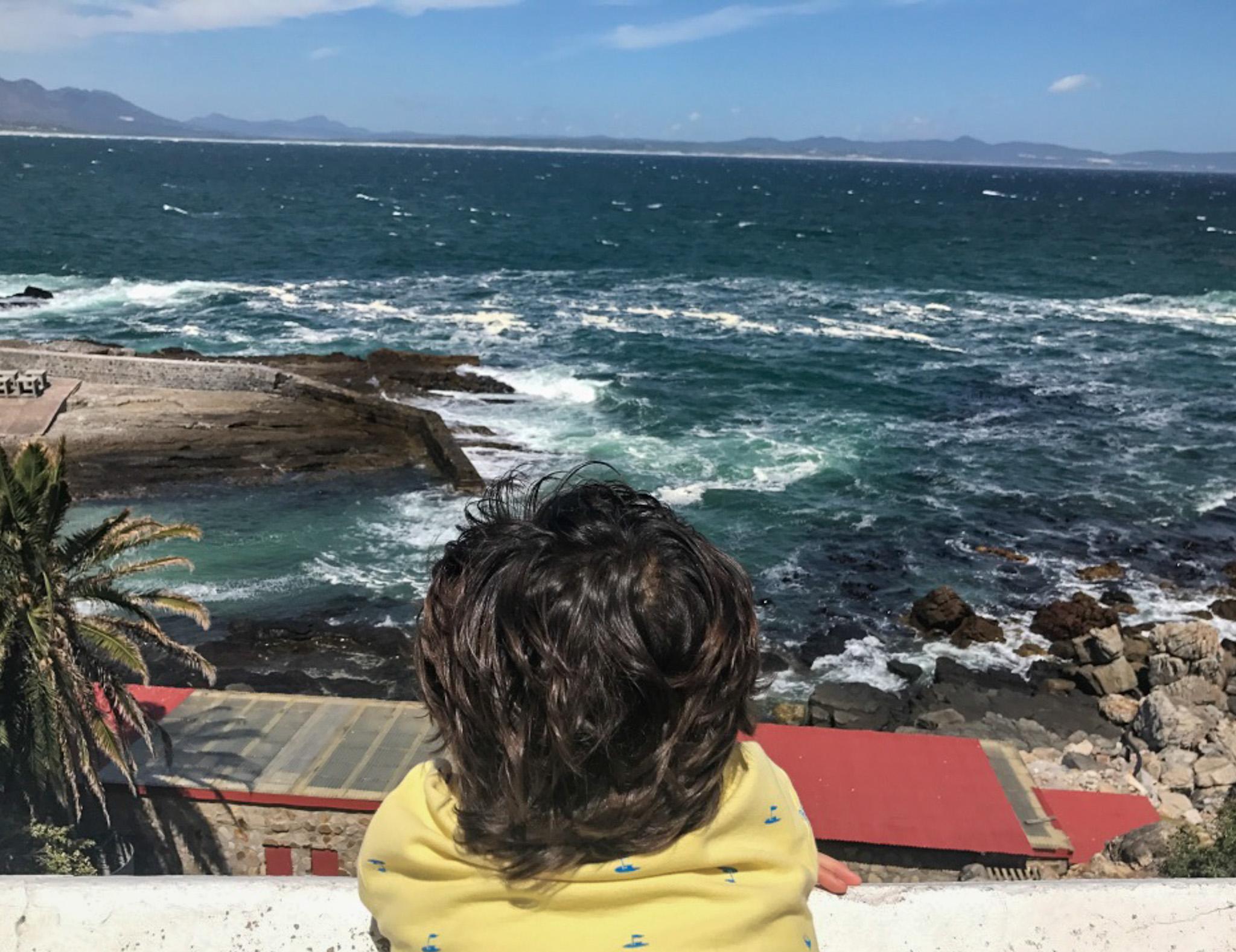
To break the drive back to Cape Town, we stopped overnight in Hermanus, about 90 minutes east of the city and one of the best land-based whale-watching spots in the world. The town has a clifftop path that runs along the shoreline, and from roughly June to November, southern right whales come close in to calve in Walker Bay. Hermanus even has a “whale crier” who sounds a horn when whales are spotted.
We visited out of whale season and the wind was too high to get out on a boat, so we didn’t see any – a good reminder not to overpromise yourself a sighting. We still had a lovely stopover, with some of the best sushi I’ve eaten, overlooking the bay. If whales are a priority, time your whole trip for the spring months and build in two nights here. Nearby Gansbaai is one of the best places in the world to cage-dive with great white sharks, if that’s on your list and your nerves can take it.
Where to stay in Hermanus
We stayed at Baleia de Hermanus, a small, friendly bed and breakfast within walking distance of the town centre, with a comfortable family room and a little pool in a pretty courtyard. For one night to break the drive, it was just right, and the off-street parking is a bonus in peak season.
Days 14-16: back to Cape Town
Day 14: Camps Bay
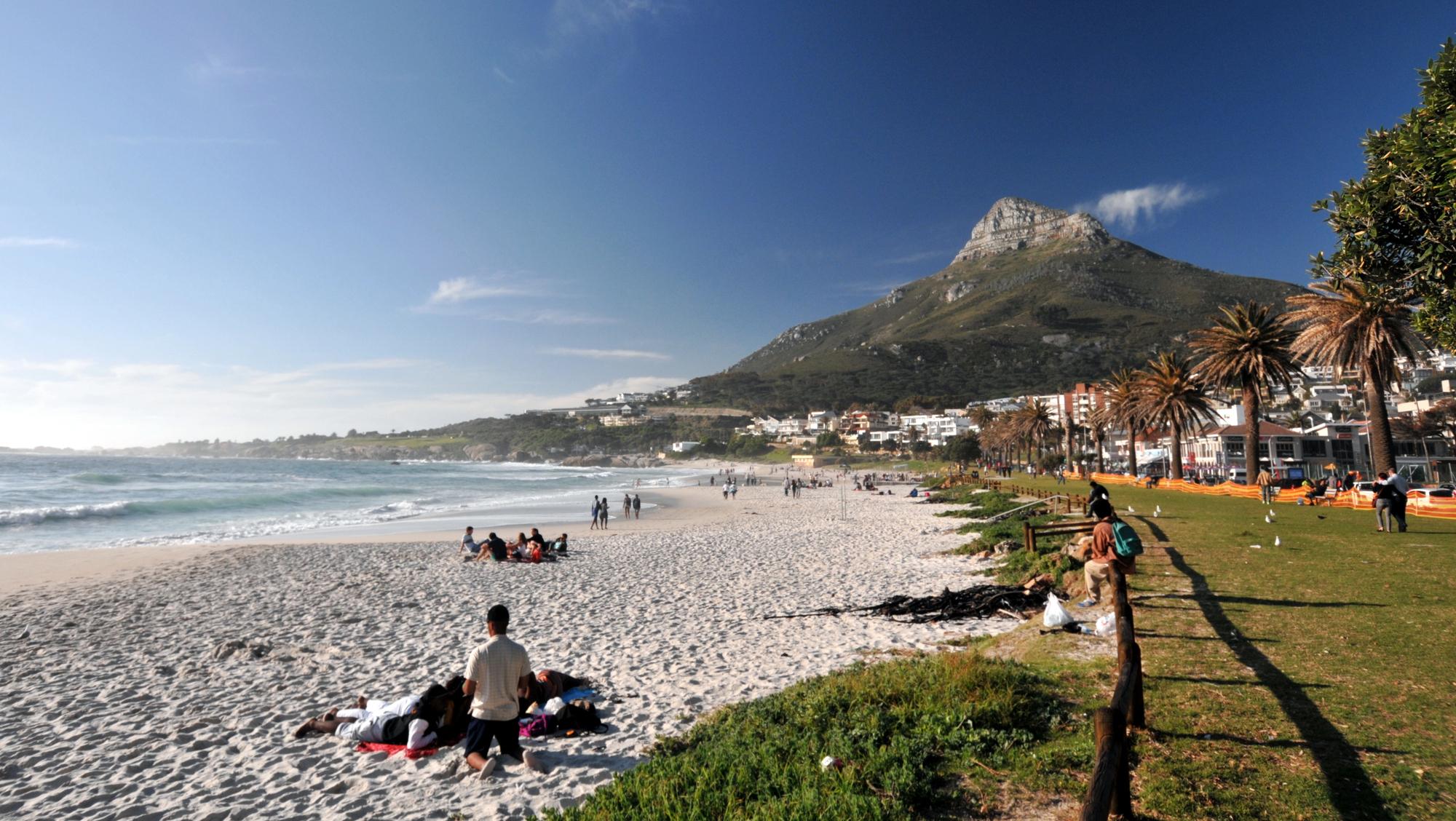
Returning to Cape Town felt like greeting an old friend. We dropped our bags and headed to Camps Bay, the city’s smartest beach suburb, backed by the Twelve Apostles mountain range. We walked the promenade, the boys paddled, and we ate seafood as the sun went down. The Atlantic here is bracingly cold, so it’s more a paddle-and-pose beach than a swimming one.
Day 15: Table Mountain (and a lesson learned)
We’d saved Table Mountain for last, and it taught us a lesson. The Aerial Cableway only runs in good weather, and on our first attempt earlier in the trip, the wind had closed it. On our final day, we tried again, booked tickets in hand, and hit chaos – packed roads, a 40-minute shuttle, then a queue of over two hours in fierce heat. With a baby and a six-year-old, we made the call to turn back. We never reached the top, which still stings, but at least it gives us a reason to return.
Learn from us. Book online, go as early as the cableway opens, and check the weather and wind forecast for the day. Return cableway tickets run roughly R395-R490 for adults depending on the season and where you buy, with children around half that and under-fours free. The official site has live operating status – check it before you set off, because there’s no point queuing if the gondola isn’t running. If you’re fit and the kids are older, the Platteklip Gorge hike up is free.
Day 16: homeward bound
We flew home full and a little heartbroken to be leaving. We’d barely scratched the surface of what Cape Town and the Garden Route offer, and we’d skipped Table Mountain entirely, but the trip had the balance I always want from a family holiday: enough doing, enough nothing.

An alternative two-week route: Cape Town and Kruger safari
If a full Big Five safari is the reason you’re going to South Africa, here’s how I’d shape a two week South Africa itinerary instead. We haven’t done this route ourselves – our safari was the gentle Garden Route version above – so treat this as a planning framework rather than a first-hand account, and verify lodges and parks directly.
- Days 1-4 – Cape Town: as above, with the peninsula, Winelands and Table Mountain.
- Days 5-7 – the Winelands or the Garden Route: either slow down in Franschhoek, or drive a stretch of the Garden Route to Knysna.
- Days 8-9 – fly to the Kruger region: take a domestic flight from Cape Town to Hoedspruit or Nelspruit (Mbombela), usually via Johannesburg. Flying saves you a punishing two-day drive across the country. If your connection gives you a night in Johannesburg, the Apartheid Museum is one of the most powerful museums in the country and well worth the stop.
- Days 9-12 – safari near Kruger: base yourself in Kruger National Park itself (self-drive or rest camps are very family-friendly and affordable) or in a private reserve such as Sabi Sands for guided game drives and a higher chance of close sightings. This is where you’ll find the Big Five – lion, leopard, elephant, rhino and buffalo. Note that the Kruger Lowveld is a malaria area, so take medical advice well before you travel, especially with young children.
- Days 13-14 – the Panorama Route: on the way out, drive the Panorama Route through Mpumalanga for the Blyde River Canyon, one of the largest green canyons in the world, plus God’s Window and the Bourke’s Luck Potholes.
Travellers wanting to add Victoria Falls (in Zambia or Zimbabwe, not South Africa) usually do so as a separate flight at the start or end, rather than squeezing it into a tight two weeks.
A malaria-free safari alternative: Addo Elephant Park
If you love the idea of a Big Five safari but the malaria risk near Kruger puts you off travelling with young children, there’s a brilliant middle option. Keep driving east past the Garden Route to Addo Elephant National Park, near Port Elizabeth (now Gqeberha) in the Eastern Cape. Addo is malaria-free, home to close to 700 elephants alongside the rest of the Big Five, and it’s an accessible self-drive park that’s far gentler on family budgets than a private lodge. You could fly home from Port Elizabeth and avoid doubling back, which makes a Cape Town to Addo run a tidy two-week route in its own right.
Best time to visit South Africa
It depends on what you’re chasing. For Cape Town and the Garden Route, the summer months of November to March bring warm, dry days ideal for beaches and the coast – this is when we went, over the southern-hemisphere summer, and it was glorious if busy. Spring, around September to November, is quieter and good value, with wildflowers in the Cape.
For safari near Kruger, the dry winter months of May to September are best. Sparse vegetation and animals gathering at waterholes make wildlife far easier to spot.
For whales at Hermanus, aim for June to November, with the southern right whales usually at their best around September and October.
Practical tips for South Africa with kids
- Hire a car. The Western Cape and Garden Route are made for a self-drive trip; the roads are good, and they drive on the left. You’ll want car seats, so request them when you book.
- Malaria. The Western Cape and Garden Route are malaria-free. The Kruger Lowveld is not, so get medical advice before a safari leg with children.
- Pack layers. Cape Town can have four seasons in a day, and game drives are cold even in summer once the vehicle moves.
- Carry a card. Several SANParks gates, including Boulders Beach, are now cashless.
- Book ahead in peak season. Over the southern summer and school holidays, restaurants in small towns like Wilderness fill up fast.
- Budget for park fees. SANParks conservation fees add up across a trip. If you’re visiting several parks, look at whether a Wild Card annual pass saves you money.
How much does two weeks in South Africa cost?
We did this trip a few years ago, so rather than dust off receipts I can’t find, here’s a realistic sample budget built from current 2026 prices. Treat it as a planning guide rather than a precise quote, as costs swing a lot with the season (December and January are the priciest) and how you like to travel. All prices were checked in June 2026, with rough sterling conversions at around R23 to the pound.
The honest picture from our own trip is that South Africa is brilliant value once you’ve arrived. The rand stretches a long way, eating out costs a fraction of what it does at home, and the Winelands in particular felt like a steal. Your big upfront costs are the flights from the UK, car hire and accommodation. The day-to-day spending is where it feels cheap.
Sample two-week budget for a family of four (Western Cape and Garden Route)
- Car hire: roughly R450-R850 a day (about £20-£37) for an automatic large enough for a family, so around R6,500-R12,000 (£280-£520) for two weeks. Expect the higher end in peak summer.
- Accommodation: mid-range hotels and guesthouses average around R1,400-R2,100 a night (£60-£90), with family rooms and self-catering apartments at the upper end. Over 14 nights, that’s roughly R20,000-R30,000 (£870-£1,300).
- Petrol: the Cape Town to Garden Route loop is a fair bit of driving, so budget around R2,500-R3,500 (£110-£150) in fuel.
- Eating out: a relaxed dinner for two with wine often comes in under R600 (£26), and you can keep costs right down by self-catering breakfasts and picnics. Budget loosely R700-R1,200 a day (£30-£52) for a family eating well.
- Attractions and park fees: these add up across the fortnight. As a guide for international visitors, Boulders Beach is around R190 per adult, Cape Point about R460, the Table Mountain cableway roughly R395-R490, and Kirstenbosch around R260. A SANParks Wild Card can work out cheaper if you’re visiting several parks.
- Flights from the UK: return fares to Cape Town typically run £600-£900 per person depending on the season and how far ahead you book.
If you swap in the Kruger or Addo safari route, factor in a domestic flight (Cape Town to Johannesburg one-way is often around R1,300-R2,500, roughly £55-£110) plus your safari lodge or park fees, which vary enormously between a self-catering SANParks rest camp and a private reserve.
Is South Africa safe for families?
This was our biggest worry before we went, and I want to be straight about it. South Africa does have real crime, and you’ll read alarming stories before you travel. But the trouble tends to concentrate in townships and isolated areas well away from the tourist routes. Across two weeks in the Western Cape and along the Garden Route, with two small children, we never once felt unsafe. We took the same sensible precautions you would in any unfamiliar city, and we found people warm and helpful everywhere we went.
Frequently asked questions
Are two weeks enough for South Africa?
Two weeks is enough to explore one region in depth, such as Cape Town and the Garden Route, or to combine a few days in Cape Town with a safari near Kruger. It isn’t enough to see the whole country, so pick a loop and travel it slowly rather than trying to do everything.
What is the best two week South Africa itinerary for first-timers?
For a first visit, the best two week South Africa itinerary flies into Cape Town for the city, the Cape Peninsula and the Winelands, then either drives the Garden Route east or flies to a safari lodge near Kruger for the second week. The Garden Route is the easier, malaria-free option for families.
How much does a two-week trip to South Africa cost?
Costs vary widely with the season, your style of travel and whether you add a safari. As a 2026 guide for a family of four on the Western Cape route, budget roughly £280-£520 for two weeks of car hire, £870-£1,300 for mid-range accommodation, and £600-£900 per person for UK return flights, plus park fees and food. Once you’re there, South Africa is good value, with food, wine and attractions cheaper than at home.
Do you need a car for the Garden Route?
Yes. A self-drive trip is by far the best way to explore Cape Town, the Cape Peninsula and the Garden Route. The roads are good, the scenery is part of the experience, and they drive on the left, the same as in the UK.
When is the best time to visit South Africa?
For Cape Town and the Garden Route, November to March brings warm, dry summer weather. For safari near Kruger, the dry winter months of May to September are best for spotting wildlife. For whales at Hermanus, visit between June and November.
Is South Africa malaria-free?
The Western Cape and the Garden Route are malaria-free, which makes them a reassuring choice for families. The Kruger Lowveld is a malaria area, so seek medical advice before travelling there with children.
Planning your own South African adventure
South Africa gave us city, coast, wine country and our first taste of safari inside a fortnight, without anyone melting down in the back of the car. Whether you follow our Garden Route loop or swap in a Kruger safari, the key is the same: choose one region, slow down, and let the country surprise you the way it surprised us.
Comments are closed.