The last time I ate in Rome before this trip, I was twenty-something, slurping pasta straight from the little iron pan it’s served in at Tonnarello, more than 20 years ago and long before we had the kids.
We’ve been back since, and I’ve eaten my way across most of Italy, but Roman pasta still does something no other city’s does. It’s rich, cheesy and a little bit greedy, and I love it for that.
Here’s the short answer on where to eat in Rome. The best restaurants in Rome are the ones Romans point you to, not the ones with the longest queue outside the Pantheon.
Almost every place below came from someone who actually lives here – our Airbnb host Francesco and his family, our golf cart host, a Trastevere local called Ruben, and Daniele, who guided our food tour – plus a few friends who’d been before and handed over their lists. I’ve pulled it all together on our most recent trip.
At a glance
- Best for: first-time visitors and families who want to eat like locals rather than queue with the crowds
- When we went: our most recent trip October 2026
- Our top three meals: Mimì e Cocò for carbonara near the Pantheon, Vecchia Osteria del Gelsomino for old-school Roman cooking near the Vatican, and Pinsa e Gusto for pinsa
- Book or turn up: most of our favourites don’t take bookings, so aim to sit down by 7pm
- Don’t miss: cacio e pepe, a hot bag of suppli, and a made-to-order tiramisu
Why every place in this guide came from a local
Rome has more restaurants than you could eat through in a lifetime, and plenty of tourist traps sitting right where you’re hungriest, next to the big sights. The way we got around that was simple. We asked the people who live here.
Francesco, who hosted us near the Vatican, walked us to his family’s favourite pizzeria on our first night. Ruben, who grew up in Trastevere, sent over a list split by occasion, from cheap trattorias to the spot he’d pick for something smarter. Daniele took us around his own backstreets on a food tour and told us, plainly, which famous names to skip. What follows is the best of all of it, with the places we tried ourselves first.
The best restaurants in Rome we tried
These were our favourite restaurants of the trip. Some do traditional Roman cuisine, some are more relaxed with the kids in tow, but every one came from a local and gave us one of our best meals of the week.
Pinsa e Gusto, for pizza cravings
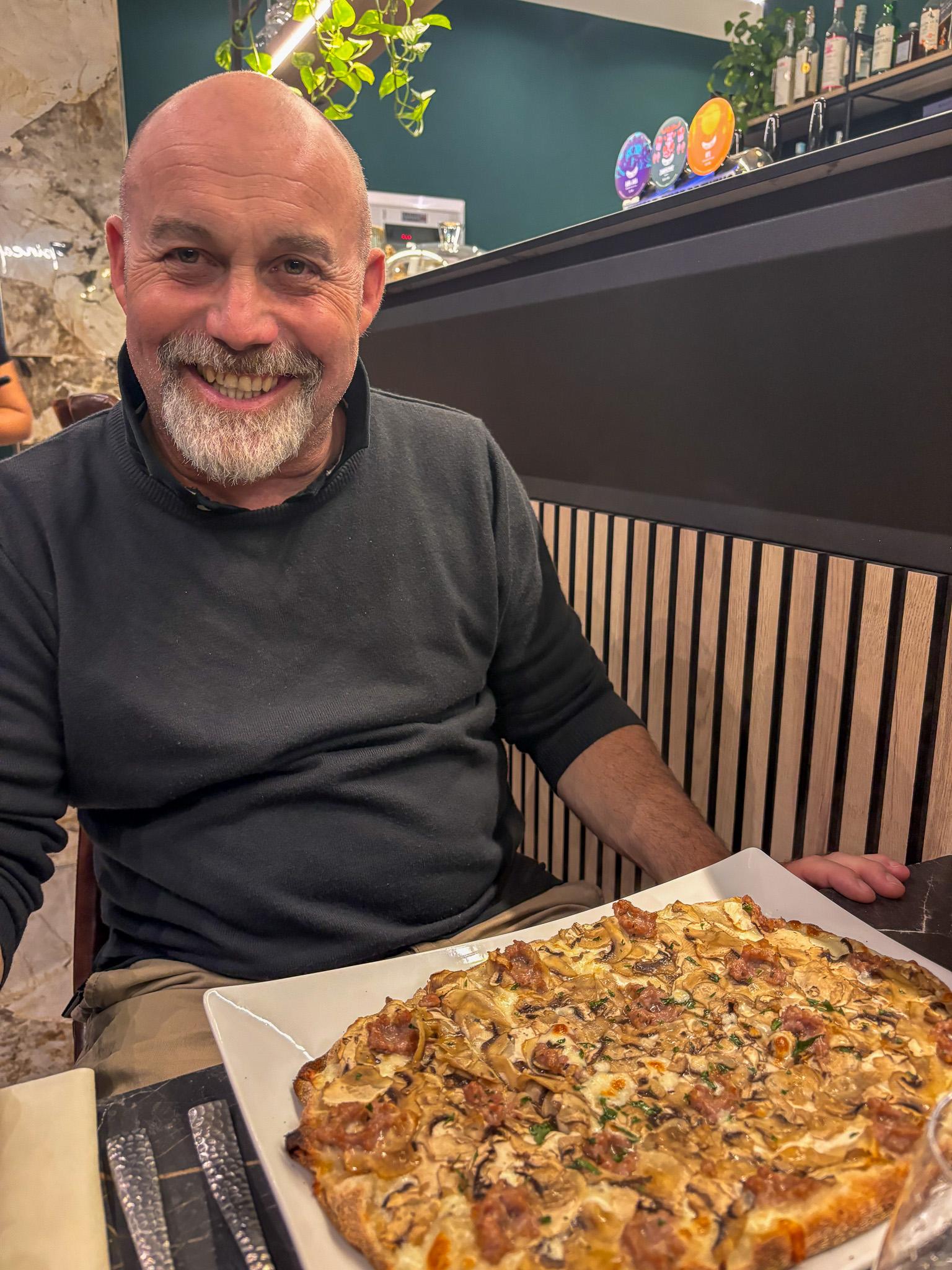
Our hosts walked us round the corner to Pinsa e Gusto on our first night, and it didn’t disappoint. It was a late Sunday and the place was still full, so the staff pulled a few tables together so the four of us could sit down together.
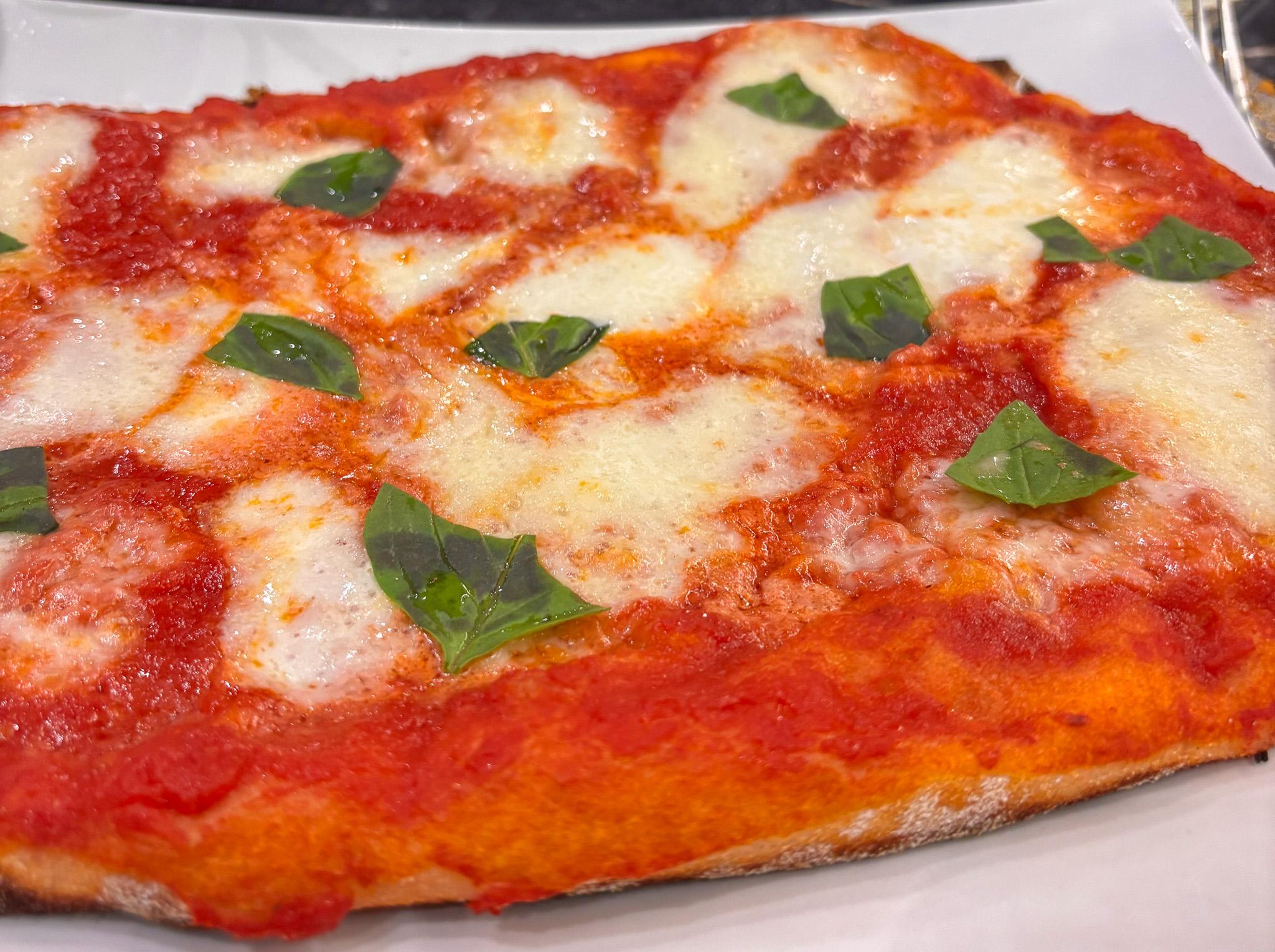
What they serve here is pinsa, not pizza, and there’s a difference worth knowing. Pinsa is the oval Roman style, made with a lighter, airier dough that’s crisp underneath, and it came loaded with all sorts of toppings. I kept it simple with a margherita and fresh basil. Four of us ate, with wine and beer, for around €80, which felt like a steal for a first-night welcome to the city.
Where: Via Anastasio II, in the Aurelio area near the Vatican (closest metro Baldo degli Ubaldi).
Vecchia Osteria del Gelsomino, for traditional cooking
We wanted one night of old-school Roman food, and this century-old osteria near St Peter’s, Vecchia Osteria del Gelsomino, came highly recommended. We turned up early, and within the hour every table was taken.
The menu is small, but the star of the evening was the nonna running the room. She didn’t speak much English and wasn’t big on menus. She tried to point us to a QR code, that didn’t work, so in the end she simply told us what to order, aubergine and a run of pasta dishes included, all while shouting the orders through to the kitchen. It was a bit of theatre, and part of what made it. My cacio e pepe was one of the best I had all trip.
Where: Via del Gelsomino 68, a few minutes’ walk from St Peter’s Square.

Boris Cucina e Salotto, for brasserie-style eating
Another one off a local recommendation, and a good shout for families. Boris leans into its name, salotto is Italian for sitting room, so the feel is relaxed and lived-in rather than a formal dining room. It mixes Roman cooking with creative small plates, from a tasting of bruschette (think guanciale and honey, or buffalo mozzarella and anchovies) to a tagliere piled with cured meats, cheeses and fritti.
What made it work for us was the range. The kids could order burgers while there were Roman plates and inventive pastas for the grown-ups, and the wine list is strong enough that no one felt short-changed.
Where: Via Gregorio VII, near the Vatican.

Mimì e Cocò, for the best carbonara
There are a few Mimì e Cocò dotted around the city now, but we went to the one tucked down a side street between Piazza Navona and the Pantheon, right in the thick of it. We didn’t have a booking, but if you go around 7 you can usually get a table without queuing.
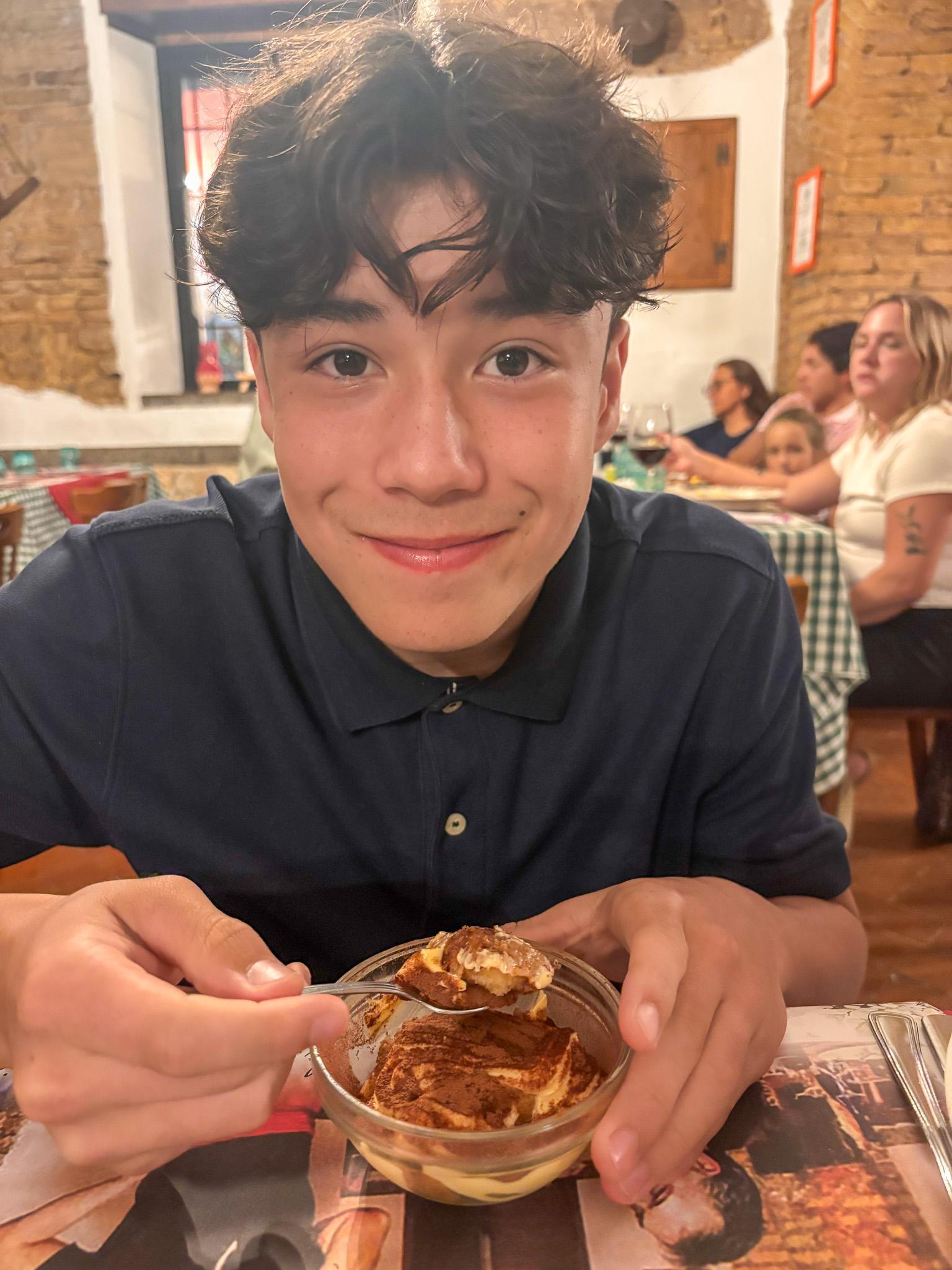
Our server managed to bring me fizzy water instead of prosecco, which turned into a running joke the whole evening, with other waiters joining in. The food more than made up for it. It was quite possibly the best spaghetti carbonara I’ve ever tasted, and the tiramisu, served in a little cup, is worth ordering too. The kids loved it here, which doesn’t always happen.
Where: Via del Governo Vecchio 72, between Piazza Navona and the Pantheon.

Bar La Licata, for breakfast near the Colosseum
One morning we wanted breakfast close to the Colosseum and stumbled on Bar La Licata, a family-run bar in Monti. There was a queue, but don’t let that put you off. We had an outdoor table within about four minutes.
The coffee was excellent, and there’s a hot eggs-and-cooked-breakfast side to it alongside the panini and focaccia. It’s a fine spot to just sit and watch the morning go by, traffic and all, and there’s a gelato shop close by for later.
Where: Via dei Serpenti 165, Monti. Opens early, from 5:30am.

Our Trastevere food tour
If you do one organised thing with food in Rome, make it a tour early in your trip, so you pick up the local lie of the land before you start booking dinners. Ours was a food and history tour of Trastevere with You Local Rome, led by Daniele, and it worked brilliantly with the kids because the regular snacks broke up the walking.

We ate hot suppli from the bag, mozzarella and anchovy toasties and courgette fritters, stopped for cold cuts, cheeses and wine at an old cantina, and finished on cannoli and the best gelato Daniele knew. He walked us through the Jewish Quarter and into Bar San Calisto, a Trastevere institution that’s been going since the 1960s. He also steered us firmly away from Tonnarello, the spot I’d loved all those years ago, now grown into a busy chain, towards the backstreet places he rates more.

A handful of the stops are worth seeking out on your own:
- Cantina dei Papi (Trastevere) – don’t be put off by how traditional it looks. An old cantina with good cold cuts, cheeses and wines.
- Supplì Roma (Via San Francesco a Ripa 137, Trastevere) – a Trastevere fixture since 1979. Go for the freshly fried suppli, grab a bag and eat on the move.
- Tiramisù Merisù (Via San Francesco a Ripa 29, Trastevere) – not a traditional shop, but you can get all manner of tiramisu flavours made right in front of you. We devoured ours.
- Gelateria alla Scala (Trastevere) – for gelato worth crossing the river for.
- Ma Che Siete Venuti a Fà (Via Benedetta 25, Trastevere) – a tiny craft-beer bar for local vibes and a good pint.
Daniele also pointed us to Osteria da Fortunata, where the pasta is rolled and cut fresh in the window and the queue forms for good reason. We were gutted we didn’t have the chance to go back, because by every account the handmade pasta is divine. You’ll find it near Piazza Navona, on Corso del Rinascimento.
Tip. The one Daniele recommendation we didn’t get to, and were sad to miss, was La Trattoria degli Amici in Piazza di Sant’Egidio, Trastevere. It’s a social enterprise run by the Community of Sant’Egidio, staffed by people with disabilities working alongside professionals, serving traditional Roman food. Worth booking in, both for the cooking and for what’s behind it.
Where a Roman local sends you
This next list is Ruben’s, a Trastevere local who kindly mapped out where he’d actually eat, by the kind of night you’re after. We didn’t get to all of them, but it’s the sort of cheat sheet you want in your pocket.
For a smarter dinner
- Baccano – a slick all-day bistro two minutes from the Trevi Fountain, done out like something in Paris or New York. Order the carbonara (the chef cooked it at Roscioli for years), and don’t skip the burgers or the cocktails.
- La Zanzara – from the same team as Baccano, an all-day bistro in Prati near the Vatican. Expect homemade pasta, Spanish cured meats and a generous aperitivo, with a big open grill turning out the meat.
For Roman pizza
- Il Grottino (Testaccio) – an unfussy Testaccio pizzeria going since 1936, on Via Marmorata. Thin, crisp Roman pizza, cold beer and a round of fritti to start, with room for a group that can’t agree on toppings.
- La Montecarlo (near Piazza Navona) – a loud, cheap and cheerful Roman pizzeria on Vicolo Savelli, going since 1986. Thin pizza served on a tray, homemade suppli to start, and a wood-oven crème caramel regulars swear by. Expect a queue.
- Ai Marmi (Trastevere) – a Trastevere institution nicknamed l’Obitorio, the morgue, after its long marble tables. Thin wood-fired Roman pizza, supplì al telefono and fried cod, one pizza each, and get there early to beat the 9pm queue.
For cheap and cheerful trattorias
- Da Felice (Testaccio) – a 1936 institution, famous for cacio e pepe tossed at your table. The roast lamb and the tiramisu are worth it too, and booking is essential.
- Zi Umberto (Trastevere) – an old-school family trattoria on Piazza San Giovanni della Malva, with tables out on the square. Roman classics done simply, carbonara and cacio e pepe included, and the gruff-but-warm service that comes with it. Call ahead on a busy night.
- Da Lucia (Trastevere) – a cash-only trattoria on a cobbled backstreet since 1938, with copper pots and old photos on the walls. Order the spaghetti alla gricia, and look out for trippa alla romana and pollo con peperoni. Closed Mondays.
For something different
- Mezé Bistrot (Prati) – Ruben’s family spot near the Vatican, and a welcome break from Roman plates. It’s Mediterranean and Middle Eastern, so think mezze, hummus, couscous and kebabs, eaten with bread rather than cutlery.
For coffee, wine and aperitivo
Rome’s wine bars are half the fun of an evening, and the city has a lively natural-wine scene if that’s your thing. A few to start with.
- Caffè Sant’Eustachio – roasting since 1938 between Piazza Navona and the Pantheon, and still one of the best coffees in the city (ordered sweetened by default, so say if you want it without).
- Bar San Calisto – the no-frills Trastevere bar where locals actually sit, going since the 1960s. Drinks are dirt cheap, and it’s known for chocolate, hot with cream in winter and as gelato in summer. What I love are the stories behind this place, which used to be the epicentre for Roman debauchery back in the day!
- Il Piccolo – a tiny wine bar on Via del Governo Vecchio behind Piazza Navona, open since 1980 and reckoned the smallest on the street. Around 150 wines by the glass or bottle, light on food, heavy on regulars.
- Bernabei – a historic Trastevere wine shop on Via San Francesco a Ripa, with a floor-to-ceiling wall of bottles at fair prices. Handy if you’re self-catering or building a picnic.
Two Roman classics worth knowing beyond Ruben’s list. Armando al Pantheon has been serving Roman standards in the shadow of the Pantheon since 1961, so book ahead. And if you want to push the boat out, Rome does serious fine dining and rooftop restaurants with a view too, including Michelin-starred tables like the three-star La Pergola.
What to eat in Rome
Roman cooking comes from cucina povera, the make-do kitchen of the countryside, which is why so much of it is a handful of ingredients done perfectly. These are the traditional Roman dishes to order, from pasta to street food.
- Cacio e pepe – pasta with pecorino romano and black pepper, loosened with a little cooking water into a glossy sauce. Simple, and tricky to get right, which is why an excellent one stays with you.
- Carbonara – egg yolks, pecorino, pepper and guanciale (cured pork cheek). No cream, ever.
- Amatriciana and gricia – the other two of Rome’s big four pastas, built on the same guanciale-and-pecorino base, with tomato for the amatriciana.
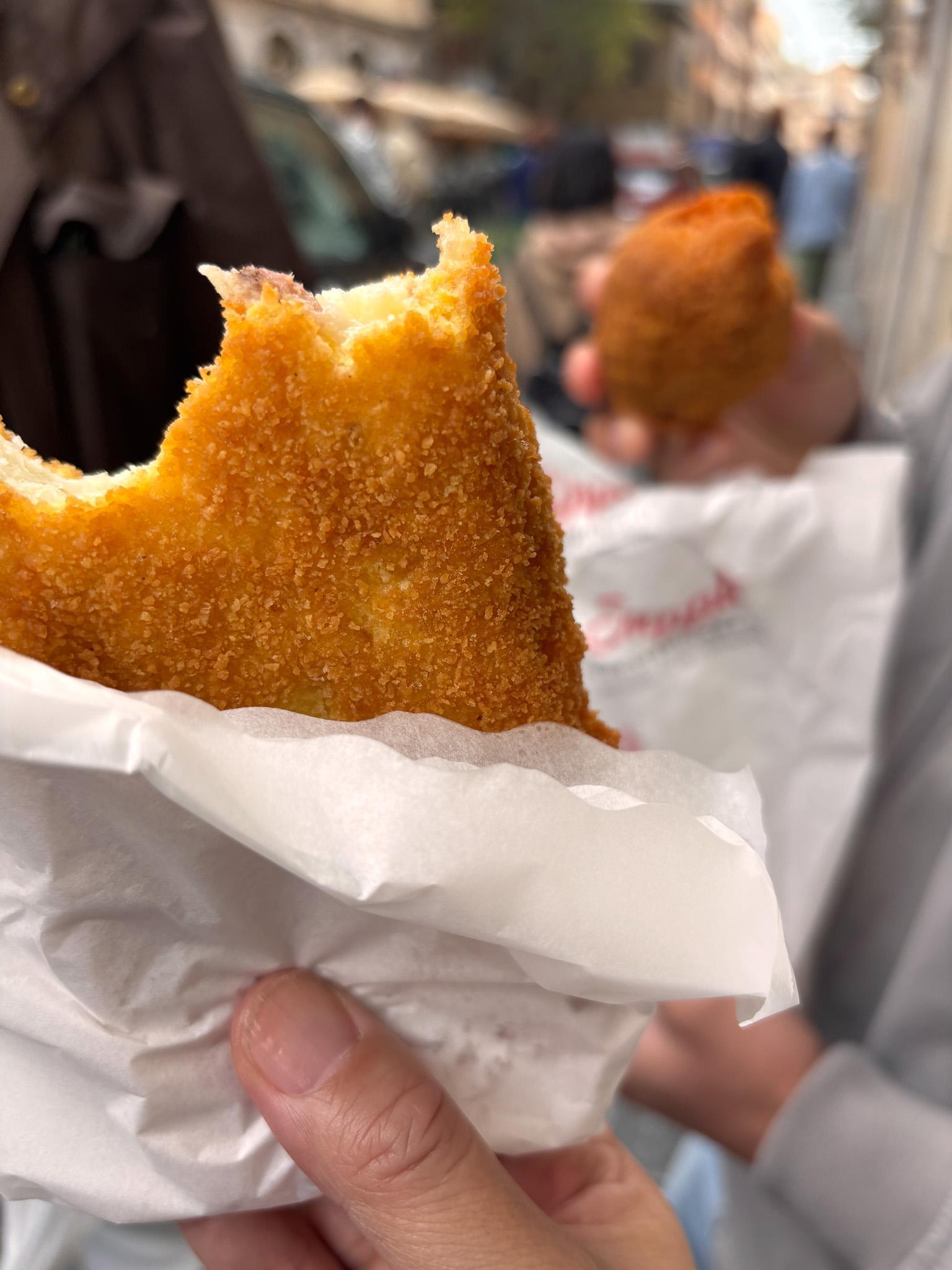
- Suppli – fried rice balls with a stringy mozzarella centre, Rome’s answer to the Sicilian arancino. We loved the cacio e pepe ones so much we went back for a second bag!
- Carciofi alla giudia – whole artichokes flattened and deep-fried until crisp, a speciality of the Jewish Ghetto.
- Coda alla vaccinara – slow-cooked oxtail, part of Rome’s nose-to-tail quinto quarto tradition from the old Testaccio slaughterhouse.
- Pinsa and pizza – pinsa is the light, oval, crisp-based Roman style. Pizza here is thin and crunchy, not the thick Naples kind.
- Maritozzo – a soft sweet bun split and filled with whipped cream, the classic Roman breakfast treat.
- Gelato and tiramisu – the gelato is everywhere and the kids lapped it up. For tiramisu, the made-to-order cups in Trastevere are a fun way in.
One piece of advice from someone who’s just done it. Don’t come to Rome on a diet, there’s no point fighting it! Would I go back hungry? Every time.

Where to get the best gelato in Rome
Gelato was a daily fixture on this trip, and the kids wanted one at every chance. The good news is that Rome does it better than almost anywhere, as long as you know what you’re looking at.
The giveaway of a good gelateria is what it doesn’t do. Walk past the shops with fluffy, neon-bright mountains piled up by the door. The real thing sits in covered metal tins, the pistachio is a dull khaki rather than bright green, and the flavours change with the season. We tried everything from mango to sweet cherries and mint.
- Gelateria alla Scala (Trastevere) – the stop from our food tour, and a good one to seek out.
- Otaleg and Fior di Luna (Trastevere) – two Trastevere favourites, both small-batch and natural. Otaleg is gelato spelt backwards, if you’re wondering.
- Gelateria del Teatro (near Piazza Navona) – on pretty Via dei Coronari, with a daily-changing board of more than 200 recipes. Expect a queue. We loved our gelato here – the chocolate was divine!
- Gelateria dei Gracchi (near the Vatican) – a long-standing name for classic, natural flavours, with several branches across the city.
- Fatamorgana – the one for more unusual, all-natural flavours, with gluten-free options and several branches across the city.

Where to eat in Rome: best areas
Where you base yourself in the Eternal City shapes where you’ll eat most nights, so it helps to know what each area does well.
- Trastevere – the classic eating-out neighbourhood, cobbled and lively, heavy on family-run trattorias, suppli, gelato and wine bars. Touristy in parts, but the backstreets still deliver.
- Testaccio – the real food quarter, built around the old slaughterhouse and the covered market. This is the home of cacio e pepe and the nose-to-tail classics.
- Monti – a walkable pocket near the Colosseum and the Roman Forum, with good bars and breakfast spots, minus the worst of the tourist-trap trade right by the ruins.
- Centro Storico (Pantheon and Piazza Navona) – pricier and busier, but there are keepers down the side streets, like the ones we found near the Pantheon.
- Prati and the Vatican – smart, residential streets north of the Vatican, good for a quieter dinner and aperitivo at places like La Zanzara and Mezé Bistrot.
- Aurelio – the residential area west of the Vatican, where we stayed with our hosts. It’s no dining destination in itself, but if you’re based here you’ll eat well and cheaply at neighbourhood spots like Pinsa e Gusto and Vecchia Osteria del Gelsomino, away from the crowds. One to eat in because you’re staying there, not to cross town for.
- Jewish Ghetto – small and central, and the place for carciofi alla giudia.
If you’re still deciding where to base yourself, the areas above are the ones to weigh up. Trastevere, Monti and the historic centre put you closest to most of the restaurants in this guide.

Where to eat in Trastevere
Trastevere is where most first-timers end up eating, and for good reason. Its streets hold more trattorias, suppli counters, gelaterie and wine bars than anywhere else in Rome, and it’s a short walk across the river from the centre. It’s also where the tourist traps gather, so it helps to know where to aim.
Here’s how the Trastevere picks in this guide break down by what you’re after.
- Pizza and fritti – Ai Marmi for thin Roman pizza, supplì al telefono and fried cod.
- A sit-down dinner – Zi Umberto or Da Lucia for simple Roman classics, from cacio e pepe to pollo con peperoni.
- On the move – Supplì Roma for a hot bag of suppli, and Tiramisù Merisù for tiramisu made to order.
- Gelato – Gelateria alla Scala, Fior di Luna or Otaleg, all small-batch and natural.
- A drink – Bar San Calisto for a cheap outdoor table, Ma Che Siete Venuti a Fà for craft beer, or Bernabei for a bottle to take away.
The one rule that holds right across Trastevere – skip the restaurants with photo menus and a tout on the main squares, and walk a couple of streets back. Go early too, by 7pm, before the evening crowds fill the lanes.
Tips for eating out in Rome
- Sit down by 7pm. Many of the best places don’t take bookings, and queues build from about 7:30, so an early table saves a wait. Romans eat later, so you’ll often have first pick.
- Walk a few streets from the big sights. The restaurants with laminated menus and a tout outside, right by the Colosseum, the Trevi Fountain or the Spanish Steps, are where you pay most for least. Five minutes away, it changes.
- Expect a coperto. A small cover charge per person is normal and not a scam. Tipping on top is optional.
- Keep the cappuccino for the morning. Romans drink milky coffee at breakfast and an espresso after lunch, and standing at the bar is cheaper than sitting.
- Ask a local, or take a food tour early. One good recommendation is worth a dozen review sites.
Rome’s food markets worth a browse

Markets are the cheapest way to eat well and the best way to see how Romans actually shop. Three are worth building a morning around.
- Mercato di Testaccio – the food-lover’s market, under a modern roof in the old slaughterhouse quarter. Street-food stalls, nose-to-tail classics and a gourmet stand from Michelin-starred chef Cristina Bowerman. Open Monday to Saturday mornings.
- Campo de’ Fiori – the most central market, trading in the same square since the 1800s. It’s touristy now, but still a good morning browse for fruit, cheese and oil. Open Monday to Saturday, roughly 7am to 2pm.
- Antico Forno Roscioli – not a market, but right by Campo de’ Fiori, and the stop for pizza bianca, pizza al taglio and a suppli on the move.
- Mercato Centrale and Eataly – two bigger food halls, one inside Termini station, one near Piramide, both handy for a rainy-day graze across plenty of stalls under one roof.
A sample food day in Rome
If you want a loose plan to hang a day on, here’s how a good eating day runs.
- Breakfast – a cornetto and cappuccino standing at a neighbourhood bar, or a maritozzo if you’re feeling greedy.
- Mid-morning – an espresso at Caffè Sant’Eustachio near the Pantheon.
- Lunch – suppli and a slice of pizza al taglio on the move, so you’re not tied to a table mid-sightseeing.
- Afternoon – gelato, obviously.
- Aperitivo – a glass of wine in Trastevere before the dinner rush.
- Dinner – a sit-down trattoria by 7pm for cacio e pepe or carbonara.

Where to eat in Rome FAQs
What food is Rome famous for?
Rome is known for its four pasta dishes above all, cacio e pepe, carbonara, amatriciana and gricia, all built on pecorino romano, with guanciale in every one bar the cacio e pepe. Beyond pasta, look for suppli, deep-fried artichokes in the Jewish Ghetto, oxtail and other nose-to-tail dishes from Testaccio, thin crisp Roman pizza, and the maritozzo cream bun for breakfast.
Where do locals actually eat in Rome?
Locals in the Italian capital tend to eat away from the headline sights, in neighbourhoods like Testaccio, Prati and the backstreets of Trastevere. The places our hosts and guide sent us, from Vecchia Osteria del Gelsomino near the Vatican to Da Felice in Testaccio, were all a short walk from the tourist crush rather than on top of it.
How much does a meal out cost in Rome?
It varies by neighbourhood and style, but a relaxed trattoria dinner is still good value. On our first night, four of us ate pinsa with wine and beer for around €80. Expect a small per-person coperto on top of the bill, and budget more around the main sights, where prices climb.
Do you need to book restaurants in Rome?
Many of the best-loved spots don’t take bookings at all, so the trick is to turn up early, ideally by 7pm, before the queues form. For the better-known names like Da Felice, a reservation is worth making. If a place does take bookings and you’re set on it, grab one.
Where should I eat in Trastevere?
Aim for the backstreets rather than the main piazzas, where the photo-menu places cluster. Zi Umberto and Da Lucia are good for a Roman dinner, Ai Marmi for pizza, and Supplì Roma for suppli on the move, with Bar San Calisto for a cheap drink after. Go by 7pm to beat the evening crowds.
Is a food tour in Rome worth it with kids?
It was for us. The regular snacks break up the walking, the kids stay interested because they’re eating, and you come away knowing how to order for the rest of the trip. Doing ours early in Trastevere meant the rest of our meals were better chosen.
Keep planning your Italy trip
Rome is an easy place to fall for, and it pairs well with the rest of the country. If you’re travelling as a family, our Rome with kids guide covers the sights, the food tour and where we stayed. From there, it’s a short hop to more of our Italy writing, from Florence and Siena in Tuscany to Ravello on the Amalfi Coast and our Sicily guide.