Last Updated on 02/06/2026 by Ting Dalton
Lisbon has been called the hottest destination, the coolest European city, the new Barcelona, but better. And you know what? The Portuguese capital lives up to the hype.
Sweeping views over the Tagus River, prices that still feel kind next to its neighbours, centuries of history, food that keeps you ordering one more plate, and those yellow trams clattering up cobbled hills. Lisbon has a lot going on. Whether you’re here for a long weekend or as part of a bigger Portugal trip, this guide covers the best things to do in Lisbon, for couples, solo travellers and families alike.

The best things to do in Lisbon include: climbing to Castelo de São Jorge for panoramic city views, visiting the UNESCO-listed Jerónimos Monastery, getting lost in the streets of Alfama, riding the iconic Tram 28, catching sunset from miradouros like Santa Luzia, hunting down street art in Bairro Alto, and eating warm pastéis de nata at the original Pastéis de Belém. You’ll want 3 to 4 days to cover the main attractions.
Quick facts:
- Currency: Euro (€)
- Language: Portuguese
- Best time to visit: April-October
- Getting around: Trams, metro, buses, taxis
- Days needed: 3-4 days minimum
See the top attractions in Lisbon
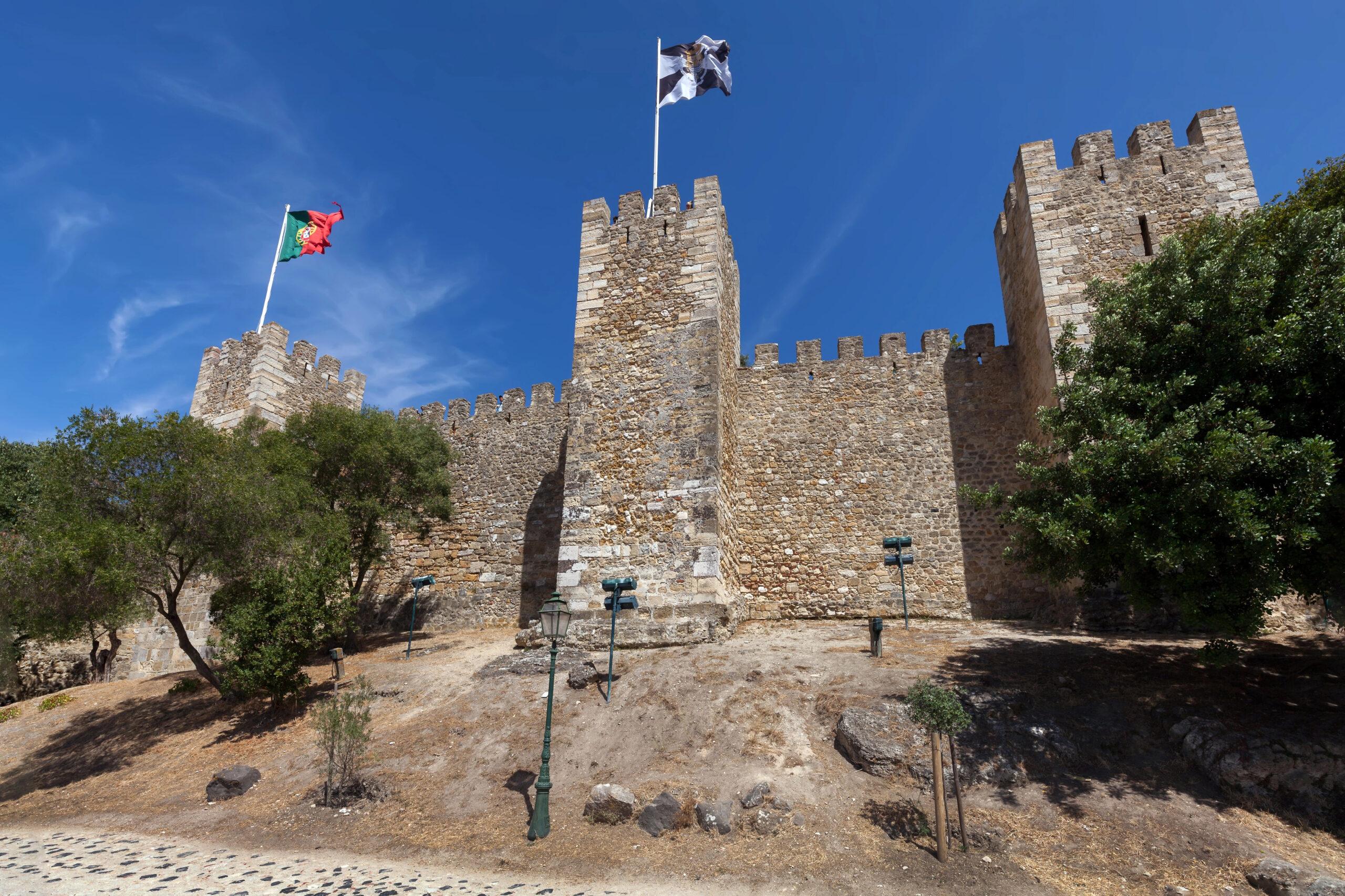
Castelo de São Jorge (St George’s Castle)
Perched on Lisbon’s highest hill, this medieval castle offers some of the best views of the city. The fortress dates back to the 11th century and played a pivotal role in Portugal’s history.
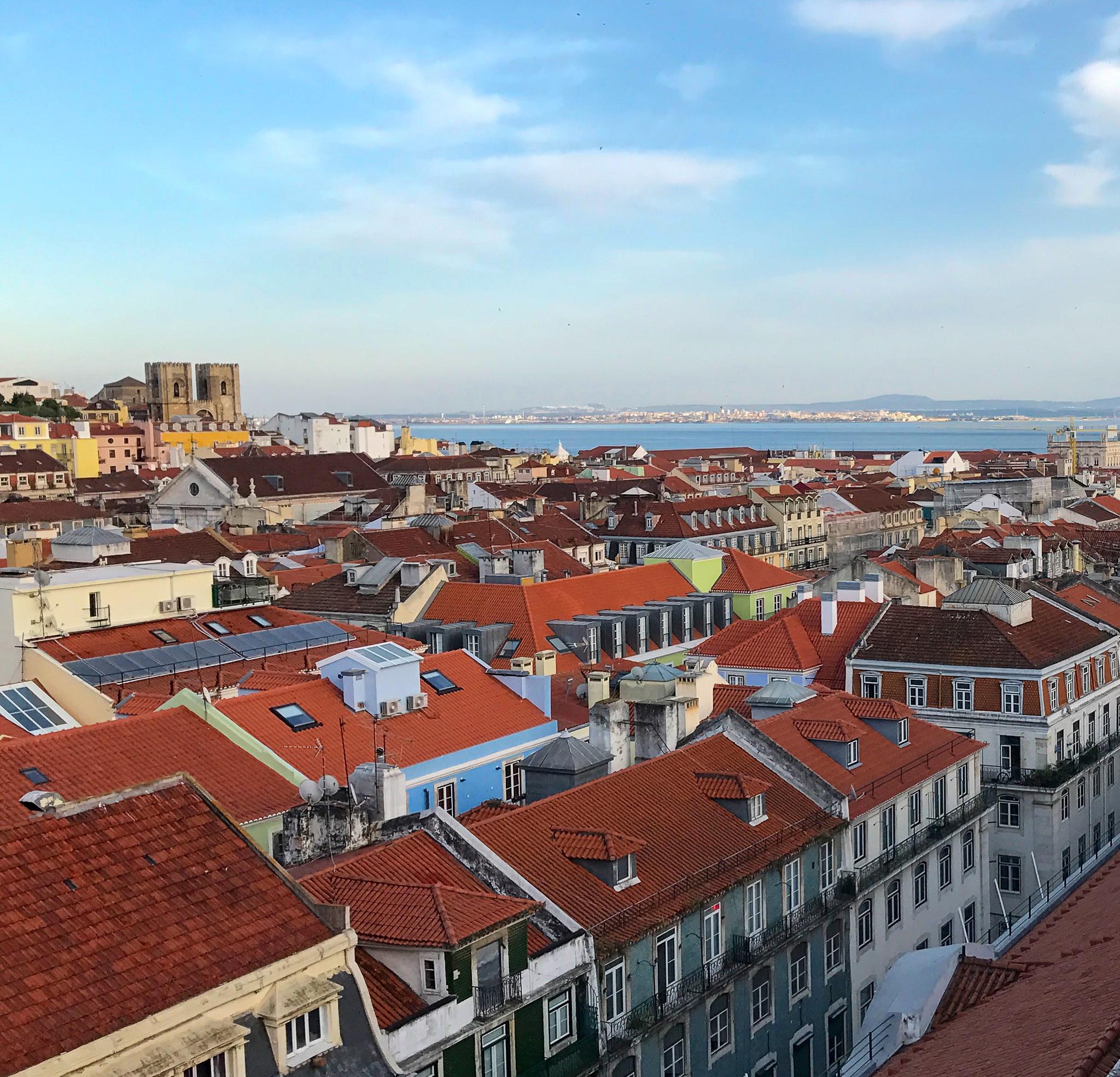
From the castle’s ramparts, you’ll see the terracotta rooftops of Alfama spreading below you, the Tagus River glinting in the distance, and landmarks stretching as far as the eye can see. The castle grounds are surprisingly large with peacocks wandering freely through tranquil gardens.
Inside, you can explore 11 towers, walk along the battlements, visit the camera obscura, and see archaeological remains from various periods. The watch towers stand 110 metres above central Lisbon – the climb is worth it.
Opening hours: 9am-9pm (March-October), 9am-6pm (November-February), last entry 30 minutes before closing
Tickets: €17 adults, €8.50 youth (13-25), €14 seniors (65+), free for children under 12
Closed: January 1, May 1, December 24, 25, 31
Free entry: with the Lisboa Card
How to get there: Tram 28 to Largo das Portas do Sol, then a 5-minute walk uphill, or bus 737 to the castle
Insider tip: arrive around 8:40am or after 3:30pm to dodge the midday crowds and the ticket queues. Book online to skip the line altogether.
Jerónimos Monastery (Mosteiro dos Jerónimos)
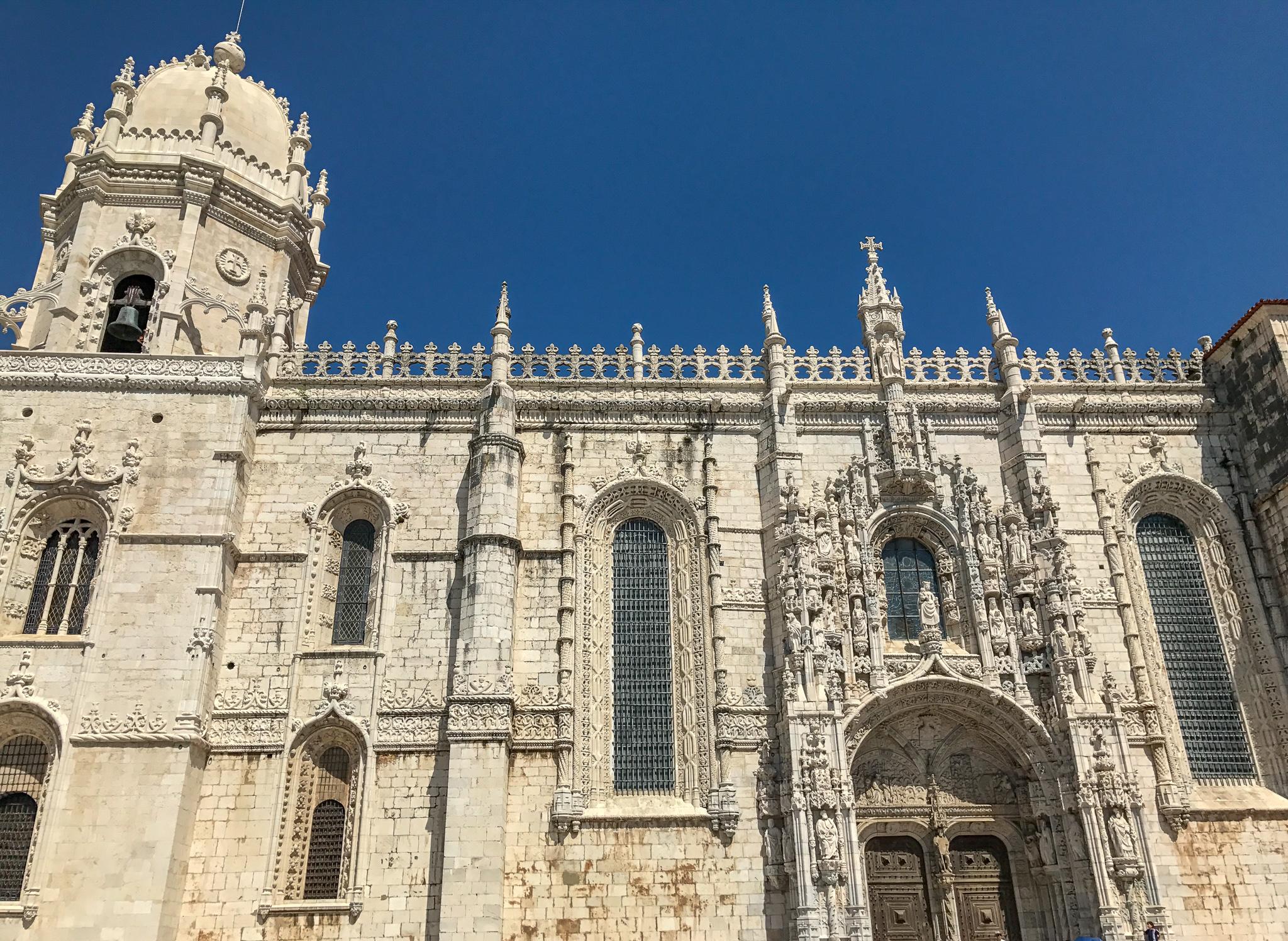
This UNESCO World Heritage Site is one of Portugal’s most magnificent monuments. Built in the early 16th century to celebrate Vasco da Gama’s voyage to India, the monastery is a masterpiece of Manueline architecture.
The cloisters are the main attraction – two storeys of intricate stone carvings, maritime motifs, and delicate arches that seem to defy gravity. Inside the church, you’ll find the tombs of Vasco da Gama and the poet Luís de Camões. The monastery survived the devastating 1755 earthquake that destroyed most of Lisbon, making it even more remarkable.
The sheer detail in the stonework is breathtaking. Twisted ropes, anchors, exotic plants, and sea creatures are carved into every surface – a testament to Portugal’s Age of Discoveries when Lisbon was the centre of the known world.
Opening hours: 10am-5:30pm (October-April), 10am-6:30pm (May-September), closed Mondays
Tickets: €18 adults (church entry is free), discounts for youth and seniors
Closed: Mondays, January 1, Easter Sunday, May 1, December 25
Free entry: first Sunday of the month until 2pm (Portuguese residents only), or free with the Lisboa Card
How to get there: Tram 15E from Praça do Comércio, or train to Belém station
Insider tip: book online to skip the ticket queue, which can stretch to two hours in high season. A combined ticket with Belém Tower covers both Belém heavyweights in one go.
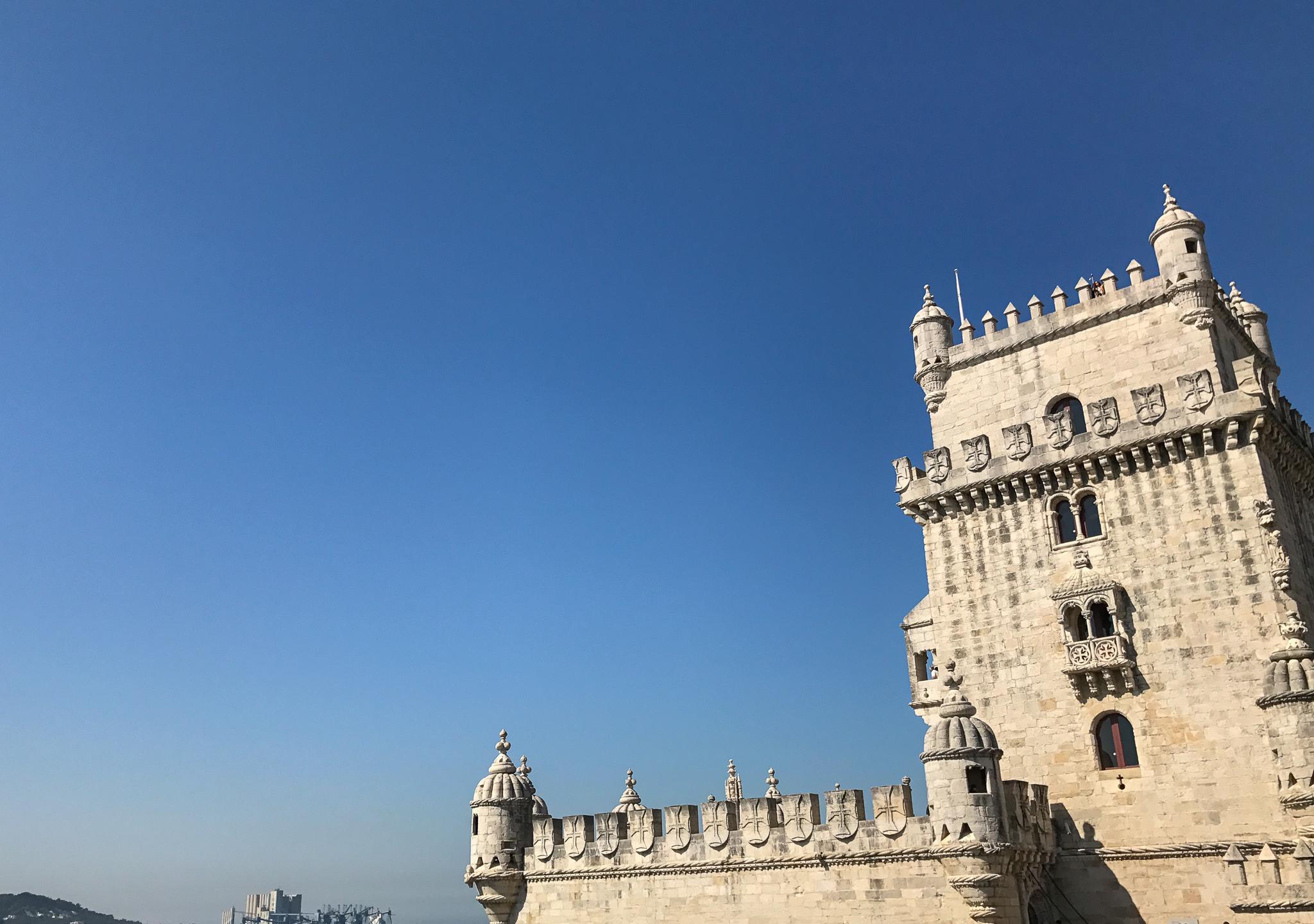
Belém Tower (Torre de Belém)
Good news if you’ve visited before and found it covered in scaffolding. Belém Tower reopened in late May 2026 after a year-long restoration, and the 16th-century fortress is looking sharp again, inside and out.
Sitting right on the edge of the Tagus, this is one of Lisbon’s most photographed landmarks, and another showpiece of Manueline architecture. Built between 1514 and 1520 as a defensive tower, the exterior is covered in twisted stone ropes, shields and maritime symbols. Look for the rhinoceros gargoyle on the western façade, a nod to the first rhino to reach Portugal in 1515.
Inside, you climb five floors via a narrow spiral staircase to reach the rooftop terrace, passing the Governor’s Hall, the King’s Room and the old dungeon on the way up. The views back across the river and along the waterfront are worth the climb.
One thing to know before you go. Since reopening, the tower runs a timed entry system to ease the queues that used to snake along the riverfront, with a capped number of visitors every half hour. Book online ahead of time, especially in spring and summer.
Opening hours: 10am-5:30pm (October-April), 10am-6:30pm (May-September), last entry 30 minutes before closing, closed Mondays
Tickets: around €15 adults, €7.50 youth (13-24) and seniors (65+), free for children under 12. A combined ticket with Jerónimos Monastery is available and saves a couple of euros
Free entry: with the Lisboa Card
Location: Avenida Brasília, a 10-minute walk from Jerónimos Monastery
How to get there: Tram 15E from Praça do Comércio, or train to Belém station
Insider tip: prices and the entry system were updated when the tower reopened this year, so it’s worth double-checking the latest on the official site before you book. Early morning or late afternoon still gives you the softest light for photos from the little footbridge.

Elevador de Santa Justa (Santa Justa Lift)
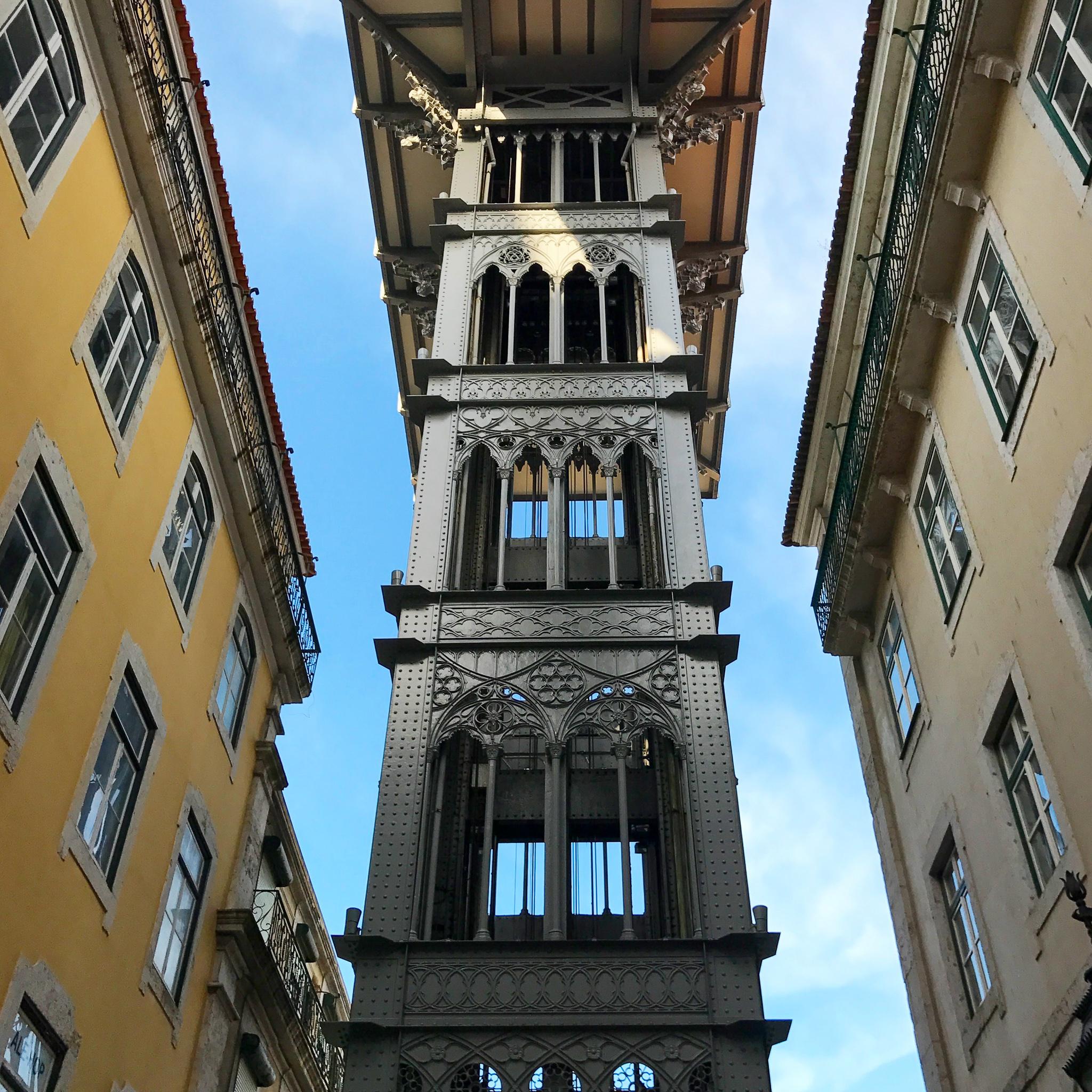
This neo-Gothic iron lift is one of Lisbon’s quirkiest landmarks. Built in 1902 by a student of Gustave Eiffel, it connects the lower streets of Baixa with Largo do Carmo higher up the hill.
The 45-metre lift carries you up to a panoramic terrace with views over Baixa, the castle and the river. Here’s the insider move, though. The viewpoint at the top is also reachable on foot from Largo do Carmo, so you can walk up the hill, enjoy the view, and ride the lift down with a much shorter queue. The lift fare is pricey for what it is, and it’s included free with the Lisboa Card or a day travel pass.
Tickets: around €6 return for the lift, or roughly €5 for the viewpoint terrace only. Free with the Lisboa Card
How to get there: in the heart of Baixa, near Rossio Square
Insider tip: the lift occasionally closes for maintenance, and prices have shifted recently, so check before you make a special trip. The viewpoint from neighbouring Largo do Carmo is free and just as good.
Best viewpoints in Lisbon (miradouros)
Lisbon is built on seven hills, which means spectacular viewpoints are everywhere you turn. Here are the best miradouros:
Miradouro de Santa Luzia
This is Lisbon’s most romantic viewpoint. A pergola draped in purple bougainvillaea frames views over Alfama’s terracotta rooftops, the Tagus River, and landmarks like the National Pantheon.
The terrace features beautiful azulejo tiles depicting historical scenes – one shows Praça do Comércio before the 1755 earthquake, another illustrates the Christian siege of São Jorge Castle in 1147. There’s a small café where you can sit with a drink and soak in the atmosphere.
How to get there: Tram 28 or 12E to Largo Santa Luzia stop
Free to visit, open 24 hours
Best time: Sunrise or early morning to avoid crowds
Miradouro das Portas do Sol
Just a two-minute walk from Santa Luzia, this viewpoint offers similar vistas but with more space and an unobstructed view. There’s a larger terrace here, perfect for photos without the pergola in the way.
Miradouro da Graça
Higher up than the others, this viewpoint gives you panoramic views across the entire city centre, including São Jorge Castle. There’s a lovely café with outdoor seating where you can linger over drinks while admiring the scenery.
More things to see in Lisbon
Sé de Lisboa (Lisbon Cathedral)
The oldest church in the city, Lisbon Cathedral has stood since 1147, when the city was taken back from the Moors. From the outside it looks more like a fortress than a church, two squat bell towers and thick stone walls that have ridden out earthquake after earthquake.
Inside it’s calm and dim, with a quiet cloister and a treasury worth a look. You’ll spot it easily, the famous Tram 28 rattles right past the front door, which makes for the classic Lisbon photo.
Tickets: the cathedral is free to enter, with a small charge for the cloister and treasury
How to get there: Tram 28 to the Sé stop
National Tile Museum (Museu Nacional do Azulejo)
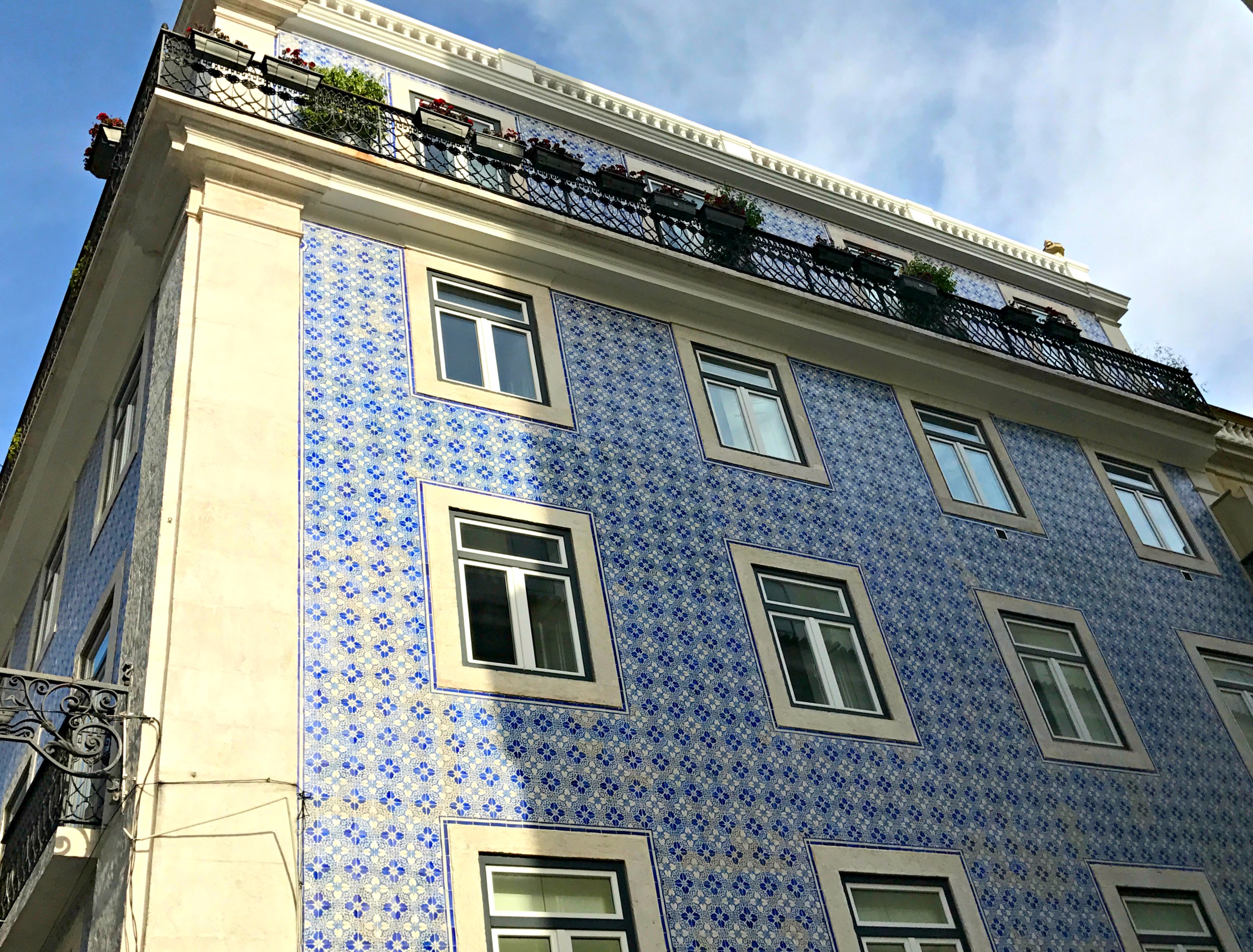
Those blue-and-white tiles you see all over Lisbon are azulejos, and this museum tells their whole story, set inside a former convent. The highlight is a 23-metre tiled panorama of Lisbon as it looked before the 1755 earthquake, one of the most detailed records of the old city that survives.
It sits a little east of the centre, so it’s quieter than the big Belém sights. Worth the short hop if you’ve got a soft spot for the tiles.
Fado Museum (Museu do Fado)
Fado is Portugal’s soulful, melancholic folk music, and Alfama is its spiritual home. The Fado Museum walks you through its history and the singers who made it famous, a good primer before you catch a live performance in one of the neighbourhood’s taverns at night.
See the 25 de Abril Bridge (and Lisbon’s own Golden Gate)
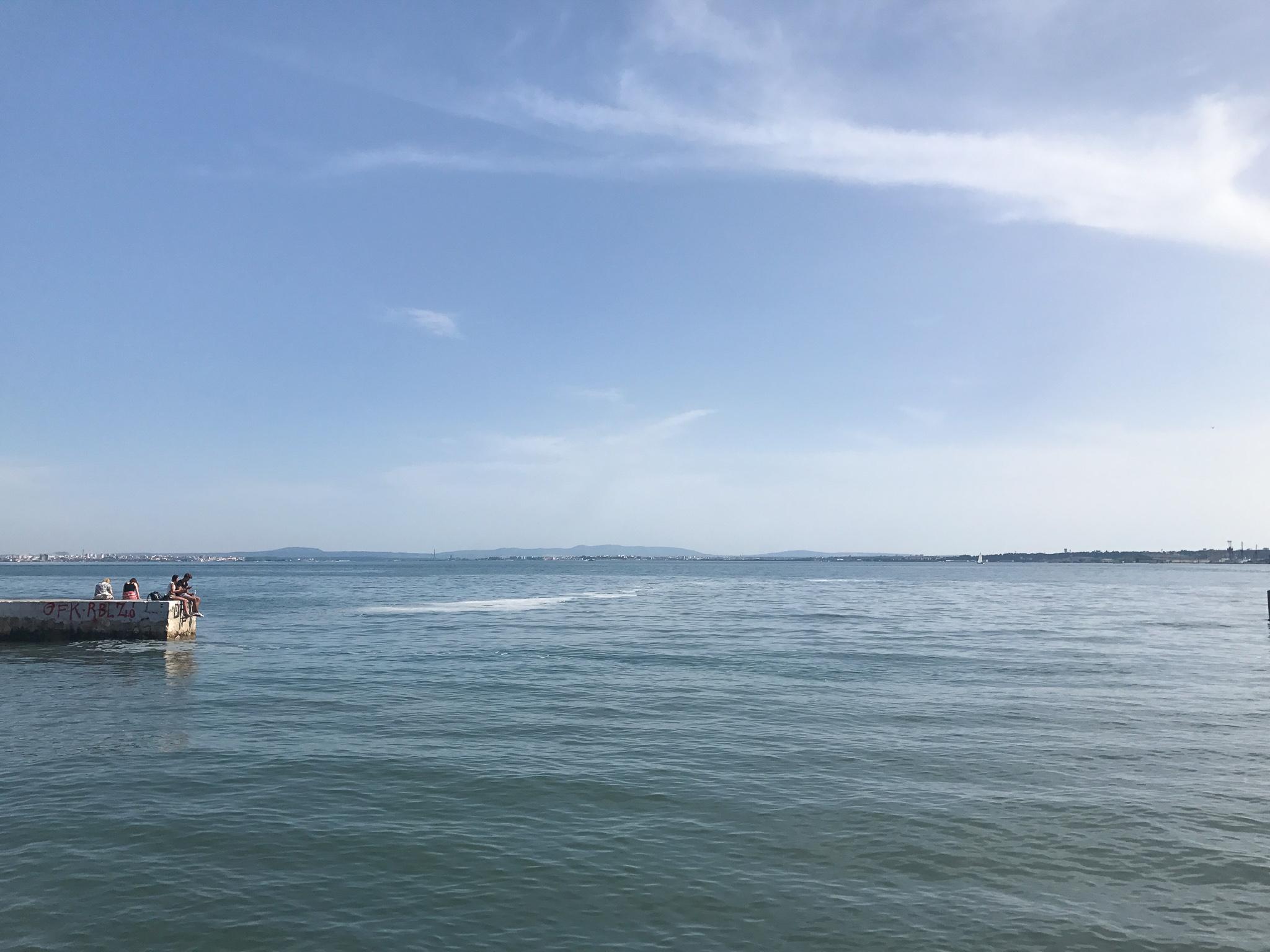
Stretched across the Tagus in burnt red, the 25 de Abril Bridge does look uncannily like San Francisco’s Golden Gate. There’s a reason for that. It was built by the American Bridge Company, the same firm behind the Bay Area’s bridges, and engineered for the same earthquake-prone ground. It opened in 1966 and was renamed after the 1974 Carnation Revolution that gave Portugal back its democracy.
For most first-time visitors, the bridge is something you admire from a distance, from the Belém waterfront, an LX Factory rooftop, or out on a river cruise. If you want to get closer, the Pilar 7 Experience takes you up inside one of the bridge’s pillars to a viewpoint 80 metres up, with a glass floor and views down the mouth of the river towards the Atlantic Ocean.
One honest heads-up. The lift up to the Pilar 7 viewpoint has been out of action for a while, which leaves a climb of more than 370 steps to the top. Worth knowing before you commit, especially with little ones or dodgy knees.
Tickets: Pilar 7 Experience around €5-6, free with the Lisboa Card
Location: Avenida da Índia, just behind LX Factory in Alcântara
Exploring Lisbon’s neighbourhoods
Alfama
Lisbon’s oldest neighbourhood is a maze of narrow streets, steep staircases, and faded buildings adorned with laundry lines. This is where fado music echoes from taverns at night and where you’ll find the most authentic Lisbon.
Get deliberately lost in the winding streets. You’ll stumble upon hidden viewpoints, tiny churches, and local tascas (taverns) that haven’t changed in decades. The neighbourhood survived the 1755 earthquake, so these really are Lisbon’s original streets.
Don’t miss: Fado performances in traditional restaurants, the Flea Market at Campo de Santa Clara (Tuesdays and Saturdays)
National Pantheon (Panteão Nacional)
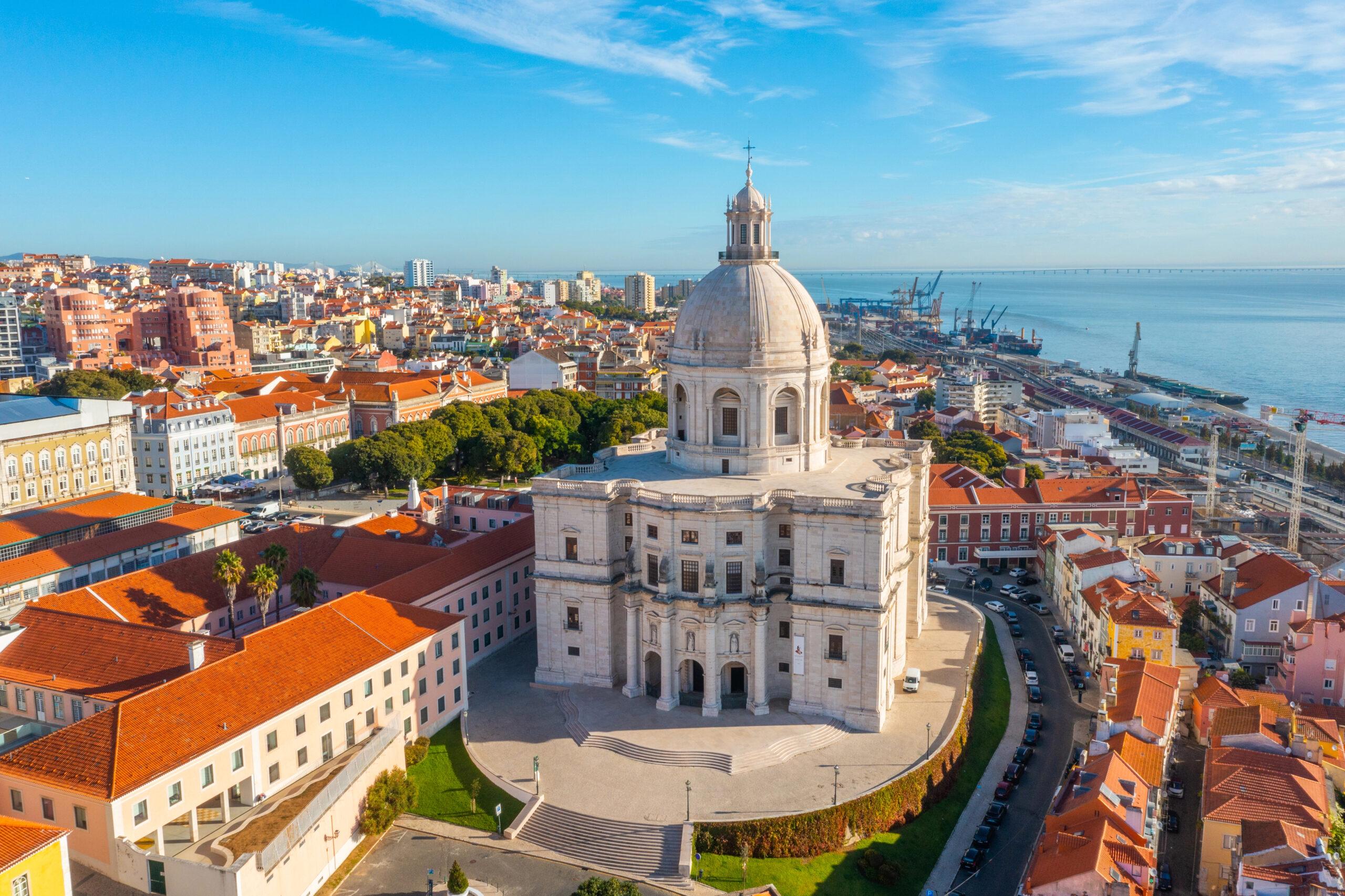
The great white dome you see rising above Alfama’s rooftops belongs to the National Pantheon, the former Church of Santa Engrácia. It took so long to finish, begun in the 1680s and not completed until 1966, that the Portuguese still use the phrase “a job like Santa Engrácia” for anything that drags on forever.
Inside, the baroque marble interior is striking, and it now holds the tombs of Portuguese notables, including the fado singer Amália Rodrigues. The real reason to climb up, though, is the dome terrace. From the top, you get sweeping 360-degree views over the terracotta roofs of Alfama, the Tagus River and out towards the water, one of the best panoramas in the city and far quieter than the castle.
It sits right beside Campo de Santa Clara, so time your visit for a Tuesday or Saturday and you can pair it with the Feira da Ladra flea market on the same square.
Opening hours: 10am-6pm (April-September), 10am-5pm (October-March), closed Mondays
Tickets: around €8 adults, free with the Lisboa Card, free on Sunday mornings for Portuguese residents
How to get there: Tram 28 to the Voz do Operário or São Vicente stop
Baixa (City Centre)
Rebuilt after the 1755 earthquake in a neat grid pattern, Baixa is Lisbon’s elegant downtown. Wide pedestrianised streets are lined with shops, cafés, and beautiful architecture.
Praça do Comércio (Commerce Square) is the city’s grand waterfront plaza with yellow colonnades and the triumphal Arco da Rua Augusta. It’s one of Europe’s most beautiful squares and the best place to watch the sunset over the Tagus River.
Livraria Bertrand, the world’s oldest bookshop
Tucked into Chiado, Livraria Bertrand holds a Guinness World Record as the oldest operating bookshop on the planet, trading since 1732. Step through the blue-tiled front, and you’re into a warren of low-ceilinged rooms lined with books. There’s an English-language section and a small café at the back. Even if you don’t buy a thing, it’s a lovely ten-minute wander.
Bairro Alto
By day, Bairro Alto is a quiet neighbourhood of traditional buildings and small shops. After dark, it transforms into Lisbon’s nightlife hub with bars spilling onto cobbled streets.
Even if you’re not into the party scene, it’s worth visiting for the atmosphere and the excellent restaurants tucked into the side streets.
Cais do Sodré and Pink Street
Down by the river, Cais do Sodré has gone from rough-and-ready dockside to one of Lisbon’s most fun pockets. The headline act is Pink Street (Rua Nova do Carvalho), a lane painted bubblegum pink with umbrellas strung overhead. It was once the city’s red-light district. Now it’s lined with bars and clubs that fill up after dark.
Come during the day for the photo and a quiet coffee, or after 11pm if you want to see it properly busy.
Mercado da Ribeira (Time Out Market)
A two-minute walk from Pink Street, the Time Out Market is the easiest way to eat your way around Lisbon in one sitting. The old Mercado da Ribeira food hall now gathers stalls from some of the city’s best-known chefs and restaurants under one roof, with long communal tables in the middle.
It’s busy, and it’s not the cheapest food in town, but it’s brilliant when your group can’t agree, everyone grabs something different. Go early for lunch or mid-afternoon to dodge the worst of the crush. The traditional produce market still runs in the morning on the other side of the building. I write about our time here in my Where to eat in Lisbon guide.
Opening hours: generally 10am-midnight (later at weekends)
Location: Avenida 24 de Julho, right by Cais do Sodré station
Belém
The riverside district of Belém is where Portugal’s Age of Discoveries began. This is where explorers set sail for unknown lands, and the neighbourhood celebrates this maritime heritage.
Besides the Jerónimos Monastery and Belém Tower, you’ll find the Monument to the Discoveries, MAAT (Museum of Art, Architecture and Technology), and the essential Pastéis de Belém.
LX Factory
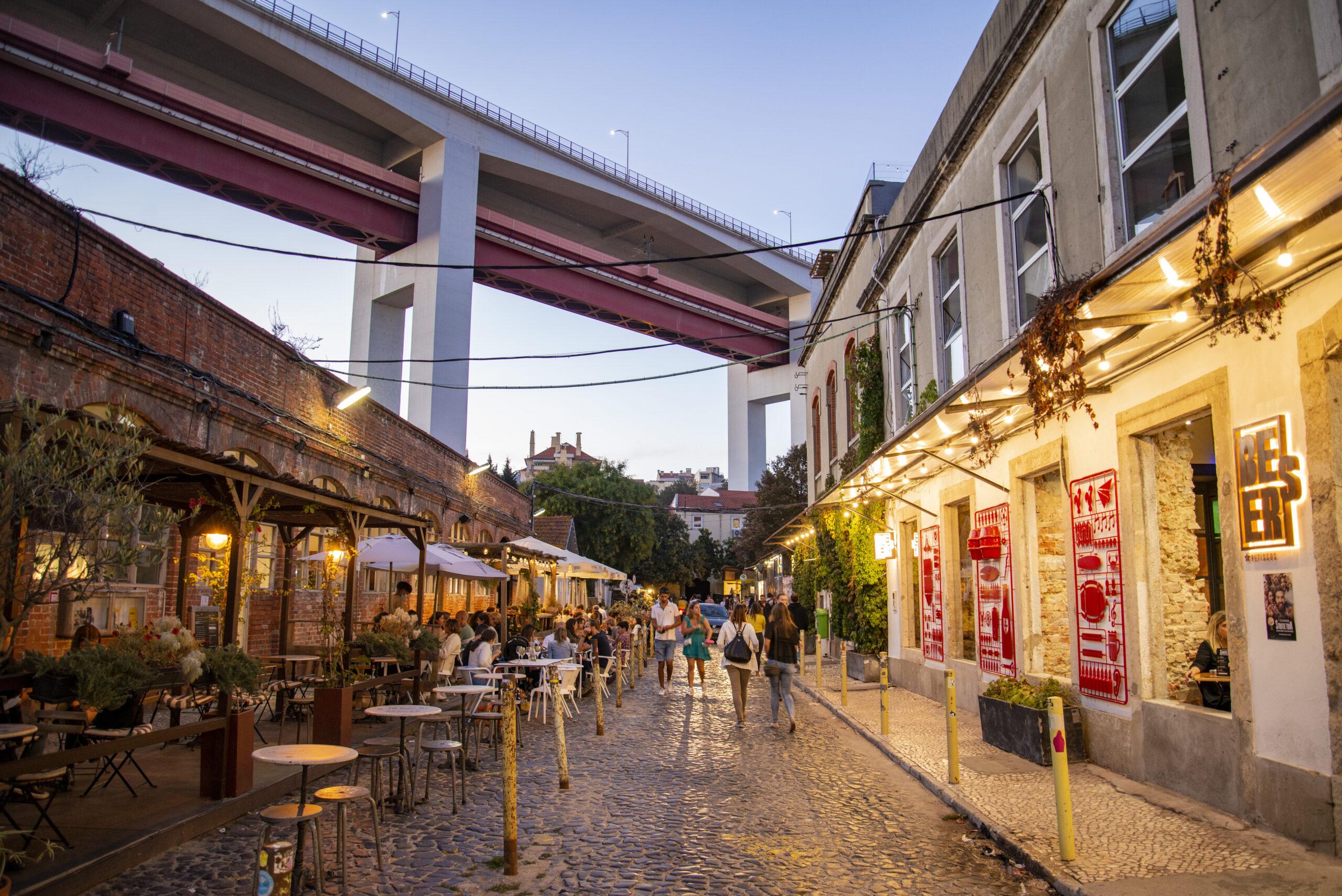
This former industrial complex under the 25 de Abril Bridge has been transformed into a creative hub. Warehouses now house quirky shops, art galleries, cafés, and restaurants.
Ler Devagar bookshop is worth visiting just for the atmosphere – books stacked floor to ceiling with a café tucked inside. The Sunday market is brilliant for vintage finds and handicrafts.
Where to eat in Lisbon
Pastéis de Belém
You cannot visit Lisbon without trying a pastel de nata (custard tart). And the original recipe comes from Pastéis de Belém, the legendary bakery next to Jerónimos Monastery.
The recipe dates back to the 18th century and remains a closely guarded secret. The tarts are served warm, with a crispy golden pastry and creamy custard centre. Dust them with cinnamon and icing sugar.
Yes, there’s always a queue. No, it’s not overhyped. These really are the best pastéis de nata you’ll taste.
Location: Rua de Belém 84-92
Opening hours: 8am-11pm daily
Price: Around €1.20 per tart
For a comprehensive guide to Lisbon’s best restaurants, traditional tascas, seafood spots, and where to find the best Portuguese food, check out our full Where to eat in Lisbon guide.

How to get around Lisbon
Trams
The iconic yellow Tram 28 is Lisbon’s most famous route, rattling through Graça, Alfama, Baixa, and up to Estrela. It’s both tourist attraction and legitimate public transport.
Fair warning: Tram 28 gets absolutely rammed with tourists. If you want to actually enjoy the ride rather than being crushed against strangers, board at one of the terminus points (Martim Moniz or Campo de Ourique) early in the morning.
Tram 15E runs along the waterfront to Belém and is far less crowded.
Metro
Lisbon’s metro is clean, efficient and covers most areas you’ll need. The Blue Line is the handy one, linking the airport with the city centre.
You’ll need a rechargeable Navegante card (€0.50, formerly called Viva Viagem), topped up at any metro machine. A single journey is €1.90, or load “zapping” credit for a slightly cheaper per-trip fare. A 24-hour pass covering metro, trams and buses is €7.25. You can now also tap a contactless bank card straight at the metro gates, though it works out a touch more than a single ticket.
Taxis and ride-sharing
Taxis in Lisbon are remarkably affordable. A ride from the city centre to Belém costs around €8-10. They’re particularly useful when you’re tired of climbing Lisbon’s hills.
Uber and Bolt also operate in Lisbon and are often cheaper than taxis.
Walking
Lisbon is very walkable, but those hills are no joke. Wear comfortable shoes, bring water, and don’t underestimate how steep some streets are. Every day is leg day in Lisbon.

Lisbon with kids: Family-friendly highlights
So while I would agree with many of the plaudits that Lisbon is a cool city with stretches of gorgeous beaches, relatively affordable in comparison to its neighbours, historic and cultural, and bursting with amazing restaurants and bars, is it baby-friendly? Well, the streets certainly make it tough.
Lisbon’s seven hills overlooking the Rio Tejo and the Atlantic give the city its distinct charm – the cobbled streets, ornate buildings and the rumbling of trams and funiculars are present at every turn. Those hills, though, are steep. And very uneven. So pushing a pram up and down them was rather exhausting. Particularly in 28°C heat, and with a five-year-old who was also complaining that his legs were tired.
Getting around Lisbon with kids
Fortunately, the cabs in Lisbon are dirt cheap, and we found them to be a good alternative to schlepping about the streets when we had to go some distance. One morning, we wanted to take the No.15 tram to Belém, but the crowds waiting to cram on were so overwhelming we found a taxi rank close by and paid less in fares than it would have been for two tickets on public transport. Plus, it was much more comfortable.
We were staying in family-friendly apartments at Martinhal Chiado, which gave us the great option of putting Monkey into their kids’ club. He wanted to go, which meant that my husband and I, alongside the baby, got to just wander without worrying about entertaining our eldest.

Top kid-friendly attractions
Lisbon Oceanarium (Oceanário de Lisboa)
This is the big one for families. One of Europe’s largest aquariums, the Lisbon Oceanarium has thousands of marine creatures across roughly 450 species.
The design is brilliant for kids – you walk around the enormous central tank viewing sharks, rays, and colourful fish from different levels, while four separate habitat zones represent the North Atlantic, Antarctic, Pacific, and Indian Ocean ecosystems. The sea otters alone will keep kids entertained for ages.
It’s not just about looking at fish through glass. There are interactive exhibits, educational talks throughout the day, and temporary exhibitions that change regularly. The building itself is impressive – it appears to float on water and you access it via a footbridge.
Opening hours: 10am-8pm daily (last entry 7pm)
Tickets: from €25 adults, €15 children (3-12), free for under 3s, with discounts for seniors. Prices rise in peak season
Location: Parque das Nações (Oriente metro station, Red Line)
Time needed: 2-3 hours
Website: oceanario.pt
Insider tip: the Oceanarium uses timed entry slots, so book online and pick your time to skip the queue. Arrive at opening or late afternoon for the quietest visit.
Lisbon Zoo (Jardim Zoológico)
Founded in 1884, Lisbon Zoo is one of the oldest in Europe and home to over 2,000 animals from 300 species. It’s a proper full-day experience for families.
The highlights for kids include the dolphin shows, the cable car ride over the enclosures, and the Children’s Farm, where little ones can interact with domestic animals. There’s also a reptile house with Komodo dragons, big cat enclosures with lions and tigers, and an impressive bird collection.
The zoo is well-shaded with plenty of places to stop for snacks. It’s stroller-friendly on most paths, though some areas are hilly.
Opening hours: 10am-8pm (March-September), 10am-6pm (October-February), open every day of the year
Tickets: €30.50 adults, €18.50 children (3-12), €21.50 seniors, free for under 3s. Booking online is slightly cheaper
Location: Jardim Zoológico metro station (Blue Line), steps from the entrance
Time needed: 3-4 hours, easily a full day
Website: zoo.pt
Insider tip: check the daily schedule for animal presentations and feeding times when you arrive, as these change. Visit on a weekday to avoid the weekend crowds.
Parque das Nações
This modern waterfront district (where the Oceanarium is located) is excellent for families. There’s loads of open space for kids to run around, a riverside promenade for scooters and bikes, playgrounds, and the cable car (Telecabine Lisboa) offering aerial views of the Tagus.
The Vasco da Gama shopping centre is here too, useful for rainy days or when you need air conditioning and food courts.
Parks and playgrounds
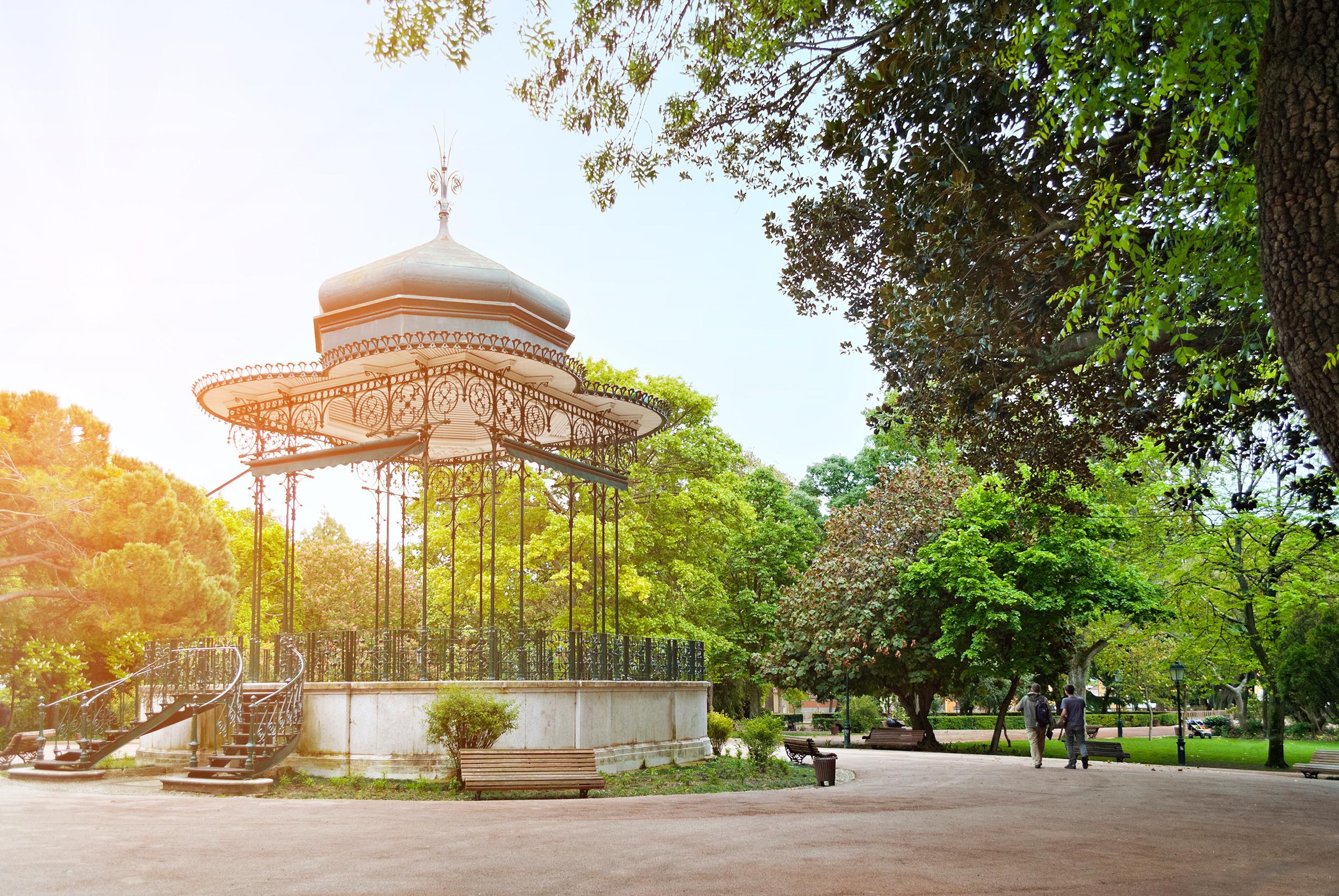
Jardim da Estrela: Beautiful park in central Lisbon with a large playground, duck pond, and plenty of shaded areas for picnics. There’s a café with outdoor seating where parents can relax while kids play.
Parque Eduardo VII: Lisbon’s largest park with formal gardens, open spaces for running, and views down to the river. The greenhouse (Estufa Fria) is worth visiting – kids love exploring the tropical plants and lily ponds.
Parque Florestal de Monsanto: If you have a car, this massive forested park on the city’s outskirts has excellent playgrounds, picnic areas, and hiking trails. It’s Lisbon’s green lung and feels miles away from the city.
Family activities
The city may be compact, as many neighbourhoods are within walking distance of one another, but it still packs a punch in terms of activities and attractions – there is much to do in Lisbon with children because most of them are kid-friendly.
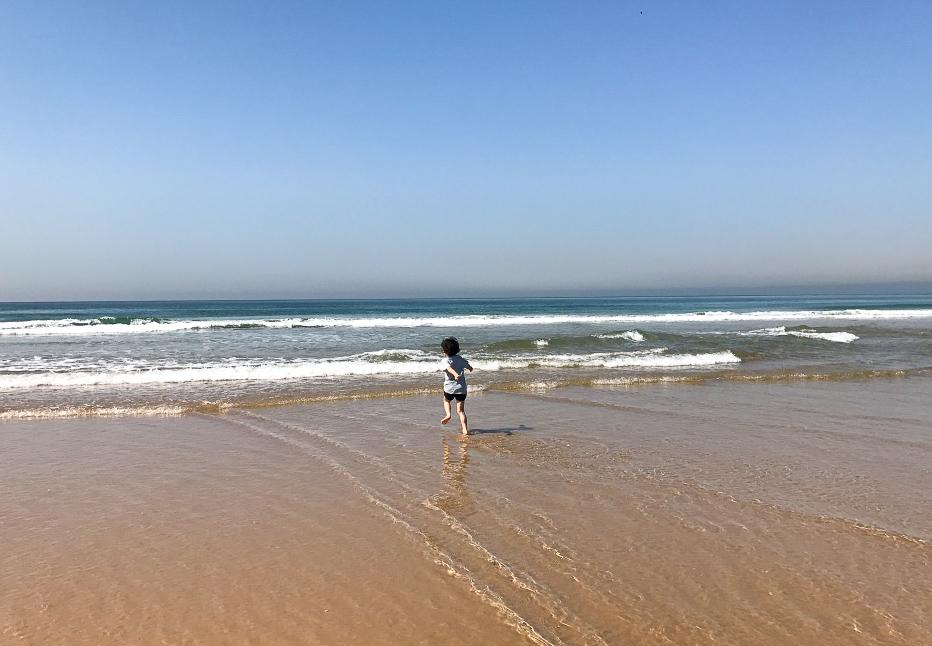
We wandered the trendy districts of Bairro Alto and Baixa, heading out to the Caparica coastline to spend several hours on São João beach. Riding a few clickety trams, and exploring Belém and Belém Tower (when it’s open), as well as riding the Elevador de Santa Justa, meant we put on our tourist hats on several occasions.
Family-friendly beaches near Lisbon:
- Costa da Caparica – 30 minutes from the city centre, long stretch of beaches with facilities
- Cascais – charming seaside town, 40 minutes by train, multiple beaches and a lovely promenade
- Carcavelos – closer to the city, popular with families, good surf school for older kids
Other family tips:
- Most restaurants are very child-friendly – high chairs are usually available, and staff are welcoming to families
- Many museums have family programmes and workshops, particularly at weekends
- The tram rides themselves are attractions for kids, especially Tram 28
- Pastéis de nata are universally popular with children (warm custard tarts – what’s not to love?)
Lisbon may not be the most baby-friendly city in terms of terra firma, but if you’re prepared to work your leg muscles and navigate a pushchair on uneven pavements, then go for it. Because otherwise, Lisboetas love babies and children. The amount of coos and smiles our baby roused from his pram was phenomenal.
Day trips from Lisbon
Lisbon’s location makes it perfect for exploring more of Portugal. The fairy-tale palaces of Sintra are just 40 minutes away by train, while the seaside charm of Cascais and the medieval walls of Óbidos make for excellent day trips.
Whether you’re after UNESCO World Heritage Sites, dramatic coastlines, or picturesque villages, there’s plenty within easy reach of the capital.
For detailed guides including how to get there, what to see, and insider tips for each destination, check out our comprehensive Day trips from Lisbon guide.
When is the best time to visit Lisbon?
The best time to visit Lisbon is April-June and September-October. Spring and autumn offer warm sunny days without the scorching heat and overwhelming crowds of summer. Hotel prices are lower than peak season, and you can actually enjoy popular attractions without queuing for hours.
Summer (July-August): Hottest months with temperatures reaching 35°C. Very crowded and more expensive, but the best time for beach weather. Many locals leave the city for their holidays.
Winter (November-February): Mild compared to northern Europe but rainier. Fewer tourists mean shorter queues and better prices. Perfect if you don’t mind occasional grey days.
Lisbon festivals:
- Santo António (June 13): The city’s patron saint celebration with street parties, grilled sardines, and parades
- Lisbon Pride (June): One of Europe’s largest Pride celebrations
- Super Bock Super Rock (July): Major music festival
Where to stay in Lisbon
Baixa/Chiado: Best for first-time visitors. Central location with easy access to metro, shops, and restaurants. Can be noisy at night.
Alfama: Atmospheric and authentic but steep hills and narrow streets. Great for experiencing traditional Lisbon.
Bairro Alto: Perfect for nightlife lovers, quieter during the day. Expect noise at weekends.
Belém: Quieter residential area near major monuments. Further from the city centre but well-connected by tram.
Príncipe Real: Trendy neighbourhood with boutique hotels, galleries, and upscale restaurants. Slightly more expensive but lovely atmosphere.
Discover where to stay in Lisbon with this accommodation guide.
Practical tips for visiting Lisbon
Lisboa Card: Includes free entry to 50+ attractions and unlimited public transport. Available for 24, 48, or 72 hours. Worth it if you’re planning to visit multiple paid attractions.
Language: English is widely spoken in tourist areas, but learning a few Portuguese phrases is appreciated. “Obrigado/a” (thank you) and “por favor” (please) go a long way.
Tipping: 5-10% in restaurants if the service was good. Round up taxi fares to the nearest euro.
Safety: Lisbon is generally safe, but pickpocketing is common on crowded trams (especially Tram 28) and at major viewpoints. Keep valuables secure.
Eating times: Lunch is 12:30-2:30pm, dinner from 7:30pm onwards (though restaurants stay open later).
Frequently asked questions about Lisbon
How many days do you need in Lisbon?
Three to four days give you enough time to explore the main attractions, wander the neighbourhoods, and take a day trip. A week allows for a more relaxed pace, plus multiple day trips to Sintra, Cascais, and other nearby destinations.
Is Lisbon expensive?
Compared to London, Paris, or other major European capitals, Lisbon is relatively affordable. You can get excellent meals for €12-20, wine is cheap, and public transport is inexpensive. However, prices have risen significantly in recent years due to tourism.
Can you drink tap water in Lisbon?
Yes, Lisbon’s tap water is safe to drink and tastes fine. Restaurants will serve bottled water by default, but you can request tap water (“água da torneira”).
Do I need to speak Portuguese?
No, English is widely spoken in tourist areas, hotels, and restaurants. However, learning basic Portuguese phrases enhances your experience and is appreciated by locals.
What’s the best way to get from the airport to the city centre?
The metro is the cheapest option, a single fare of €1.90 plus €0.50 for the Navegante card, on the Red Line, then changing for the centre. Taxis and Uber cost around €15-20 to the city centre.
Is it safe to walk around Lisbon at night?
Yes, Lisbon is generally very safe at night. The main tourist areas are well-lit and busy. As with any city, stay aware of your surroundings and keep valuables secure.
What’s the best neighbourhood for nightlife?
Bairro Alto is the epicentre of Lisbon’s nightlife, with bars and clubs packed into narrow streets. Cais do Sodré along Pink Street is popular for clubs and late-night bars. Alfama offers a more traditional experience with fado performances.
Can you visit Lisbon on a budget?
Absolutely. Many viewpoints are free, you can walk most places, affordable hostels and guesthouses are plentiful, and traditional tascas serve excellent meals at reasonable prices. Street food like bifanas (pork sandwiches) and pastéis de nata are cheap and delicious.
Lisbon does live up to its reputation. There’s plenty for everyone to enjoy. Whether you’re a bright young thing looking to party and shop, a family keen on exploration, a couple after romantic sunset views, or a solo traveller soaking in the atmosphere, all these mix in the melting pot of this Sunshine Capital.
And while we did complain about those pesky hills, we really do want to go back. Lisbon has that effect on people…
Comments are closed.