Granada is one of Spain’s most charming cities. Set in the foothills of the Sierra Nevada mountains, it’s a wonderful jumble of Moorish architecture, maze-like streets, tiny tapas bars and hidden courtyards, topped by one of the world’s finest fortresses: the Alhambra.
Is Granada worth visiting?
Having been there ourselves twice, it’s absolutely worth visiting, whether as a day trip, a city break, or part of a longer tour of Spain (team it with Córdoba and Seville for the ultimate introduction to Moorish Andalucía). But if you can, try to spend at least one night here – Granada transforms after sunset when the day-trip crowds disappear, and the floodlit Alhambra glows against the night sky.
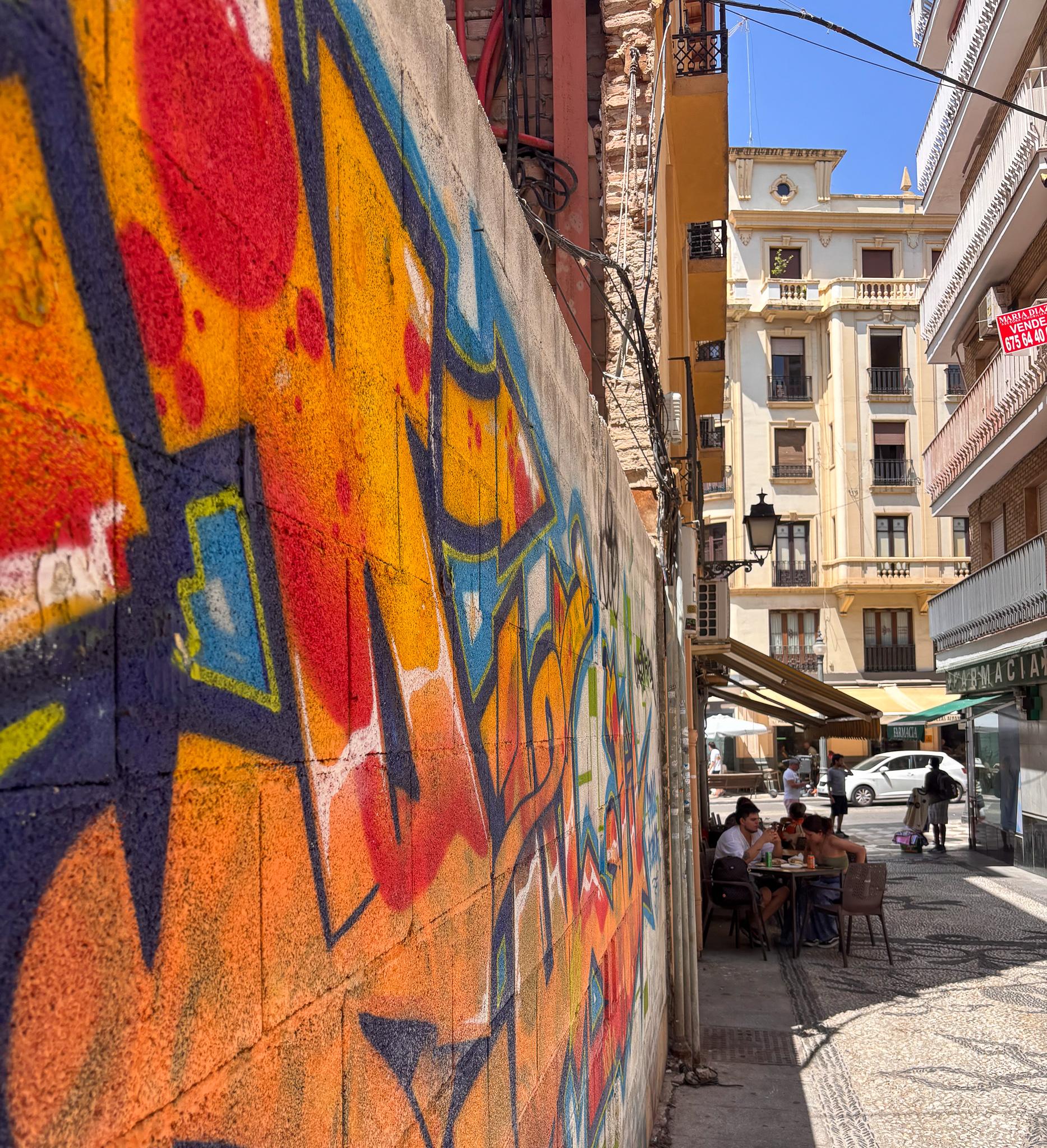
Or, like us, head there in the height of summer. Yes, the temperatures top 40°C and it’s sweltering hot. But with a little planning – lots of cooling pit stops in shaded cafés and restaurants, early morning starts before the heat builds, or early evening visits as the heat dies – you get to explore this incredible city when it’s wonderfully empty. The difference between our October visit and our August trip was a world apart. In summer, we practically had the narrow Albaicín streets to ourselves.
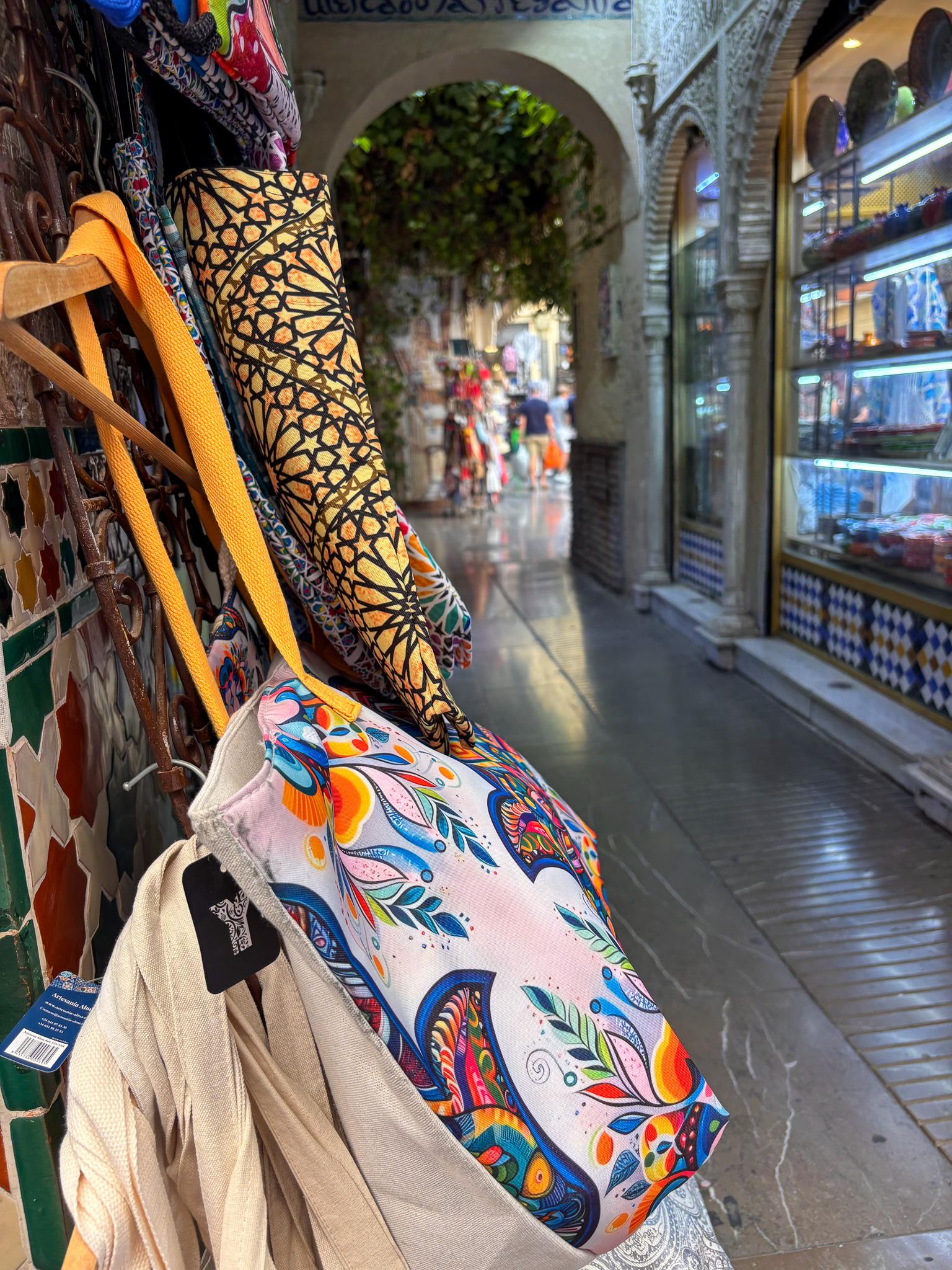
In this ultimate guide to Granada, we’ll take you through the city’s highlights, from the palaces and gardens of the Alhambra to the atmospheric alleys of the Albaicín.
We’ll give you reasons why Granada is worth visiting – including practical advice for visiting, share our favourite places for eating and drinking, and answer all those planning questions like when to visit, where to stay, and whether Granada deserves a spot on your Spain itinerary (spoiler: it absolutely does).
Best things to see and do in Granada
Explore the Alhambra
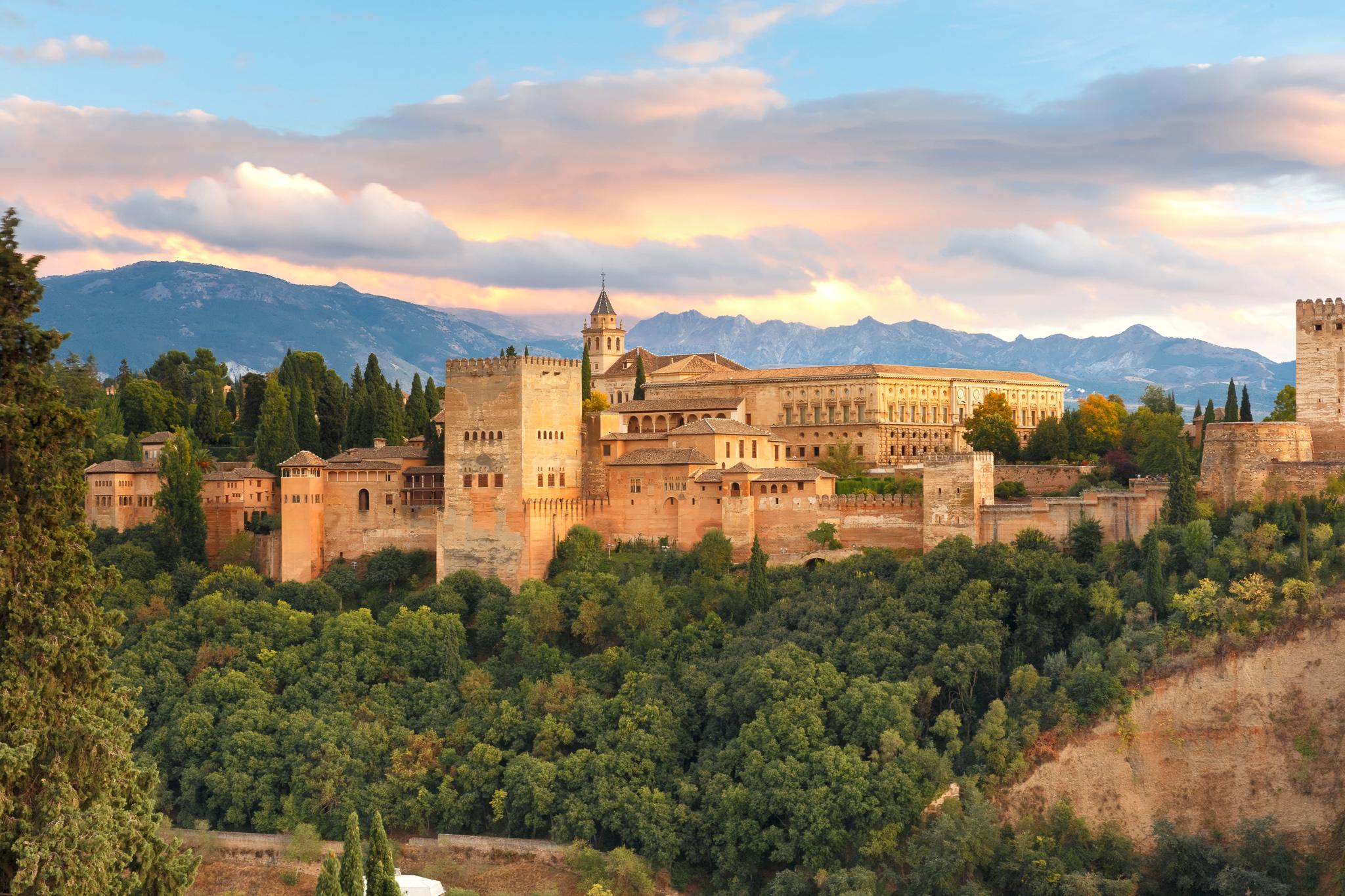
The Alhambra is, without a doubt, Granada’s star attraction. Having missed it entirely on my first visit (tickets sold out), it was my sole mission to get inside the second time round. Was it worth the obsession? Absolutely. It’s simply mind-blowing.
Many people visit Granada solely to tour this sprawling complex of palaces, courtyards and gardens that cling to the hillside above the city. The most important thing to know: book your tickets months in advance. Visitor numbers are capped at around 6,000 per day, and tickets sell out quickly, particularly in spring and autumn. We booked a year ahead – I wanted to make sure I had the time slots we wanted.
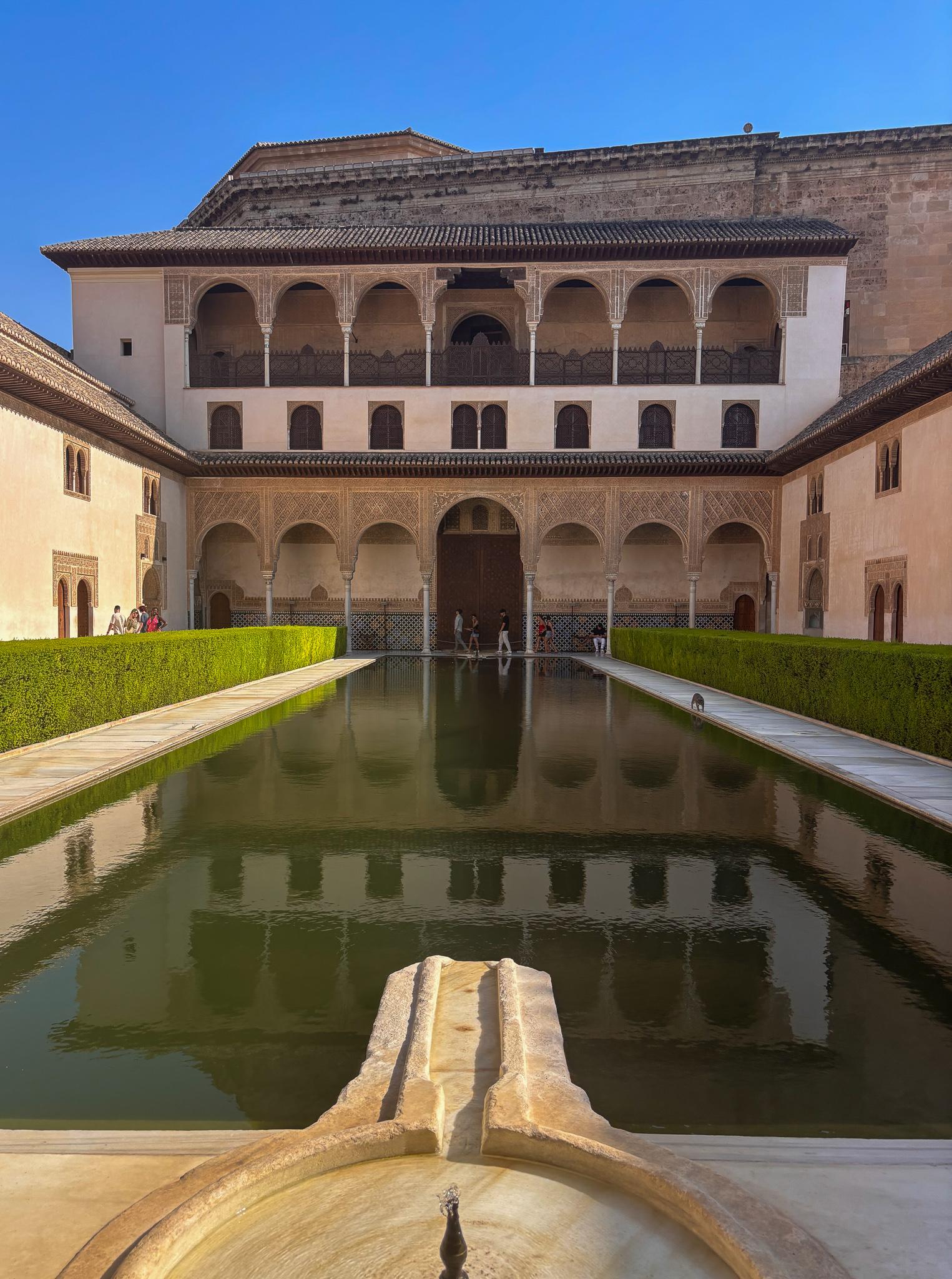
The Moorish architecture and intricate design details are glorious – think delicately carved stucco that looks like lace frozen in stone, dazzling tile mosaics in geometric patterns, and carved wooden ceilings so elaborate you’ll get a sore neck from staring upward. You’ll find the finest examples in the Nasrid Palaces, where every archway frames another impossibly beautiful courtyard. The Court of the Lions with its marble fountain supported by twelve stone lions is breathtaking – the way light and shadow play across the columned galleries changes throughout the day.
From the palaces, venture into the Generalife Gardens where water is everywhere – tinkling fountains, reflecting pools, channels running alongside pathways. In summer, roses bloom in profusion and cypress trees offer shady corners where Moorish emirs once retreated from the scorching Andalucían sun. The views back across to the Alhambra fortress are spectacular.
Go for an early morning timeslot (8:30am or 9am) for fewer crowds and softer light perfect for photos. Alternatively, late afternoon slots (4pm onwards) mean you’ll catch golden hour. Allow 3-4 hours minimum to properly explore without rushing. We went at 6.00pm, and it was blissfully cooler and much quieter, at times, we had sections to ourselves.

If you’re staying overnight in Granada, you can buy after-dark tickets to the palace or gardens (from around €8-10), which allow entry after 10pm in summer or 8pm in winter. With everything beautifully illuminated against the dark sky, it’s a magical experience.
Standard daytime tickets start from €19-22 (under 12s free but still need a timed ticket). Various combination tickets are available – see full details and booking at the official Alhambra website.
Read my top tips for visiting Alhambra, including an essential guide and key FAQs.
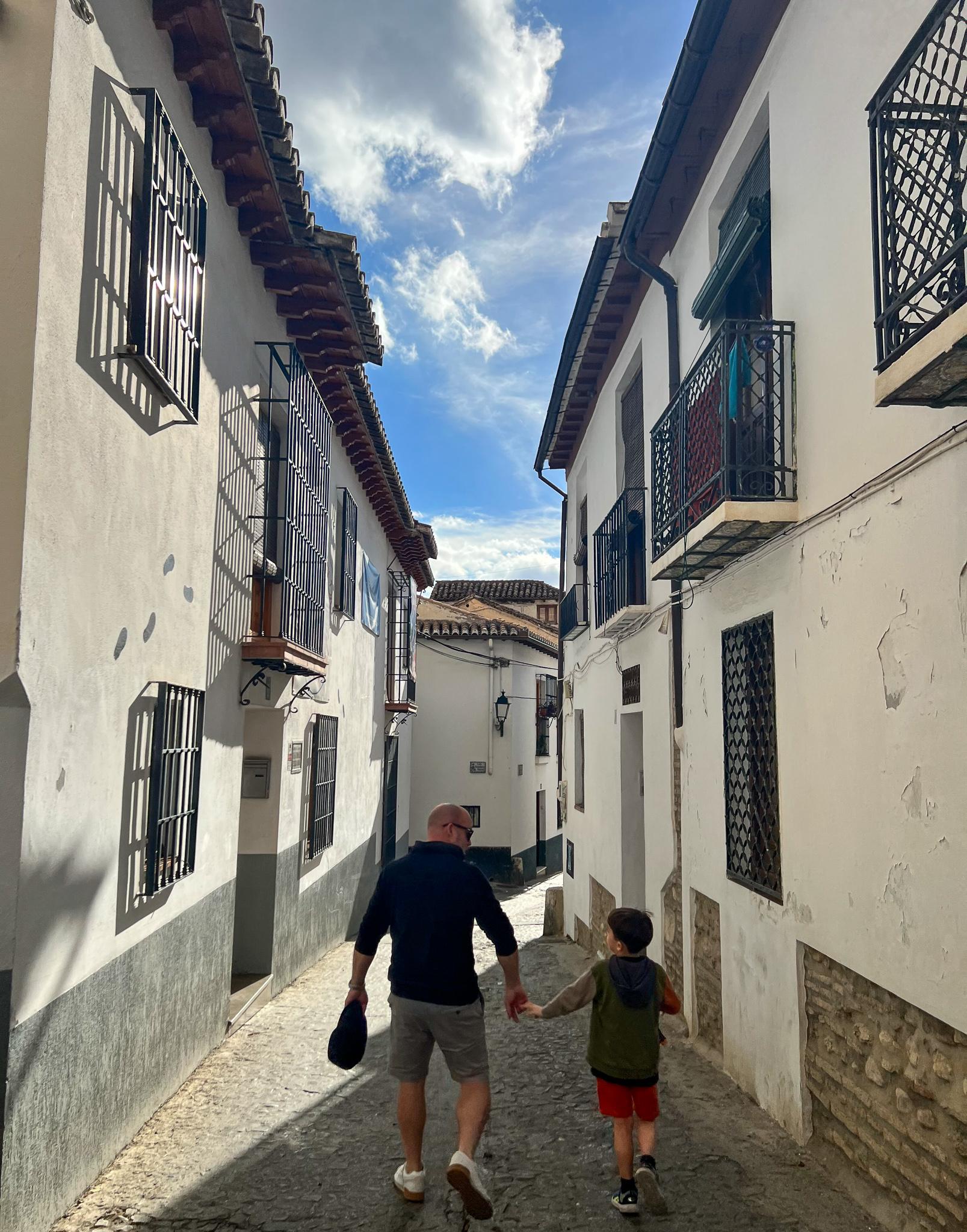
Wander through the Albaicín Quarter
The UNESCO-listed Albaicín is Granada’s ancient Moorish neighbourhood, a labyrinth of whitewashed houses cascading down the hillside opposite the Alhambra. It’s packed with medieval character – everywhere you look there are beautiful hand-painted tiles, horseshoe arches over doorways, and ancient stone fountains trickling water in hidden squares.
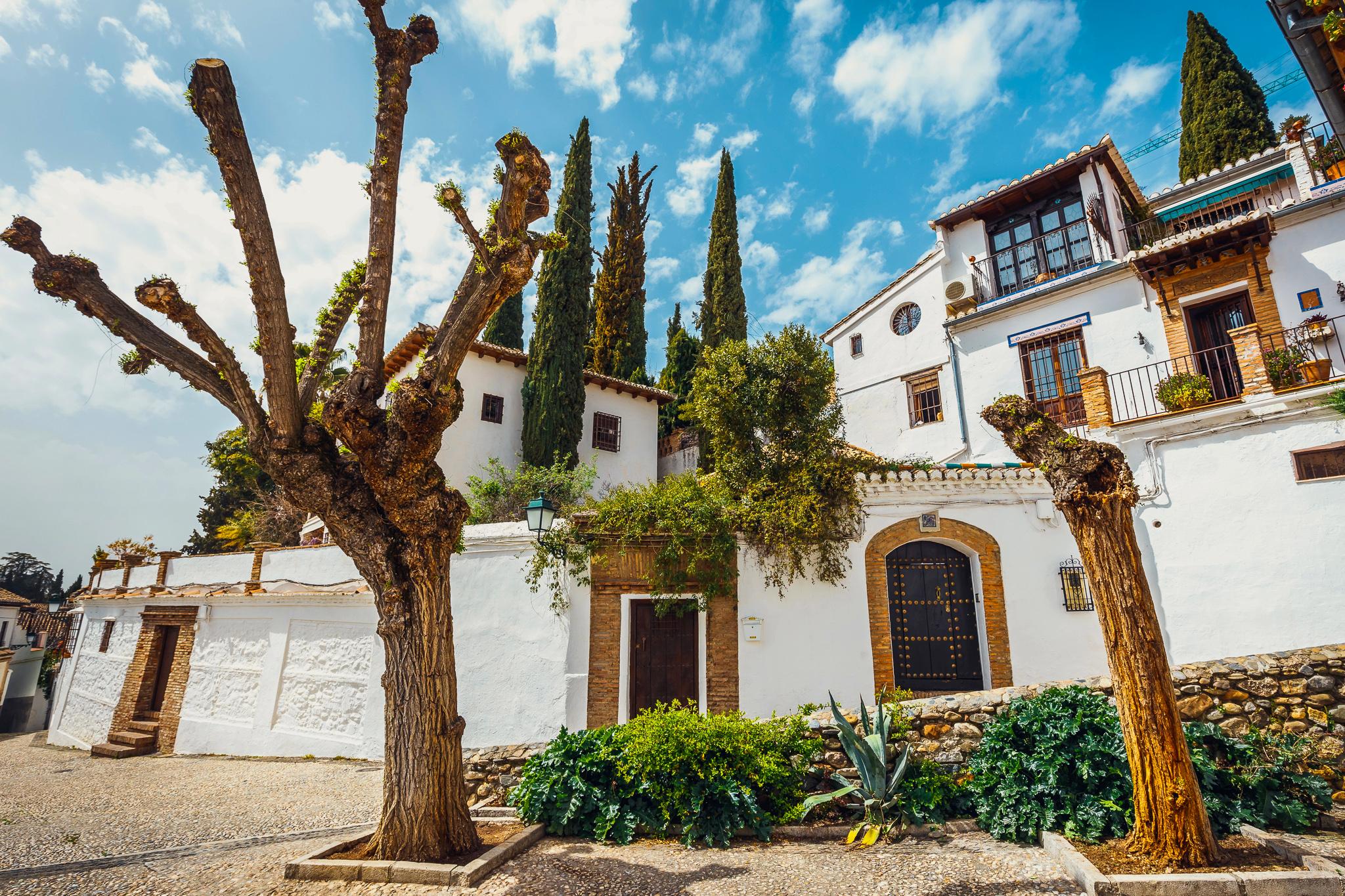
This is the perfect place to aimlessly wander without a map. Follow the tangle of narrow cobbled alleyways as they twist upward, too narrow for cars but perfect for exploring on foot. You’ll stumble upon tiny plazas with bougainvillaea tumbling over walls, historic Arab-style teahouses (teterías) where you can sip sweet mint tea on low cushioned seats, and glimpses through gates into private cármenes (traditional houses with walled gardens).
The streets are steep – your calves will definitely feel it – but the climb is worth it. My kids complained a little but the end result was worth it! Finish up at the hilltop Mirador de San Nicolás for that postcard-perfect view of the Alhambra with the Sierra Nevada mountains behind it. Time your visit for sunset (around 6-7pm in summer, 5-6pm in winter) to watch the palace turn shades of pink and gold as the light fades. It gets absolutely packed with tourists, street musicians playing flamenco guitar, and locals sharing bottles of wine, but the atmosphere is brilliant.

Pro tip: For a similar view with far fewer crowds, head to the Mosque Mayor gardens right next to San Nicolás, or walk down to Mirador de los Carvajales for a closer perspective of the Alhambra.
Allow 2-3 hours to properly explore the Albaicín at a relaxed pace. The C31 or C32 buses from Plaza Nueva will take you up if the climb feels too steep (€1.40 per person).
Watch flamenco in the Sacromonte Caves
Granada isn’t all Moorish palaces and medieval streets. Head for the hillside district of Sacromonte and you’ll discover a cluster of whitewashed cave houses carved into the rocky slopes, traditionally home to Granada’s Roma (gitano) community.
These aren’t rustic holes in the ground – they’re proper homes with white-painted facades and colourful flower pots, built into the hillside with modern comforts inside but maintaining that authentic cave atmosphere. The thick rock walls keep them naturally cool in summer and warm in winter.

Many caves now host intimate flamenco shows where performers are just metres away from the audience. The natural acoustics of the cave amplify every guitar strum, hand clap and heel stomp. It’s raw, emotional, and utterly captivating – nothing like the polished theatre shows in bigger cities. Zambra Maria la Canastera and Cueva de la Rocia are highly recommended, with shows typically lasting 60-90 minutes and costing €20-30 including a drink.
Before the show, visit the Sacromonte Abbey Museum (from €5, under 10s free), which documents the area’s fascinating Roma history and offers panoramic views across the Alhambra and city below. The walk up through the neighbourhood is an experience itself – cave entrances dotted up the hillside, washing hanging out to dry, and locals going about daily life.
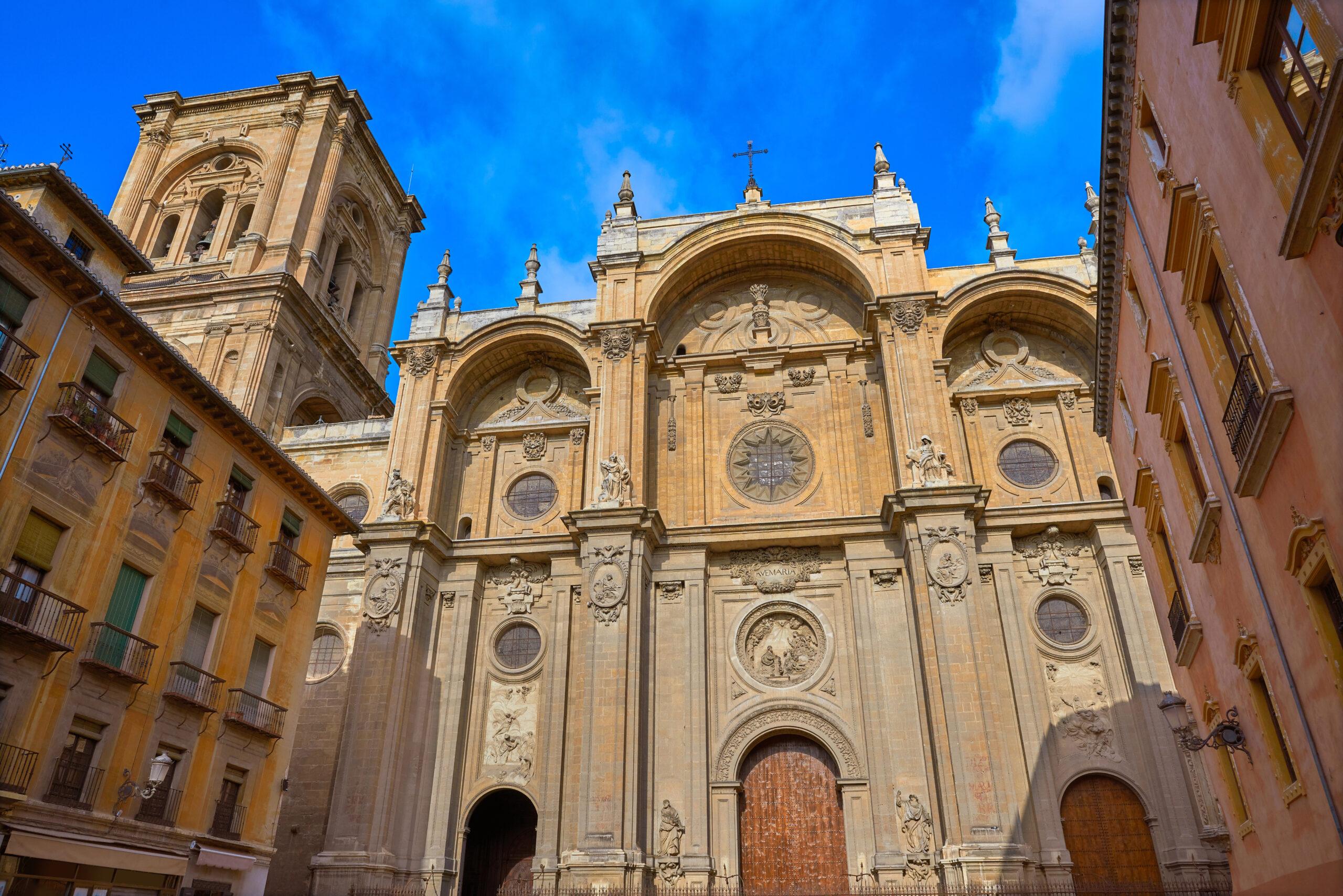
See the Cathedral and Royal Chapel
Granada’s Renaissance Cathedral dominates the city centre with its imposing facade and soaring interior. Built on the site of the city’s former Grand Mosque after the Christian conquest in 1492, it symbolises Granada’s dramatic shift from 800 years of Moorish rule to Christian Spain.
Step inside and the scale hits you immediately – massive columns rise to an ornate domed ceiling, and light streams through stained glass windows, creating coloured patterns on the stone floor. The high altar is spectacular, though the whitewashed interior gives it a surprisingly austere feel compared to the gilded baroque churches you’ll find elsewhere in Spain.
The adjacent Royal Chapel (Capilla Real) is smaller but historically fascinating. Here lie the elaborate marble tombs of Ferdinand and Isabella, the Catholic Monarchs who finally conquered Granada and commissioned this chapel specifically as their burial place. You can peer down into the crypt below, where the actual remains are kept. The ornate iron screen and carved altarpiece are magnificent examples of Spanish Gothic art.
Combined tickets for both Cathedral and Royal Chapel start from €7 (under 12s free) and can be purchased online or at the entrance. Allow 60-90 minutes for both. The Cathedral gets very busy mid-morning, so visit early or late afternoon if possible.
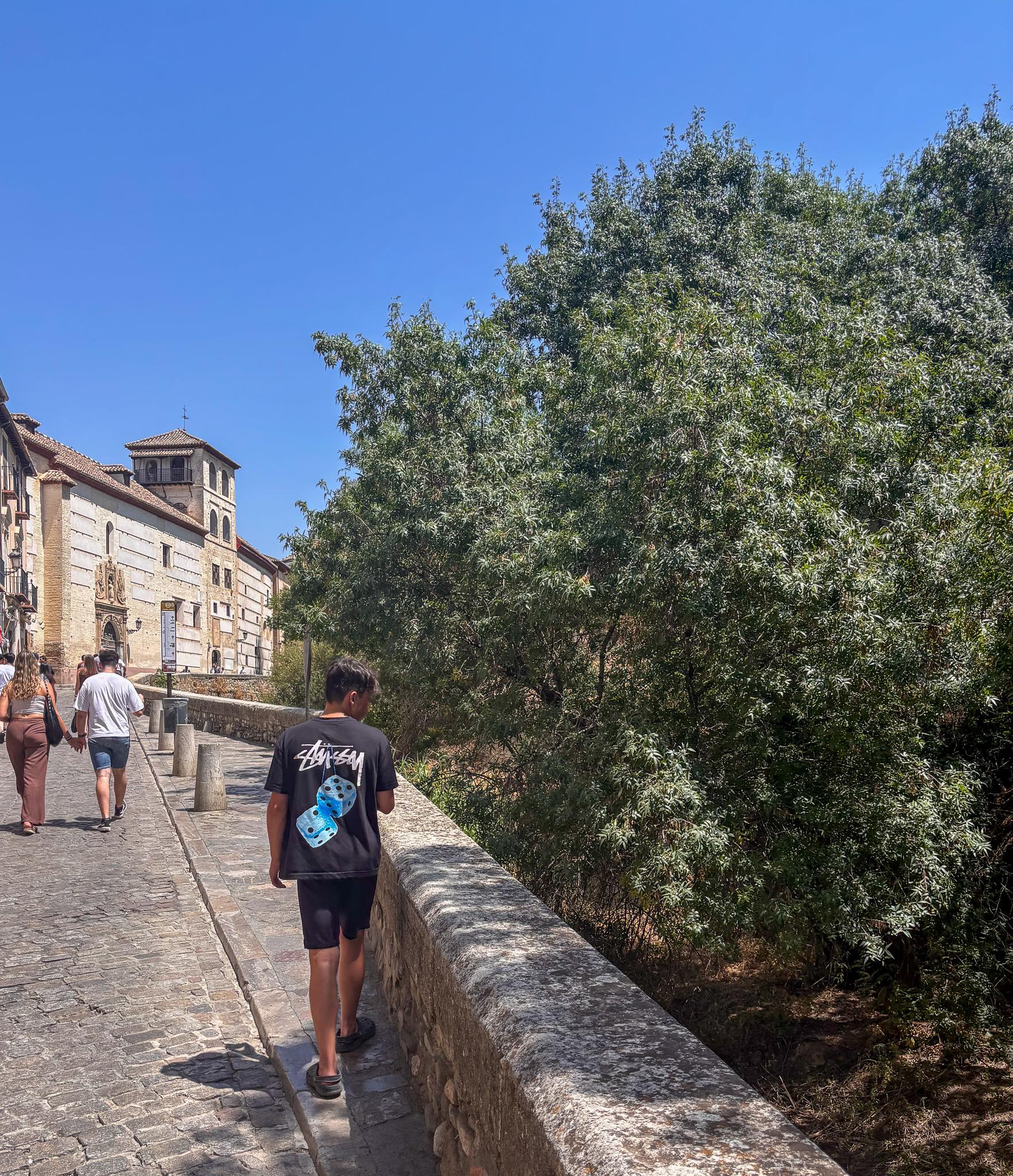
Stroll along the Carrera del Darro
This picturesque riverside street follows the Darro River as it flows between the Albaicín and the Alhambra hill. It’s arguably Granada’s most romantic street – medieval buildings with overhanging balconies line one side, the river gurgles past, and a series of small stone bridges arch across the water.
The street itself is worth savouring slowly. Pause on the bridges to watch the water flow over smooth rocks, look up at the Alhambra fortress looming above, and admire the 11th-century Arab baths (Bañuelo) if you fancy popping inside (€5 entry). Several small museums dot the route, including the Archaeological Museum housed in a beautiful 16th-century mansion.
It’s particularly atmospheric in early morning before 9am when you’ll have the street mostly to yourself, mist sometimes rising from the river, and perfect soft light for photos. The sounds of water, birds, and the city slowly waking up create a magical atmosphere.
From here, you can easily continue uphill to either the Albaicín quarter or follow the path up to the Alhambra. The entire walk takes about 20-30 minutes, though you’ll likely want to linger and take photos.
Admire the grand Basilica of San Juan de Dios
Prepare to be absolutely dazzled when you step inside this baroque jewel tucked away in Granada’s backstreets. The Basilica of San Juan de Dios is a gleaming vision of gold leaf, elaborate frescoes and ornate carvings that cover every available surface – walls, ceiling, altar, side chapels. It’s almost overwhelming in its decorative excess.
Built in the 18th century to honour the patron saint of hospitals and the sick, the church is dedicated to Juan de Dios, who founded the city’s first hospital. The attached museum offers fascinating insights into his charitable work and the religious brotherhood that continues his legacy.
Even if baroque churches aren’t usually your thing, this one is worth 20 minutes of your time. The sheer craftsmanship is extraordinary – look closely and you’ll spot cherubs, saints, flowers, and abstract patterns all carved in intricate detail then covered in gleaming gold.
Entry is free (donations welcomed), and it’s rarely crowded. Open daily 10am-1pm and 4pm-7pm (check current hours as they vary seasonally).

Eating and drinking in Granada
Granada has the best tapas tradition in Spain, hands down. Order a drink – €2.50-3 for a beer or wine – and you’ll receive a complimentary plate of proper food. We’re not talking crisps here, but substantial dishes like cod salad, ham and asparagus casserole, or patatas bravas.
It’s the perfect way to graze your way through the evening, trying different small plates at various bars. Head to Calle Navas or the traditional bars around Realejo for the most authentic experience.

Best tapas bars in Granada
Bodegas Castañeda is an absolute favourite of ours. It’s always rammed, but don’t let the crowds put you off. Arrive around 6pm for early dinner, and you’ll snag a table inside. The vibe is proper old-school Andalucía – a spit and sawdust atmosphere with hams hanging from the ceiling. The tapas portions are generous, and the hams and cheeses are phenomenal. Expect to pay around €3 per drink with tapas included.
Just around the corner from our hotel, we stumbled across Bar Avila. It’s tiny and really local – the kind of place where regulars prop up the bar chatting in rapid Spanish. We managed to find a standing spot and grabbed a few tapas bites with cold drinks. Nothing fancy, but brilliantly authentic.
Restaurants worth visiting
For something more substantial, Pimienta Rosa is another favourite. Grab a table outside on the pretty covered terrace and settle in for sublime dishes. I had the most delicious melt-in-your-mouth sea bass, while my boys were happy tucking into burgers. The staff here are super friendly and attentive too. Mains start from around €15-18.
In the Albaicín, once you’ve had your fill of drinking in the dazzling sights across to the Alhambra, move away from the tourist crowds and head to the unassuming Restaurante Casa Torcuato. It’s got a cute little outside area where we ate like royalty, sampling traditional food. The location feels properly local despite being in the heart of the historic quarter.

Cool down with ice cream
The ice cream shops are plentiful – and when temperatures hit 40°c like they did for us in August, there’s nothing for it but to get a few scoops to cool down. We love Heladeria La Via Lattea. After a sweaty climb up to the viewpoints, their gelato was absolute heaven.
Practical dining tips
The Spanish dining schedule takes some adjusting to. Lunch typically runs 2-4pm, and dinner doesn’t really get going until 9pm or later. Most tapas bars have long opening hours, making them perfect if you’re still on UK time and want to eat at 6pm (like we did with our jet-lagged appetites in October).
Remember, the free tapas tradition means you can have a filling, affordable evening hopping between bars. Three or four stops with a drink at each will leave you pleasantly full without breaking the bank.
What to know before visiting Granada
Is Granada worth visiting?
Absolutely, yes. Granada is one of Spain’s most rewarding cities, and having visited twice ourselves, we’d say it’s essential for any trip to Andalucía. The Alhambra alone is worth the journey – it’s genuinely one of the world’s most magnificent palaces. But beyond that, you get atmospheric Moorish neighbourhoods, Spain’s best free tapas tradition, stunning mountain backdrops, and a refreshingly authentic vibe that feels less touristy than Barcelona or Madrid. Whether you visit for a day or a week, Granada delivers.
What makes Granada special?
Granada’s magic lies in its layered history. The Alhambra palace complex is unlike anything else in Europe, showcasing the pinnacle of Moorish architecture. The medieval Albaicín quarter with its maze of cobbled streets and hidden plazas, feels like stepping back 800 years. And then there’s the free tapas tradition – order a drink, get a proper plate of food. The backdrop of the Sierra Nevada mountains (often snow-capped even in spring) adds drama to every view. It’s this combination of world-class monuments, living history, and genuine local culture that sets Granada apart.
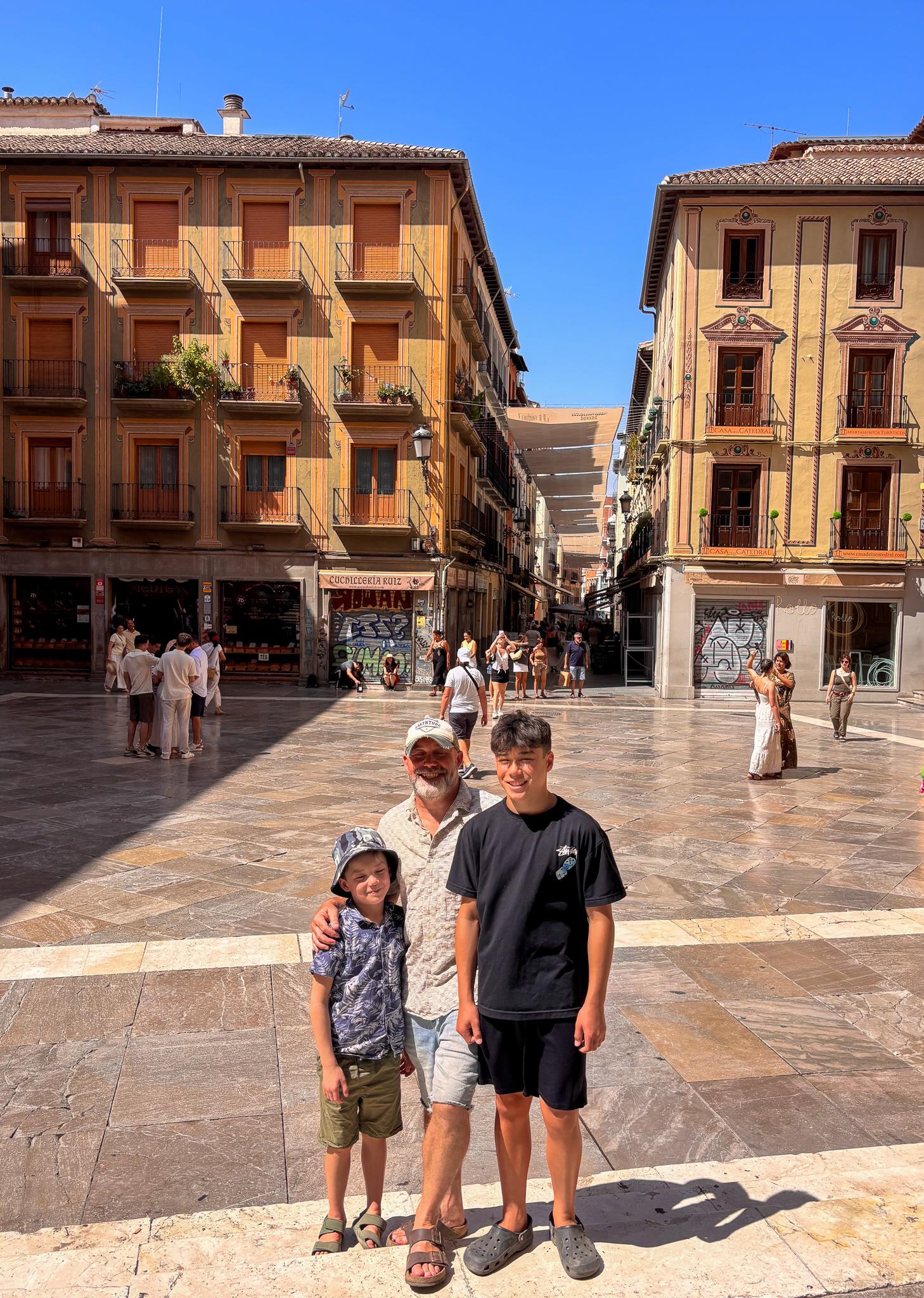
Granada for kids?
Very much so. We’ve taken our sons twice and found it brilliant for families. The Alhambra fascinates kids with its towers, gardens and courtyards (though book family-friendly guided tours as they adapt the content for younger visitors). On our first visit, we took the open-top tourist bus up to the Alhambra and the kids absolutely loved it – sitting on the top deck with views across the city made the journey part of the adventure.
The Science Park (Parque de las Ciencias) is fantastic – interactive exhibits, a planetarium, and outdoor spaces where children can run around. Carmen de los Mártires gardens offer peaceful spots for a break with peacocks roaming freely. The steep cobbled streets of the Albaicín can be challenging with pushchairs, but older children will love the adventure of exploring the narrow alleys. And the tapas culture means there’s always something for fussy eaters. Most attractions offer free entry for children under 12.
What’s the best time of year to visit Granada?
April to June and September to October are ideal, with temperatures hovering around 15-25°C and fewer crowds than peak summer. That said, we visited in August when it hit 40°C+, and whilst sweltering, the city was wonderfully empty. If you can handle the heat and plan your sightseeing for early mornings and late afternoons with cooling café stops in between, you’ll have major attractions almost to yourself. Winter can be surprisingly cold with frosts, but you’ll see the Sierra Nevada peaks beautifully snow-capped. Pack layers regardless of when you visit – evenings can be chilly even in summer.
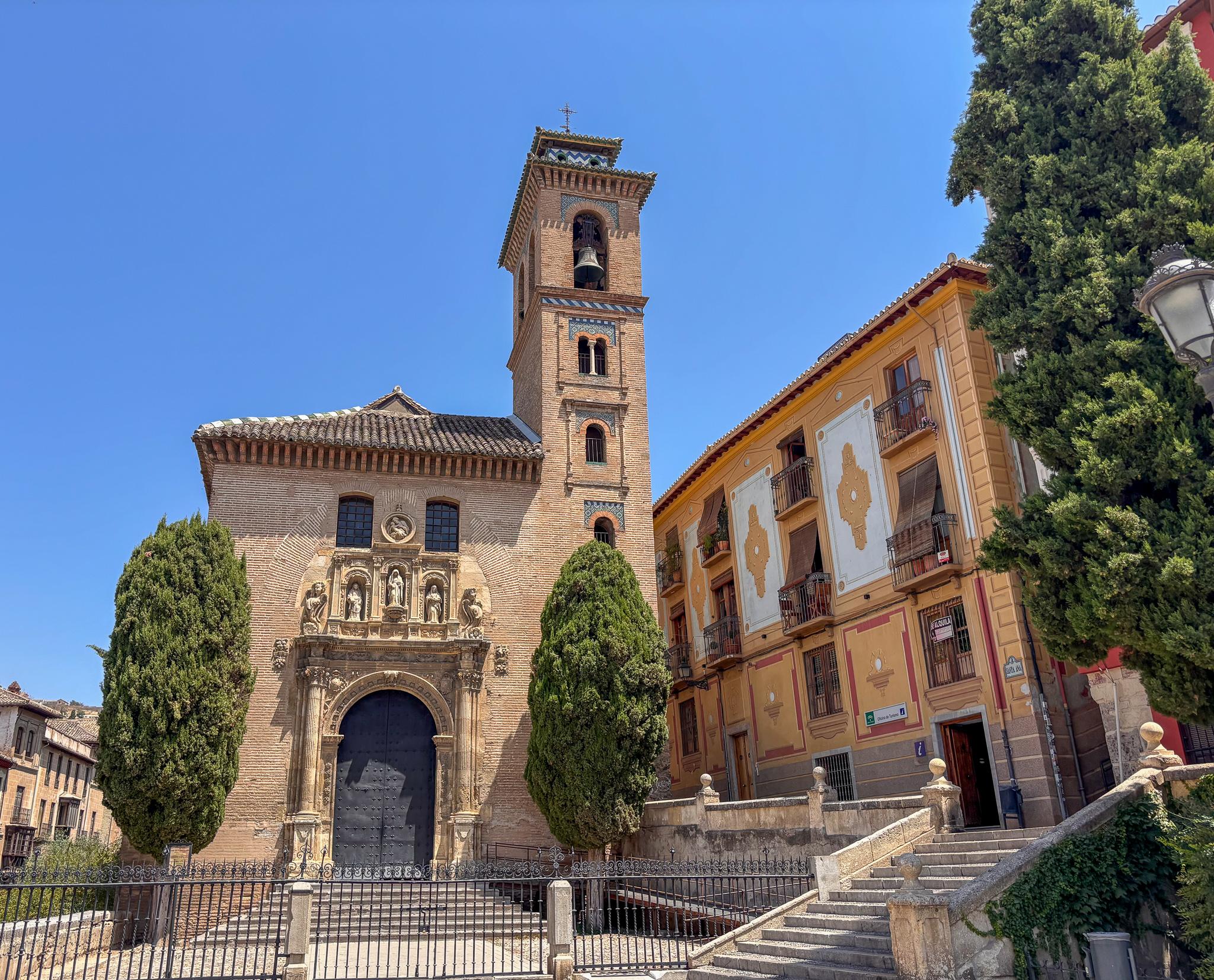
Is Granada expensive?
Granada is one of Spain’s more affordable cities. Budget travellers can manage on €70-80 per day (hostel accommodation, supermarket food, free attractions), whilst mid-range visitors typically spend around €150-175 per day covering decent hotels, restaurant meals, and paid attractions. The Alhambra costs around €22 (book months ahead), the Cathedral €7, and the Royal Chapel €7. But many pleasures are free – wandering the Albaicín, visiting viewpoints, and the legendary free tapas with every drink (usually €2.50-3 per drink). We stayed at Barceló Carmen Granada, which offered great value with spacious family rooms around €120-150 per night.
Is Granada safe?
Yes, very safe. Granada ranked 3rd safest city in Spain in recent studies. We felt completely comfortable exploring at all hours. The main concern is pickpocketing in crowded tourist areas like around the Alhambra entrance, the Cathedral, and Mirador de San Nicolás. Keep bags zipped and close, don’t flash expensive cameras, and you’ll be fine. The free tapas tradition means bars stay busy well into the night, so there are always people around, even late. Spain is also ranked as the world’s safest country for solo female travel.
Where are the best viewpoints in Granada?
Mirador de San Nicolás is the most famous – offering that iconic postcard view of the Alhambra with the Sierra Nevada behind it. Time your visit for sunset to see the palace bathed in golden light (though expect serious crowds). For a similar view with far fewer people, try Mirador de los Carvajales just below it. Mirador de San Cristóbal sits higher up and offers sweeping city views, including the old walls. And if you’re fit, Mirador de San Miguel Alto is the highest viewpoint in Granada – it’s a proper uphill hike but rewards you with spectacular 360-degree panoramas. All viewpoints are free to visit.
What are the cave houses in Granada?
The Sacromonte neighbourhood is famous for traditional cave houses carved into the hillside, historically home to Granada’s Roma community. Many caves now host intimate flamenco shows – the natural acoustics make performances particularly atmospheric. You can visit the Sacromonte Abbey Museum (from €5) which documents the area’s history and offers brilliant views. Some caves have been converted into unique accommodation if you fancy an unconventional stay. Walking through Sacromonte feels other-worldly – white-washed cave entrances dotting the craggy hillside with the Alhambra spread out below.
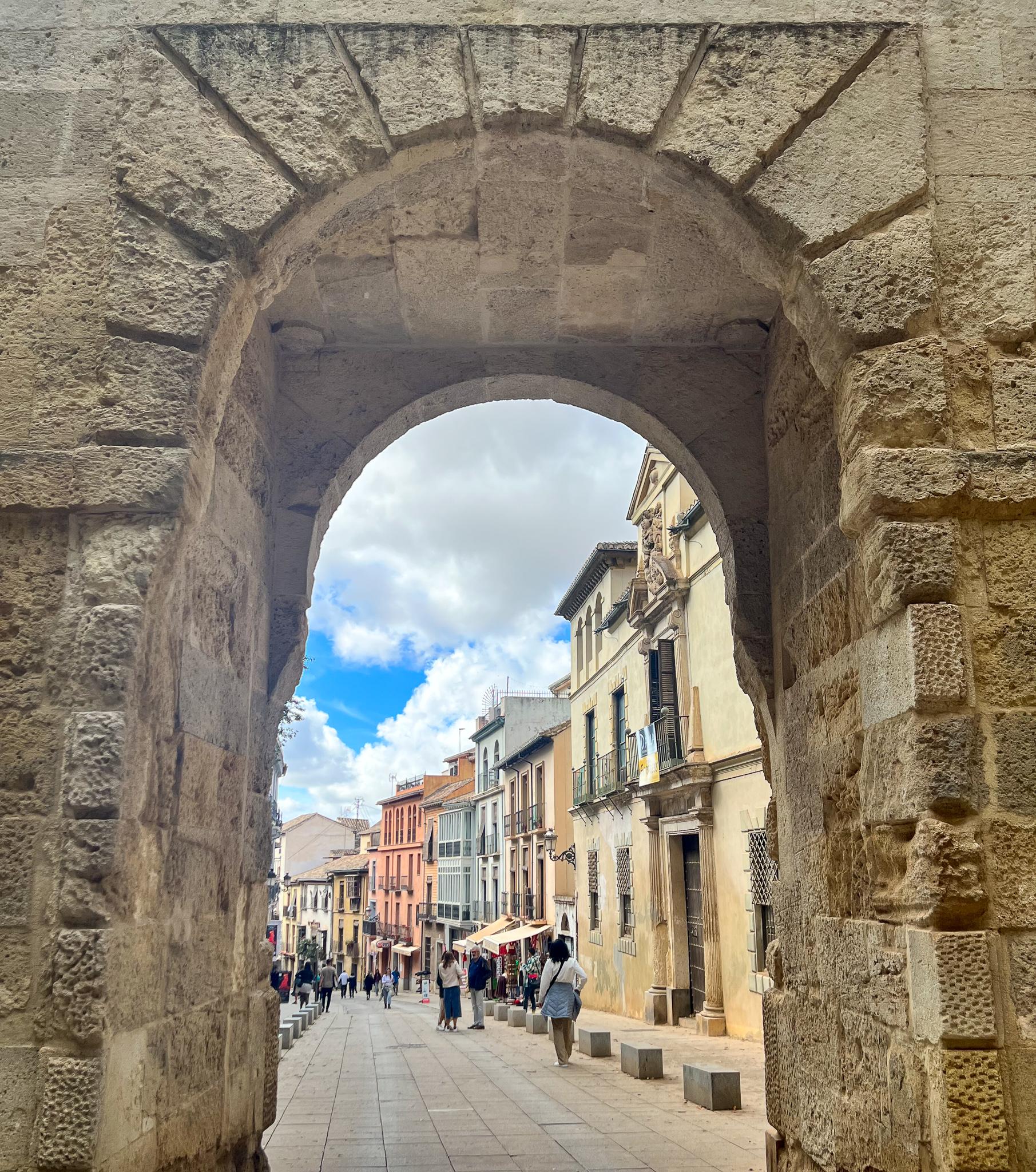
Can I visit Granada as a day trip?
Yes, but it’s a squeeze. If you’ve only got one day, book your Alhambra tickets first (allocate 3-4 hours), then spend the afternoon exploring the Albaicín and Mirador de San Nicolás, finishing with tapas around Calle Navas. Granada is 90 minutes from Malaga by bus or car, making it doable from the Costa del Sol. From Seville it’s 2.5-3 hours each way, which feels rushed. We’d strongly recommend staying at least one night – Granada is magical after dark when day-trippers have left.
Which part of Granada is best to stay in?
The Albaicín offers the most atmospheric experience – narrow Moorish streets, traditional teahouses, and stunning views. Centro-Sagrario puts you within walking distance of everything and has excellent restaurant options. El Realejo (the former Jewish quarter) is hip and central with great tapas bars around Campo del Príncipe. Or stay near the Alhambra as we did at Barceló Carmen Granada – it meant an easy walk to the palace on visit day and just a short taxi ride (around €12) into the centre. The hotel had spacious family rooms with brilliant air conditioning and a lovely roof terrace, though the pool is more of a plunge pool.
How do you get to Granada?
Málaga Airport (125km away) offers the most international flights, with direct buses to Granada taking 90-120 minutes. Granada’s own airport is tiny with limited connections – mainly domestic routes to Madrid and Barcelona, plus some European cities. The high-speed AVE train from Madrid takes just under 3.5 hours. If you’re touring Andalucía, Granada works brilliantly as part of a road trip combined with Córdoba and Seville (both easily accessible by car or train). We actually spent the majority of our time in the Lecrin Valley, which is only 30 minutes away.
Do I need to book the Alhambra in advance?
Absolutely, yes. This is non-negotiable. Tickets commonly sell out weeks or months ahead, especially during spring and autumn. You can book up to a year in advance on the official website (on others – three months). Entry to the Nasrid Palaces is strictly timed – miss your slot and you lose access to the best part. We learned this lesson the hard way on our first visit when we couldn’t get tickets. Second time round, we booked a year ahead and got the palace to ourselves during our early evening timeslot. For after-dark visits (available in summer from 10pm, winter from 8pm), the floodlit complex is absolutely magical.
How many days should I spend in Granada?
2-3 days is ideal. One full day for the Alhambra (don’t rush it), one day for wandering the Albaicín and Sacromonte neighbourhoods with time for a flamenco show, and perhaps a half-day for the Cathedral, Royal Chapel, and Realejo. A week allows time to explore the nearby Sierra Nevada mountains or the Alpujarras villages, which are beautiful. We managed to see the highlights in 2 days but could have happily stayed longer – there’s something addictive about Granada’s atmosphere.
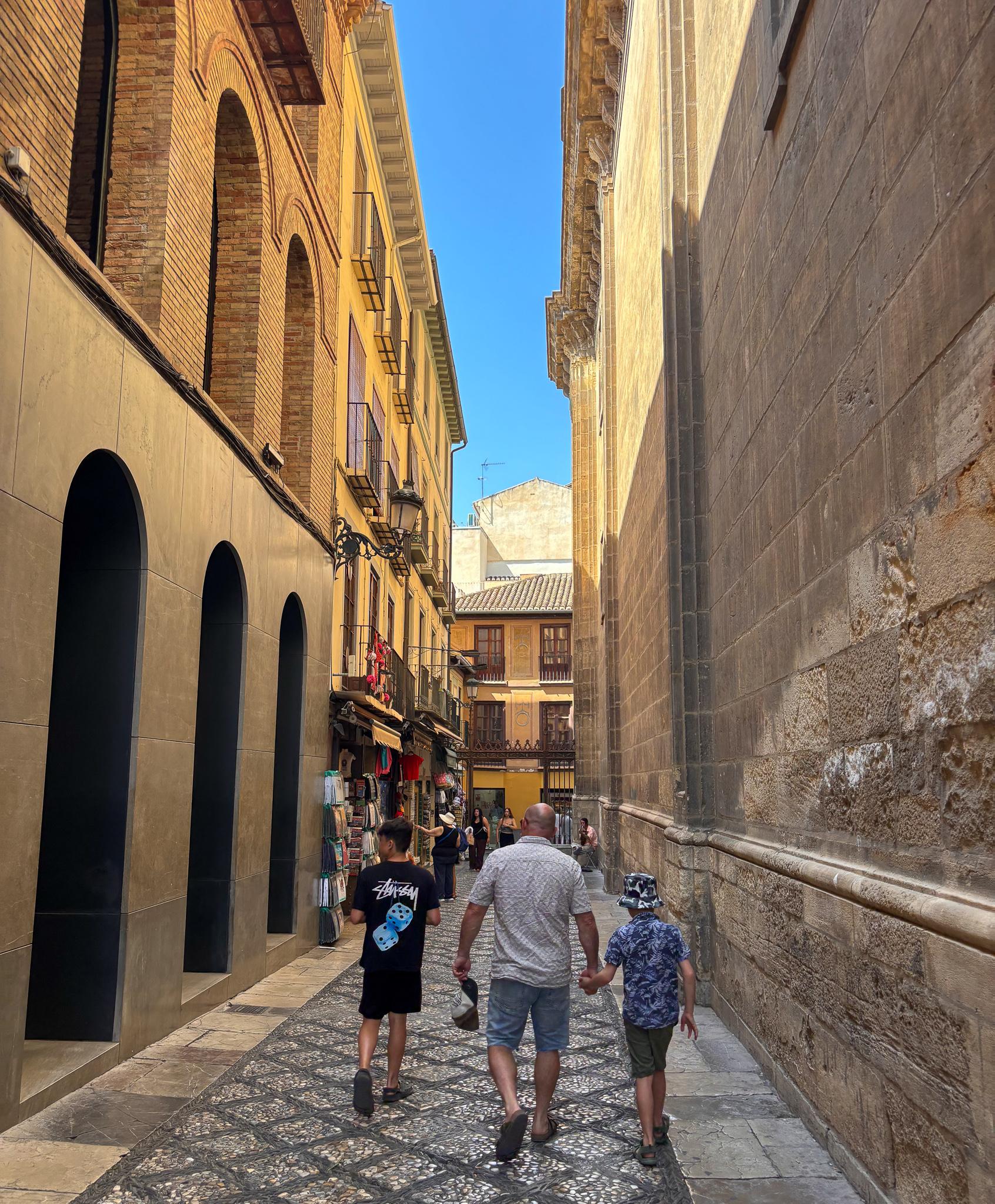
Is Granada walkable?
The historic centre is compact but extremely hilly. Comfortable shoes with good grip are essential, especially for the Albaicín’s steep, cobblestoned streets. We found ourselves grateful for taxis after long days (they’re affordable – around €12 from our hotel to the Alhambra entrance). Plus we couldn’t make the kids walk too much. It’s a fairly easy 30-minute downhill walk from the Alhambra to the city centre, though your knees will feel it. The climb back up is definitely taxi territory. Buses are comprehensive (single fare from €1.40) and cover most areas, including the Alhambra, though we found local taxis and Ubers more convenient.
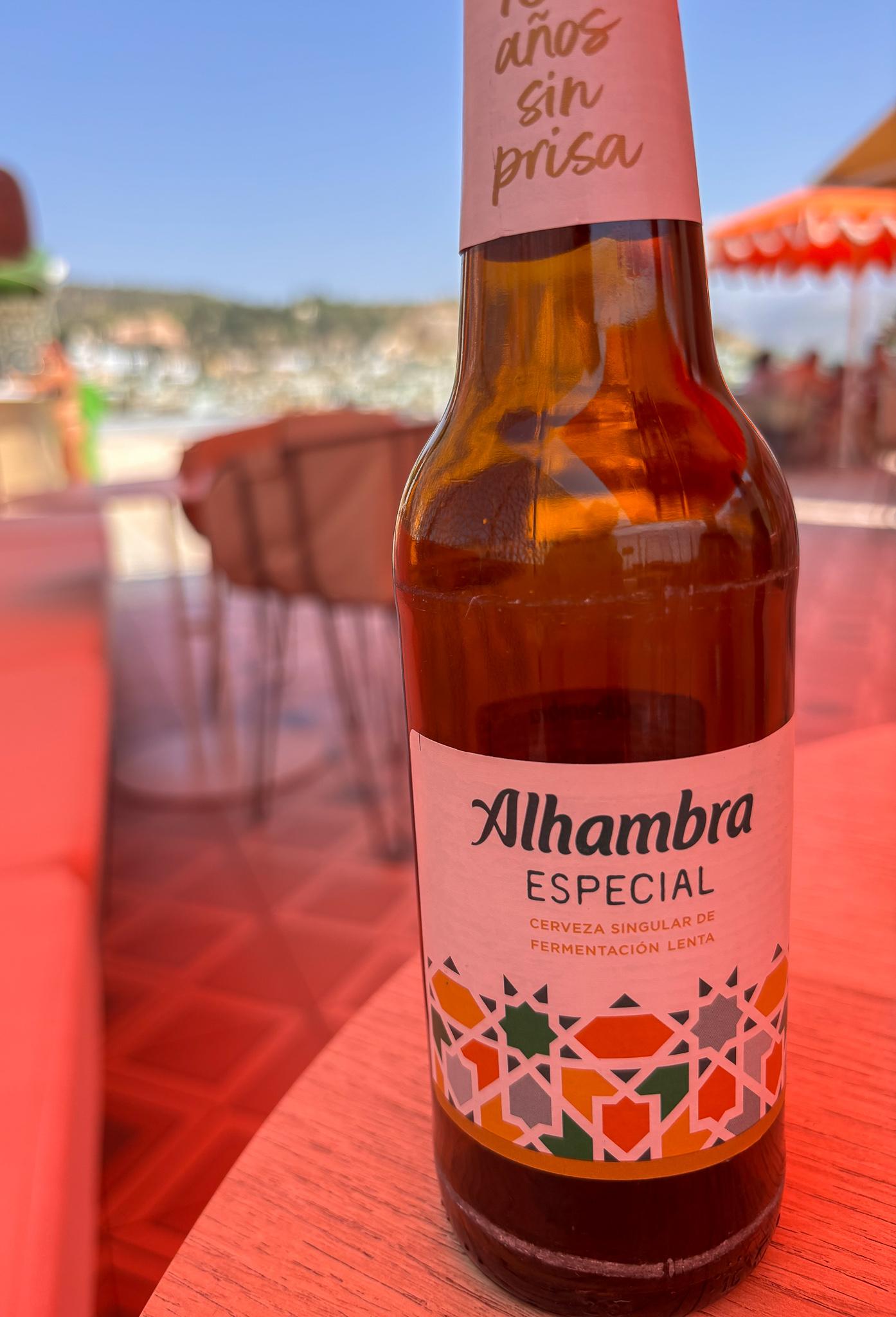
What’s the tapas scene like in Granada?
Granada is famous for the best free tapas tradition in Spain. Order a drink (usually €2.50-3), get a complimentary plate of food – and we’re not talking crisps, but proper dishes like cod salad, ham and asparagus, or patatas bravas. Head to Calle Navas or the streets around Campo del Príncipe for authentic tapas crawls. We loved Bodegas Castañeda – always packed but worth arriving around 6pm to grab a table inside for the spit-and-sawdust meets true Andalucía vibe. The hams and cheeses are phenomenal. Bar Vvila near our hotel was tiny and really local but perfect for standing-room tapas. For something more refined, Rosa Piemente had sublime food and a lovely covered terrace.
Which other cities combine well with Granada?
Granada works brilliantly as part of a southern Spain itinerary. The classic route combines Granada with Córdoba and Seville (both easily accessible by car or train in under 3 hours). We’d say these three cities offer the ultimate introduction to Moorish Andalucía. You could also add smaller gems like Ronda (dramatic clifftop town), Málaga (Costa del Sol gateway), or the white villages of the Alpujarras. If you have a week, the Granada to Málaga to Seville circuit covers an incredible variety – palace, beach, and flamenco capital all in one trip.