Durham isn’t most likely the first place to spring to mind when thinking of a family holiday in the UK. And while more visitors head over the North Pennines to the neighbouring Lake District, County Durham has so much to offer. We spent a week here during the school holidays and covered the coast, the countryside, the city and the Pennines, which is no small feat with two kids in tow.
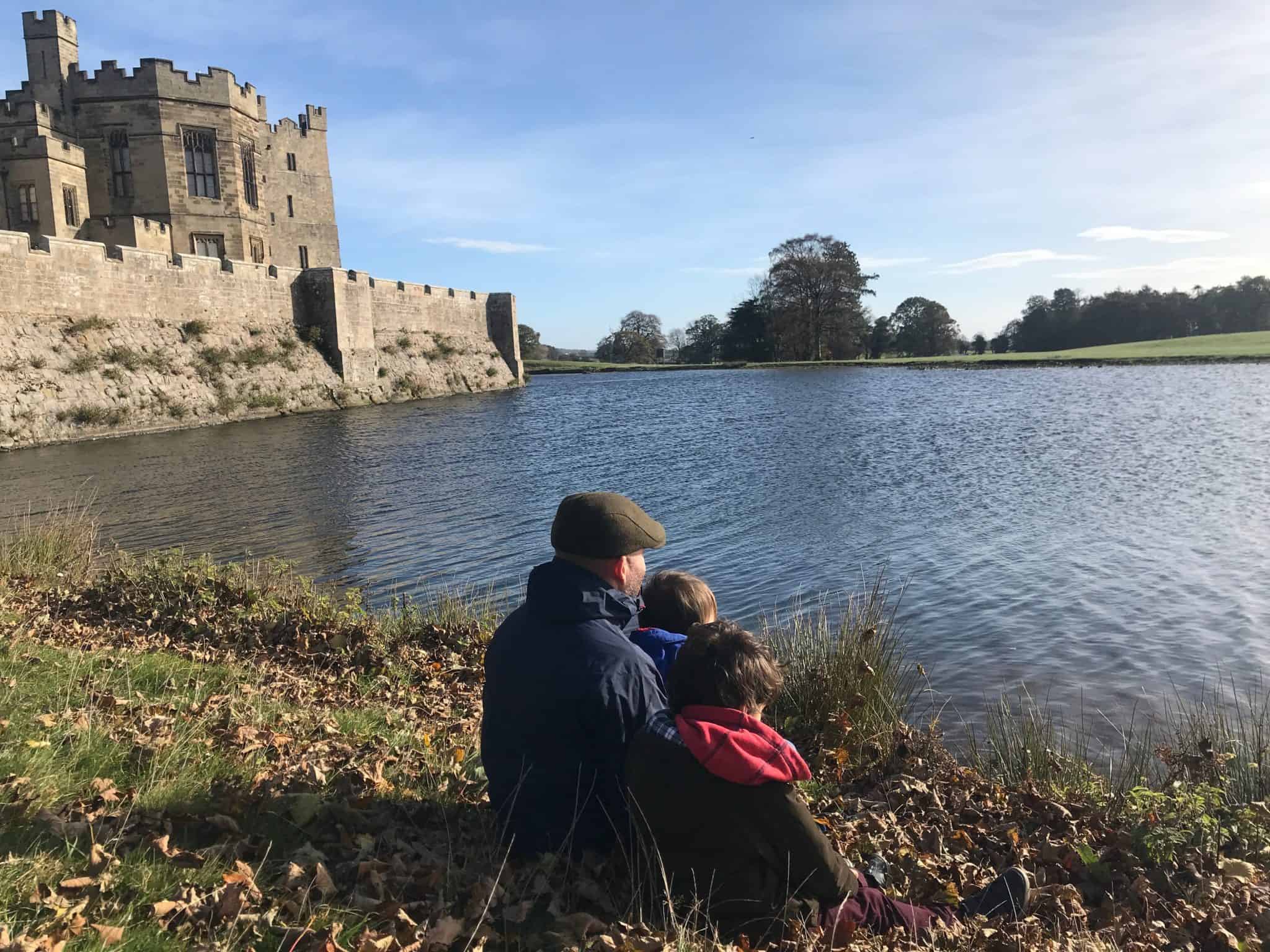
What we found was open-air history you can walk through, a medieval castle with deer grazing in the park, a beach where you hunt for sea glass and an alpaca farm run by a man who changed his whole life after one Google search.
After spending a week in Durham during the school holidays, we all left feeling utterly spellbound, and managed to explore the coast, the countryside, the city and the Pennines, no mean feat in just under a week. What we discovered was a wealth of breathtaking landscapes, welcoming people, delicious food and so many family-friendly activities.
We visited as a family, so that’s the lens here, but almost everything below works just as well for couples, friends or solo travellers. Beamish, the cathedral, Raby’s gardens and the Durham coast don’t need children to be worth your time. Below is everything we got up to during our busy Durham family trip, with what it costs now and the practical bits that make a day easier. If you only take one thing from this, give Durham more than a day. There’s far more here than you’d expect.
The short version: our pick of things to do in Durham with kids
- Beamish – open-air living museum, trams and all, easily a full day
- Raby Castle – medieval castle, walled gardens and a new adventure playground
- Durham Cathedral – free to enter, a Harry Potter and Avengers filming location
- Hamsterley Forest – Wildplay trails and Julia Donaldson character hunts
- Seaham beach – sea glass hunting and a proper ice cream stop
- Teesdale Alpacas – walk an alpaca through the Durham Dales
Who this is for: families with young kids, though almost everything here works for couples, friends and solo travellers too. How long you need: ideally four to five days to do it without rushing. When to go: spring and summer for the outdoor spots, though the cathedral and Beamish work year-round.

Best time to visit Durham
We came in the school holidays and the weather held, mostly. Late spring to early autumn is the sweet spot, when the forests, gardens and coast are all at their best. A few of the outdoor attractions wind down over winter, so if alpaca walks or the Dales are top of your list, aim for the warmer months.
Bear in mind Beamish and Raby both get busy at weekends and in holidays. Arrive early and you’ll have the trams, the gardens and the playgrounds to yourselves for the first hour or so.
How many days you need in Durham
You could see the city itself in a day. But County Durham is bigger than people realise, and the good stuff is spread out, so I’d give it four or five days. That’s enough to pair a big day at Beamish with a slower one at Raby, fit in the coast at Seaham and still have a morning free for the cathedral or a forest trail. We managed the coast, countryside, city and Pennines in just under a week and it felt full but not frantic.

Spend the day at Beamish, the living museum of the north
As soon as we stepped onto the grounds of Beamish, my eldest started jumping up and down with excitement. “Look! Look!” he squealed as an open-top tram came trundling down the road. It was the first of many fantastic trams and buses we would spot and ride throughout the day. Beamish isn’t a traditional museum, and mostly all of it is outside. As first-time visitors, we were a little unsure where to begin on the 350-acre site, but after some helpful advice we made our way to the 1900s town first, then worked our way round to the colliery, the pit village and the 1940s farm.
All the staff and volunteers are dressed in traditional costumes, made on site, from the different eras ranging from the 1820s to the 1940s, and it’s wonderful to see. They’re extremely knowledgeable about the region’s heritage, the history of the buildings and the objects from the time. From the terraced houses where you learn how professional workers lived in the 1900s, to the traditional fairground and train rides, the farm animals and the gruesome stories of murder, there’s so much to uncover. When someone told me we could easily spend a day at Beamish and still not see it all, I was a little sceptical. But after leaving when the park closed some seven hours later, I had to concur. It’s magical being able to see history come alive.

Beamish tips
- If you want to grab some traditional fish and chips from Davy’s Fried Fish Shop in the pit village, go very early. Queues from 1pm were up to two hours long.
- The same can be said for the Jubilee Sweet Shop and Herron’s Bakers in the 1900s town. Head to those early to avoid crowds.
- You can easily walk between most areas as the footpaths are all signposted. The trams and buses can get busy, so if you leave them until later in the day, it’s possible to ride the tramway in one whole circuit.
- Do chat with the staff and volunteers. They really are a font of knowledge about Beamish and the region.
It’s easy to think of Beamish as a kids’ day out, but it’s just as absorbing without them. Anyone with an interest in social history, old trams and cars, or simply a good wander will happily lose a day here.
Prices (2026): Beamish now works on an Unlimited Pass, which is really an annual pass. You pay once and can come back all year. Adult £35, child aged 5 to 16 £20.50, under 5s free. A family ticket for two adults and two children is £85.50. If there’s any chance you’ll visit twice, it’s excellent value. Open daily, though hours vary by season, so check before you go.

Wander the walled gardens at Raby Castle
We couldn’t believe it, we were the first visitors to pull up the driveway to the entrance of Raby, an impressive medieval castle set amongst unspoiled rolling landscape in the Durham Dales. With its history dating back nearly 1,000 years, Raby was built as a fortress by the mighty Nevill family, but since 1626 has been home to the family of the current owner, Lord Barnard. Being the only people there for some time made it even more special to wander Raby’s serene walled gardens without having to share them with anyone else.
Taking part in an activity trail was a great way for the family to cover every inch of the gardens, which had plenty of different nooks as well as water features, rose gardens, formal lawns and a heather and conifer garden. The kids really enjoyed the freedom to run about, and what was rather spectacular was seeing the castle looming large in the distance from every angle. We also stopped to watch a huge herd of deer grazing in the deer park. Such magnificent creatures, and a real treat, with several hundred red and fallow deer roaming the 200-acre estate.
The big change since our visit is The Plotters’ Forest, a large timber adventure playground that has opened in the woods, with towers, walkways and plenty of climbing. The walled gardens have also been remodelled by garden designer Luciano Giubbilei, working with Lady Barnard.

Raby Castle tips
- Book online in advance for the cheaper ticket price.
- Head over to The Plotters’ Forest and let the kids expend their energy on the climbing frames and walkways.
- There are lots of activities throughout the year, including trails and sheets. Check ahead of your visit or ask at the gift shop on arrival.
- Grab some food in the tea rooms, though they can get busy, so consider bringing a picnic for the parkland.
The kids had The Plotters’ Forest, but the gardens and the castle interior are the draw for adults. If you’re into planting and design, the remodelled walled gardens alone are worth the trip, and the deer park makes for a lovely slow afternoon whatever your age.
Prices (2026): The full Castle, Deer Park and Gardens ticket is £23 adult and £12 child (4 to 15) when booked online, under 4s free, with a family ticket around £66. A cheaper Deer Park and Gardens ticket is available if you’d rather skip the castle interior. Open daily from 10am, with the castle itself closed on some days, so check ahead.

See free history at Durham Cathedral
You can see Durham Cathedral from almost anywhere in the city, and it’s one of the finest examples of Norman architecture in the country. Part of Durham’s UNESCO World Heritage Site, it’s a working church and, happily, free to enter, with a suggested £5 donation to help with the upkeep.
Film fans will recognise it. Scenes from the first two Harry Potter films were shot in the cloister and chapter house, and the nave and Galilee Chapel stood in for Asgard in Avengers: Endgame. For kids, the cloister is a fun spot to run around, and there are family trails to pick up. If everyone’s feeling energetic, you can climb the central tower for one of the best views across the city and countryside, though it’s a long spiral staircase and there’s a small charge, bookable when you arrive.
Durham Cathedral tips
- Open Monday to Saturday 8am to 6pm, Sunday from 8am, with normal visitor hours from 9.30am to 4.30pm.
- There’s no parking at the cathedral and a congestion charge to drive onto the peninsula. Use the Park and Ride or Cathedral Bus.
- Large bags and suitcases aren’t allowed in, and there’s no storage.
- The Undercroft café in the medieval undercroft is a good lunch stop.
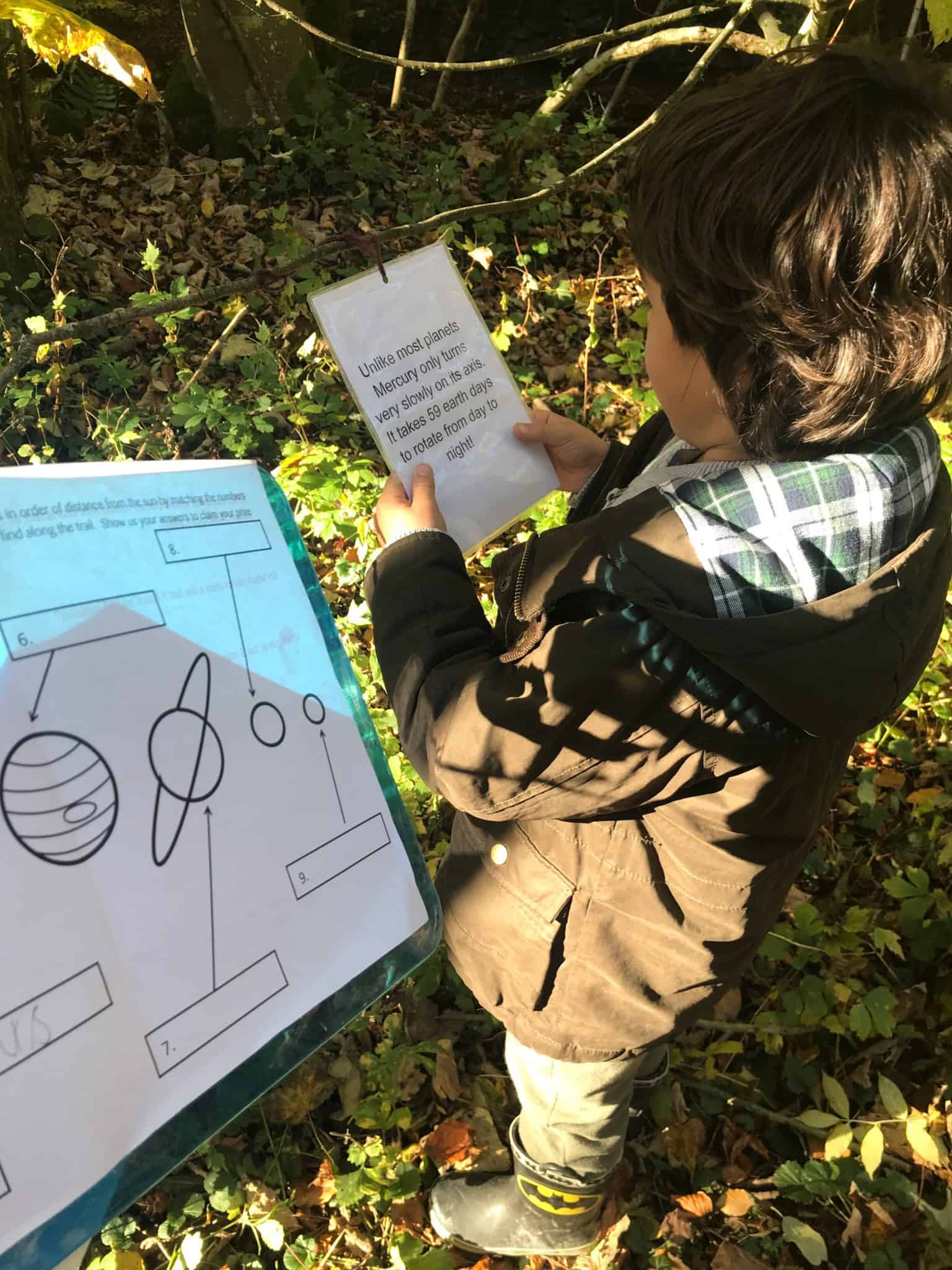
Play Vikings on the trails at Hamsterley Forest
If you’re an outdoors type of family, then you’ll love Hamsterley Forest as much as we did. The best thing is you don’t even have to be hugely adventurous, because there’s plenty to do with young children. Part of Forestry England, it has biking and walking trails, horse riding routes, geocaching and plenty of opportunities to spot wildlife.
But for the kids, it’s all about the Viking Wildplay trail, which is also pushchair friendly. They loved clambering on all the different obstacles, and there was so much to enjoy that it was difficult getting them to leave. Hamsterley has several Julia Donaldson-inspired trails throughout the year. The Gruffalo path wasn’t suitable for our pushchair, so we opted for The Highway Rat activity trail instead. With our sheet in hand, we spent a good hour walking the 2.5km route to search for all the characters. It was a great way to enjoy the autumnal colours of a splendid natural playground, and for the little one to engage with one of his favourite books.
Good to know: parking is pay and display, and trail availability changes with the seasons, so check before you set off.

Hunt for sea glass on Seaham beach
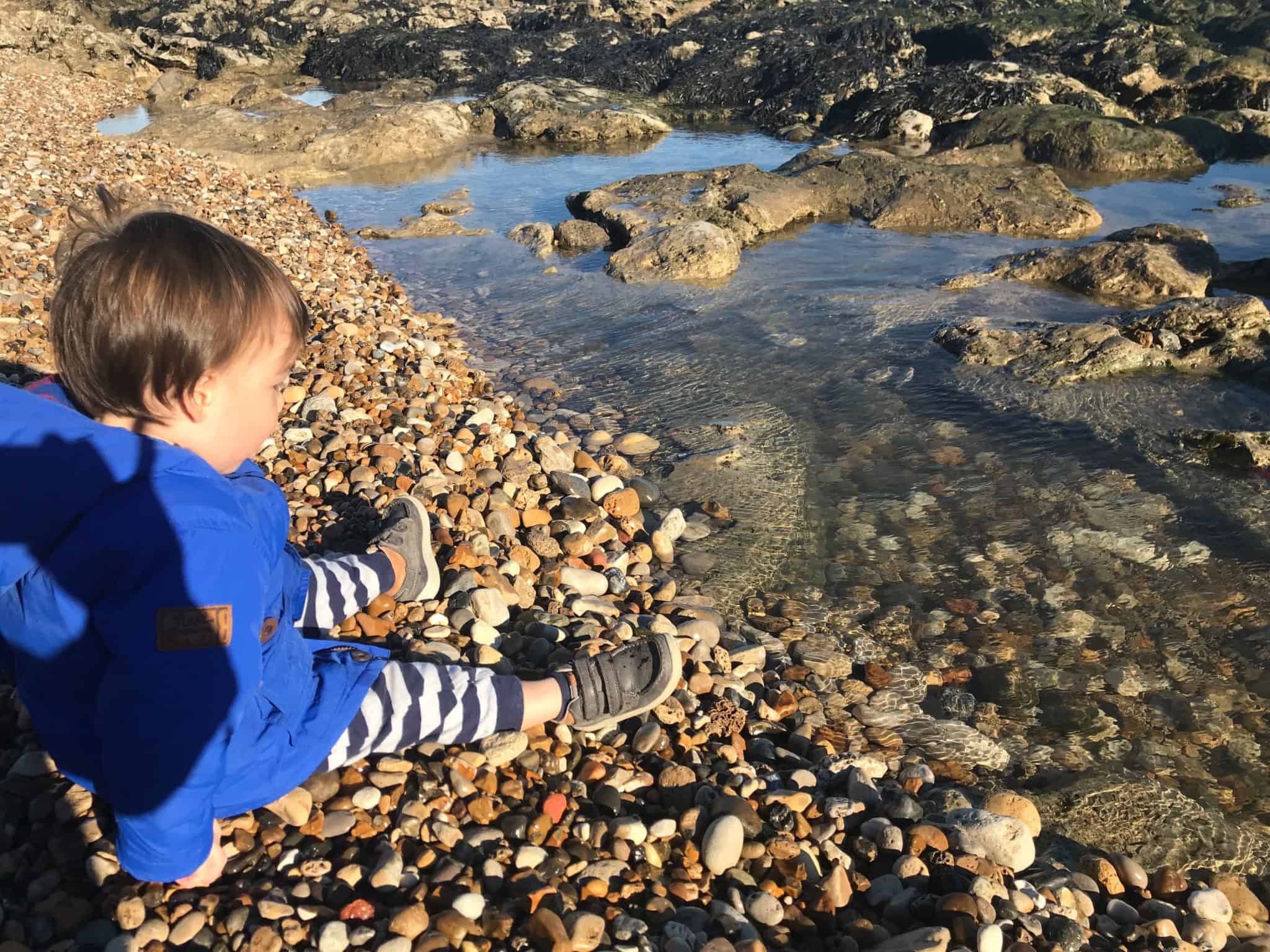
Seaham is a lively harbour town on the coast of Durham, and it’s well worth a visit if you fancy getting in on some seaside action, as well as seeing St Mary the Virgin, one of the oldest surviving churches in the whole of the UK. We went for a stroll around the marina before heading to the beach for a spot of rock climbing and sea glass hunting. Seaham is a worldwide hotspot for collecting it, thanks to a Victorian glassworks that once tipped its waste into the sea, now tumbled smooth by decades of waves.

Having never hunted for sea glass before, we set out on the beach with determination after seeing a few people with their rich pickings. A quick glance down at the pebbles and the sea glass was quite hard to spot at first. But after looking more closely, the twinkle of shiny bright greens and yellows began to sparkle in the sun. We found tons, and the kids really enjoyed collecting their treasure.
Seaham tips
- Whatever the weather, a pitstop at Lickety Split ice cream parlour is a must. Not only does the retro hangout have a vast choice of flavours, but huge sundaes and other treats.
- If you’re strolling along the seafront, don’t forget to pop over and look at Tommy, the First World War soldier by artist Ray Lonsdale. It’s a poignant piece of work, only on Terrace Green because the community of Seaham fought and raised money to buy it.
- A short drive, or a spectacular walk along the coastal path, leads to Nose’s Point, where on a bright day you’ll have clear views towards North Yorkshire. As the gateway to the Durham Heritage Coast, it’s well worth the detour.
Walk with alpacas in Teesdale
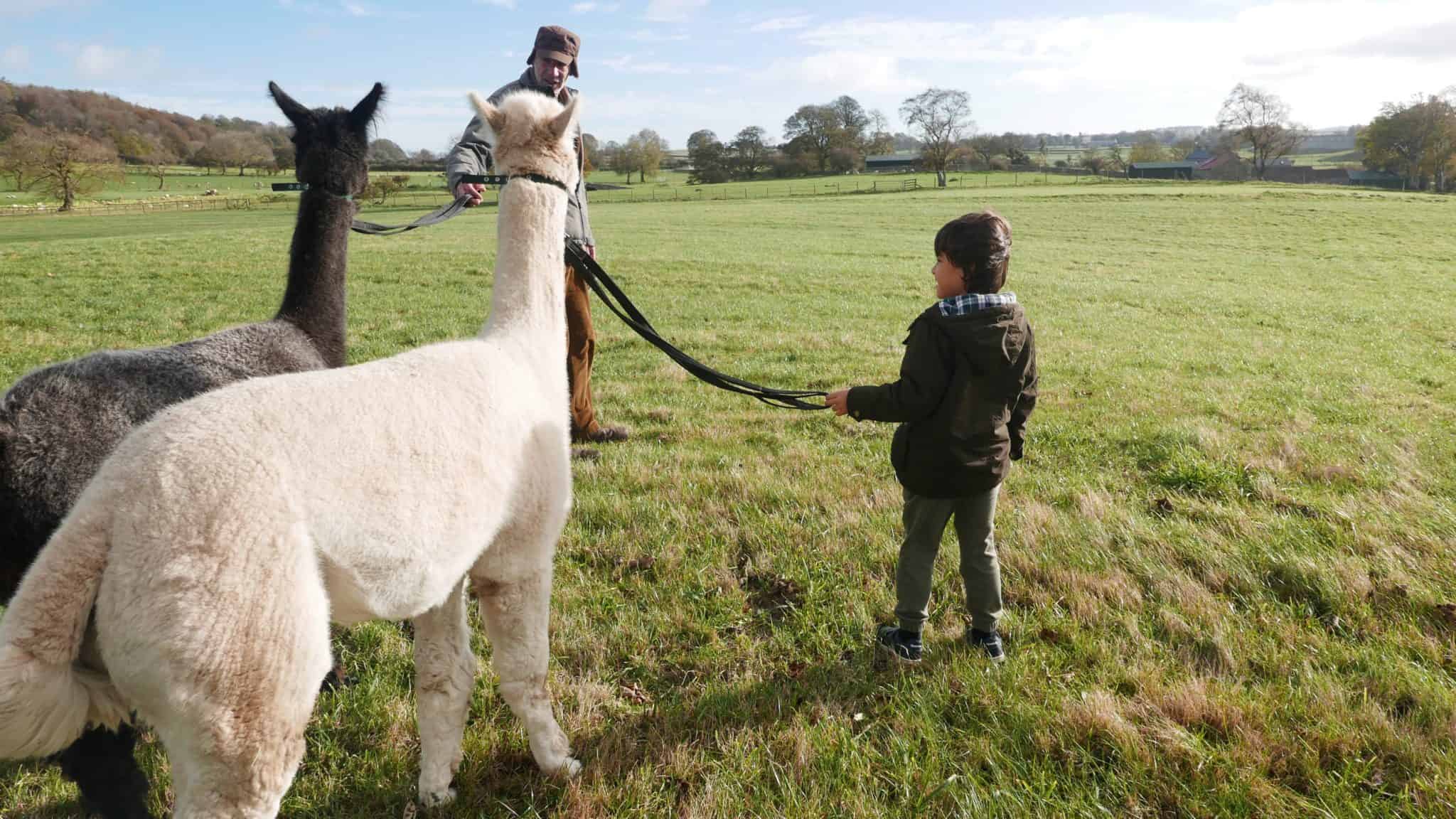
Nestled in the picturesque Teesdale countryside near Barnard Castle, and off the beaten track, is an alpaca farm run by Doug and his wife Samantha. Yes, you did read that correctly: a working alpaca farm. We loved listening to Doug and his passion for these wonderful creatures. He even admitted that his whole life took a different course after he Googled alpacas because he thought they were cute. He gave up his career, bought the land and brought home his first alpaca. They now have over 60, and every single one has a name that Doug remembers. Remarkable! When we visited, he mentioned he was going to take in some llamas, and he has since done exactly that.
We went on a short stroll with a couple of alpacas who both had head collars, and were delighted by their calm temperaments. Doug also let us feed a few of them out of our hands, and took us to see the alpaca babies, who even the little one admitted were extremely adorable. It’s a slow, warm sort of morning, and one the kids still talk about.

Teesdale Alpacas tips
- Visiting Teesdale Alpacas is by appointment only, and they book up months ahead for weekends and holidays, so book early.
- Young children are most welcome, but one adult must accompany one child. Walks also need a minimum of two people, as the alpacas prefer to go in a group.
- They’re closed for walks from November to February because of the ground conditions.
- The treks are completely weather-dependent, so they won’t go ahead in rain, snow or gale force winds. Keep a backup date in mind.
Prices (2026): alpaca walks are around £30 per adult, with supplements for extra people and children.
How to get around Durham
You’ll want a car for this trip. Beamish, Raby, Hamsterley and the alpaca farm are all spread across the county, and public transport between them is limited. Durham city itself is walkable, and because there’s a congestion charge and almost no parking on the cathedral peninsula, the Park and Ride works well for the centre. Seaham and the coast are an easy drive from the city.
Where to stay in Durham
Base yourself either in Durham city, handy for the cathedral, restaurants and the train line, or out in the Dales if you’re prioritising Raby, Barnard Castle and the forests. We spent a week here and found it easier to be central for the city days and drive out for the rest. If you’re building an itinerary around Beamish and Raby, a rural base in the west of the county cuts your driving right down.

Things to do in Durham: FAQs
Is Durham good for a family holiday?
Yes. Between Beamish, Raby Castle, the forests, the coast and the cathedral, there’s enough to fill four or five days with a real mix of history, outdoors and animals. It suits young kids especially well.
Is Durham Cathedral free?
Yes, entry is free, with a suggested £5 donation. There’s a small charge for the tower climb, guided tours and the museum.
How much is Beamish Museum?
The Unlimited Pass is £35 adult, £20.50 child (5 to 16) and free for under 5s, and it lets you return for a full year.
What are the best things to do in Durham?
Durham Cathedral and Beamish top most lists, followed by Raby Castle, Hamsterley Forest and the sea glass beach at Seaham. It’s a strong mix of history, coast and countryside that works whether you’re visiting as a family, a couple or on your own.

Is Durham worth visiting without kids?
Very much so. The cathedral, Raby’s walled gardens, the Durham Heritage Coast and Beamish’s social history all stand on their own. The alpaca walk and forest trails suit any age too.
What’s the best thing to do in Durham with kids?
Beamish is the standout for a full family day. For something slower and more unusual, the alpaca walk near Barnard Castle is hard to beat.
How many days do you need in Durham?
Four to five days lets you cover the city, coast, countryside and Pennines without rushing.
Comments are closed.