Tenerife is one of my favourite destinations for a fly-and-flop holiday. It’s got it all. Year-round sunshine, a short flight time from the UK, a great choice of beaches and hotels, fantastic food and lots of attractions for the whole family. However, there’s more to this Canary Island gem than just your typical package holiday. From the second-largest carnival after Rio in the capital’s Santa Cruz to street art and authentic crafts, it’s also home to the tallest mountain in Spain.
The first time I ever visited, I wanted nothing more than to lie by the pool and soak up some sunshine. However, I was determined to get off a sun lounger and explore Tenerife. A visit to the UNESCO World Heritage Site of Teide National Park was top of my agenda.
From our hotel in Costa Adeje, it was about an hour’s drive. While it appeared straightforward, the climbing, winding, twisted roads heading into the park were rather nerve-racking – particularly for someone who doesn’t drive on the right-hand side often. At one point, I could see the sheer drop below, my white knuckles gripping the steering wheel.
But it was all rather worth the stress. Once you enter the National Park, it’s like landing on a different planet. This spectacular volcanic landscape, with its strange alien-like rock formations, sits right in the middle of Tenerife. The park covers an awe-inspiring 47,000 acres and contains Spain’s highest peak – Mount Teide, standing at 3,718 metres above sea level.

Quick facts about Mount Teide
Height: 3,718m above sea level (Spain’s highest point)
Location: Centre of Tenerife, Canary Islands
Status: Active volcano (last eruption 1909)
Park status: UNESCO World Heritage Site, the most visited national park in Europe
Cable car operating hours: 9am-4pm (winter), 9am-5:40pm (summer)
Cable car prices: Around €41 adults, €20.50 children (return trip)
Summit permits: 200 per day, free but must be booked months in advance
Best time to visit: April to October for the clearest skies
Driving time from resorts: 1 hour from Costa Adeje, Los Cristianos, or Puerto de la Cruz
Planning your trip to Mount Teide
Where is Mount Teide in Tenerife?
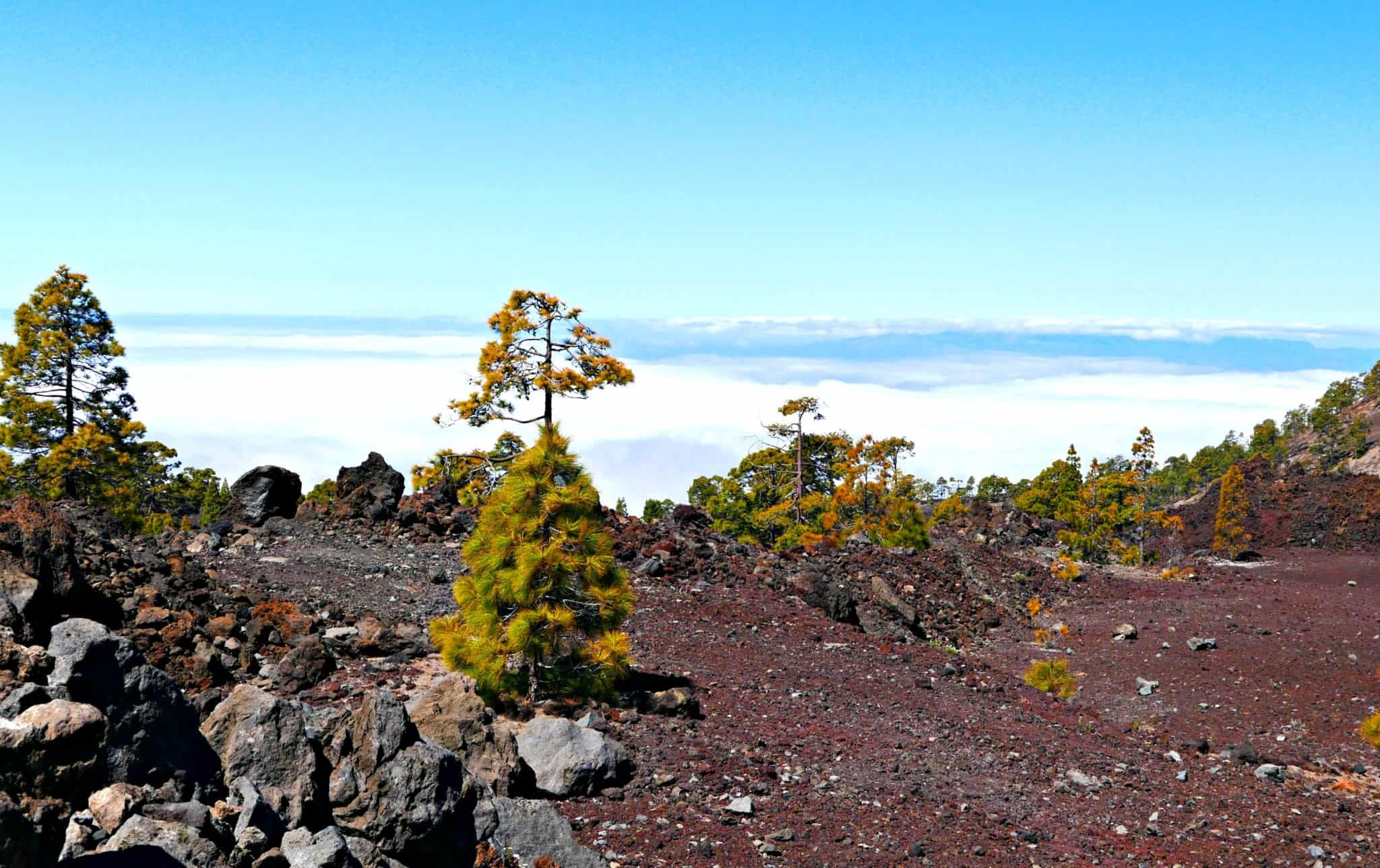
Mount Teide sits right in the middle of Tenerife, making it accessible from anywhere on the island. The volcano dominates Teide National Park, which is roughly equidistant from the north and south coasts.
The main access route from the south (Costa Adeje, Los Cristianos) is via the TF-21 road through Vilaflor. From the north (Puerto de la Cruz, La Orotava), you’ll approach via La Orotava valley. Both journeys take around an hour.
Best way to visit Mount Teide
By rental car: This gives you complete flexibility to explore the park, stop at viewpoints, and visit at your own pace. Free parking is available at the cable car base station and various viewpoints throughout the park.
By guided tour: Several companies offer day trips from all major resorts, including hotel transfers and sometimes cable car tickets. Tours typically visit multiple viewpoints and last 7-8 hours.
By public transport: Bus line 342 runs from Puerto de la Cruz, and line 348 from Playa de las Américas, though services are limited and the journey takes longer.
Best time to visit Teide
April to October offers the most reliable weather, with clear skies and the cable car operating most days. Summer (July-August) sees extended cable car hours but larger crowds.
Winter months can be spectacular if you’re lucky with the weather, with snow-capped peaks creating dramatic views. However, strong winds frequently close the cable car.
Early morning (9am cable car opening) means clearer skies, fewer crowds, and calmer weather conditions. The cable car operates less reliably in the afternoons when winds pick up.
All you need to know about visiting Mount Teide
What surprised me was how little practical information exists about actually visiting Mount Teide. There are plenty of tour companies, but if you’re short on time and want to experience it yourself without a guide, here’s everything you need to know.
It’s still an active volcano
Mount Teide hasn’t erupted since November 1909, when the El Chinyero vent on the Santiago Ridge produced lava flows. But make no mistake – this is still an active volcano.
There have been recurring earthquakes on the island. In 2017, there were 20 seismic events, and in early 2025, increased geophysical activity was detected. Experts have been quick to dispel scaremongering, but the fact remains: Teide is classified as an active volcano, with fumaroles still releasing volcanic gases at the summit.
The last major eruption from Teide itself was in 1798 from the Narices del Teide on Pico Viejo’s western flank. That eruption lasted three months and created lava flows still visible today.

Mount Teide cable car: the easy way up
If you’re lazy like me, the Mount Teide cable car (teleférico del Teide) is your best option. It takes you from the base station at 2,356 metres to La Rambleta upper station at 3,555 metres in just eight minutes.
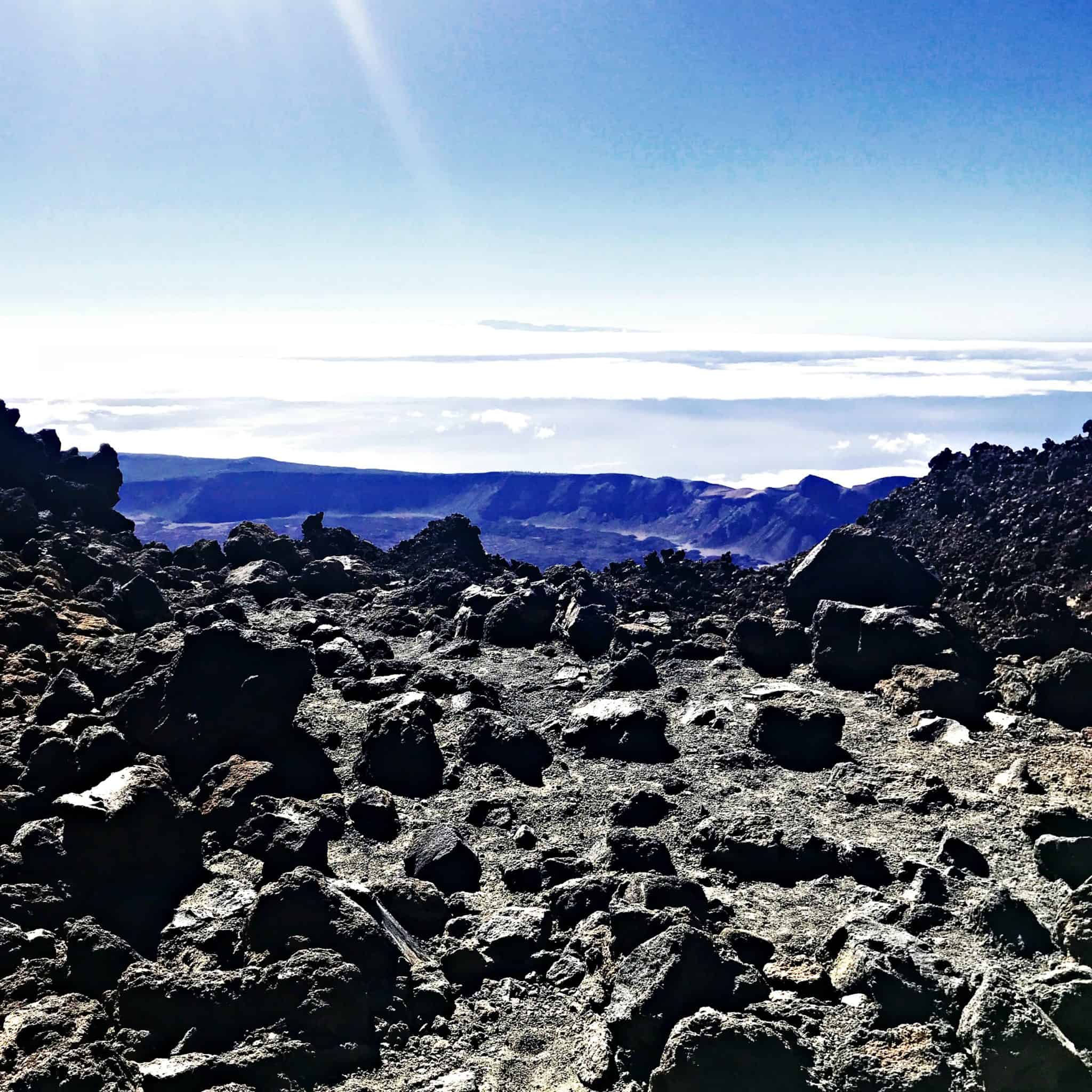
The views during the ascent are spectacular. You’ll rise above the volcanic landscape, watching the Cañadas del Teide spread out below, with the Atlantic Ocean visible in the distance on clear days.
Current cable car prices:
- Adults: €41 return, €23.50 one way
- Children (3-13 years): €20.50 return, €11.75 one way
- Canary Islands residents receive significant discounts
Important: Book your cable car tickets online in advance, selecting a specific time slot. During peak season, tickets sell out days ahead. The cable car operates between 9am and 4pm (winter) or 9am to 5:40pm (summer), but times vary with weather conditions.
From the upper station, three trails branch out. You can freely explore the La Fortaleza viewpoint (trail 11) and Pico Viejo viewpoint (trail 12) without permits. Both offer magnificent panoramic views.
You’ll need a permit to reach the summit
For the protection of this fragile environment, only 200 people per day can access Pico del Teide, the absolute summit. If you want to reach the highest point in Spain, book your free permit months in advance via the National Parks reservation website.
The Telesforo Bravo trail (trail 10) is the only route from La Rambleta to the summit. It’s a challenging 40-50 minute climb covering 163 vertical metres. Guards check permits at the trail entrance.
New regulations from November 2024 also require permits for certain hiking trails in the park, with 300 permits available daily. From August 2025, summit permits are managed through the TenerifeON platform.
Exception: If you stay overnight at the Altavista Refuge and climb before 9am, no summit permit is required.
It’s cold at altitude – dress appropriately
Don’t be fooled by the warm temperatures at sea level. Once you reach the upper station, the temperature drops dramatically. Mount Teide is one of the very few places where tropical temperatures and snowfalls coexist.
Even on a scorching summer day down on the coast, it can be near-freezing at 3,555 metres. Bring warm clothes, proper shoes, and layers. Flip-flops and shorts absolutely won’t cut it.
Wind chill makes it feel even colder. Pack a windproof jacket, long trousers, and closed shoes, even if you’re only taking the cable car and not hiking.
The terrain is rocky and uneven
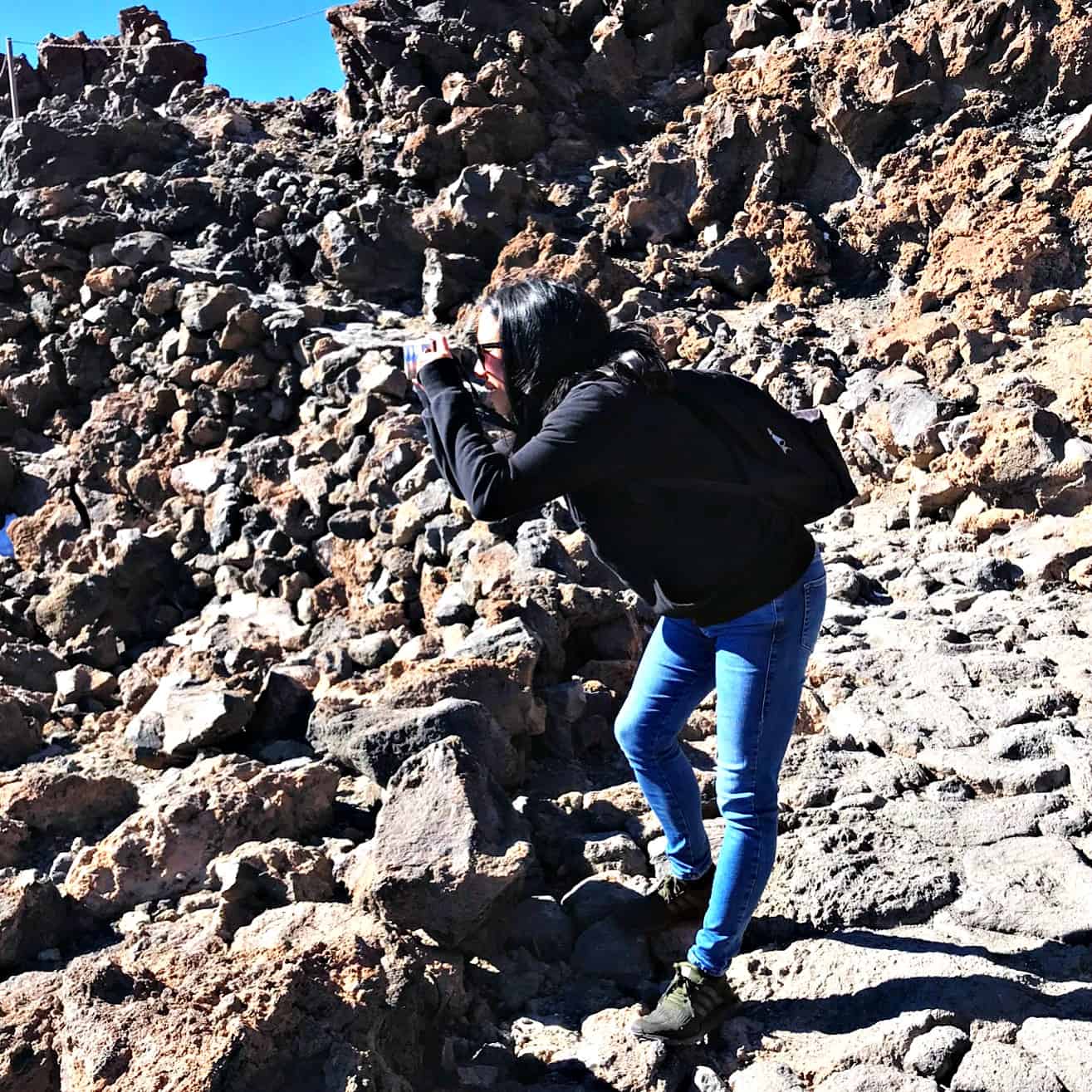
The volcanic rocks are solidified lava, and they’re tough on your feet. Wear comfortable, sturdy shoes with good grip and ankle support, especially if you plan to hike any of the trails.
For those who aren’t steady on their feet, observation points at the upper station have flat surfaces. But if you want to explore properly, you’ll be walking on uneven volcanic rocks and steep inclines.
Altitude sickness is real
At 3,555 metres and higher, the air is much thinner. The likelihood of suffering from altitude sickness is quite high, regardless of your fitness level.
I felt lightheaded and had to sit down several times myself. Symptoms include dizziness, shortness of breath, headaches, and nausea. Take your time, move slowly, stay hydrated, and don’t push yourself.
Children under 3 and pregnant women are not allowed on the cable car due to altitude-related health risks. Those with cardiovascular conditions should consult a doctor before visiting.
The best views of Mount Teide are from afar
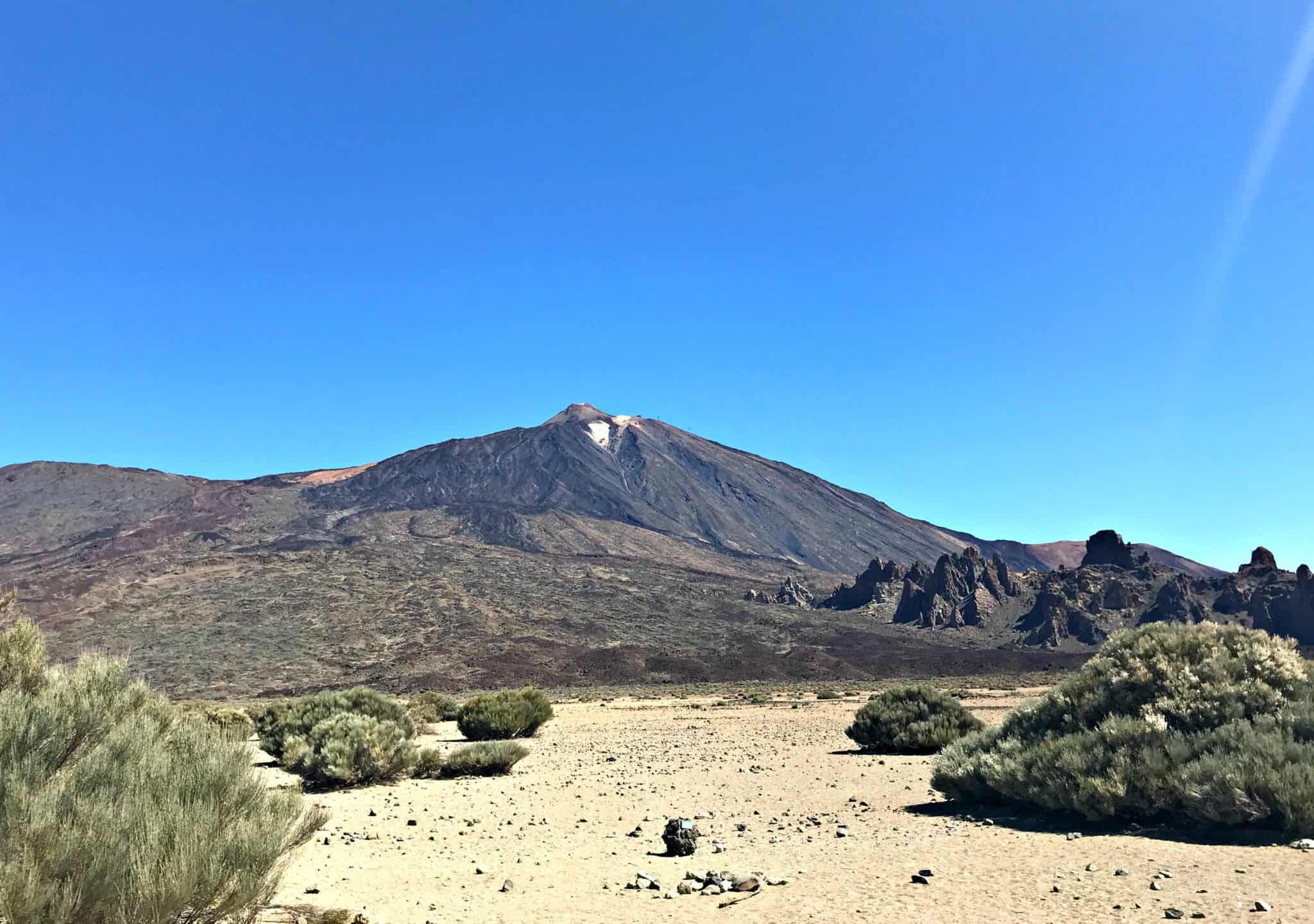
While the sprawling volcanic scenery is epic from high up, to see the volcano in all its glory, stop at viewpoints within the park. You’ll be rewarded with spectacular sights of Mount Teide rising from the Cañadas del Teide.
Key viewpoints include:
- Los Roques de García – iconic rock formations with Teide backdrop
- Pico Viejo viewpoint – overlooking the 800-metre-wide crater
- La Fortaleza viewpoint – accessible from La Rambleta upper station
- Boca de Tauce viewpoint – stunning perspective from the southwest
We just drove and drove through the park, which gave us different perspectives of the landscape. Each viewpoint reveals something new about this otherworldly terrain.
Hiking trails and climbing Mount Teide
Climbing to the summit on foot
It takes approximately 5-6 hours to climb from Montaña Blanca (the traditional starting point) to reach Pico del Teide. This is a challenging hike covering significant altitude gain.
The Montaña Blanca trail starts at about 2,350 metres and climbs through volcanic landscapes. If you want to break up the journey, you can stay overnight at the Altavista Refuge (3,260m), though it’s currently closed to the public.
Serious hikers tackle the complete ascent from sea level – the legendary route 040 covering 27.7 kilometres with 3,718 metres of elevation gain. This typically takes 7-9 hours ascending, 12 hours for the complete round trip.
Cycling Mount Teide
Cycling up Mount Teide is increasingly popular among serious cyclists. The climb from sea level is one of the highest paved roads in Spain, attracting professional training camps.
The ascent via the TF-21 road from the south offers a challenging climb with spectacular volcanic scenery. Expect significant traffic on weekends. Early morning starts are essential for safety and to avoid afternoon winds.
Best hiking trails in the park
Beyond the summit push, Teide National Park offers numerous trails:
Easy trails:
- Roques de García circular route – 3.5km, showcasing bizarre rock formations
- Arenas Negras – 6km through black volcanic sand
Moderate trails:
- Siete Cañadas – 16.6km traversing the caldera floor
- Montaña Blanca to La Rambleta – if taking the cable car down
Challenging trails:
- Pico Viejo crater approach – steep but rewarding views into the massive crater
- Complete Teide ascent – for experienced mountain hikers only
Where to eat near Mount Teide
Dining options within the park are extremely limited, so plan accordingly.
Parador de Las Cañadas del Teide restaurant
The Parador restaurant is the only proper dining option inside the national park. Located at the mountain hotel at 2,152 metres above sea level, it serves traditional Canarian cuisine including puchero canario (meat stew), rabbit in salmorejo sauce, and local fish.
The restaurant offers spectacular views of Mount Teide through panoramic windows. Expect to pay premium prices for the location. Booking is recommended, especially for dinner.
Los Roques cafeteria at the Parador opens 10am-6pm daily, serving lighter snacks and sandwiches. Plus much kinder on your wallet.
Cable car base station café
The Visitors’ Centre at the cable car base station has a café-restaurant serving snacks, sandwiches, and drinks. It’s Spain’s highest café-restaurant. The “Science and Legend” exhibition is included with your cable car ticket.
Bring your own supplies
Best advice: Pack plenty of water, snacks, and even a picnic lunch. There are no food options at the upper cable car station, and you’ll need to stay hydrated at altitude.
Designated picnic areas like Las Lajas and Chío, just outside the park boundaries, offer tables, barbecues, and facilities if you want a proper outdoor meal surrounded by Canarian pine forests.
Visiting Mount Teide from different areas of Tenerife
From Costa Adeje and the south
The drive from Costa Adeje, Los Cristianos, or Los Gigantes takes approximately one hour via the TF-21 through Vilaflor. The road climbs steeply through pine forests before emerging into the volcanic moonscape of the caldera.
This is the most popular route, well-maintained and clearly signposted. You’ll pass through Vilaflor, Spain’s highest village, where you might want to stop for coffee.
From Puerto de la Cruz and the north
From Puerto de la Cruz or La Orotava, approach via La Orotava valley on the TF-21. This route offers different perspectives, passing through cloud layers that often sit around 1,500 metres above sea level.
La Laguna and Santa Cruz de Tenerife are roughly 1.5 hours from the park, making them viable starting points for a day trip.
Day trip itineraries
Half-day visit (4-5 hours):
- Cable car ride
- Explore La Rambleta upper station
- Visit one nearby viewpoint
- Return to the coast
Full-day visit (7-8 hours):
- Early cable car ride
- Hike to Pico Viejo viewpoint
- Lunch at Parador
- Drive to Los Roques de García
- Stop at multiple viewpoints
- Return via a different route
Sunrise or sunset trips: Special experiences include sunset and stars tours or climbing for sunrise. The Parador offers telescope stargazing – the park is one of the world’s best places for observing the Milky Way thanks to minimal light pollution and high altitude.
Understanding Mount Teide National Park
A UNESCO World Heritage Site
Teide National Park was designated a UNESCO World Heritage Site in 2007 in recognition of its exceptional geological and volcanic features. It’s the most visited national park in Europe, attracting over 4 million visitors annually.
The park protects endemic species found nowhere else on Earth. The Teide violet blooms in volcanic soil at extreme altitudes. The Teide lizard has adapted to high-altitude conditions. Unique rock formations shaped by volcanic activity and erosion create an otherworldly landscape.
The highest mountain in Spain and beyond
Mount Teide stands 3,718 metres (12,198 feet) above sea level, making it Spain’s highest peak. It’s also the highest mountain in the Atlantic Ocean islands.
Measured from its base on the ocean floor, Mount Teide reaches approximately 7,500 metres in total height, making it the world’s third-tallest volcano after Hawaii’s Mauna Kea and Mauna Loa.
Volcanic landscape and rock formations
The Cañadas del Teide – the vast caldera floor – was formed by massive volcanic eruptions and collapses over millions of years. The current landscape showcases layers of volcanic history.
Los Roques de García are perhaps the most photographed rock formations in the park. These towering phonolitic rock spires have been eroded by wind and weather for millennia. The most famous is El Cinchado, often photographed with Teide in the background.

Pico Viejo sits adjacent to Mount Teide, with its enormous 800-metre-wide crater visible from various viewpoints. Lava flows from historical eruptions create rivers of solidified volcanic rock in shades of black, red, and ochre.
Flora and fauna at altitude
Despite harsh conditions, the park supports unique endemic species. The Teide bugloss paints entire slopes red when flowering in spring. Canarian pine forests ring the park boundaries, adapted to volcanic soils.
Birdwatchers spot Berthelot’s pipits and blue chaffinches. At night, the park comes alive with unique insects and the occasional Canarian shrew.
Essential practical information
Teide Observatory and science
The Teide Observatory on the north side of the park is one of the world’s premier astronomical facilities. While not generally open to casual visitors, specialised tours can be arranged in advance.
The altitude, clear skies, and minimal light pollution make this a perfect place for astronomical research and stargazing.
Weather and seasonal considerations
Weather conditions change rapidly. Clear mornings can turn windy by afternoon. The cable car frequently closes due to high winds, even when the weather seems perfect at the base.
Check the weather forecast and the official cable car website before visiting. If winds exceed safe levels, the cable car shuts down with little notice.
High season (July-August) brings the most visitors and highest cable car prices. Shoulder seasons (April-June, September-October) often offer the best balance of good weather and manageable crowds.
Safety and regulations
New safety rules require proper mountain equipment for certain hikes: mountain shoes, warm clothing, a thermal blanket, water, a charged mobile phone, and a headlamp. The Civil Guard’s Mountain Rescue team performs random checks.
Stay on marked trails. The park is a protected area – it’s prohibited to take rocks, plants, or animals, make fires, or stray from paths. Complaint forms are available if you witness violations.
Visitor centres and information
The Telesforo Bravo Visitor Centre in La Orotava (25km from the park’s northern boundary) provides information about the park’s geology, ecology, and hiking trails.
The cable car Visitors’ Centre at the base station houses the “Science and Legend” exhibition about Guanche mythology and the volcano’s geological history. Entry is free with cable car tickets.
Other Canary Islands views
On exceptionally clear days from the summit or upper station, you can see neighbouring islands: Gran Canaria, La Palma, La Gomera, and El Hierro. This perspective across the entire archipelago is one of Mount Teide’s most amazing views.

Frequently asked questions
How high is Mount Teide in Tenerife?
Mount Teide stands 3,718 metres (12,198 feet) above sea level, making it Spain’s highest peak and the tallest mountain in the Atlantic Ocean islands.
Do I need a permit to visit Mount Teide?
You don’t need a permit to visit the national park or take the cable car. However, a free permit is required to hike the final section to the summit (Pico del Teide). Only 200 permits are issued daily, so book months in advance.
How much does the Mount Teide cable car cost?
Cable car tickets cost approximately €41 for adults (return) and €20.50 for children aged 3-13 (return). Prices vary slightly with demand and season. Book online in advance to secure your preferred time slot.
Can you drive up Mount Teide?
You can drive to the cable car base station (2,356m) where there’s free parking. However, you cannot drive all the way to the summit. The road stops at the cable car base station, and you must either hike or take the cable car to go higher.
What’s the best time of year to visit Mount Teide?
April to October offers the most reliable weather with clear skies. Early morning visits provide the clearest views before afternoon clouds and winds develop.
Is Mount Teide suitable for children?
Yes, families can visit the park and take the cable car. However, children under 3 are not permitted on the cable car due to altitude risks. Older children usually manage well with proper clothing and breaks.
Can you see Mount Teide from everywhere in Tenerife?
On clear days, Mount Teide is visible from most parts of Tenerife and even from neighbouring islands. Its distinctive cone shape dominates Tenerife’s skyline.
How long should I spend at Mount Teide?
Plan 4-5 hours minimum for a cable car visit including travel time. A full day (7-8 hours) allows proper exploration of viewpoints and trails. Sunrise or sunset visits require additional time.
Are there restaurants at Mount Teide?
The Parador de Las Cañadas del Teide has a restaurant and cafeteria inside the park. The cable car base station has a café. Otherwise, food options are limited, so bring supplies.
Can you climb Mount Teide without the cable car?
Yes, hiking from Montaña Blanca to the summit takes 5-6 hours. Alternatively, climb from sea level (12+ hours return). You still need a summit permit for the final section.
Final tips for visiting Mount Teide
Mount Teide National Park is truly spectacular – one of the most amazing places I’ve visited in Tenerife. The alien volcanic landscape, the sheer scale of the volcano, and the views across the island make it a must-see natural wonder.
Book ahead: Cable car tickets and summit permits require advance booking, especially in high season.
Start early: The 9am cable car opening provides the best weather conditions and fewer crowds.
Dress for altitude: Bring warm layers, a windproof jacket, sturdy shoes, and sun protection.
Stay hydrated: The thin air and physical exertion at altitude mean you need more water than usual.
Check the weather: Conditions change rapidly. Verify the forecast and cable car status before travelling.
Allow time: Don’t rush. The journey, the stops at viewpoints, and adjusting to altitude all take time.
Whether you take the easy option like me and ride the cable car, or challenge yourself with the full climb to Spain’s highest peak, visiting Mount Teide is an unforgettable experience. This active volcano, with its volcanic landscapes, clear skies, and breathtaking views, showcases Tenerife’s spectacular natural beauty.
Have you visited Mount Teide? What were your highlights of this incredible national park?
Great tips! I remember when we went up, seeing people in shorts and flip flops shivering in the snow… (in april)
Fantastic! I would take the cable car too and I’d be happy to stop at the station and see the views from there. It looks like an amazing day trip.
gorgeous nature
And there’s a strong smell of sulphur. When I put my hand into a fissure it felt quite warm in spite of the low ambient temperature. Well worth the trip.